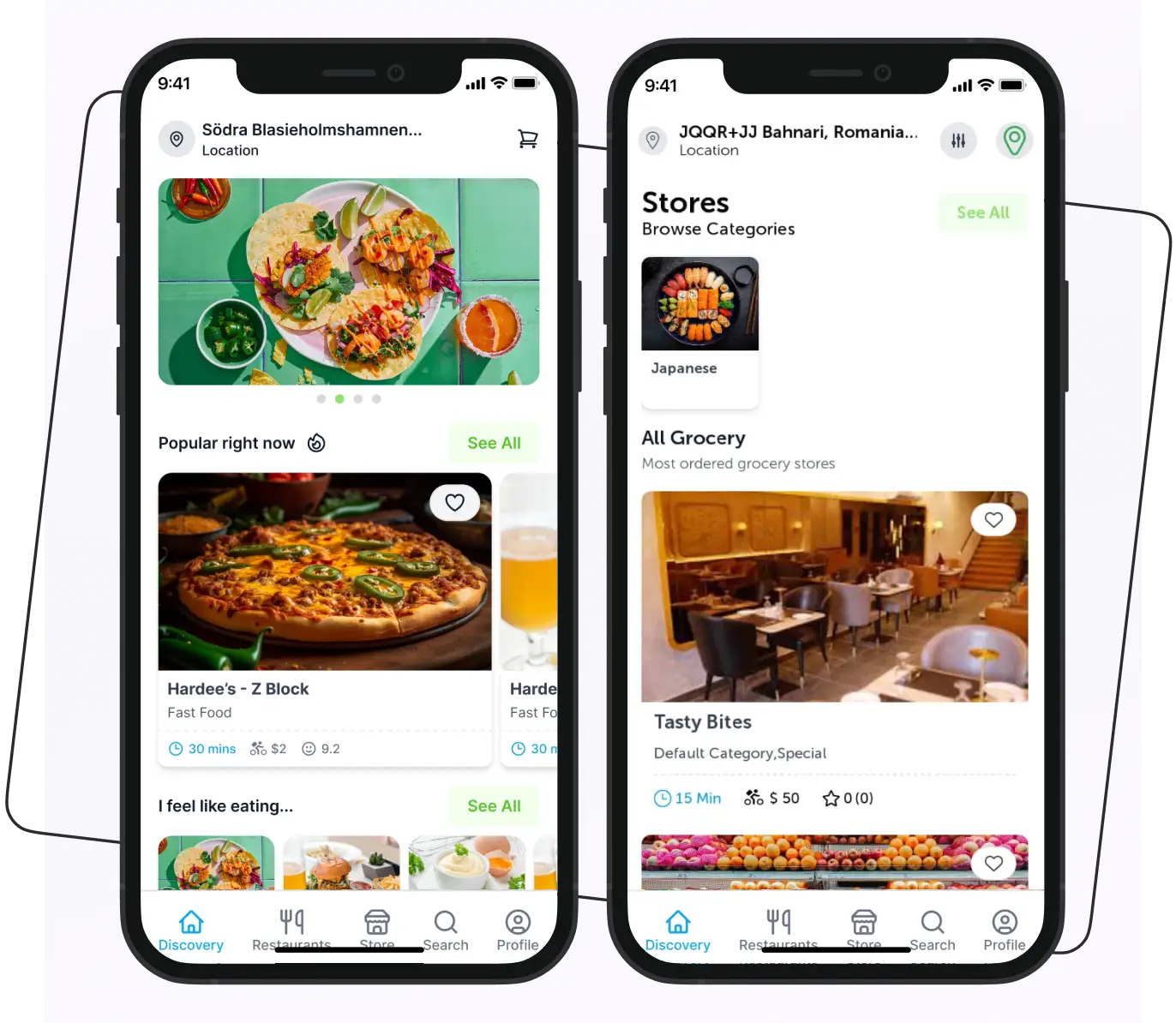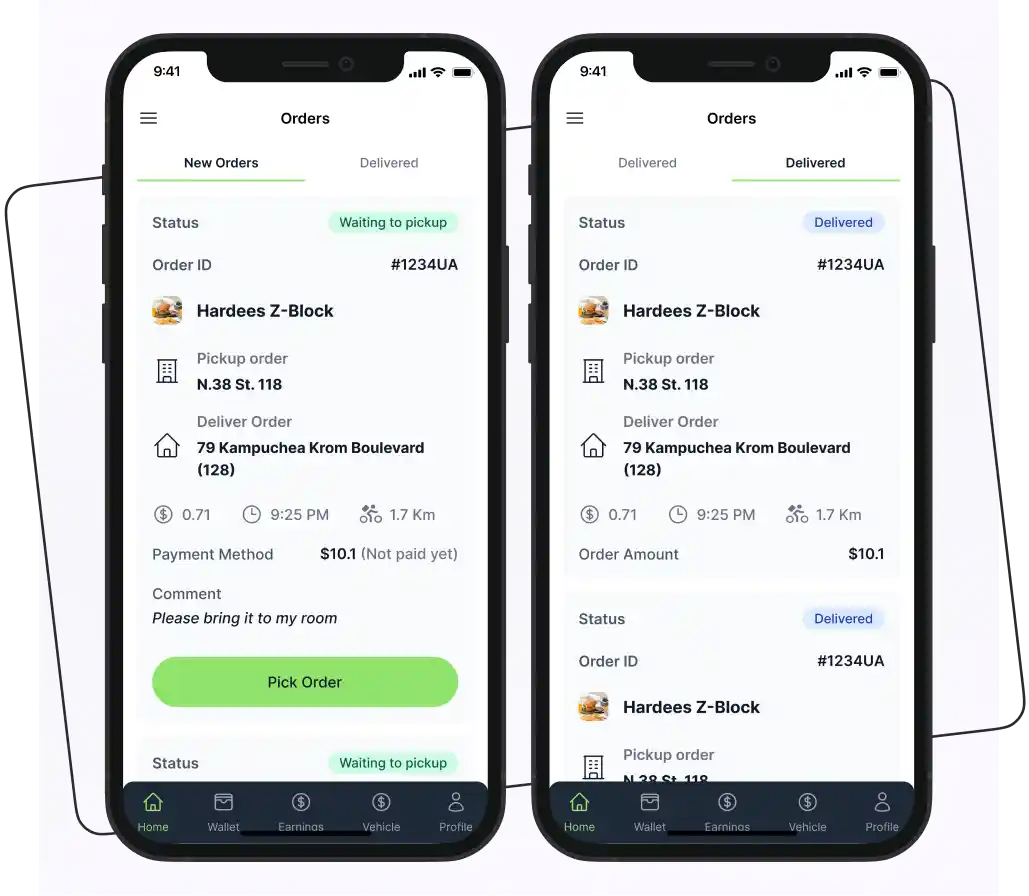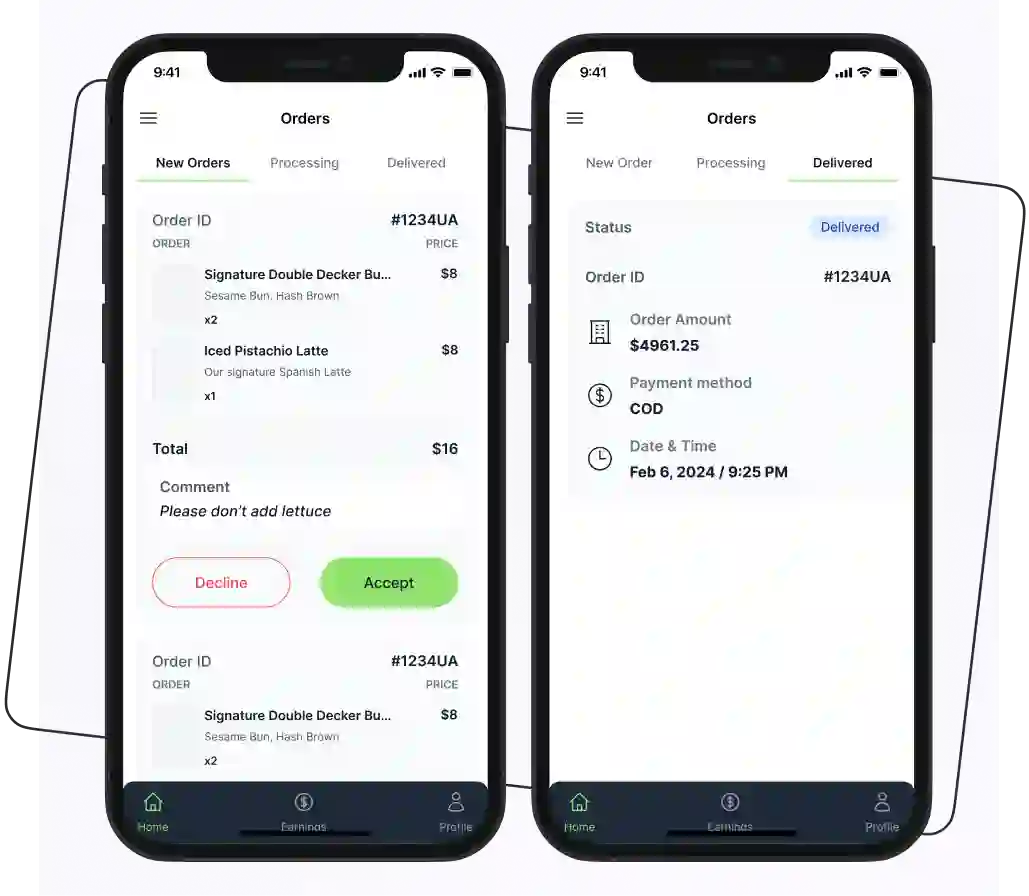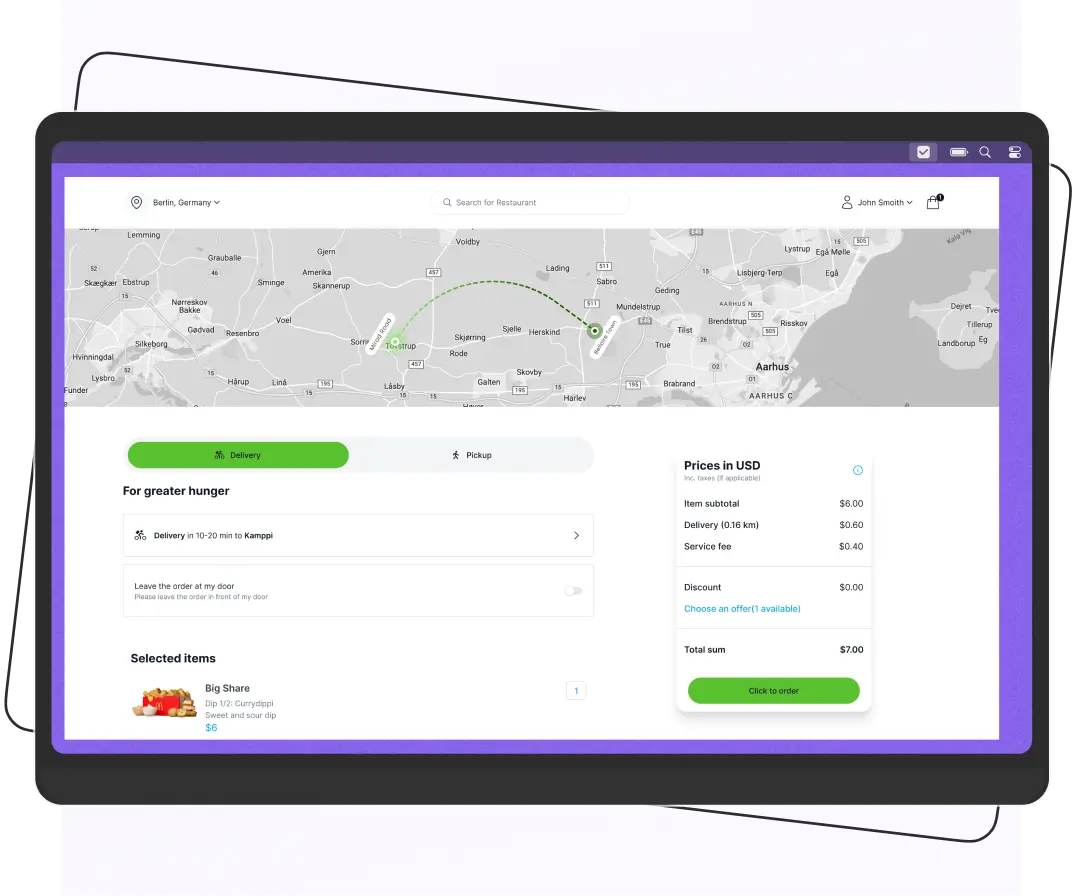


Creating a flower delivery app costs between $20,000 and $150,000+, depending on complexity, platform, features, and developer location. A basic app costs $20,000–$40,000, and an advanced, feature-rich app can cost between $90,000 – $150,000+.
The global flower delivery market was estimated at USD 7.20 billion in 2023 (Grand View Research). For entrepreneurs and florists, a well-built app is the shortcut to tapping that demand.
Is a Flower Delivery App Still Worth It in 2026?
Yes, a flower delivery app is still worth building in 2026, but the opportunity depends on how well you execute it.
The global flower delivery market is still growing, expected to reach around $11.27 billion by 2030, with steady growth every year. The flower delivery app market alone is also expanding at nearly ~9.8% CAGR through 2035, showing that people are increasingly buying flowers online instead of visiting physical stores.
But the real reason it still works in 2026 is simple: people want fast, easy, and last-minute gifting. Whether it’s birthdays, anniversaries, or same-day surprises, users now expect everything to happen in just a few taps with real-time delivery tracking.
However, success is no longer about just launching an app; it’s about focus. The market is competitive, so generic apps struggle, while niche-focused ones (like luxury flowers, same-day delivery, or corporate gifting) perform much better.
Cost to Develop a Flower Delivery App
The cost to develop a flower delivery solution can range from $20,000 to $150,000+. However, this cost depends on various components necessary for a fully functional app.
| Component | Estimated Cost (USD) |
| UI/UX Design | $2,000 – $6,000 |
| Customer App Development | $10,000 – $35,000 |
| Delivery Partner App Development | $5,000 – $20,000 |
| Admin Panel Development | $4,000 – $15,000 |
| Backend Development and APIs | $6,000 – $25,000 |
| QA and Testing | $3,000 – $8,000 |
| Maintenance and Updates | $1,000 – $3,000/month |
| Hosting and Infrastructure | $100 – $500/month |
Supercharge your deliveries with Enatega.
Register NowCost to Develop a Flower Delivery App by Complexity
The simpler the app, the lower the cost and the shorter the timeline. Advanced features, multiple platforms, and complex integrations raise the total cost.
Look at the table below and understand the estimated cost to build a flower delivery app based on the complexity level.
| App Complexity | Features Included | Estimated Development Cost (USD) | Estimated Timeline |
| Basic / MVP | User registration, flower catalog, order placement, payment gateway, and basic delivery tracking | $20,000 – $40,000 | 2 – 3 months |
| Moderate / Standard | All MVP features + advanced search & filters, push notifications, reviews & ratings, admin panel with analytics, and delivery partner module | $40,000 – $90,000 | 3 – 6 months |
| Advanced / Enterprise | All standard features + real-time GPS tracking, AI-based recommendations, loyalty program, multi-language & multi-currency support, and advanced reporting dashboards | $90,000 – $150,000+ | 6 – 9+ months |
Cost to Develop a Flower Delivery App by Regions
The table below shows the cost of building a flower delivery app according to different regions.
| Region | Hourly Rate (USD) | Estimated App Development Cost (USD) | Notes |
| North America (USA and Canada) | $80 – $150/hour | $80,000 – $200,000+ | High-quality development, experienced teams, but the highest cost. |
| Western Europe (UK, Germany, France) | $60 – $120/hour | $60,000 – $170,000+ | Strong expertise and design quality; moderate-to-high pricing. |
| Eastern Europe (Poland, Ukraine, Romania) | $30 – $60/hour | $30,000 – $100,000+ | Good balance of cost and quality, growing IT hubs. |
| Asia (India, Pakistan, Bangladesh) | $20 – $50/hour | $20,000 – $80,000+ | Most cost-effective region with skilled developers. |
| Australia and New Zealand | $70 – $130/hour | $70,000 – $180,000+ | High hourly rates but often reliable timelines. |
| Middle East (UAE, Saudi Arabia) | $40 – $90/hour | $40,000 – $130,000+ | Growing market; competitive rates with quality talent. |
Flower Delivery App Development Cost: Based on Popular Flower Delivery Apps
The cost to develop a flower delivery app like 1-800 Flowers, UrbanStems, or BloomsyBox can vary based on several factors, such as:
- Features
- Subscription models
- App complexity and more
Here are the estimated costs to develop the popular flower delivery apps.
Cost to Build an App Like 1-800 Flowers
Estimated Cost: $80,000 – $150,000+
Key Features
- Same-day delivery
- International delivery
- Subscription services
- Gift add-ons
- Order tracking
- Multi-language and multi-currency support
Cost to Build an App Like UrbanStems
Estimated Cost: $60,000 – $120,000+
Key Features
- Fast delivery
- Create modern and artistic designs
- Real-time inventory updates
- Delivery tracking
- Promotions and discounts
Cost to Build an App Like BloomsyBox
Estimated Cost: $50,000 – $100,000+
Key Features
- Subscription-based model (weekly/monthly bouquets)
- Payment integration
- Personalized recommendations
- Loyalty program
Cost to Build an App Like Teleflora
Estimated Cost: $90,000 – $160,000+
Key Features
- Nationwide/international florist network integration
- Same-day delivery
- Custom bouquets
- Customer reviews and ratings
Hidden Costs of Building a Flower Delivery App
Most businesses focus on development costs, but the real expense of a flower delivery app goes beyond building the product. Several ongoing and indirect costs can impact your overall budget if they are not planned.
Marketing and Customer Acquisition Costs
Once your app is launched, users won’t automatically start using it. You need to invest in marketing to drive installs and orders. This includes paid ads, social media campaigns, influencer promotions, and app store optimization.
In many cases, acquiring a single paying customer can cost anywhere from $3 to $20+, depending on your market and competition.
App Store and Platform Fees
Publishing and maintaining your app also comes with platform costs. Apple charges an annual developer fee, while Google Play has a one-time registration fee. Additionally, both platforms may take a commission on in-app transactions, ranging between 15% to 30%.
Maintenance and Technical Support
After launch, your app will require continuous updates to fix bugs, improve performance, and stay compatible with new operating system versions. On average, maintenance costs account for 15% to 20% of the initial development cost per year.
Factors That Affect The Flower App Development Cost
Building a flower delivery app involves multiple cost-driving elements. Understanding these factors helps you plan a realistic budget and prioritize features effectively.
Below are the key factors influencing the total development cost.

1. App Platform
The platform you choose, iOS, Android, or both, directly impacts your budget. Choose platforms based on your audience, business goals, and available budget.
- Native Apps (Separate iOS and Android): Higher cost but better performance and a platform-specific experience.
- Cross-Platform Apps (React Native or Flutter): A single codebase for both platforms, making development faster and more cost-effective.
2. App Features
The features you include in your flower delivery app are the biggest factor influencing both cost and user experience. A carefully chosen feature set not only makes your app functional but also differentiates it from competitors.
When planning features, think of them in two stages: basic (MVP) features to get your app off the ground and advanced features to make it stand out.
Basic (MVP) Features
These features cover the core functionality every flower delivery app needs.
- User Registration and Profiles: Sign up using email, phone number, or social media.
- Product Catalog and Search: Browse flowers, gifts, and bouquets with categories, filters, and price sorting.
- Order Placement and Checkout: Simple, fast checkout with address management.
- Multiple Payment Options: Credit/debit cards, digital wallets, or cash on delivery.
- Push Notifications: Alerts for promotions, order updates, and delivery status.
- Order History: View past orders and easily reorder favorites.
- Reviews and Ratings: Build trust by letting customers leave feedback.
Advanced Features
Advanced features improve your app and give users a richer experience.
- Real-Time Order Tracking: Live GPS tracking of delivery status.
- In-App Chat and Support: Direct communication with customer support or delivery personnel.
- Order Scheduling: Let customers book flower deliveries for future dates and times.
- Personalized Recommendations: AI-driven suggestions based on user behavior or previous purchases.
- Loyalty and Rewards Program: Offer discounts or reward points to retain users.
- Subscription Services: Weekly or monthly bouquet deliveries for regular customers.
- Multi-Language and Multi-Currency Support: Perfect for reaching international audiences.
- Gift Add-Ons: Add chocolates, cards, or balloons to orders for upselling opportunities.
3. Development Team Location
It is another main factor that influences the flower delivery app development cost. Developer hourly rates vary widely across regions due to differences in labor costs, living expenses, and market demand. Understanding this helps you decide whether to hire locally, offshore, or use a hybrid approach.
4. Technology Stack
The programming languages, frameworks, and integrations (payment gateways, push notifications, mapping services, etc.) also influence costs. Using advanced or custom technology stacks may require specialized developers, increasing overall expenses.
5. Ongoing Maintenance
The work doesn’t stop once your flower delivery app is live. Post-launch support is one of the most important phases of the app lifecycle. Ongoing costs for bug fixes, regular updates, and server maintenance ensure your app continues to run smoothly, securely, and efficiently as your user base grows.
You’ll need to allocate a dedicated portion of your budget for:
- Bug Fixes and Performance Optimization: Addressing unexpected glitches, improving speed, and enhancing user experience.
- Feature Updates and OS Compatibility: Updating the app to remain compatible with the latest iOS and Android versions, and rolling out new features based on customer feedback.
- Server Maintenance and Hosting Costs: Managing servers, databases, and cloud infrastructure to ensure seamless performance and scalability during high traffic periods.
- Security Patches: Regularly strengthening security to protect customer data and payment information.
Planning for these post-launch expenses upfront (15–20% of the initial development cost per year). It helps maintain app quality and protect your investment over the long term.
6. Marketing and Promotion
Launching a flower delivery app is only the first step; without a strong marketing and promotion strategy, even the best-designed app may struggle to attract users. Marketing is not just an afterthought; it’s an investment that directly impacts downloads, brand awareness, and customer retention.
For a startup flower delivery app, it’s wise to allocate 15–30% of your initial budget to marketing efforts. Paid ads may cost anywhere from $1,000 to $10,000+ per month, while organic strategies like content creation and ASO are slower but more cost-efficient long-term.
How to Reduce Flower Delivery App Costs?
Building a flower delivery app doesn’t have to drain your budget. With the right planning and smart choices, you can easily reduce development costs without compromising on quality or user experience.
Here are some proven strategies to help you save time and money.

Prioritize Essential Features
Start with an MVP (Minimum Viable Product) focusing on core features such as product catalog, ordering, payment, and basic delivery tracking. Launching with only the must-have functionalities allows you to test the market quickly, gather feedback, and invest in advanced features later based on real user needs.
Use Pre-Built Templates or UI Kits
Instead of designing every screen from scratch, use professionally designed UI kits or app templates. These ready-made components are:
- Fully customizable
- Mobile responsive
- Faster to implement
This approach drastically cuts design costs and speeds up the development timeline.
Plan for Scalability from Day One
A well-structured app architecture reduces costs later. Build your app with scalability in mind so it can handle increased traffic, products, and users without requiring expensive rewrites. This future-proofs your investment and saves high costs in the long run.
Choose cloud hosting solutions like AWS, Google Cloud, or Azure to scale resources as needed.
Outsource to Cost-Effective Regions
Hiring a development team from regions like India, Eastern Europe, or Southeast Asia can lower hourly rates while maintaining quality. These regions offer:
- Skilled developers familiar with global markets
- Flexible team sizes
- High-quality work at competitive prices
Use Cross-Platform Development
Instead of building separate apps for iOS and Android, use frameworks like Flutter or React Native. A single codebase can:
- Faster development time
- Simpler maintenance
- Simultaneous updates across platforms
- Lower total cost of ownership
This strategy can reduce development effort by up to 40–50% compared to building two native apps.
Why Build a Flower Delivery App?
The flower industry is no longer just about walk-in customers and phone orders; it’s gone digital. Businesses winning today are the ones meeting customers where they already are: on their phones.
The global flower delivery market is growing. However, most local florists still rely on third-party platforms like 1-800-Flowers or Teleflora, paying heavy commissions on every order. A dedicated app cuts out the middleman and puts the margin back in your pocket.
Customers expect on-demand convenience. Birthdays get forgotten, anniversaries sneak up, and last-minute gifting is a real and recurring need. An app with same-day delivery, scheduling, and one-tap reordering captures that impulse purchase in a way a website or phone call simply can’t.
When you sell through a platform, the platform owns the data. With your own app, you know who your customers are, what they buy, when they buy it, and how to reach them, giving you a real competitive edge over florists who don’t.
FAQs
To start a flower delivery service, you have to follow these steps:
Do research
Define your business model
Register your business
Find suppliers
Set up your online presence
Marketing and launch
Yes, flower businesses make money, but their success depends on smart business decisions, effective cost control, and a strong market strategy.
Building a flower delivery app takes 2 to 9+ months, depending on complexity. A basic MVP takes 2–3 months, a standard app with delivery tracking and an admin panel takes 3–6 months, and a full-featured enterprise app can take 6–9 months or more.
Floral delivery is expensive because flowers are perishable, time-sensitive products that require refrigerated storage, careful handling, and fast last-mile delivery. All of which add significant logistics costs on top of the flower’s base price, plus labor, packaging, and platform or service fees charged by the delivery app or florist network.
Supercharge your deliveries with Enatega.
Register NowConclusion
A flower delivery app isn’t just software, it’s how your business shows up when the customer isn’t standing in your shop. It decides whether you’re visible, chosen, and remembered or skipped.
Cost matters, but not in the way most people think. It’s not about building the biggest app, it’s about building the right one. When you understand where your money goes, you stop guessing and start making decisions that actually move your business forward.
About the author

Hudaibia Khalid is a senior content writer with several years of experience in creating clear and easy-to-understand content. Over the years, she has worked closely with startups, restaurants, and entrepreneurs, helping them simplify complex digital and technical topics into actionable insights.
Her expertise lies in writing about on-demand platforms, food delivery solutions, and business growth strategies in a way that is accessible even to non-technical readers. With her experience in the industry, she focuses on guiding businesses step by step, from understanding ideas to turning them into fully working solutions.
SHARE






 IOS
IOS Android
 Web
Web