

Starting your own ride-sharing business in the USA in 2026 involves choosing a niche market, meeting legal requirements, building or buying a ride-sharing app, recruiting drivers, and launching your platform with a strong local marketing strategy.
Every day, millions of people rely on transportation to get to work, attend meetings, visit friends, or simply run errands. Due to modern ride-sharing apps, booking a ride has become faster, safer, and more affordable than ever before. With just a few taps, a driver arrives at your location, no waiting on the roadside, no negotiating fares, no uncertainty.
But have you ever thought about being on the other side of that transaction?
Starting your own ride-sharing business is more than launching an app. It’s about building a smart mobility platform that connects riders and drivers easily.
Companies like Uber may lead the market, but there’s still plenty of room to grow. Many cities and customer groups are underserved. From corporate rides to women-only services, new opportunities are open for entrepreneurs ready to take action.
If you’ve been thinking about starting an Uber-like ride-share business but haven’t taken the first step, this blog is for you.
And if you’re holding back because you believe it’s “too late” or that big players have already taken control of the market, think again. Many successful ride-sharing platforms began by targeting specific local gaps instead of competing directly with industry giants.
What is a Ride-Sharing Business?
A ride-sharing business is a technology-driven platform that connects people who need a ride with drivers who are willing to provide one.
It operates as a customer-to-customer (C2C) platform. They often use surge pricing based on demand, and differ from traditional taxis because they cannot typically be hailed on the street.
Popular platforms like Uber operate on this model. They make transportation faster, more convenient, and more transparent for everyone involved.
Supercharge your deliveries with Enatega.
Launch NowIs the Ride-Sharing Business Profitable?
Yes, a ride-sharing business can be highly profitable. However, the success depends on your strategy, market, and operational efficiency.
Ride-sharing platforms earn money through multiple revenue streams, such as:
- Commission from each ride
- Surge pricing
- Subscription plans for drivers
- Cancellation fees
- In-app advertising
The platform connects drivers and riders without owning vehicles (in most models). Operational costs can be lower than those of traditional taxi businesses.
However, profitability is influenced by several factors:
- Market demand in your target city
- Competition level
- Driver acquisition and retention
- Pricing strategy
- Technology and maintenance costs
- Marketing expenses
Large platforms like Uber have shown that scalability is key. The more active riders and drivers you have, the stronger your network effect becomes, which increases revenue potential over time.
Step-by-Step Guide to Start a Ride-Sharing Business in USA
Starting a ride-sharing business may sound complex, but when broken down into clear steps, it becomes manageable and strategic.
Here are some steps to help you get started.
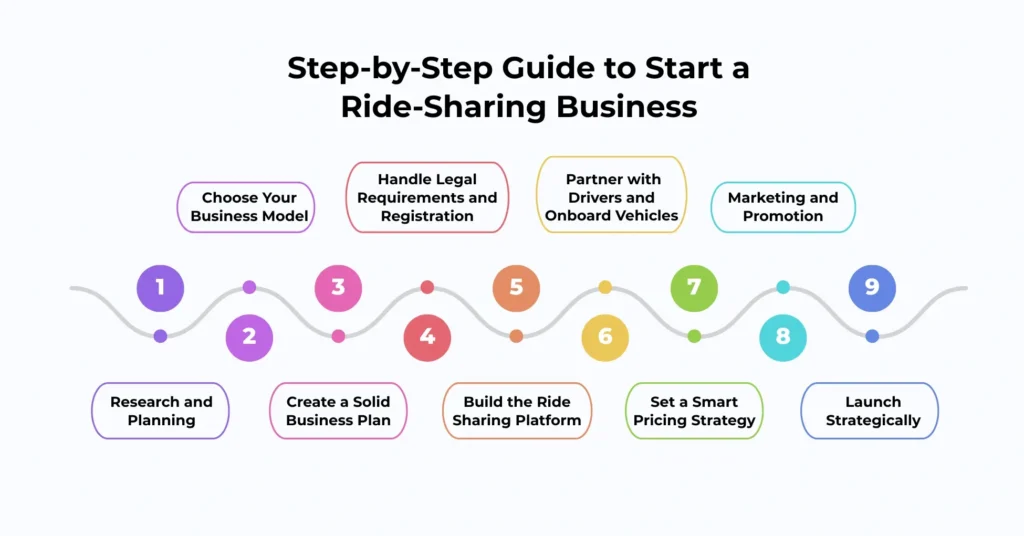
1. Research and Planning
Before launching anything, understand your market thoroughly. Start by studying the ride-sharing market in your target city. Identify existing competitors, analyze their strengths and weaknesses, and look for service gaps. This helps you find opportunities to stand out instead of copying what already exists.
Ask yourself:
- Do busy professionals need reliable daily commuting options?
- Are students looking for affordable transportation?
- Are there underserved areas with limited ride availability?
The better you understand your audience, the more effectively you can design a service that truly solves their problems.
2. Choose Your Business Model
Decide how your platform will operate. Will you take a commission from each ride? Offer subscriptions to drivers? Own a fleet or allow drivers to use their own vehicles?
Most startups begin with an aggregator model, where independent drivers use their own cars, and you earn a percentage from each trip. Choose a model that matches your budget, long-term vision, and market demand.
3. Create a Business Plan
After researching the market, build a clear business plan. A strong business plan keeps you focused and helps guide your financial decisions.
Your plan should include:
- Business goals
- Target audience
- Revenue model
- Marketing strategy
- Startup and operational costs
- Financial projections
4. Handle Legal Requirements and Registration
Register your business in accordance with local laws. Obtain the necessary transport permits, insurance coverage, and driver compliance documentation. Clear legal groundwork builds trust and prevents costly issues later.
5. Build the Ride-Sharing Platform
Your app is the core of your business. It should include:
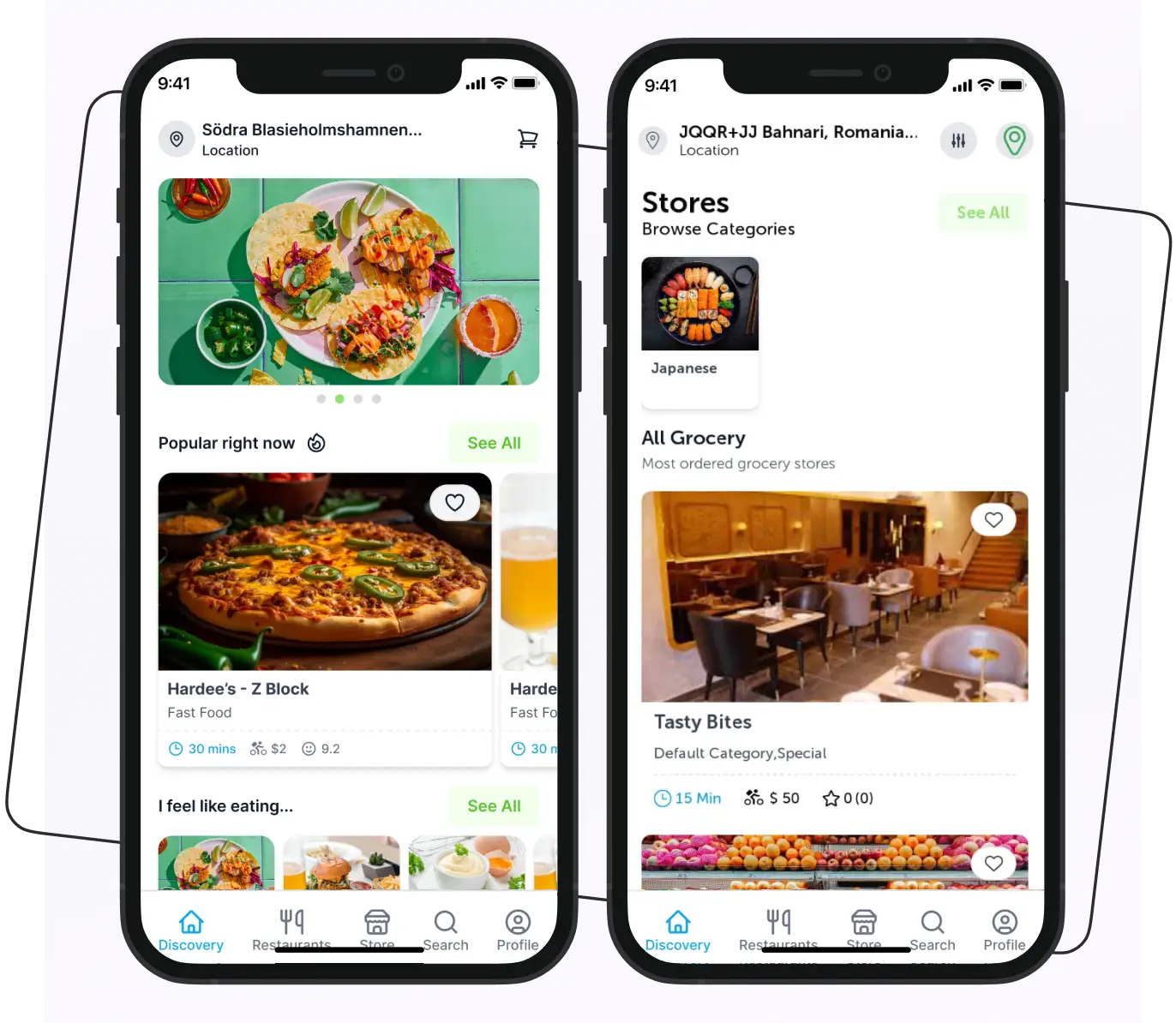
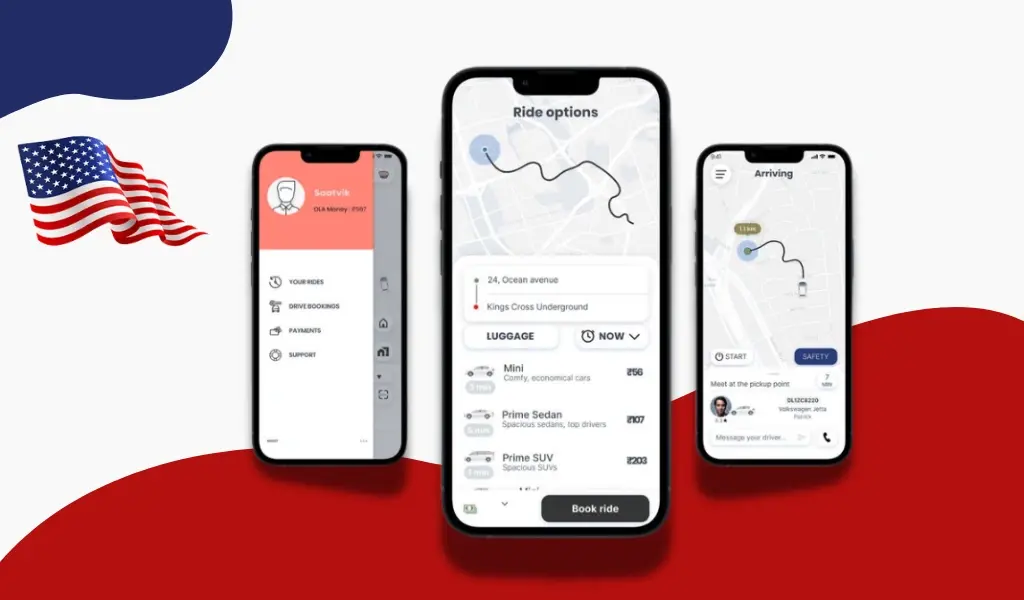
- Rider app
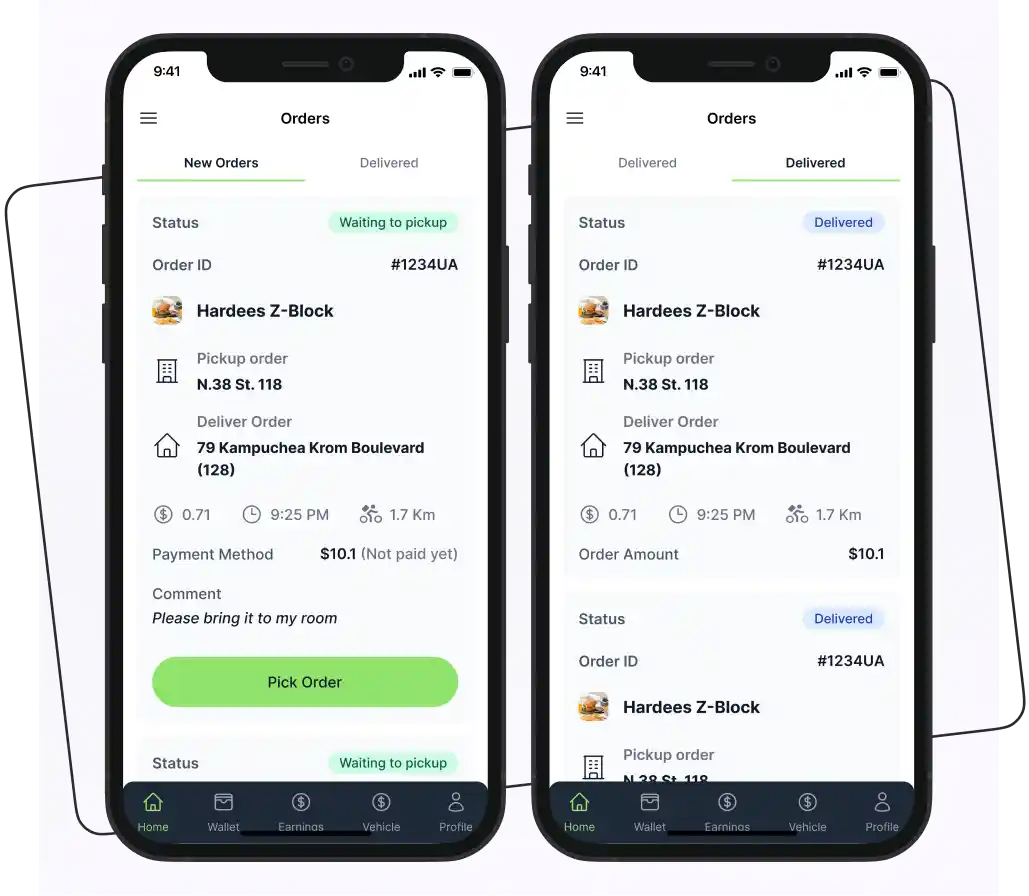
- Driver app
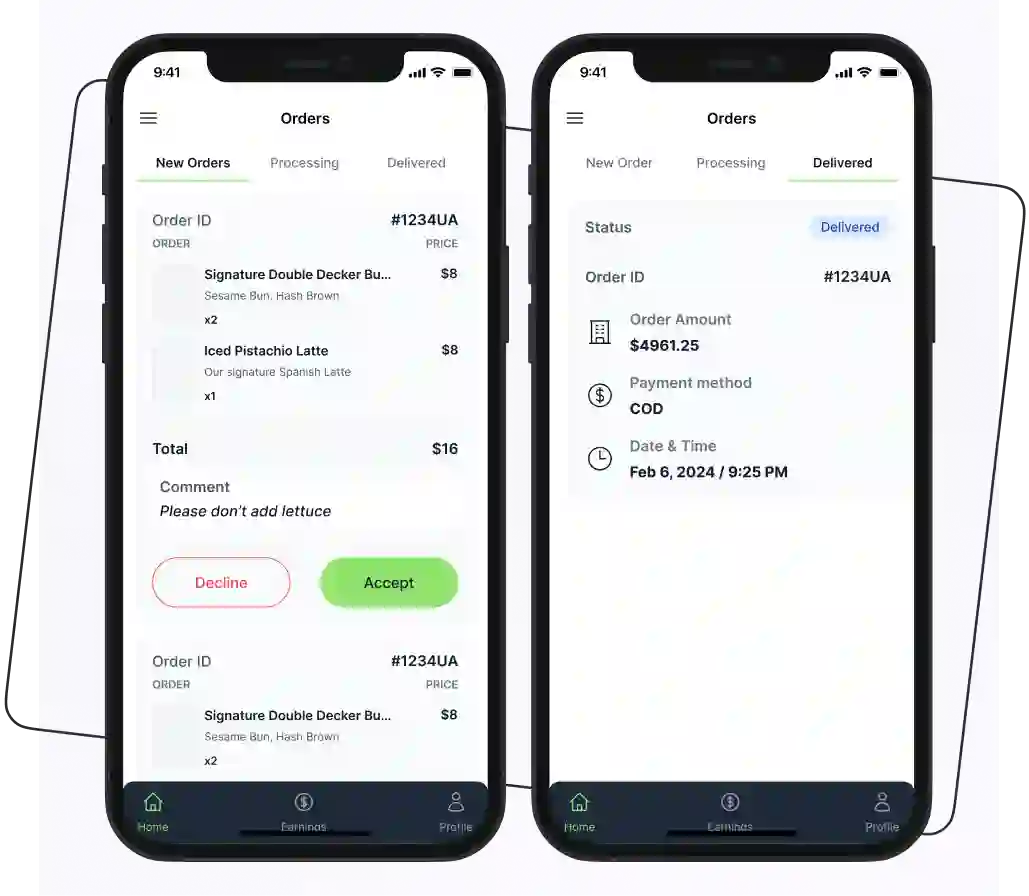
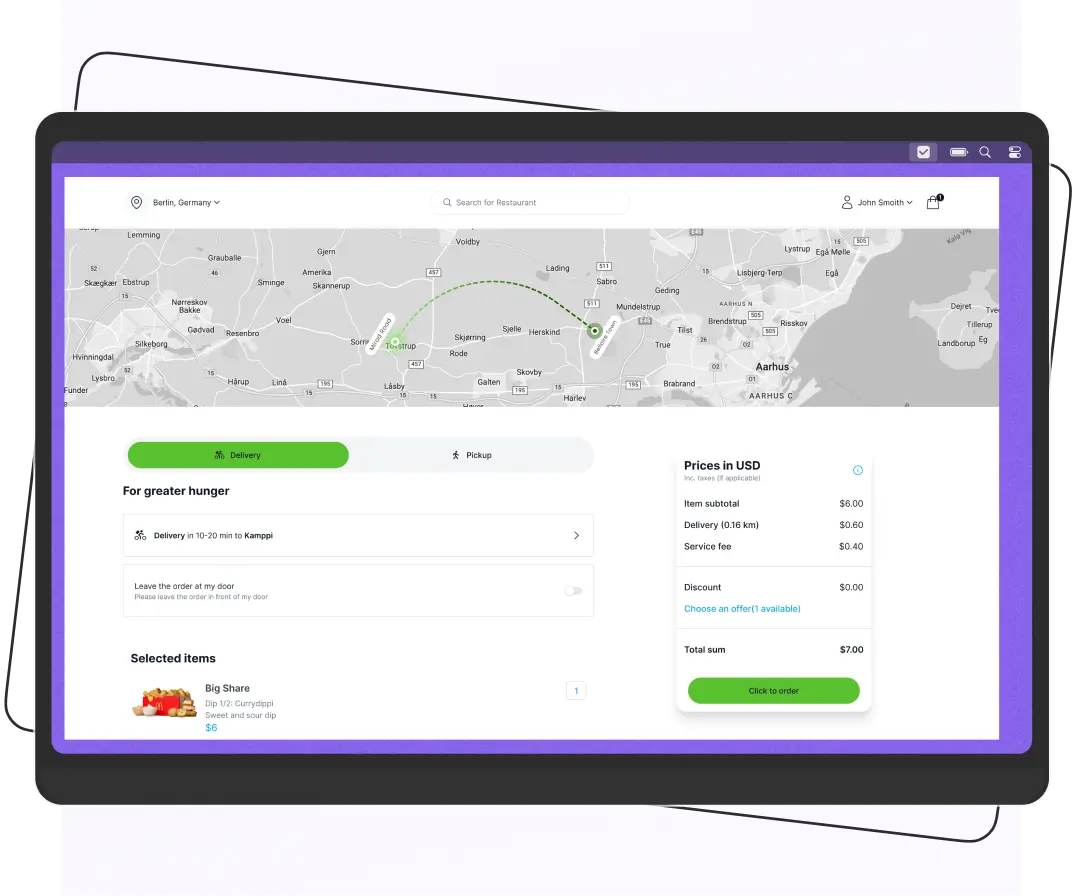
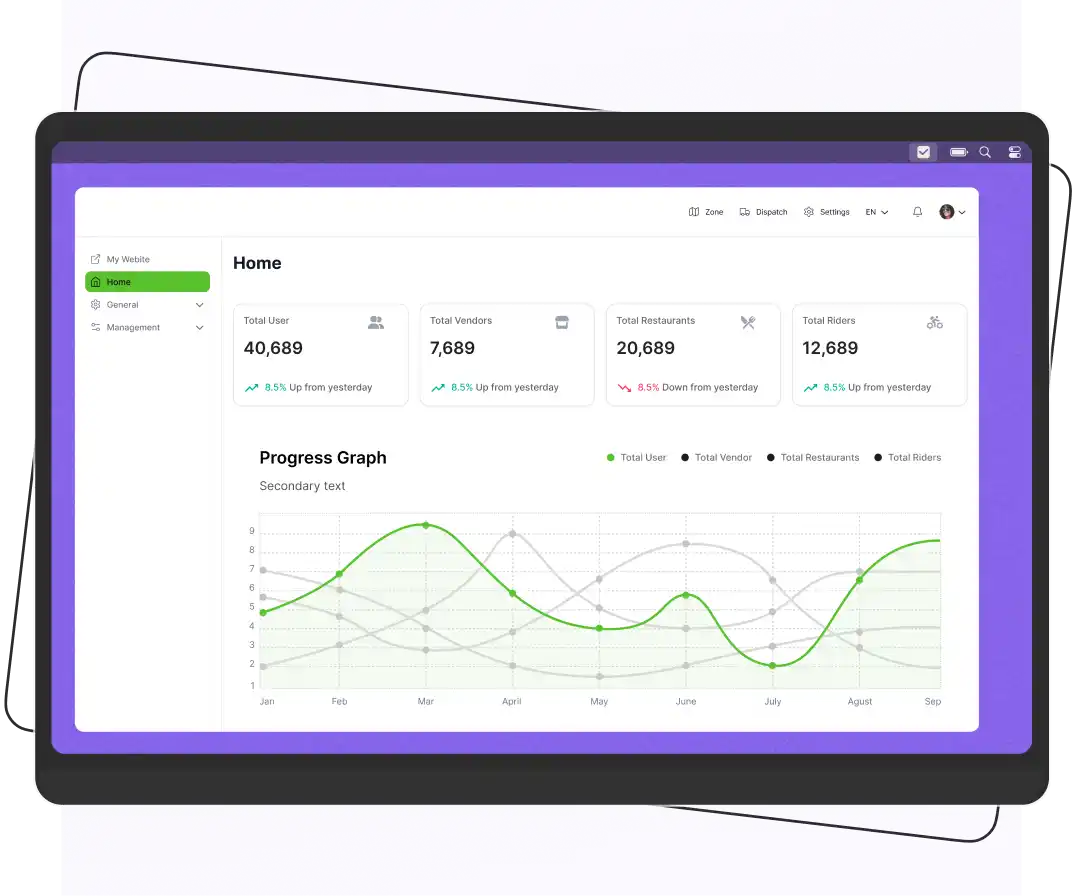
- Admin dashboard
- GPS tracking
- Fare calculation
- Secure payment system
The platform must be user-friendly, fast, and reliable. A smooth technical experience builds long-term customer loyalty.
6. Partner with Drivers and Onboard Vehicles
Start locally. Promote driver sign-ups through online ads, local communities, fuel stations, or airport areas. Make the onboarding process simple and guided. Driver background checks and insurance verification are necessary; ensure drivers feel supported throughout the process.
You don’t need to own vehicles, but you must maintain quality standards. Encourage clean cars, safe driving practices, and regular vehicle checks. Even small quality measures greatly impact rider trust.
Most importantly, treat drivers with respect. Pay them on time, communicate clearly, and provide support when needed. Happy drivers often become loyal long-term partners.
7. Set a Smart Pricing Strategy
Set fares too high, and customers may stick to traditional taxis. Set them too low, and you risk financial losses. Study local rates and position your pricing strategically.
You might:
- Offer competitive launch pricing
- Provide promo codes or discounts
- Introduce referral rewards
- Use demand-based pricing during peak hours
8. Marketing and Promotion
Marketing helps people discover your service. You can use a mix of strategies, such as:
- Social media campaigns
- Local advertising
- Referral programs
- Introductory ride discounts
Word of mouth is powerful, especially in the early stages. Small incentives, such as a free first ride or student discounts, can quickly build your initial user base.
9. Launch Strategically
Start in a specific area where you can maintain strong driver coverage and reliable service. Make sure your branding is visible, your app runs smoothly, and your pricing is clear.
A successful launch is not just about going live; it’s about delivering a great first experience. If riders find the app easy to use, prices fair, and drivers reliable, they’ll return.
Top 10 Features to Include in Your Ride-Sharing App
Including the right features in a car booking app helps you make your app attractive and keep your users happy.
Look at some features that you should include in your ridesharing platform.
Rider App Features
- Easy sign-up/login
- Ride booking and scheduling
- Real-time GPS tracking
- Multiple payment options
- Fare estimation
- Ratings and reviews
- Push notifications
Driver App Features
- Driver registration and verification
- Ride request notifications
- Navigation and route optimization
- Earnings dashboard
- Ratings and feedback
Admin Panel Features
- User and driver management
- Ride and revenue tracking
- Pricing and surge management
- Analytics and reports
- Support and dispute resolution
Optional Advanced Features
- In-app chat/call
- SOS/emergency button
- Loyalty and rewards programs
- Car selection options
- AI-based ride matching
Cost to Start a Ride-Sharing Business
The cost of launching a ride-sharing business can vary widely depending on scale and approach. A small, independent operation in a local area starts around $10,000 to $50,000, while building a full-scale app-based platform like Uber can range from $25,000 to $150,000+ for custom software development.
Here are some rough estimated startup costs.
Vehicle and Equipment
- $10,000 – $25,000+ for a reliable, compliant used car
- Essential gear such as GPS devices, car chargers, and branding materials
Insurance
- $150 – $300+ per month for commercial rideshare coverage
- Ensures driver and passenger protection, a must for legal compliance
Licensing and Legal Fees
- $250 – $10,000+, depending on city or state requirements
- Covers business registration, Transportation Network Company (TNC) licenses, and permits
Technology / App Development
- $7,000+ for ready-made, white-label apps
- $25,000 – $250,000+ for fully custom, proprietary platforms with rider, driver, and admin dashboards
Operating Buffer
- $8,000 – $15,000 for initial working capital
- Covers fuel, maintenance, marketing, and day-to-day expenses during the first few months
With careful planning and budgeting, even small-scale ride-sharing startups can get on the road without breaking the bank. Larger app-based platforms require a bigger investment but offer higher scalability and long-term growth potential.
Challenges in Starting a Ride-Sharing Business
Below are some challenges that are associated with starting a ride-sharing business.
| Challenge | Description | Impact on Business |
| High Competition | Established players like Uber, Lyft, and regional apps dominate the market. | New entrants must find unique niches or superior services to attract riders. |
| Regulatory and Legal Hurdles | Licensing, permits, and local transportation laws vary by city/country. | Non-compliance can lead to fines, legal issues, or suspension of operations. |
| Driver Recruitment and Retention | Finding reliable, vetted drivers and keeping them motivated is tough. | A shortage of drivers affects service quality and customer satisfaction. |
| Customer Acquisition Costs | Marketing to attract new riders can be expensive, especially in saturated markets. | High costs reduce early profitability and slow growth. |
| Pricing and Profitability | Balancing competitive fares with operational costs is tricky. | Incorrect pricing can drive customers away or destroy margins. |
| Market Saturation in Urban Areas | Large cities may already have multiple ride-sharing options. | Entering without differentiation makes it hard to capture users. |
Tips to Compete With Uber-Like Apps
Here are some tips to help you compete with Uber-like apps.
- Focus on specific groups of people who need special services, like women-only rides, office commuters, or airport transfers. This helps you stand out from big apps.
- Give your drivers good pay, flexible schedules, and rewards for their performance. Happy drivers stay longer and provide better service.
- Make sure rides are on time, cars are clean, and support is quick and helpful. Adding safety features like SOS buttons builds trust.
- Keep your prices fair, offer discounts for first-time riders, referral bonuses, or loyalty rewards to attract and keep customers.
- Connect with your community, partner with local businesses, schools, or events, and use social media to let people know about your service.
FAQs
Building a custom rideshare app usually costs between $50,000 and $250,000+, depending on features and complexity. A simpler, basic version (MVP) can cost $10,000 to $40,000.
Ridesharing is usually more expensive than owning a personal car, especially a used one. Studies show it can cost almost twice as much per year compared to driving your own vehicle.
It may only be cheaper for people who use transport very occasionally or live in cities where owning a car is extremely expensive due to high parking fees or insurance costs.
Supercharge your deliveries with Enatega.
Launch NowConclusion
The ride-sharing industry is moving fast. However, there’s still room for new and customer-focused players. Starting your own platform is more than just an app; it’s about connecting people and creating a business that grows with every ride.
By understanding your market, building a reliable platform, and valuing both drivers and riders, you can make a name in a growing ride-sharing industry. The journey may have challenges, but with the right strategy, your ride-sharing business can grow.
To make this process easier and avoid common pitfalls, consult Enatega. Our experts can build a custom app that attracts more customers and increases your revenue.
Book a free demo with us today and start your ride-sharing business hassle-free.
About the author

Hudaibia Khalid is a senior content writer with several years of experience in creating clear and easy-to-understand content. Over the years, she has worked closely with startups, restaurants, and entrepreneurs, helping them simplify complex digital and technical topics into actionable insights.
Her expertise lies in writing about on-demand platforms, food delivery solutions, and business growth strategies in a way that is accessible even to non-technical readers. With her experience in the industry, she focuses on guiding businesses step by step, from understanding ideas to turning them into fully working solutions.
SHARE






 IOS
IOS Android
 Web
Web