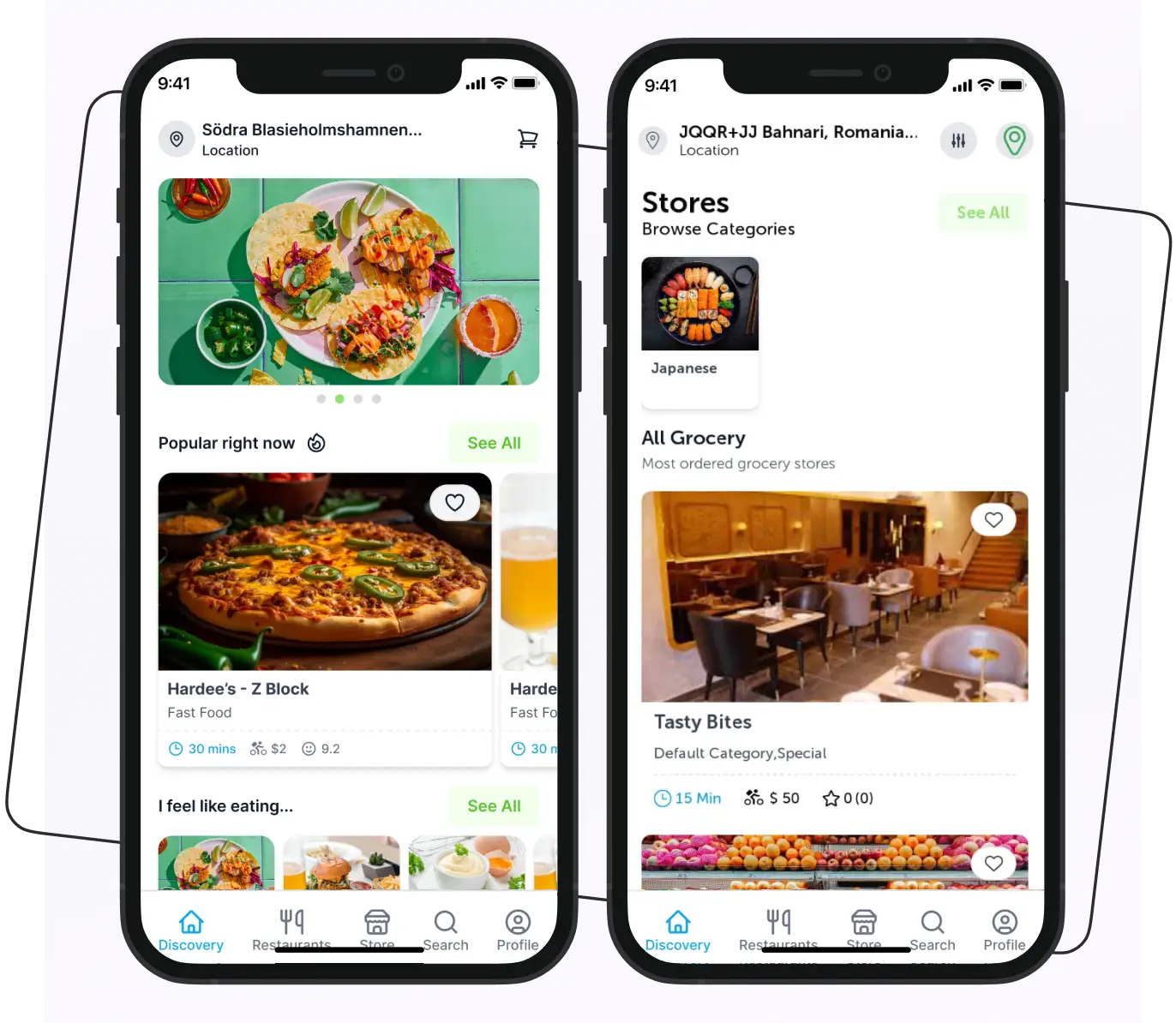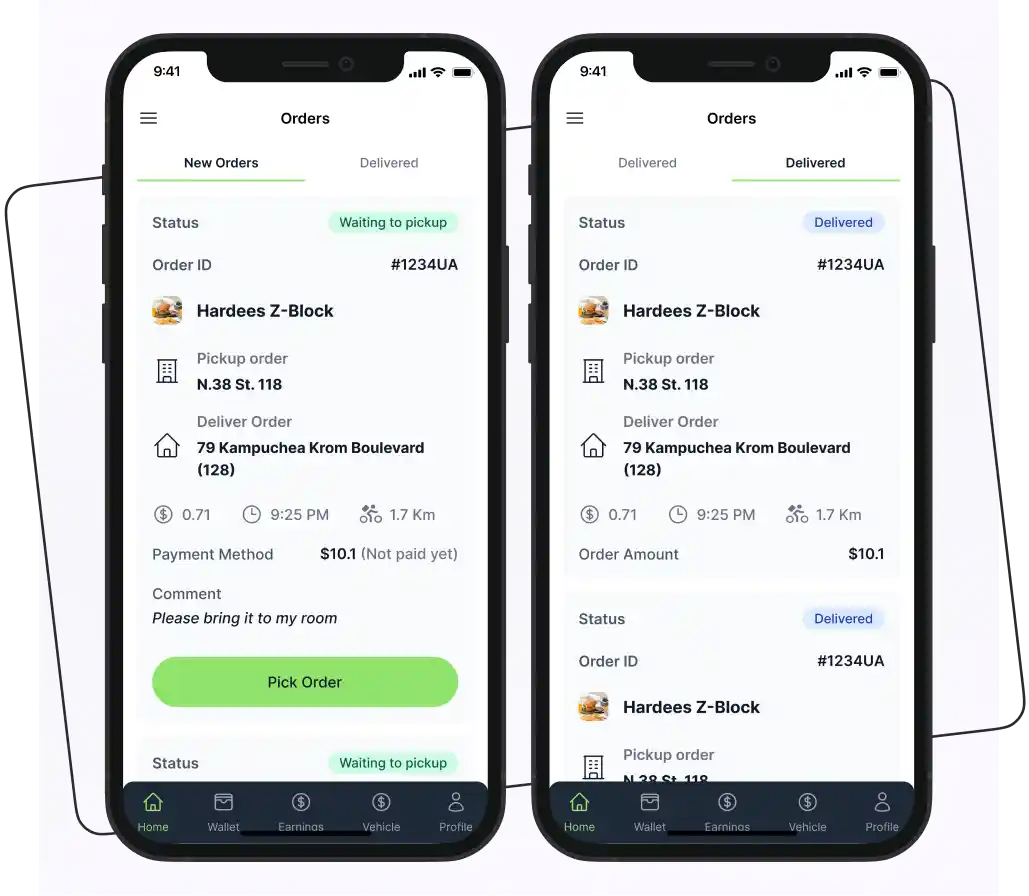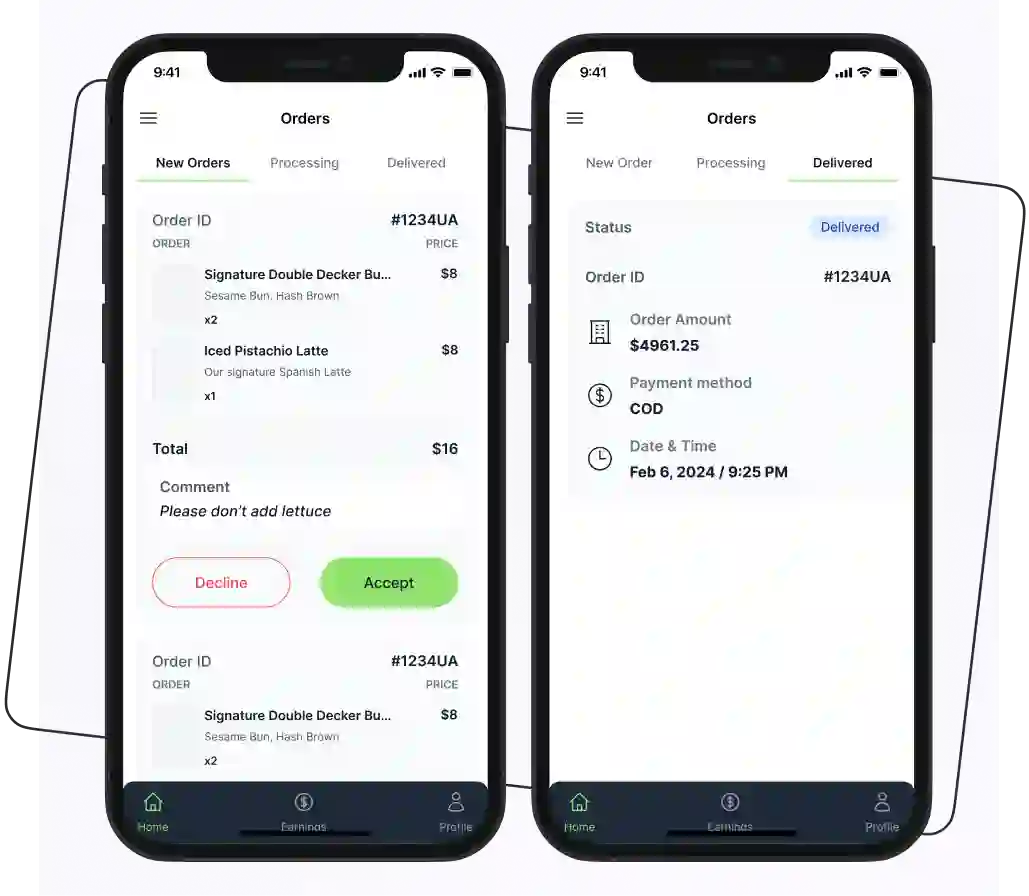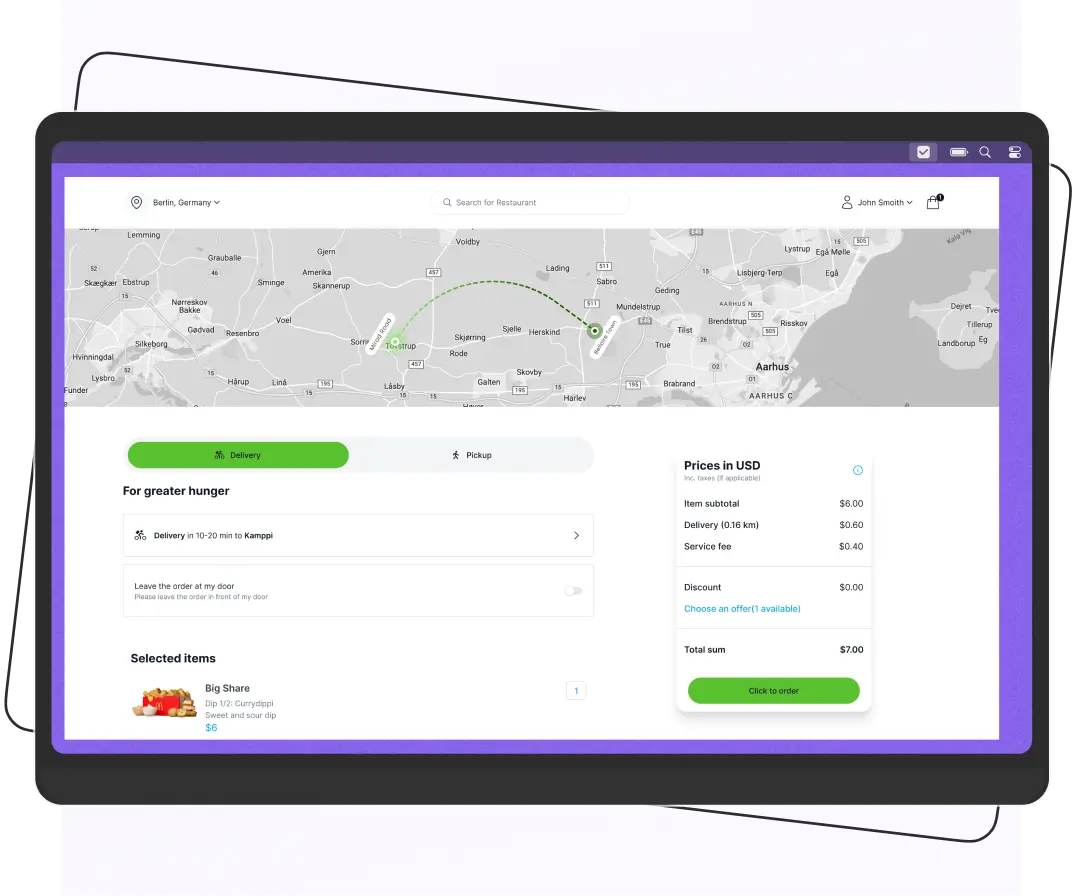


A medicine delivery app lets users order prescription and over-the-counter medicines online, upload prescriptions, make secure payments, and track deliveries in real time. Building one requires features like inventory management, payment integration, regulatory compliance (HIPAA/GDPR), and a scalable technology stack.
Due to the arrival of on-demand apps, businesses have changed how they do business and interact with their customers. Medicine delivery apps are redefining ease of use and effectiveness. Customers can get their medicines to their doorstep at any time and from anywhere using the medicine delivery app.
The online pharmacy sector is expanding significantly globally and is expected to continue growing in the coming years.
So, if you are interested in developing your medicine delivery app, this blog has all the information from building to launching it.
Global Online Pharmacy Market Growth
- According to Statista, the online pharmacy market revenue will reach USD 82.42 billion in 2024.
- The online pharmacy market is expected to reach $107.53 billion by the end of 2025, according to Global Newswire.
- Global Market Insights Inc. (2023) expects the e-pharmacy market to exceed USD 206 billion by 2028.
- Based on a recent analysis, the prescription delivery service market is expected to reach USD 287.9 million by 2034, from its present valuation of USD 165.4 million in 2024.
What is a Medicine Delivery App and How Does it Work?
The medicine delivery app is a mobile app that enables customers to place online orders for prescribed medicines and get them delivered from the nearest pharmacy to their doorstep. It provides convenience to users to get the medicines they need without the need to visit a physical pharmacy.
Additionally, individuals looking for opportunities in this field can explore a medical delivery driver job on Jooble, where various listings for delivery professionals are available.
On-demand pharmacy delivery provides the ability to schedule consultations, online lab test booking, and a broader range of services that are not possible by going to a local pharmacy.
According to Global Market Insights Inc., by 2032, the pharmaceutical drug delivery market is expected to reach USD 3.2 trillion.
Based on a recent analysis, the prescription delivery service market is expected to reach USD 287.9 million by 2034, from its present valuation of USD 165.4 million in 2024.
Workflow of Medicine Delivery App
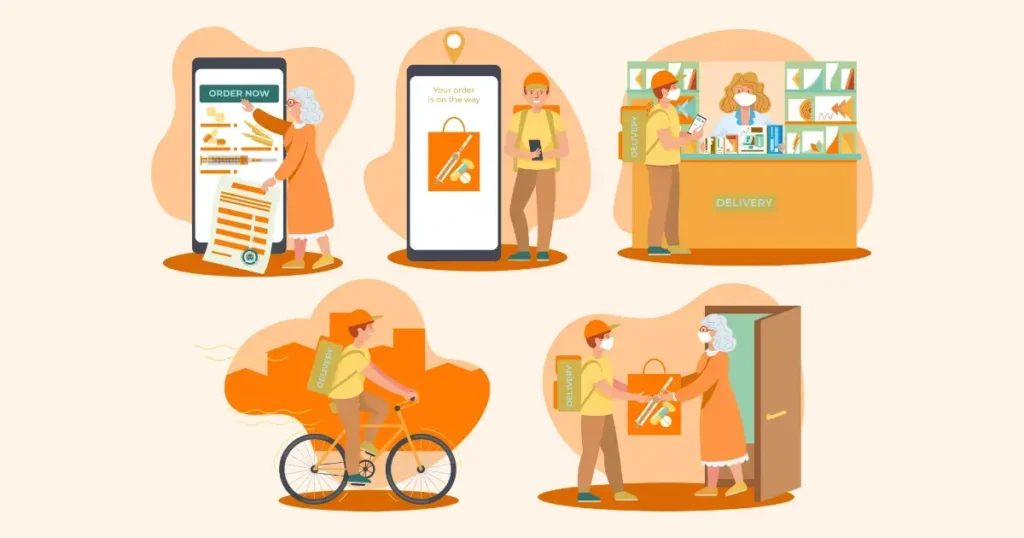
The workflow of the medicine delivery app involves some steps that are given below.
- Download the app on your mobile phone.
- Create an account and provide the necessary details.
- Search for medications.
- Add the required medicines to your cart.
- Confirm the order and select the payment method.
- When the order is confirmed, the nearest pharmacy receives the order.
- The pharmacy prepares and packages the order. After that, the pharmacy assigns the order to the nearest rider.
- The rider picks up the order and delivers it to the given address.
- Users can also track their orders in real-time.
- After receiving the order, users can provide feedback.
Revenue Models for a Medicine Delivery App
Choosing the right revenue model is essential for building a profitable medicine delivery business. Most successful medicine delivery apps generate revenue through a combination of the following models rather than relying on a single source.
| Revenue Model | How It Works |
| Delivery Fees | Customers pay a fixed or distance-based delivery charge for each order. Express or same-day deliveries often include premium fees. |
| Commission from Pharmacies | The platform earns a percentage ( 10–20%) from every order placed through partner pharmacies. |
| Subscription Plans | Customers pay a monthly or annual subscription fee to receive benefits such as free delivery, exclusive discounts, refill reminders, or priority support. |
| Advertising and Sponsored Listings | Partner pharmacies, healthcare brands, or pharmaceutical companies pay to promote their products or services within the app. |
| Affiliate Partnerships | The app earns referral commissions by connecting users with diagnostic labs, telemedicine providers, health insurance companies, or wellness services. |
Which Revenue Model Works Best?
Most leading medicine delivery apps rely on a hybrid monetization strategy to maximize profitability and reduce dependence on a single income source.
For example, platforms like PharmEasy, CVS Pharmacy, and Amazon Pharmacy generate revenue through a combination of pharmacy commissions, delivery charges, subscription programs, and strategic healthcare partnerships.
Selecting the right mix depends on your target audience, business model, and long-term growth objectives.
Online Medicine Delivery App vs Traditional Pharmacy
Here are the main differences between a medicine delivery app and a traditional pharmacy.
| Aspect | Medicine Delivery App | Traditional Pharmacy |
| Convenience | Order medicines anytime, anywhere via smartphone | Requires a physical visit during store hours |
| Accessibility | Accessible for remote areas, the elderly, or immobile users | Limited to nearby locations |
| Operating Hours | 24/7 access (depending on app and delivery slots) | Limited to business hours |
| Privacy | High privacy; users can discreetly order medications | Less privacy; in-person interaction |
| Time Efficiency | Saves travel and waiting time | May involve long queues and wait times |
| Medication Availability | Wide product range with real-time inventory | Limited to in-store stock |
| Price Transparency | Easy price comparison across suppliers | Prices may vary and are often non-transparent |
| Prescription Upload | Digital upload and doctor verification | Requires physical prescription or manual verification |
| Promotions and Discounts | Apps often provide personalized offers and coupons | Limited in-store discounts |
| Immediate Access | No – delivery takes time (usually same/next day) | Yes – immediate access after purchase |
| Delivery Charges | May apply depending on order value | No delivery, so no extra charges |
| Return/Refund Process | Subject to app policies, it can take time | Instant resolution is possible in person |
Supercharge your deliveries with Enatega.
Register NowKey Features of a Medicine Delivery App
One of the best ways to make your app stand out is to add those features that make your app unique and useful. Some important must-have features in a medicine delivery app are mentioned below.
| Features | Description |
| Catalog of Medicines | One of the main features of the medicine delivery app is the catalog. A catalog with a wide range of products is an essential component for meeting various user needs. |
| Advanced Search | This feature makes it easy for users to search for specific medications or healthcare products. It quickens up the user’s decision-making process. |
| Real-Time Order Tracking | Real-time order tracking increases transparency and helps users know the status of their order. This feature helps businesses to build trust and reduce the anxiety of users waiting for their orders. |
| Inventory Management | This feature of the medicine delivery app helps businesses to avoid delays and prevent shortages. Inventory is monitored in real-time, which enables proactive replenishment to avoid service delays and guarantee supply chain management success. To guarantee effective handling of their inventory, app owners should implement technological solutions like automated inventory alerts and RFID tagging. |
| Multiple Payment Methods | Multiple payment gateways provide customers with different payment options. It increases user convenience and conversion rates. |
| Online/Offline Accessibility | Online/offline enables medicine delivery businesses to operate in a more efficient and accessible manner. |
| Offers/Discounts | Offering discounts, promotions, and loyalty awards increases user participation and promotes brand loyalty. Owners of apps can use purchase history and user preferences to personalize offers and increase their customer base. |
| Order History | The detailed order history enables users to view the history of orders, invoices, and receipts of purchased medicines. This feature increases transparency and saves users time in placing the same order again. |
| Order Scheduling | Online platforms allow customers to easily order and schedule medicine deliveries from the comfort of their homes or offices, improving convenience and accessibility. |
| Multilingual | Providing several language options helps on-demand pharmacy delivery app owners widen accessibility and target different audiences hassle-free. |
| Multi-currency Support | The medicine delivery app should support various currencies that make international transactions easy. Offering currency conversion and showing prices in users’ desired currency makes the buying process seamless and eliminates friction for international users. |
Regulatory Compliance Requirements for Medicine Delivery Apps
Building a medicine delivery app involves much more than developing user-friendly features. Since these apps handle sensitive health information and prescription medications, they must comply with:
- Healthcare regulations
- Data privacy laws
- Pharmacy licensing requirements
Failing to meet these standards can lead to legal penalties and financial losses.
HIPAA Compliance (United States)
If your medicine delivery app operates in the United States or handles Protected Health Information (PHI), it should comply with the Health Insurance Portability and Accountability Act (HIPAA). HIPAA requires businesses to protect patient information through:
- End-to-end data encryption
- Secure user authentication and role-based access
- Audit logs and activity tracking
- Secure cloud storage
- Regular security risk assessments
HIPAA compliance helps ensure that patient medical records and prescription data remain confidential and protected from unauthorized access.
GDPR Compliance (European Union)
For apps serving customers in the European Union, compliance with the General Data Protection Regulation (GDPR) is mandatory. GDPR gives users greater control over their personal data and requires businesses to:
- Obtain explicit consent before collecting personal information
- Clearly explain how user data is collected and used
- Allow users to access, update, or delete their personal data
- Report data breaches within the required timeframe
- Store and process personal data securely
FDA Guidelines for Digital Health
The U.S. Food and Drug Administration (FDA) does not regulate every medicine delivery app. Apps offering clinical decision support, medication management, or integrated medical device functionality may fall under FDA guidance.
Before launching advanced healthcare features, businesses should determine whether their application qualifies as a regulated digital health product.
NABP Verification
In the United States, online pharmacies should comply with standards established by the National Association of Boards of Pharmacy (NABP). Working with NABP-accredited pharmacies helps ensure that prescriptions are dispensed legally and that medications come from licensed sources, increasing customer trust and reducing regulatory risks.
Pharmacy Licensing Requirements
Medicine delivery platforms should only partner with licensed pharmacies that comply with local healthcare regulations. Licensing requirements vary by country and state, but businesses generally need to verify:
- Pharmacy licenses
- Pharmacist credentials
- Prescription dispensing authorization
- Local medicine delivery regulations
Operating without proper licensing can result in legal action and business restrictions.
Prescription Verification
A medicine delivery app should include a secure prescription verification process before dispensing prescription-only medications. Common verification methods include:
- Prescription upload through the app
- Verification by a licensed pharmacist
- Electronic prescription (ePrescription) integration
- Identity verification to prevent fraud
Controlled Drug Regulations
Many countries impose strict rules on the sale and delivery of controlled substances. Medicine delivery apps should implement safeguards such as:
- Identity verification
- Prescription validation
- Quantity limits
- Delivery confirmation with proof of identity
- Comprehensive audit trails
These measures help prevent misuse, diversion, and unauthorized distribution of controlled medications.
Patient Consent and Data Privacy
Medicine delivery apps collect sensitive medical and personal information; obtaining clear patient consent is essential. Users should be informed about:
- What information is collected
- Why the data is collected
- How it will be stored and shared
- Their rights to access, modify, or delete their information
Providing transparent privacy policies and obtaining explicit consent not only helps meet legal requirements but also builds long-term user trust.
How to Build a Medicine Delivery App in 8 Steps
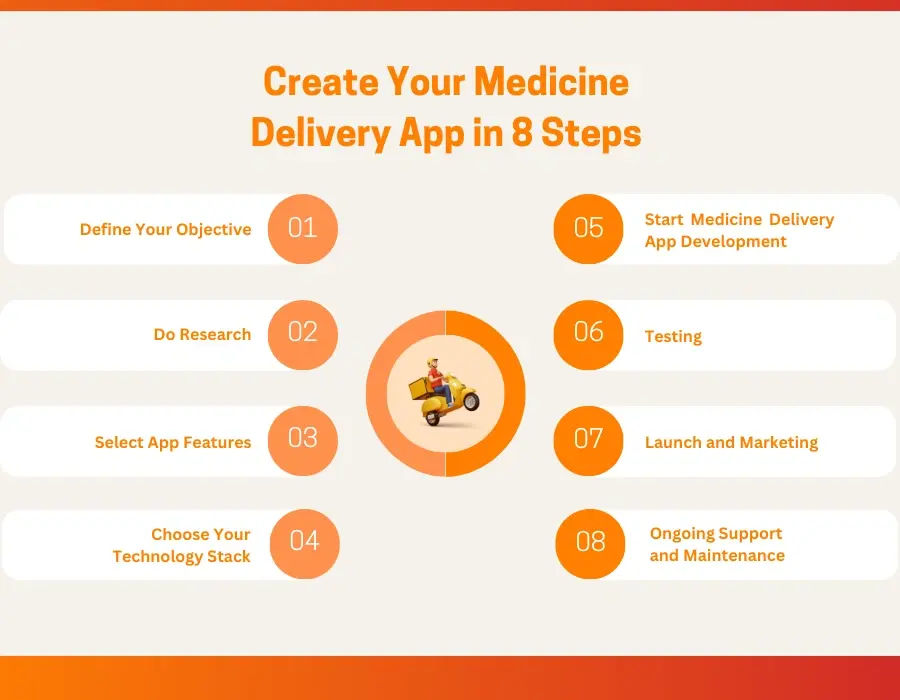
Building a medicine delivery app involves eight core stages.
1. Define Your Objective
Begin by clearly outlining the objective of your medicine delivery app. Are you aiming to provide a convenient way for users to order medications, or do you want to integrate features like prescription uploads or health consultations? Having a well-defined purpose will guide you and help you focus on the needs of your target audience.
2. Do Research
Conduct thorough market research to understand the market for medicine delivery services. Analyze competitors, identify gaps in their offerings, and gather information on user preferences. This research will help you pinpoint what works well and what doesn’t, allowing you to tailor your app to meet specific user needs and expectations.
3. Select App Features
Based on your research, compile a list of essential features for your medicine delivery software. Incorporate common features in your app like user registration, medication search, order tracking, payment integration, prescription uploads, and customer support. Prioritize these features according to importance and feasibility, ensuring that the app is functional and user-friendly.
4. Choose Your Technology Stack
Select the appropriate technology stack for your online medical delivery app development. You might choose a combination of programming languages, frameworks, and databases to build a strong backend and an appealing front end. This decision is crucial as it influences the app’s performance and user experience.
5. Start Medicine Delivery App Development
Begin the development process by creating wireframes and prototypes of your app. This stage involves both backend and frontend development. Collaborate with designers and developers to ensure that the app is intuitive and visually appealing. Regular iterations and feedback sessions will help refine the product and address any issues early on.
6. Testing
Once the online pharmacy delivery app is developed, conduct thorough testing to identify and fix bugs. It’s essential to ensure that the app works perfectly across different devices and operating systems. Gathering feedback from potential users during this phase can provide information for improvements.
7. Launch and Marketing
Prepare for your app launch by developing a marketing strategy to promote it effectively. Use social media, content marketing, and collaborations with healthcare professionals to reach your target audience. Consider launching a beta version to gather initial user feedback before the official release.
8. Ongoing Support and Maintenance
After launching the app, provide ongoing support and regular updates to enhance functionality and security. Monitor user feedback and address any issues promptly. Continuous improvement will help maintain user satisfaction and keep your app competitive in the growing healthcare market.
By following these steps, you can create a successful medicine delivery application that meets user needs and stands out in the marketplace.
Top 5 Medicine Delivery Apps in 2026
Here is a list of top medicine delivery apps that are ruling the pharmacy market.
1. Walgreens
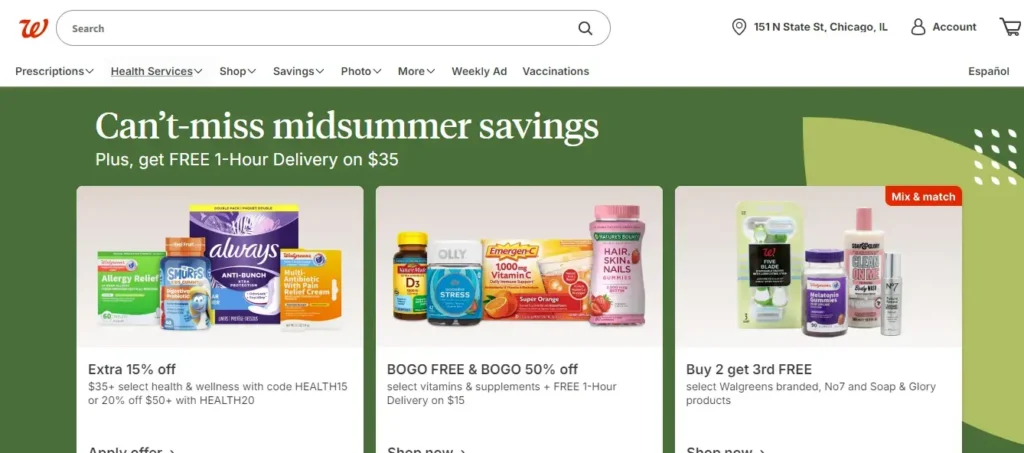
Walgreens is a well-known pharmacy app in the USA that offers convenience to customers. With Walgreens, customers can order prescription medications, healthcare essentials, and over-the-counter drugs for home delivery.
During the busy holiday season, Walgreens same-day prescription delivery is available only in eligible areas and may be fulfilled through delivery partners, not universally.
Features of Walgreens
- Contactless delivery
- Get regular updates on your prescriptions
- Timely delivery
- Pay with wallet
2. PharmEasy
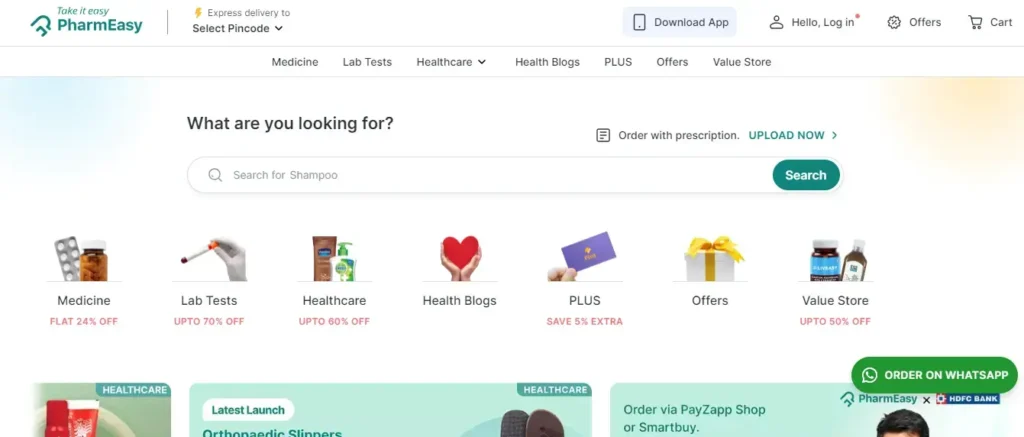
PharmEasy is an online pharmacy and medical app that offers a wide range of healthcare products, medical equipment, and OTC items. The app delivers the items to the customer’s doorstep within 24-48 hours in selected cities.
In addition, the PharmEasy app connects patients and pharmacists with just a few taps on a mobile phone. The app gives discounts of up to 60% on healthcare goods and services.
Features of PharmEasy
- Quick and hassle-free delivery service
- Book a diagnostic test online
- Home sampling collection
- Easy-to-use interface
3. Amazon Pharmacy (PillPack)
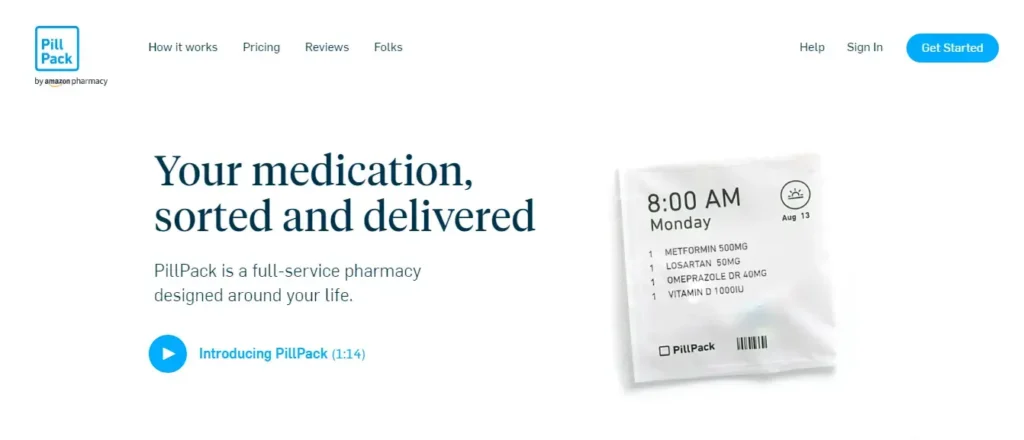
Amazon Pharmacy now handles all new customer sign-ups, with PillPack operating as a feature within it rather than a standalone app for new users (existing PillPack account holders can continue using PillPack.com directly). The PillPack feature sorts medications into date-and-time-labeled packets and is available to Amazon Pharmacy customers taking multiple regular prescriptions.
Features of Amazon Pharmacy / PillPack
- Medication sorting into dated, labeled packets
- 24/7 pharmacist access
- Automatic refills and caregiver-invite feature for managing a family member’s meds
- Same-day delivery in an expanding number of U.S. cities
4. CVS Pharmacy
CVS Pharmacy is a retail pharmacy chain based in the United States. It operates over 7,600 retail pharmacies and MinuteClinic locations across the United States. Their stores are typically located in shopping centers and neighborhoods.
In addition to filling prescriptions, CVS Pharmacy locations offer a range of other healthcare services such as immunizations, health screenings, and medication therapy management. Some locations may also provide services related to a medical certificate.
This popular medicine delivery app in the USA partners with major health insurance providers to accept a wide variety of prescription drug plans.
CVS Pharmacy is considered one of the larger regional pharmacy chains in the United States, competing with national brands like Walgreens and Rite Aid.
Features of CVS Pharmacy
- Same-day delivery
- Offers deals and discounts
- The app is available on Android and iOS
- 24 hours available
5. Capsule Pharmacy
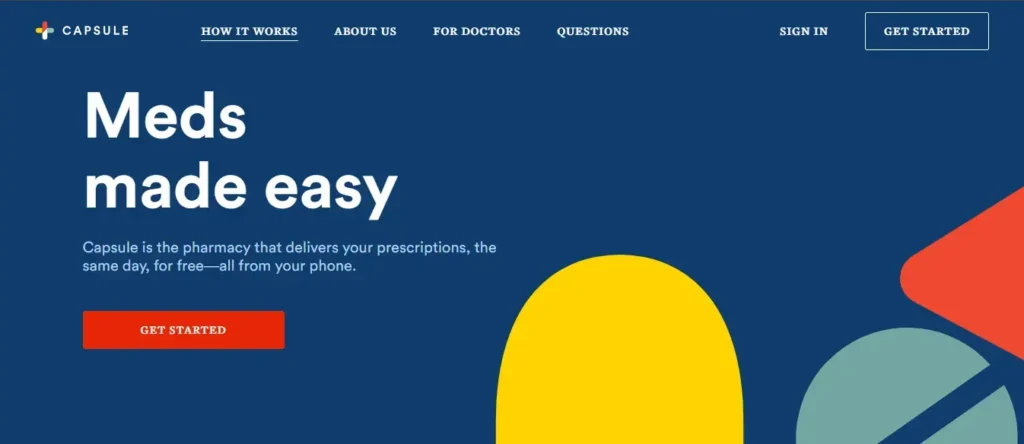
Capsule Pharmacy is a digital pharmacy and healthcare delivery platform that provides same-day prescription delivery and other healthcare services. Customers can order prescriptions and over-the-counter medications through the Capsule mobile app or website. Capsule then delivers the medications the same day for free.
In addition to prescription delivery, Capsule also offers telemedicine consultations with licensed medical providers. The company has expanded its operations to several major US markets beyond New York, including Chicago, Dallas, and Los Angeles.
Features of Capsule Pharmacy
- Chat with a pharmacist available 24/7
- User-friendly interface
- Users can access detailed information about their prescriptions
How Much Does it Cost to Build a Medical App?
Building a medicine delivery app costs between $68,000 and $142,000. The cost to build a medicine delivery app can vary depending on factors such as:
- The complexity of the app’s features
- Number of platforms (iOS, Android, Web)
- Level of integrations required
- Extent of customization and branding
- Team size and experience
- Location and rates of the development team
The table below shows a rough estimate of the medicine delivery app development cost.
| Task | Cost Estimate |
| User Interface Design | $5,000 – $15,000 |
| Backend Development | $20,000 – $40,000 |
| Frontend Development | $15,000 – $30,000 |
| API Integration (Pharmacy, Payment, Logistics) | $10,000 – $20,000 |
| Database Setup and Integration | $5,000 – $10,000 |
| Testing and Quality Assurance | $5,000 – $10,000 |
| Deployment and DevOps | $3,000 – $7,000 |
| Project Management | $5,000 – $10,000 |
| Total | $68,000 – $142,000 |
FAQs
Below is a list of the best medicine delivery apps.
PharmEasy
CVS pharmacy
Walgreens
Amazon Pharmacy
These apps are known for their reliability and wide range of services.
Yes, you can easily get both over-the-counter and prescription medicine delivered using DoorDash. You can order common items like cold and flu medicine, pain relievers, and vitamins directly through the DoorDash app from local pharmacies like CVS, Walgreens, and Rite Aid, as well as convenience stores.
Yes, Uber can deliver prescriptions through its Uber Health service or partnerships with pharmacies. It primarily serves healthcare organizations rather than general consumers. Availability depends on the location and the specific pharmacy’s services.
Yes, Grubhub can deliver medicine through partnerships with certain pharmacies, allowing users to order prescriptions and over-the-counter medications. However, availability depends on pharmacy partnerships and local regulations.
Yes, Instacart can pick up medications from select pharmacies, allowing users to order prescriptions and over-the-counter items for delivery.
The cost of a medical app can vary widely, ranging from free to several thousand dollars, depending on factors like features, complexity, and platform (iOS, Android). Custom-built apps may cost $20,000 to $500,000 or more, while subscription-based models can charge monthly fees ranging from $5 to $100.
Yes, Walgreens partners with DoorDash to offer prescription delivery services in select locations. This allows customers to receive their medications quickly and conveniently.
Yes, online medicine delivery is legal as long as it is done through licensed pharmacies and with a valid prescription when required. However, it’s important to distinguish between legitimate, licensed online pharmacies and those operating illegally.
Below are some steps to help you start your medicine delivery business.
Market research
Create the business plan
Decide on the appropriate legal structure and register your business accordingly
Obtain necessary licenses and permits
Develop a user-friendly app or website
Establish relationships with local pharmacies
Develop a delivery system
Implement strict procedures to protect patient privacy and comply with HIPAA regulations.
Develop a marketing plan
Supercharge your deliveries with Enatega.
Register NowConclusion
The on-demand medicine delivery app makes it simpler for users to get medicines and other healthcare supplies more easily. Pharmacy owners are now investing in building online medicine delivery apps with innovative features and attract a large number of customers.
Furthermore, if you are looking to build an online medicine delivery app of your own, but are confused about how to do it, book a free demo with Enatega. As a leading mobile app development company, we have experts with top-notch skills to create an app that sets you apart from competitors.
So, contact us today and get help from our experts.
About the author

Hudaibia Khalid is a senior content writer with several years of experience in creating clear and easy-to-understand content. Over the years, she has worked closely with startups, restaurants, and entrepreneurs, helping them simplify complex digital and technical topics into actionable insights.
Her expertise lies in writing about on-demand platforms, food delivery solutions, and business growth strategies in a way that is accessible even to non-technical readers. With her experience in the industry, she focuses on guiding businesses step by step, from understanding ideas to turning them into fully working solutions.
SHARE






 IOS
IOS Android
 Web
Web