Get Backend API for Zomato Clone Using React Js
Launch your zomato clone using react js project quickly using the free frontend. The backend API requires a commercial license—schedule a consultation with our sales staff. Resources are included.



Frequently Asked Questions
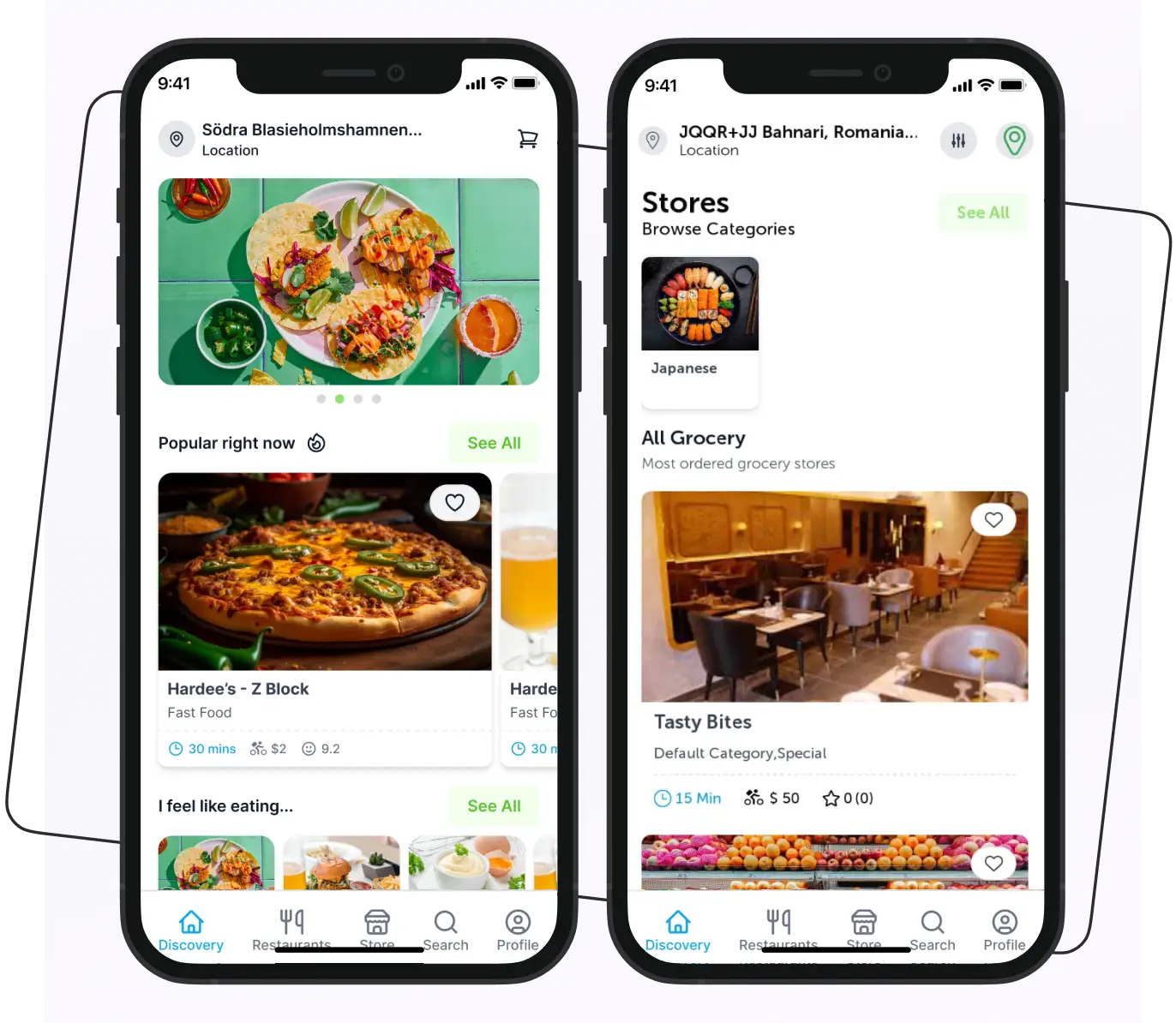
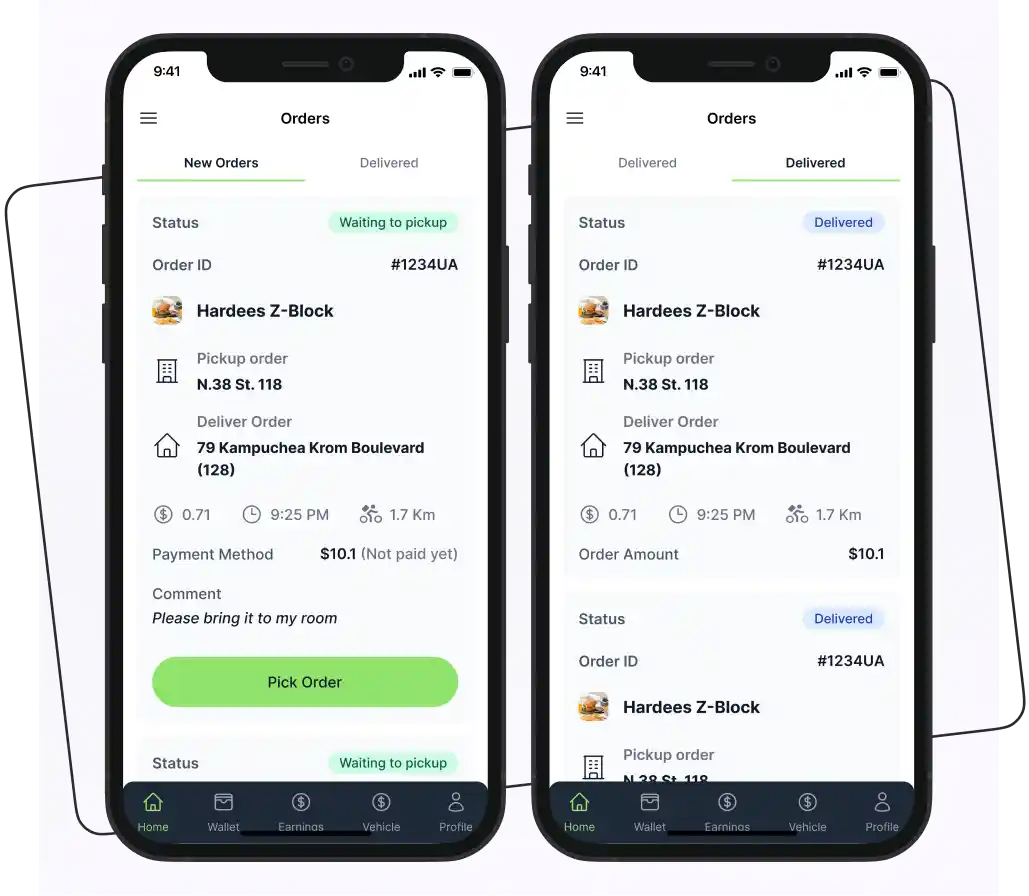
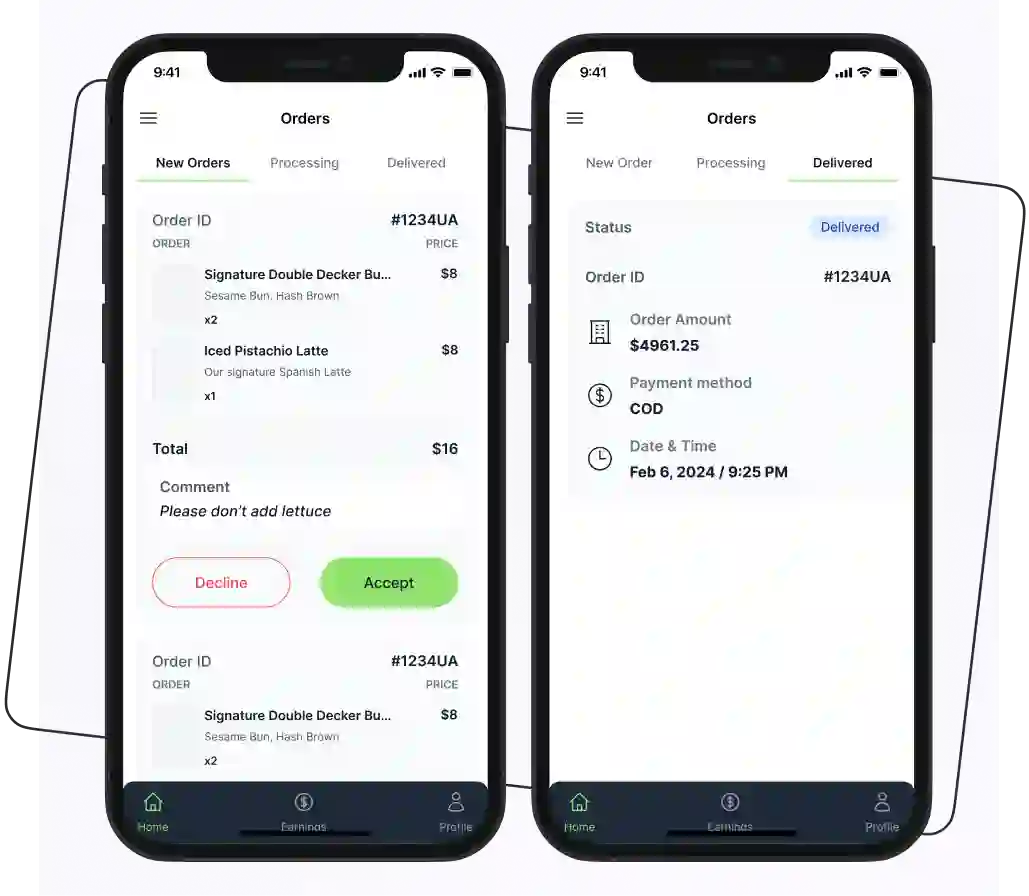
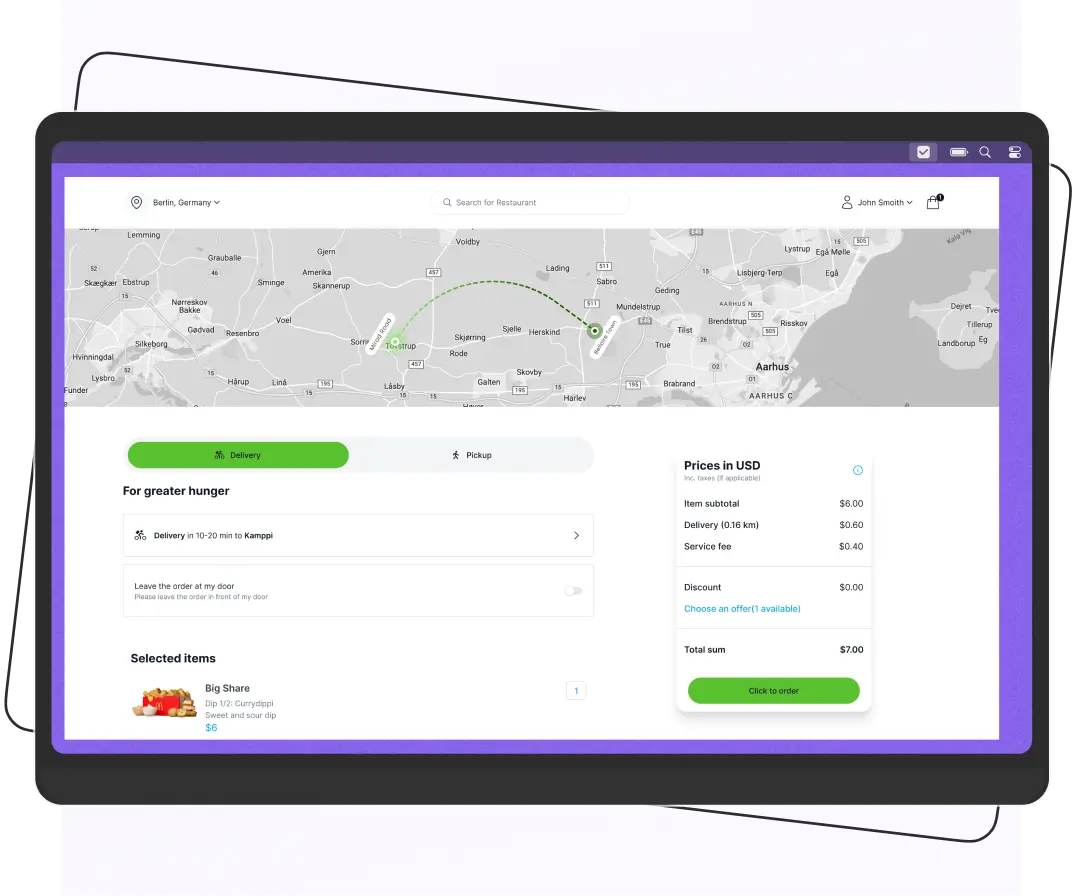
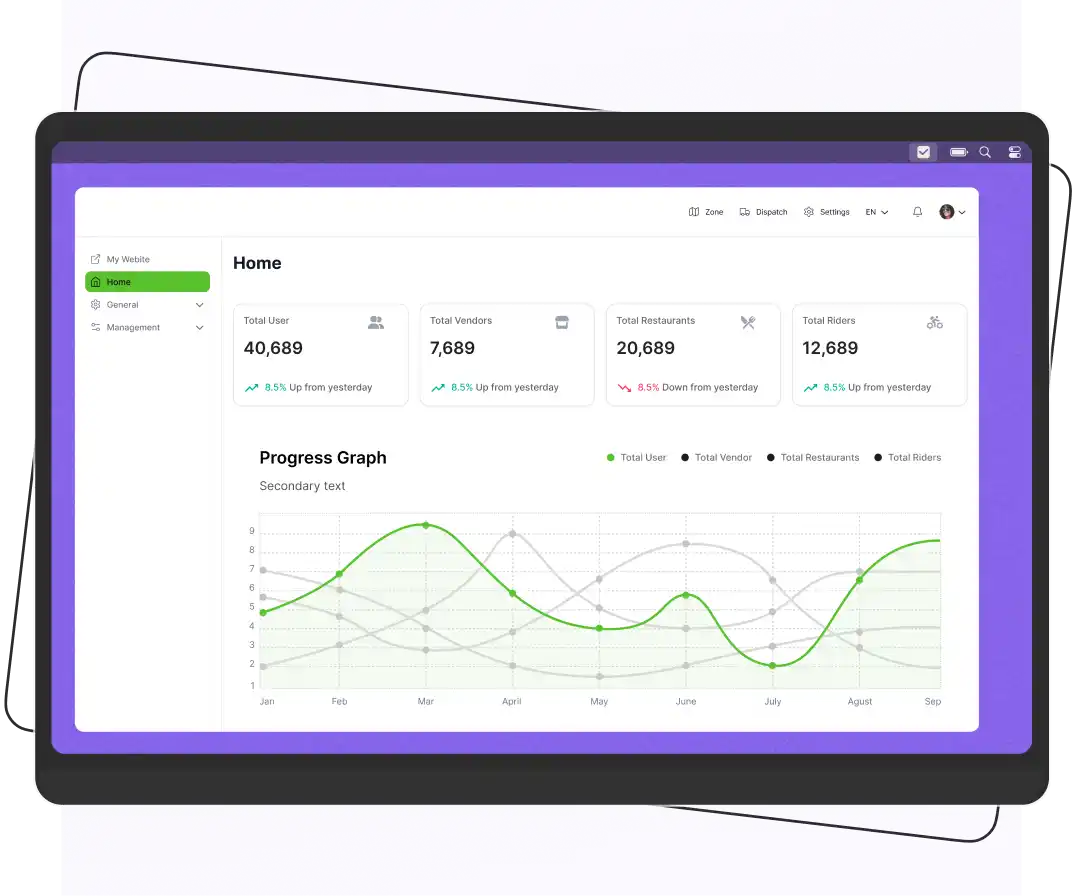
A Zomato-like food delivery app operates through several core components and processes: User Interface: Users can browse restaurants, view menus, and read reviews. The app typically includes features for searching, filtering, and sorting options based on cuisine, ratings, and distance. User Registration and Authentication: Users create accounts to place orders, save favorites, and manage profiles. Authentication can include email/password or social login options. Restaurant Listings: Restaurants register on the platform, providing details such as menus, prices, images, and delivery areas. This information is displayed to users. Order Placement: Users select items from a restaurant's menu, add them to their cart, and proceed to checkout, where they provide delivery details and payment information. Payment Processing: Users can pay via various methods, including credit/debit cards, digital wallets, or cash on delivery. The app securely processes transactions. Order Management: Once an order is placed, it is sent to the restaurant for confirmation. The restaurant prepares the order and notifies the system when it's ready. Delivery Coordination: Delivery personnel (often called delivery agents) are assigned to pick up and deliver orders. The app provides them with navigation and order details. Real-time Tracking: Users can track their orders in real-time, seeing the status (e.g., being prepared, out for delivery) and the delivery agent's location. Ratings and Reviews: After delivery, users can rate their experience and leave reviews for restaurants and delivery personnel, helping future customers make informed choices. Admin Dashboard: Admins manage the platform, overseeing restaurant registrations, user accounts, order histories, and resolving issues.
Building a Zomato clone using React JS offers several benefits: Component-Based Architecture: React’s modular structure allows for reusable components, making it easier to manage and scale the application. High Performance: React’s virtual DOM optimizes rendering, ensuring a smooth user experience even with dynamic updates, such as real-time order tracking. Rich User Interfaces: React’s ability to create dynamic and interactive UIs enhances user engagement, crucial for food ordering apps. Strong Community Support: A large community and extensive libraries/plugins provide resources and solutions, speeding up development. State Management: Libraries like Redux or Context API help manage the app’s state efficiently, crucial for handling user sessions, cart items, and orders. Seamless Integration: Easily integrates with backend services (like Firebase or REST APIs) for real-time data fetching and updates. Mobile-Friendly: React Native allows for developing mobile applications with a similar codebase, maximizing reach across platforms.
Using React JS for a Zomato clone project offers several key benefits: Component Reusability: React’s component-based architecture allows for the creation of reusable UI components, speeding up development and maintaining consistency. Efficient Rendering: The virtual DOM minimizes direct manipulation of the actual DOM, enhancing performance and providing a smoother user experience during updates. Dynamic User Interfaces: React enables the creation of interactive UIs that can easily handle real-time updates, such as order statuses and menu changes. Improved Developer Experience: Features like JSX make it easier to write and understand the UI code, while tools like React DevTools aid in debugging and performance monitoring. Mobile Compatibility: React Native allows for building mobile applications using the same codebase, facilitating cross-platform development. SEO Optimization: Server-side rendering (with frameworks like Next.js) can enhance SEO for restaurant listings, making it easier for users to discover the app. Strong Community Support: A large and active community means access to extensive resources, tutorials, and third-party libraries, reducing development time and challenges.








 IOS
IOS Android
 Web
Web