Get Backend API for Online Food Ordering Script
Experiment with the online food ordering script frontend code at no cost. For production-ready backend API, book a meeting with our sales team. Setup guides and examples are shared publicly.



Frequently Asked Questions
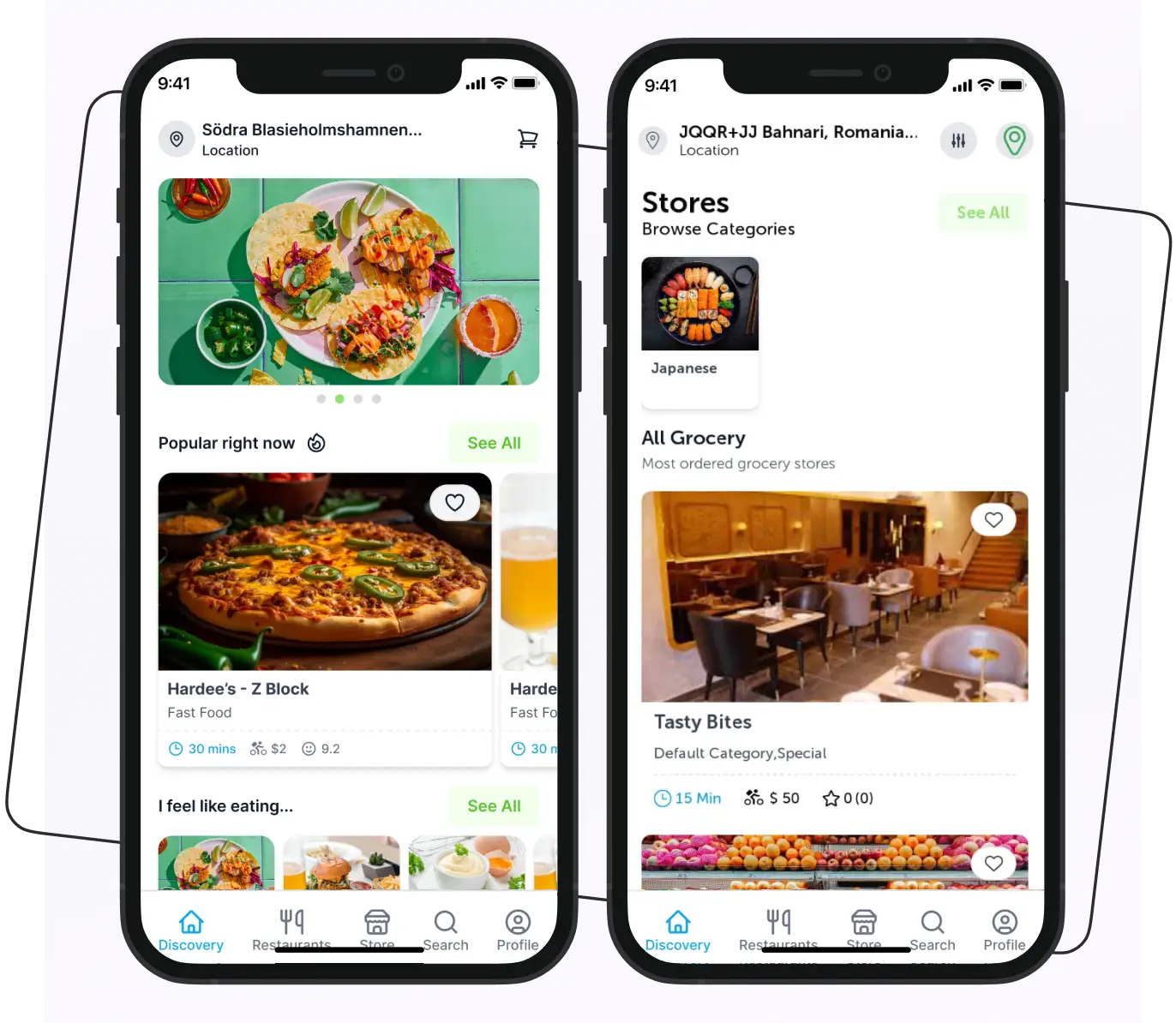
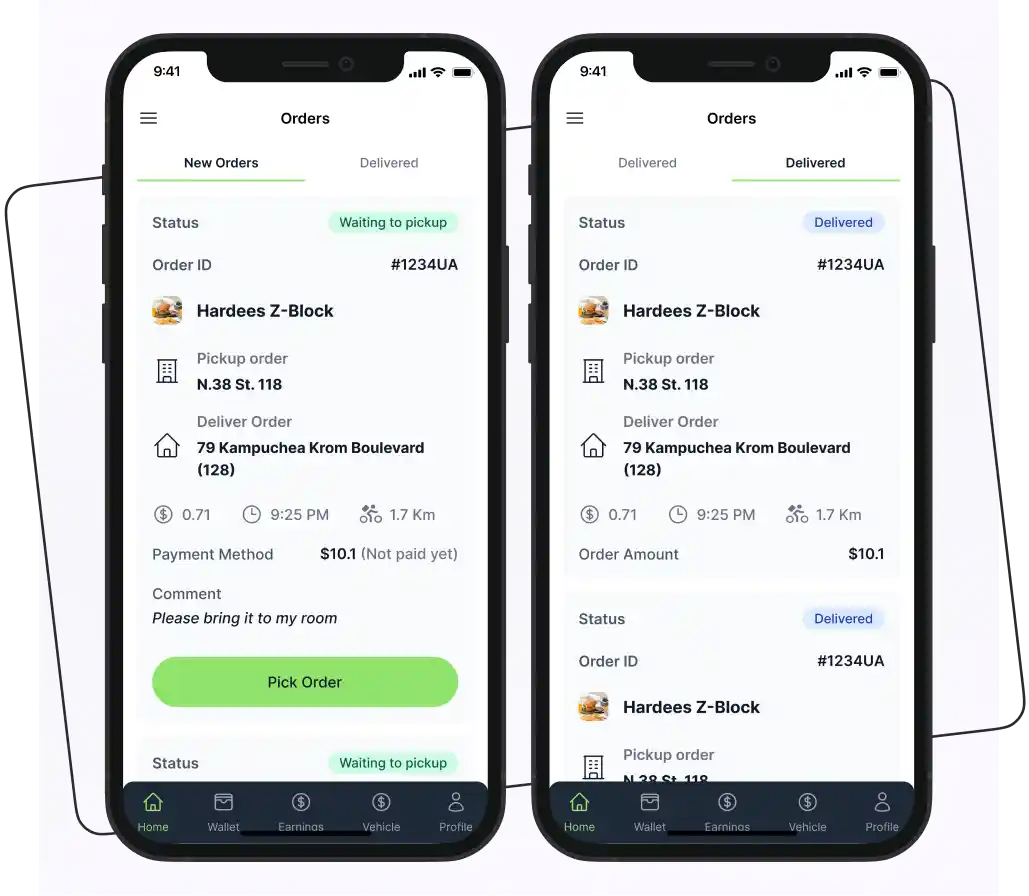
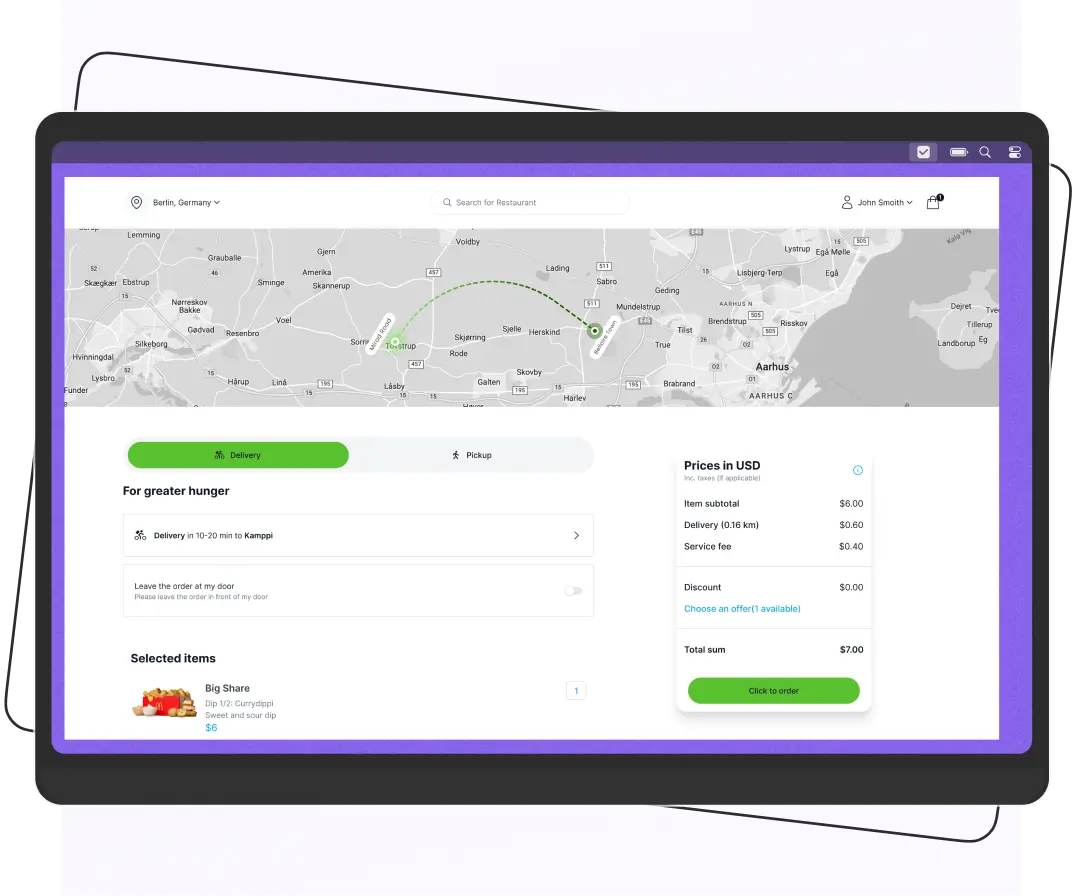
An online food ordering script is a pre-written codebase that facilitates the creation of a food ordering system. It typically includes essential features for managing restaurants, menus, orders, and payments. Here’s how it works: Installation: The script is installed on a web server, typically requiring minimal configuration to set up the database and environment. User Interaction: Customers visit the platform, select a restaurant, browse the menu, and add items to their cart. They proceed to checkout, entering delivery details and payment information. Order Processing: The script processes the order, validating items and calculating totals. It sends the order details to the restaurant for preparation. Notifications: Customers receive confirmation emails or app notifications regarding their order status (e.g., confirmation, preparation, delivery). Delivery Management: The system may include features for tracking delivery drivers and providing real-time updates to customers. Feedback System: After receiving their orders, customers can leave ratings and feedback, which helps improve service quality.
Yes, you can use an online food ordering script to launch a custom food delivery website or app.
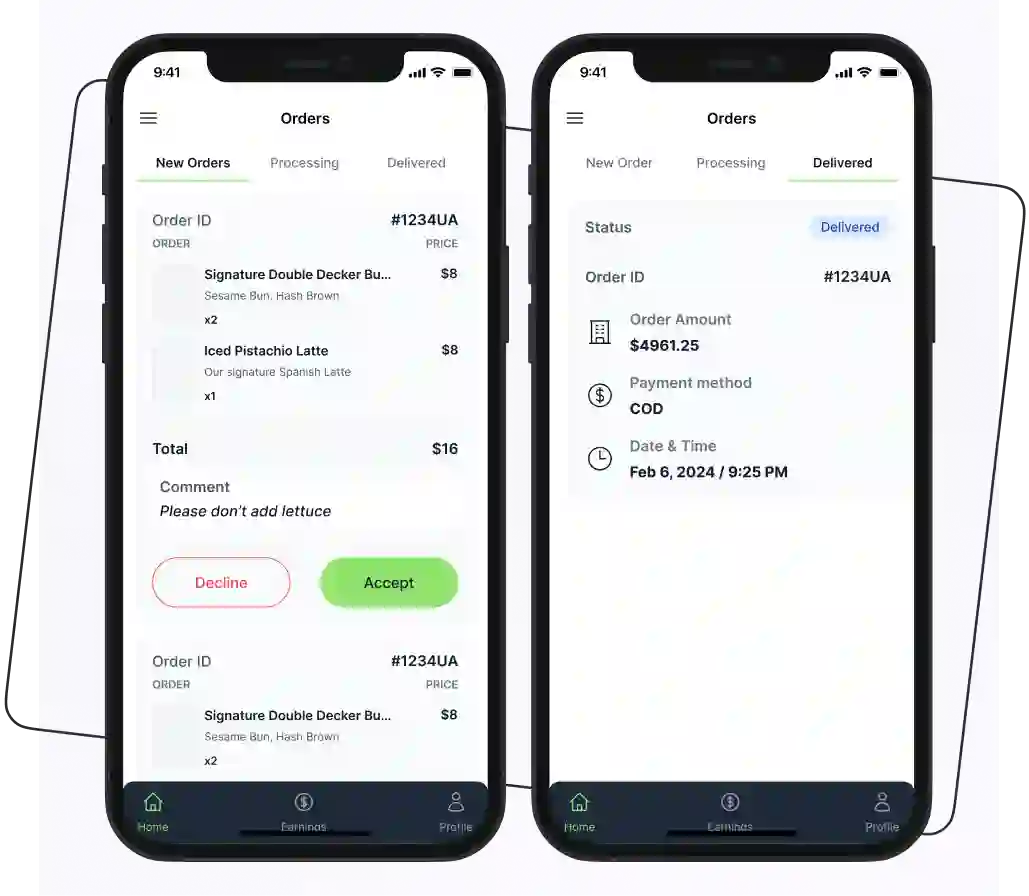
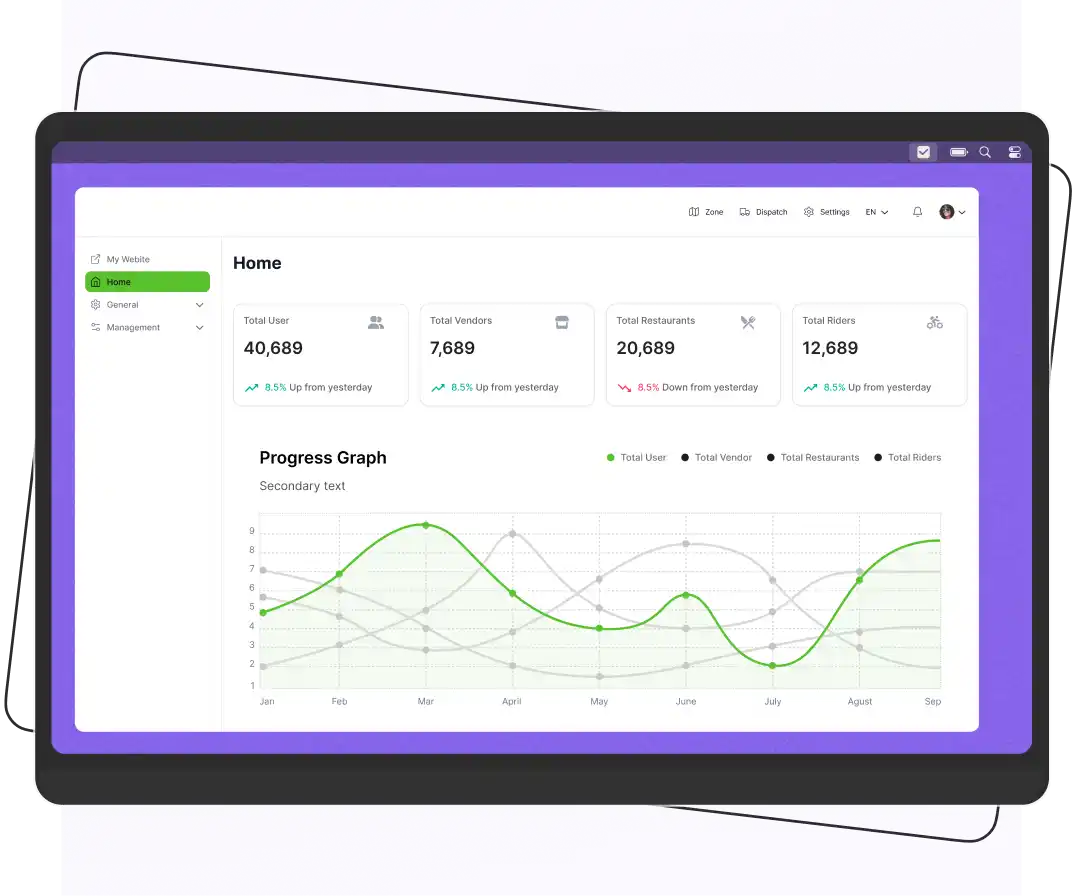
Yes, many online food ordering scripts are designed to support multiple restaurants. Here are some common features you can expect: Restaurant Management: Each restaurant can create and manage its own profile, including details like name, address, contact information, and operating hours. Menu Management: Restaurant owners can add, edit, or remove menu items, including descriptions, prices, and images. Order Processing: The script typically allows customers to select their preferred restaurant and place orders directly, with the backend managing orders for each restaurant separately. Admin Dashboard: An admin interface to oversee all restaurants, including analytics, performance metrics, and the ability to manage restaurant accounts. Payment Distribution: Features to handle payments, ensuring that funds are distributed correctly to the respective restaurants after a transaction. Reviews and Ratings: Customers can leave feedback and ratings for individual restaurants, helping others make informed choices. Delivery Management: Support for managing delivery logistics for multiple restaurants, including assigning drivers and tracking deliveries. Promotions and Discounts: Ability to set promotions or discounts for specific restaurants or across the platform.
To install and run an online food ordering script, the following technical skills are needed: 1. Web Server Management Knowledge of setting up and managing web servers (e.g., Apache, Nginx) to host the script. 2. Database Management Familiarity with database systems (e.g., MySQL, PostgreSQL) to configure and manage the application's data storage. 3. Programming Skills Basic understanding of the programming language used in the script (e.g., Python, PHP, Ruby) to make customizations if needed. 4. Version Control Experience with version control systems (like Git) to track changes and collaborate on the codebase. 5. Command Line Proficiency Comfort using the command line interface (CLI) for installing dependencies, running scripts, and managing the server. 6. Security Best Practices Knowledge of basic security measures, such as setting up SSL certificates for HTTPS and securing database access. 7. Troubleshooting and Debugging Ability to troubleshoot common installation issues and debug problems that may arise during operation. 8. API Integration Understanding of how to integrate third-party services (like payment gateways) if the script requires it. 9. Basic Networking Knowledge Familiarity with networking concepts to configure domain names, IP addresses, and firewall settings. 10. Backup and Recovery Skills to set up backup processes to protect data and ensure recovery in case of failures.








 IOS
IOS Android
 Web
Web