Get Backend API for Online Food Ordering Solution
Launch your online food ordering solution project quickly using the free frontend. The backend API requires a commercial license—schedule a consultation with our sales staff. Resources are included.



Frequently Asked Questions
An online food ordering solution is a digital platform or system that enables customers to browse menus, place orders, and arrange for food delivery or pickup from restaurants via the internet. This solution is accessible through web applications or mobile apps and contains various functionalities aimed at enhancing the customer experience and streamlining restaurant operations.
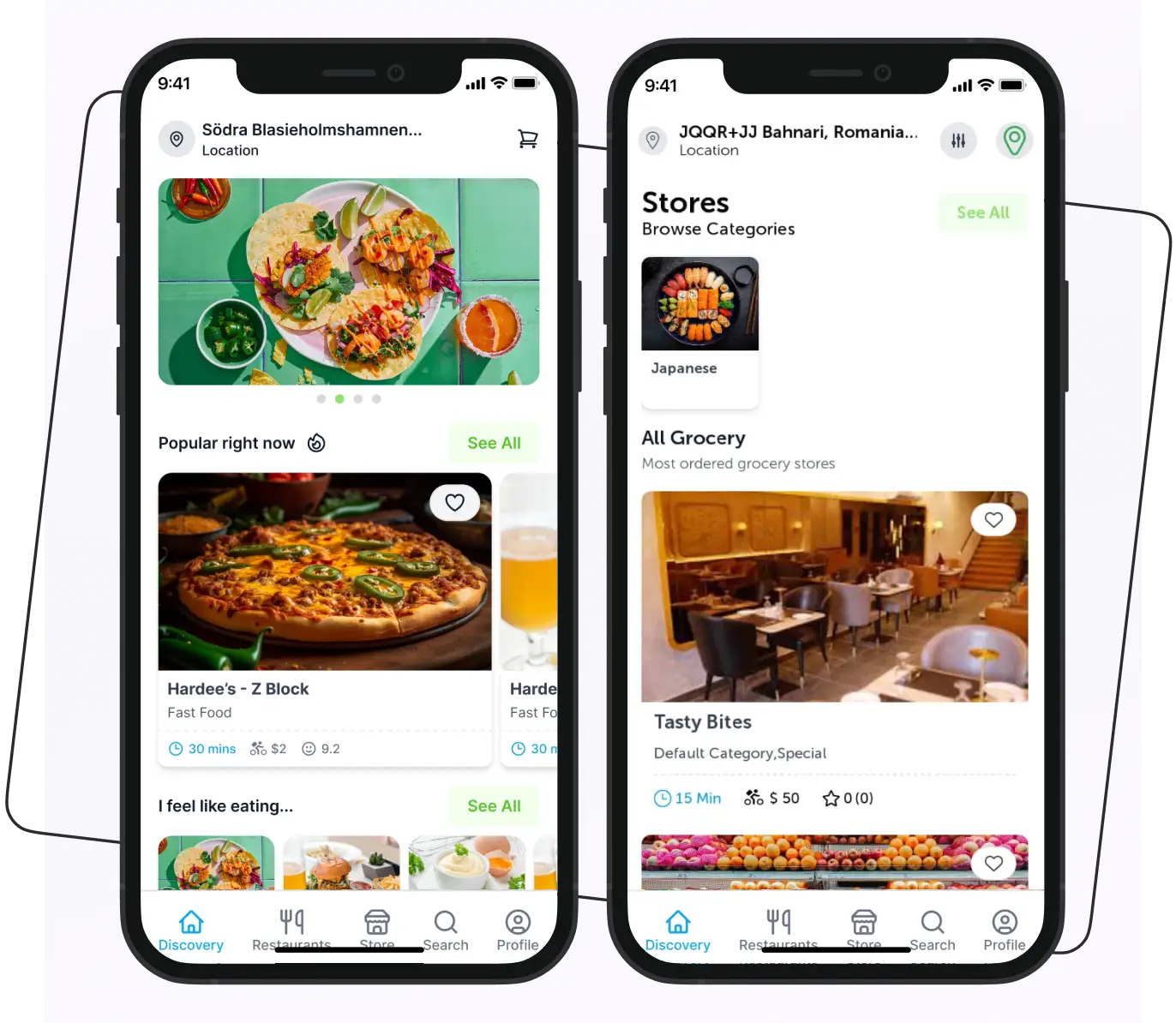
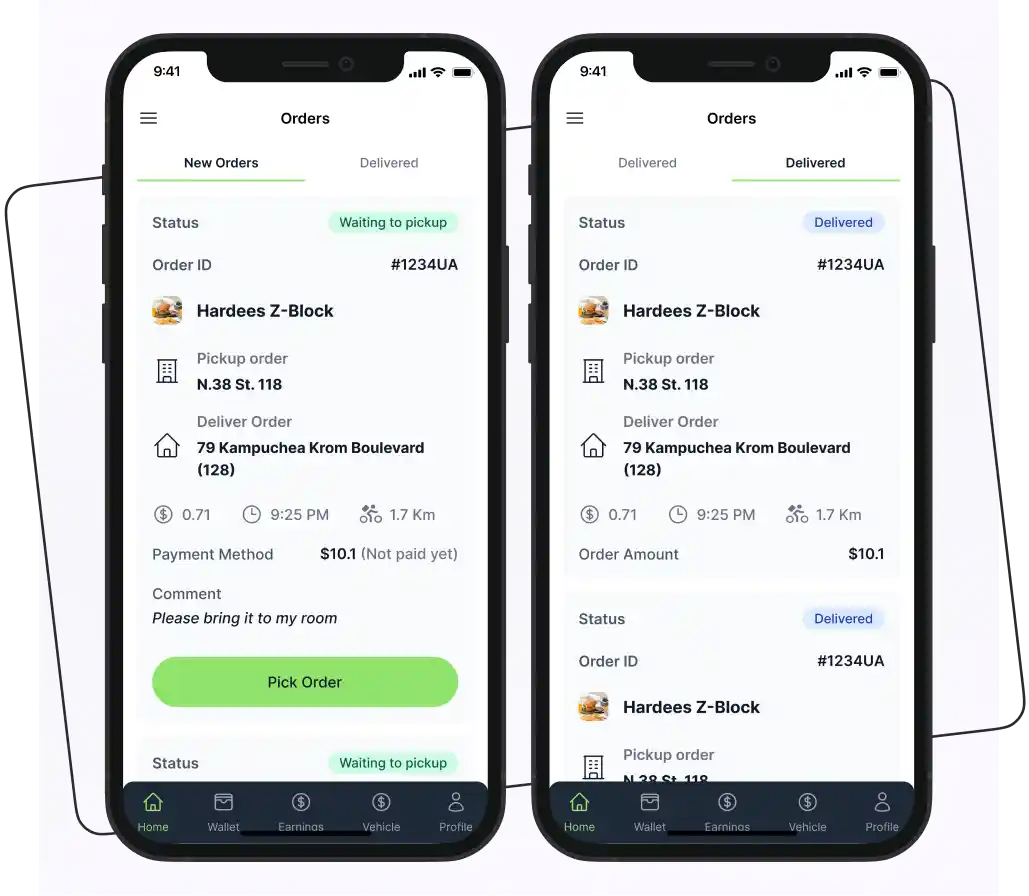
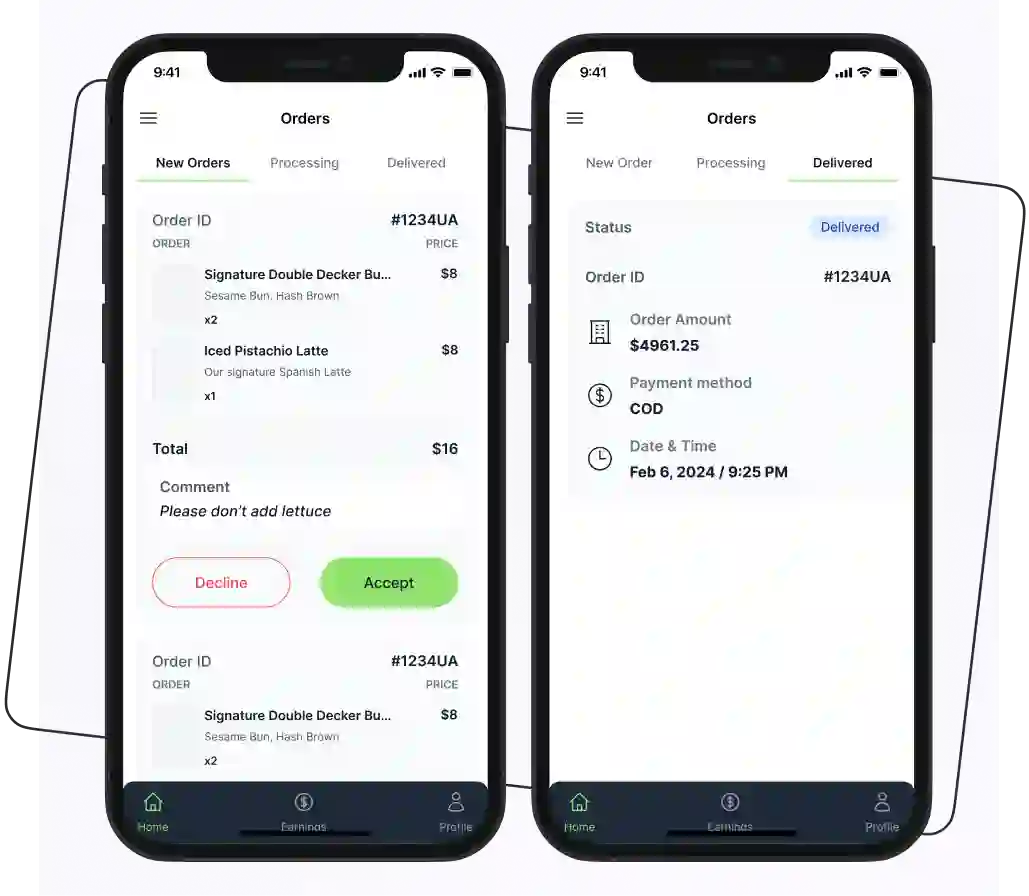
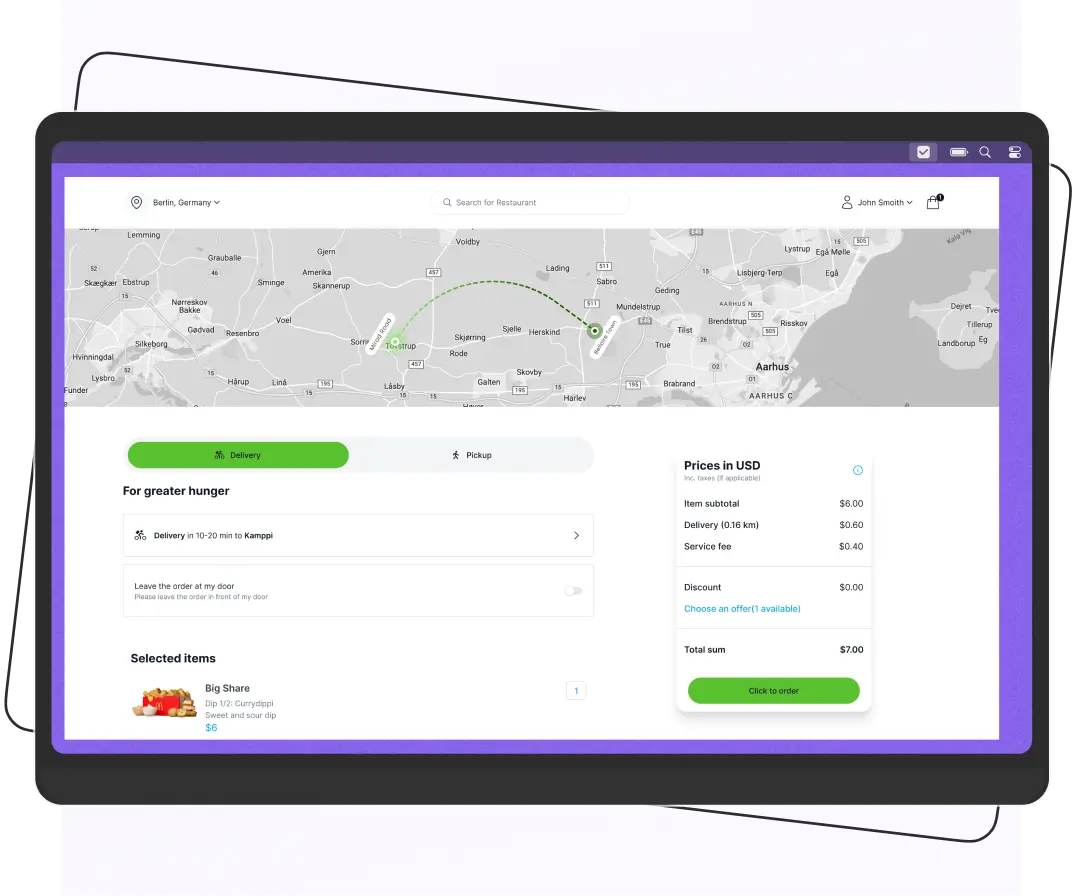
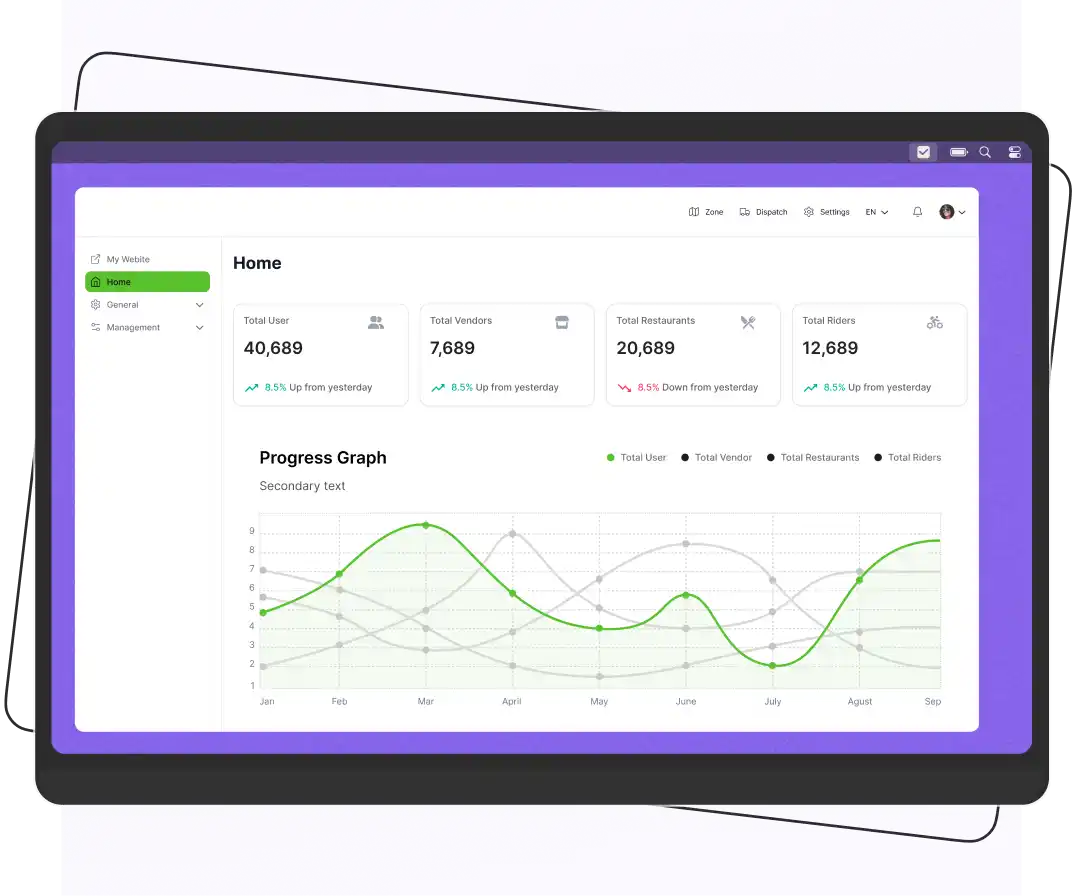
An online food ordering solution works for restaurants by providing a streamlined process that connects customers, restaurant staff, and delivery personnel. Here’s the process of how the system operates: 1. User Interface for Customers Access to Menus: Customers can download a mobile app or visit a web portal to browse the restaurant’s menu, view item details, prices, and images. Order Customization: Customers can select items, customize their orders (e.g., toppings, portion sizes), and add them to a cart. 2. Account Management User Profiles: Customers can create accounts to save their preferences, delivery addresses, and payment methods. This facilitates a smoother ordering process for future transactions. Order History: Customers can view their past orders for easy reordering. 3. Order Placement Checkout Process: After selecting items, customers proceed to checkout, where they confirm their order, choose a payment method, and provide delivery instructions. Payment Processing: The system securely processes payments through various methods (credit/debit cards, digital wallets, etc.), confirming the transaction. 4. Order Notification Real-Time Updates: Once the order is placed, the system sends a notification to the restaurant's order management system, alerting staff that a new order has been received. 5. Order Management for Restaurants Dashboard Access: Restaurant staff access a dashboard where they can view incoming orders, manage order statuses (e.g., preparing, ready for delivery), and communicate with customers if necessary. Menu Management: Staff can update the menu in real-time, adding or removing items based on availability or special promotions. 6. Preparation and Packaging Order Preparation: Kitchen staff prepares the order based on the details provided in the online system. Packaging: Once prepared, the order is packaged for delivery or pickup, ensuring food quality and safety. 7. Delivery Management Delivery Assignment: If using delivery personnel, the system assigns the delivery to a driver, who receives information about the order and the customer’s location. Route Navigation: Delivery personnel use GPS navigation to find the quickest route to the customer’s location. 8. Order Tracking Customer Notifications: Customers receive real-time updates on their order status, including when the order is being prepared, out for delivery, and when it has been delivered. Live Tracking: Many systems offer live tracking features, allowing customers to see the delivery driver’s location in real-time. 9. Feedback and Review Post-Delivery Feedback: After the order is completed, customers are encouraged to leave feedback or ratings about their experience, which helps the restaurant improve services and offerings. Customer Engagement: Restaurants can respond to customer reviews, building better relationships and trust.
The cost to develop a custom Online Food Ordering Solution ranges from $10,000 to over $100,000, depending on features, design complexity, and the development team's location.
Yes, small restaurants can benefit from an online food ordering solution by increasing their reach, improving customer convenience, and streamlining operations. Such solutions can enhance sales through easy access for customers, reduce order errors, and provide valuable insights into customer preferences, ultimately driving growth and customer loyalty.
To choose the best online food ordering solution for your business, consider the following: Features: Ensure it includes essential functionalities like menu management and real-time tracking. User Experience: Look for a user-friendly interface and mobile responsiveness. Integration: Check compatibility with payment gateways and third-party services. Cost: Understand all fees and ensure scalability without high costs. Support: Look for reliable customer support and documentation. Reputation: Research user reviews and the provider's industry reputation. Trial: Test with free trials or demos before committing.








 IOS
IOS Android
 Web
Web