Get Backend API for Online Food Ordering Solution Using React Js
Start with the online food ordering solution using react js frontend, which is free and open-source. To unlock the backend API, schedule a call with our sales team. Documentation and real-world examples are provided.



Frequently Asked Questions
The food ordering application is managed using React by creating dynamic, component-based user interfaces that update in real-time based on user interactions and data changes, enhancing the overall user experience. State management libraries like Redux or Context API can be used to efficiently manage application state across components.
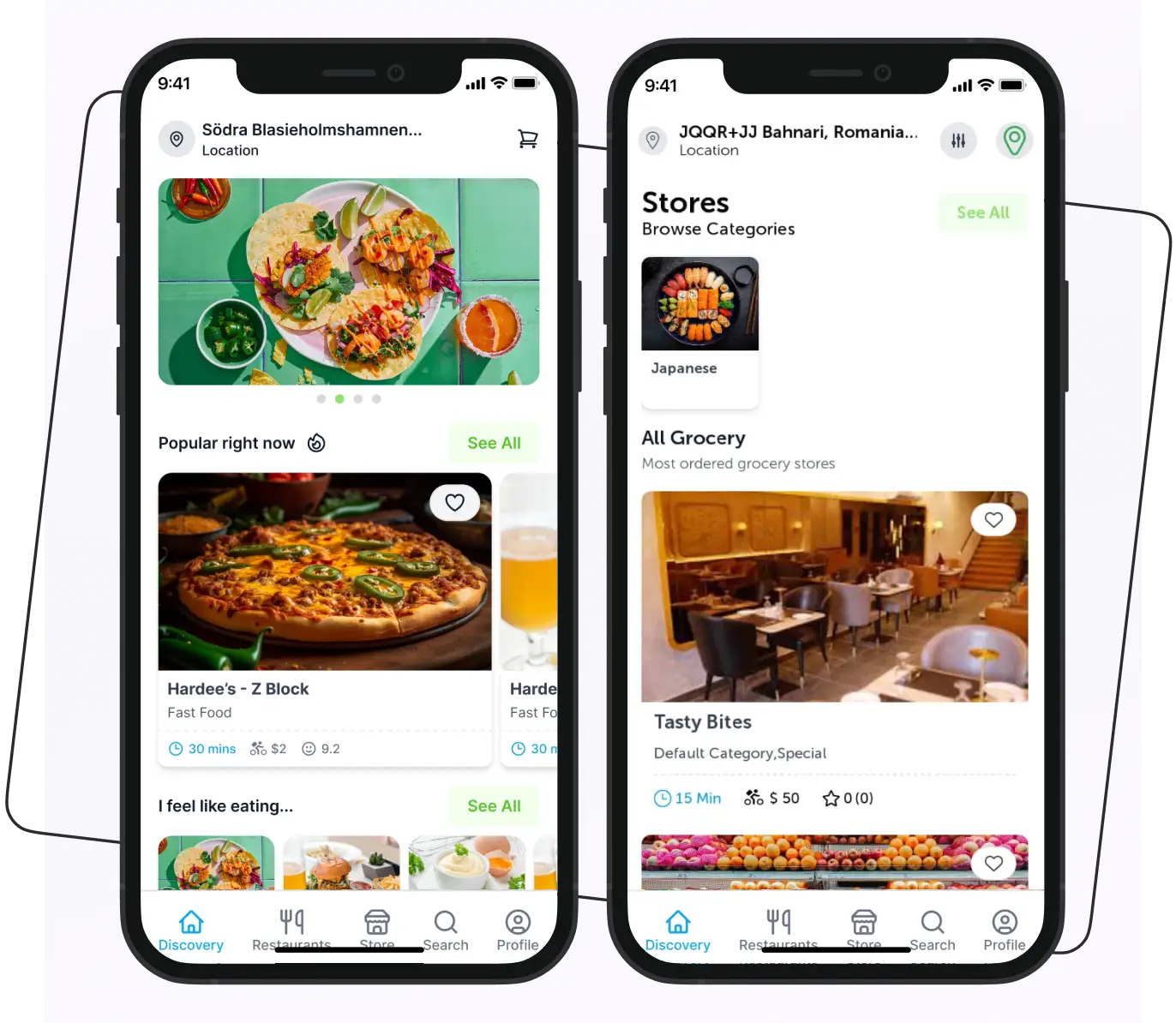
Yes, the software is typically designed to be compatible with modern web browsers (like Chrome, Firefox, Safari, and Edge) and mobile devices. Key aspects include: Responsive Design: The user interface is built with responsive design principles, ensuring it adapts to various screen sizes and orientations. Cross-Browser Compatibility: The application is tested across major browsers to ensure consistent functionality and appearance. Progressive Web App (PWA) Features: If implemented, PWA features allow the application to function smoothly on mobile devices, providing offline access and improved performance. Mobile-Friendly Interfaces: Touch-friendly elements enhance usability on smartphones and tablets.
React.js is preferred for developing modern food delivery and ordering platforms for several reasons: Component-Based Architecture: React's modular design allows for reusable components, making it easier to manage and scale the application. Dynamic User Interfaces: React efficiently updates and renders components, providing a smooth and responsive user experience, crucial for real-time order updates. Virtual DOM: React's use of a virtual DOM optimizes rendering performance, ensuring fast UI updates without unnecessary re-renders. Strong Community and Ecosystem: A large community and rich ecosystem of libraries and tools support rapid development and problem-solving. Flexibility: React can be easily integrated with other libraries and frameworks, allowing for customization and enhancing functionality. State Management: Libraries like Redux or Context API facilitate effective state management, crucial for handling complex data interactions in food ordering systems. SEO-Friendly: With server-side rendering options, React can improve SEO performance, making it easier for users to find the platform.
Common technologies used alongside React to complete a food delivery and ordering system include: Node.js: A JavaScript runtime for building the server-side logic and handling API requests. Express.js: A web framework for Node.js that simplifies routing and middleware management. MongoDB: A NoSQL database for storing data such as user profiles, orders, and restaurant information. Redux: A state management library that helps manage application state, especially in larger applications with complex data flows. Socket.IO: For real-time communication, enabling instant updates for order statuses and notifications. Axios or Fetch API: For making HTTP requests to interact with the backend API. CSS Frameworks: Libraries like Bootstrap or Tailwind CSS for styling and responsive design. Webpack: A module bundler for optimizing the application's assets and improving performance. Jest or React Testing Library: For testing components and ensuring application reliability.








 IOS
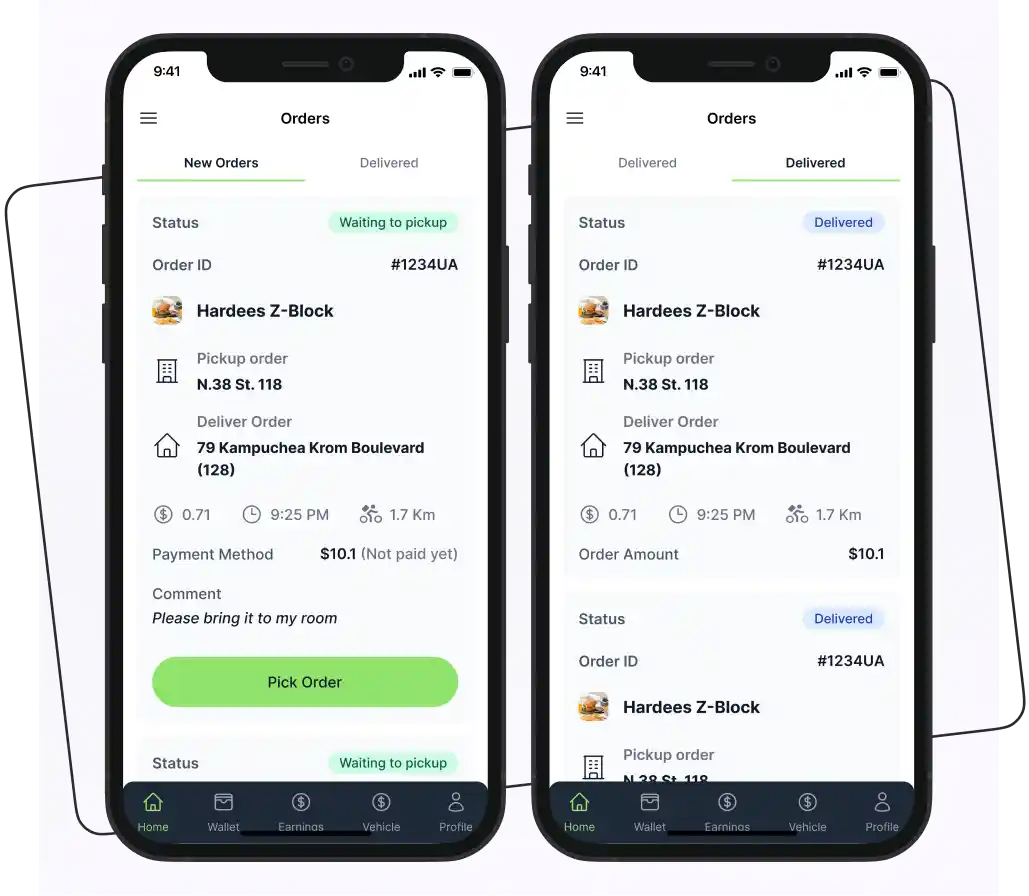
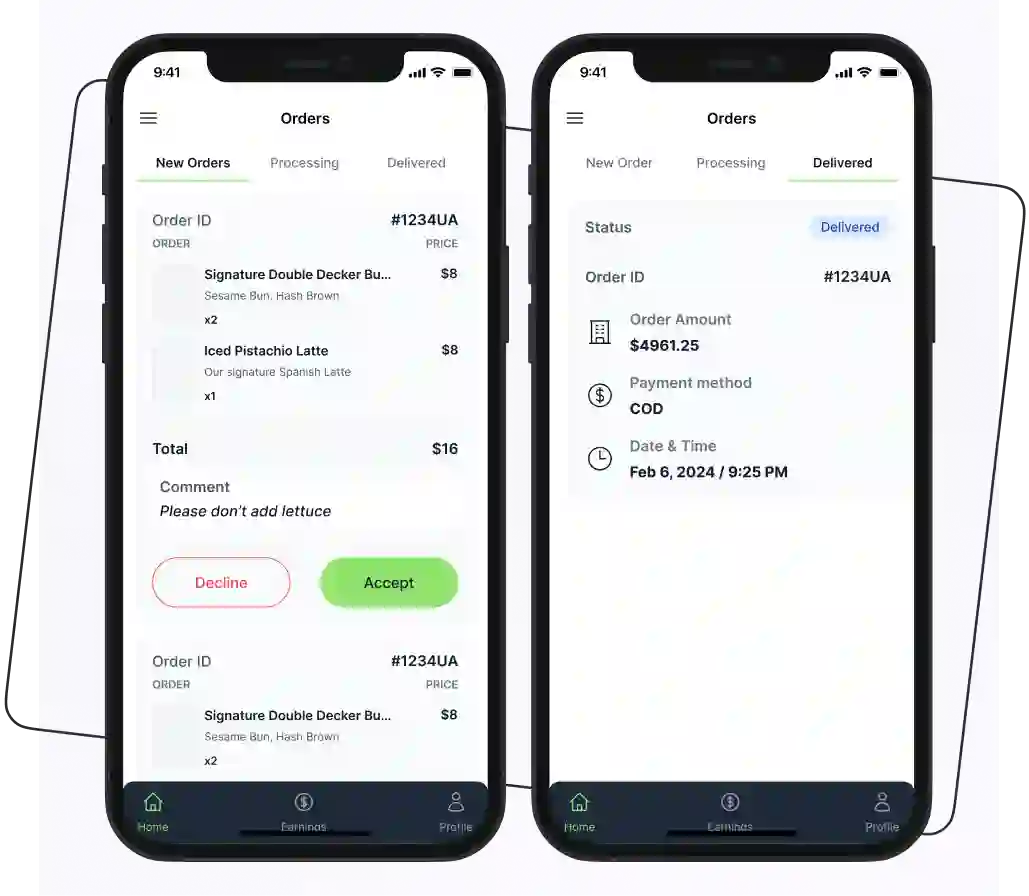
IOS Android
 Web
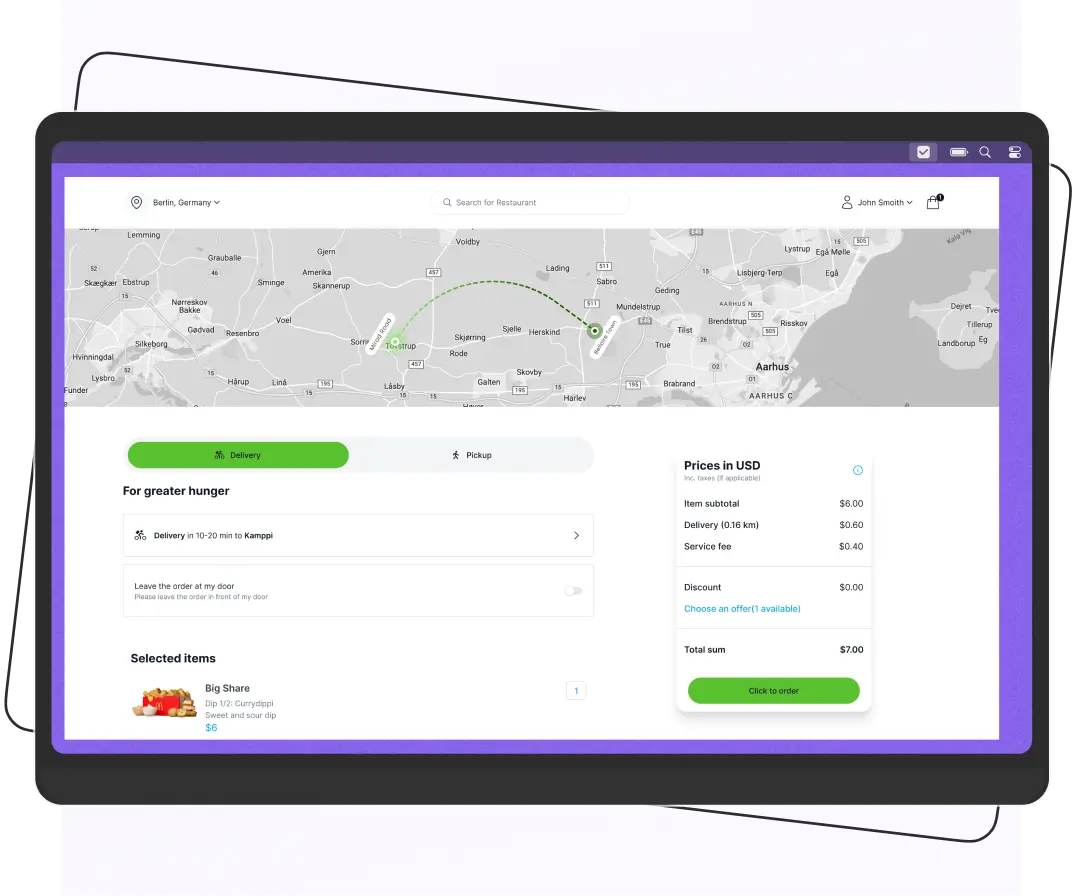
Web