Get Backend API for Swiggy Clone App
Experiment with the swiggy clone app frontend code at no cost. For production-ready backend API, book a meeting with our sales team. Setup guides and examples are shared publicly.



Frequently Asked Questions
Creating an app like Swiggy involves several key steps: Market Research: Analyze competitors and understand customer needs to define your unique value proposition. Define Features: Outline essential features such as user registration, restaurant listings, menu browsing, order placement, tracking, and payment processing. Choose Technology Stack: Backend: Use frameworks like Django or Node.js. Frontend: Consider React Native or Flutter for cross-platform mobile apps. Database: Use PostgreSQL or MongoDB for data storage. Design UI/UX: Create wireframes and prototypes for a user-friendly interface. Develop the Application: Implement backend functionalities (user authentication, order management). Develop the frontend interface. Integrate APIs for payment gateways and maps. Testing: Conduct thorough testing for functionality, usability, and performance. Launch: Deploy the app on app stores and promote it through marketing strategies. Maintenance and Updates: Regularly update the app based on user feedback and new trends.
The cost to develop an app like Swiggy ranges from $20,000 to $150,000, depending on features, design complexity, and the development team’s location.
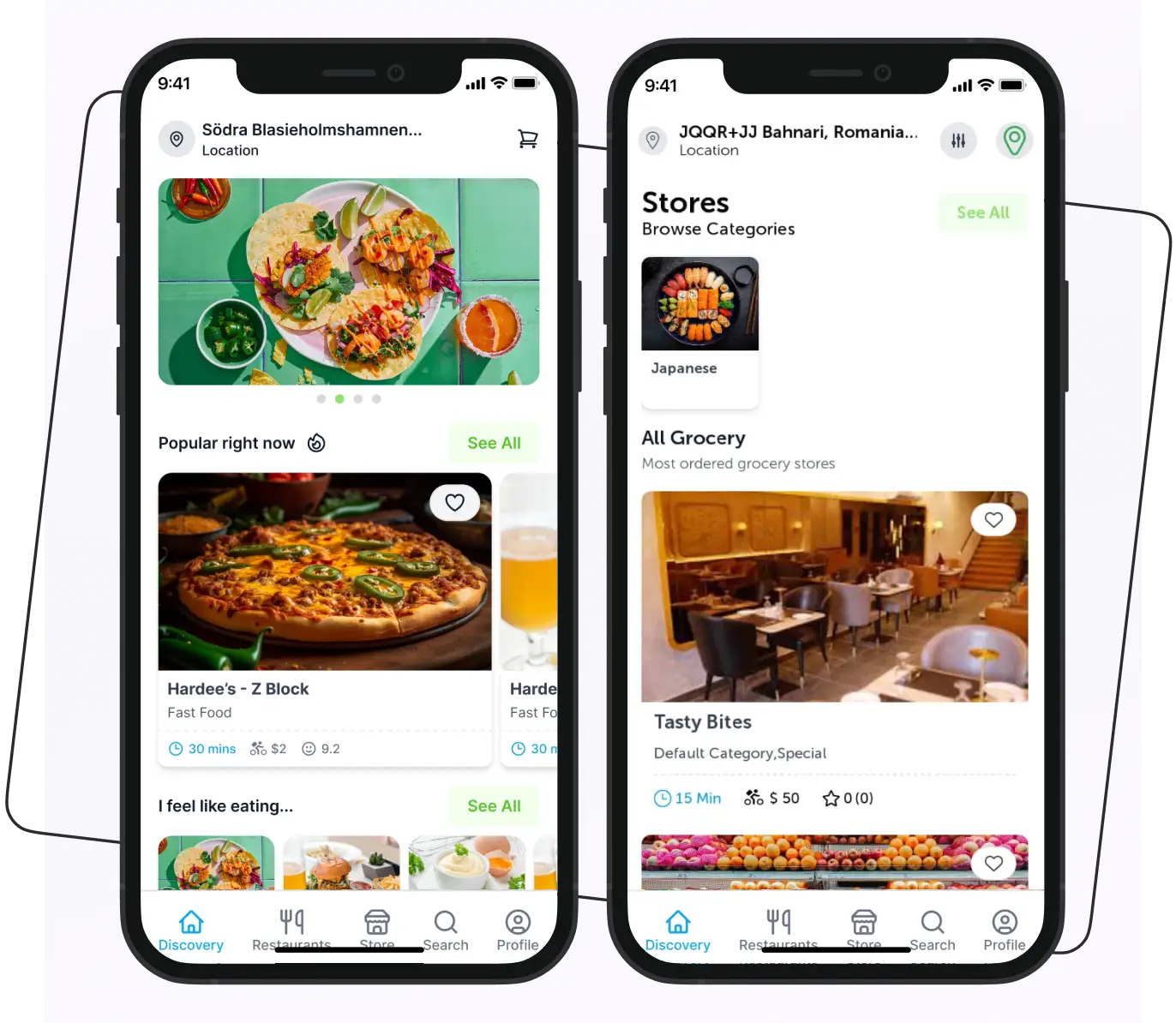
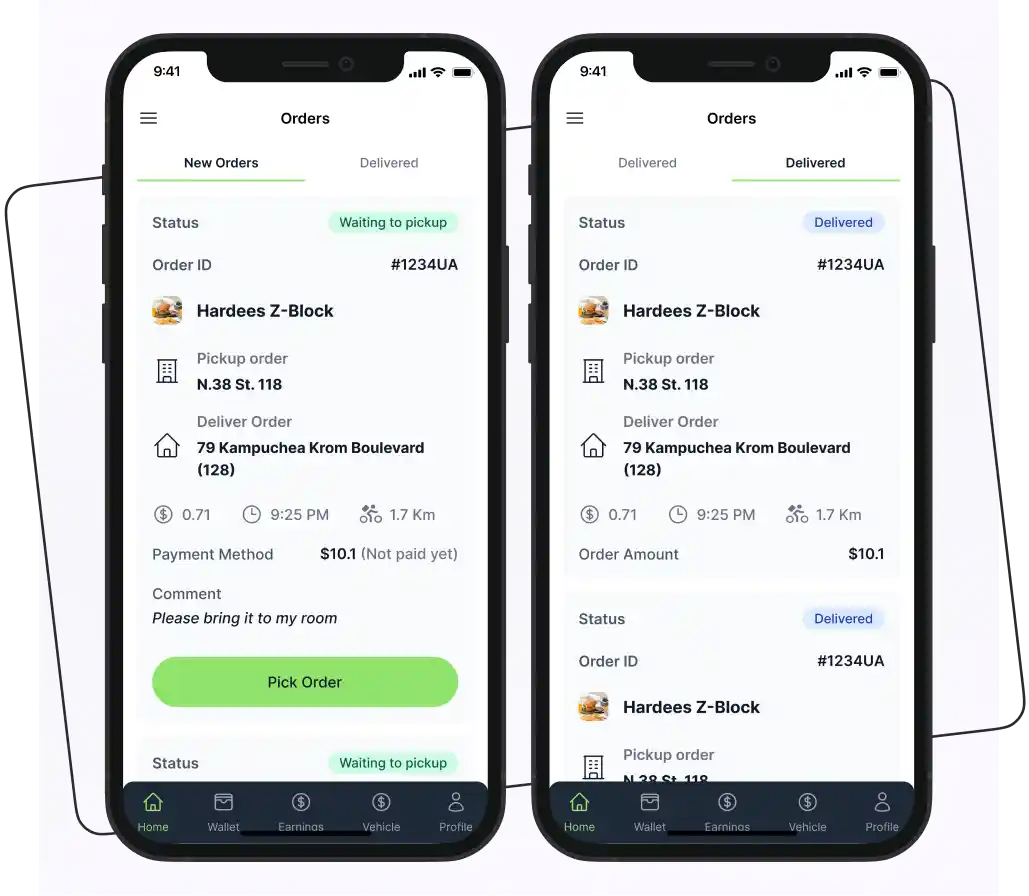
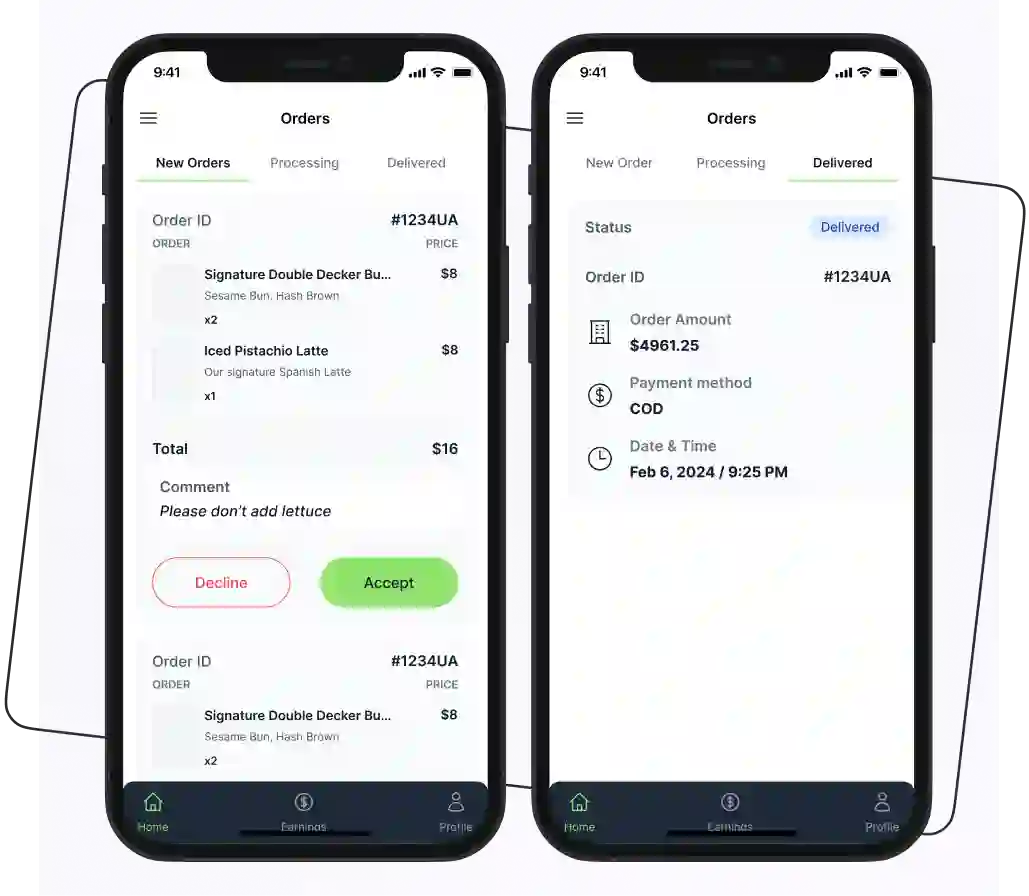
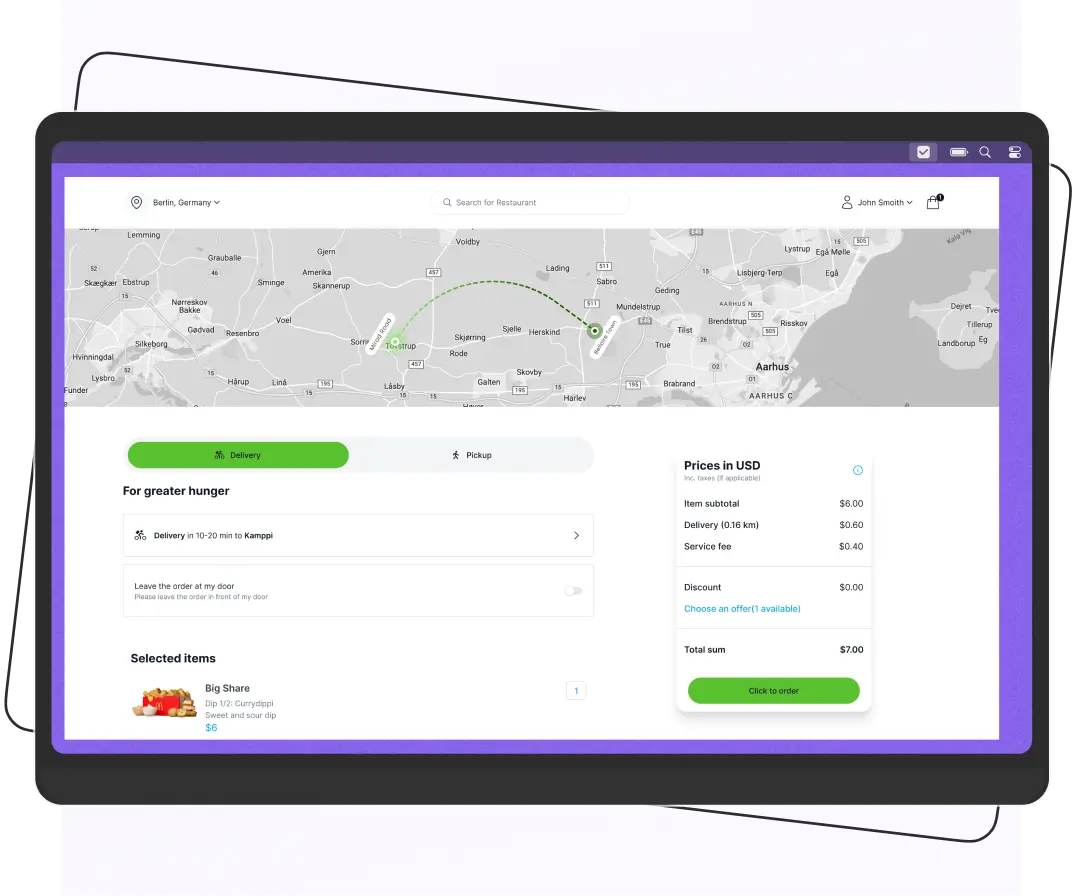
A Swiggy clone app is a food delivery application that replicates the features and functionalities of Swiggy. It includes functionalities like restaurant listings, order placement, real-time tracking, and payment processing, allowing entrepreneurs to launch their own food delivery service with a proven model.
A Swiggy clone app works through the following process: User Registration: Customers sign up and create profiles. Restaurant Listings: Users browse through a list of nearby restaurants and their menus. Order Placement: Customers select items, add them to their cart, and place orders. Payment Processing: Users can pay via various methods, such as credit/debit cards or digital wallets. Order Confirmation: The restaurant receives the order, confirms it, and prepares the food. Delivery Tracking: Customers can track the delivery status in real-time through the app. Feedback and Ratings: After delivery, users can rate their experience and provide feedback.
Startups often choose a Swiggy clone app instead of building from scratch for several reasons: Time Efficiency: Clone apps allow for quicker deployment, enabling startups to enter the market faster. Cost-Effective: Developing a clone app is usually less expensive than building a custom solution from scratch. Proven Model: Clone apps use existing successful features and functionalities, reducing the risk associated with new ventures. Focus on Customization: Startups can focus on branding and specific customizations rather than development complexities. Easy Updates: Many clone app solutions come with built-in updates and support, making it easier to maintain the app.








 IOS
IOS Android
 Web
Web