Scale Using Online Flower Delivery Platform Using Angular Backend API
Start with the online flower delivery platform using angular frontend, which is free and open-source. To unlock the backend API, schedule a call with our sales team. Documentation and real-world examples are provided. Learn more about deployment options by connecting with us.



Frequently Asked Questions
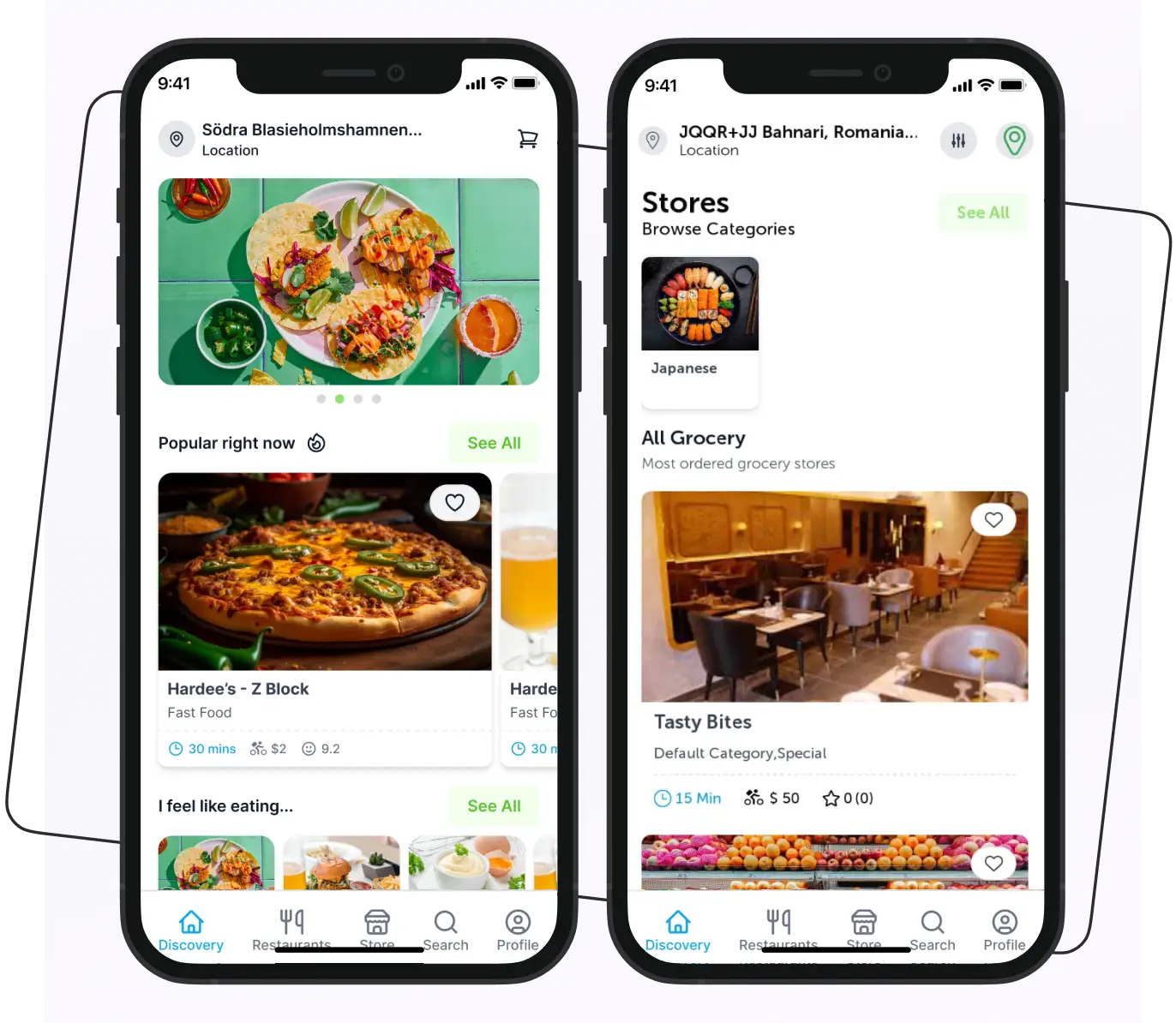
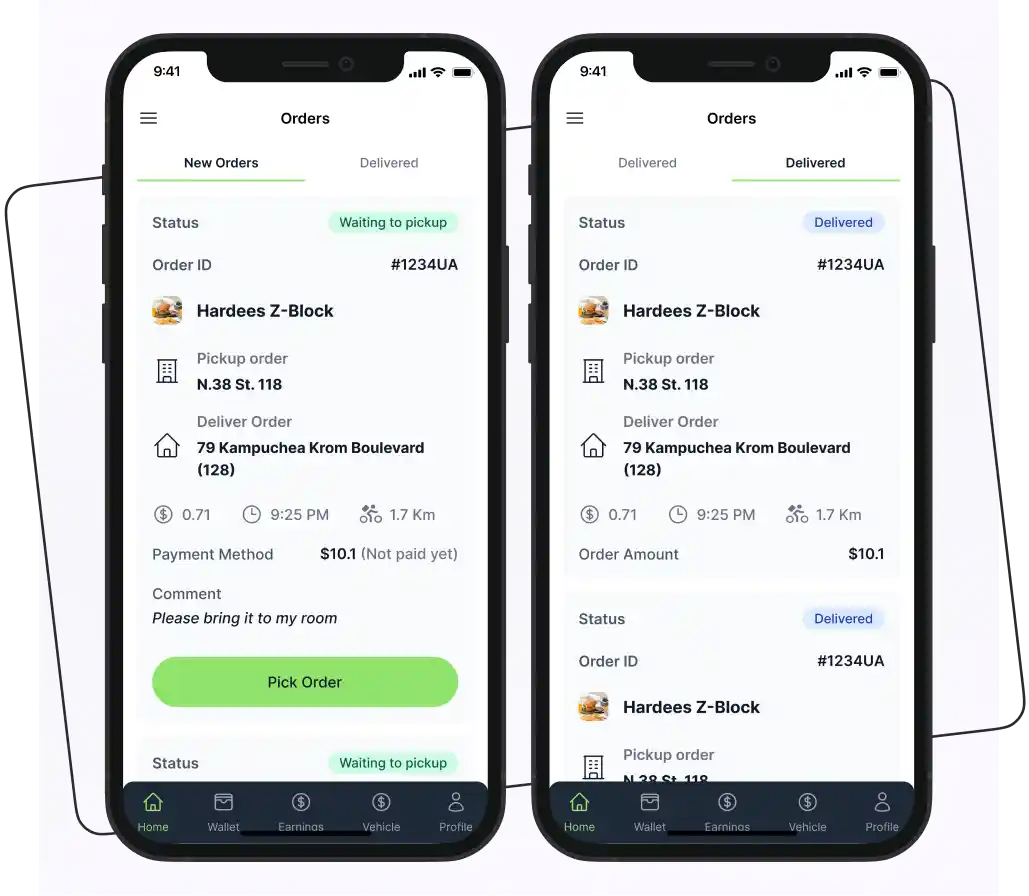
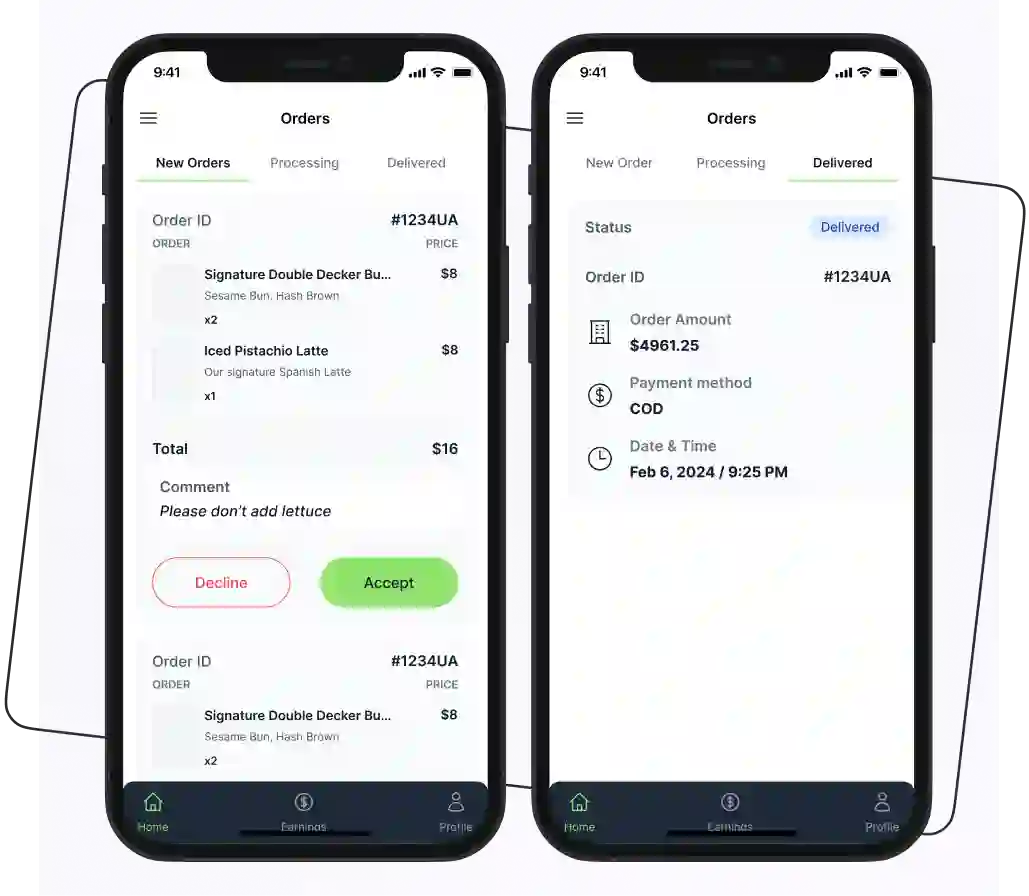
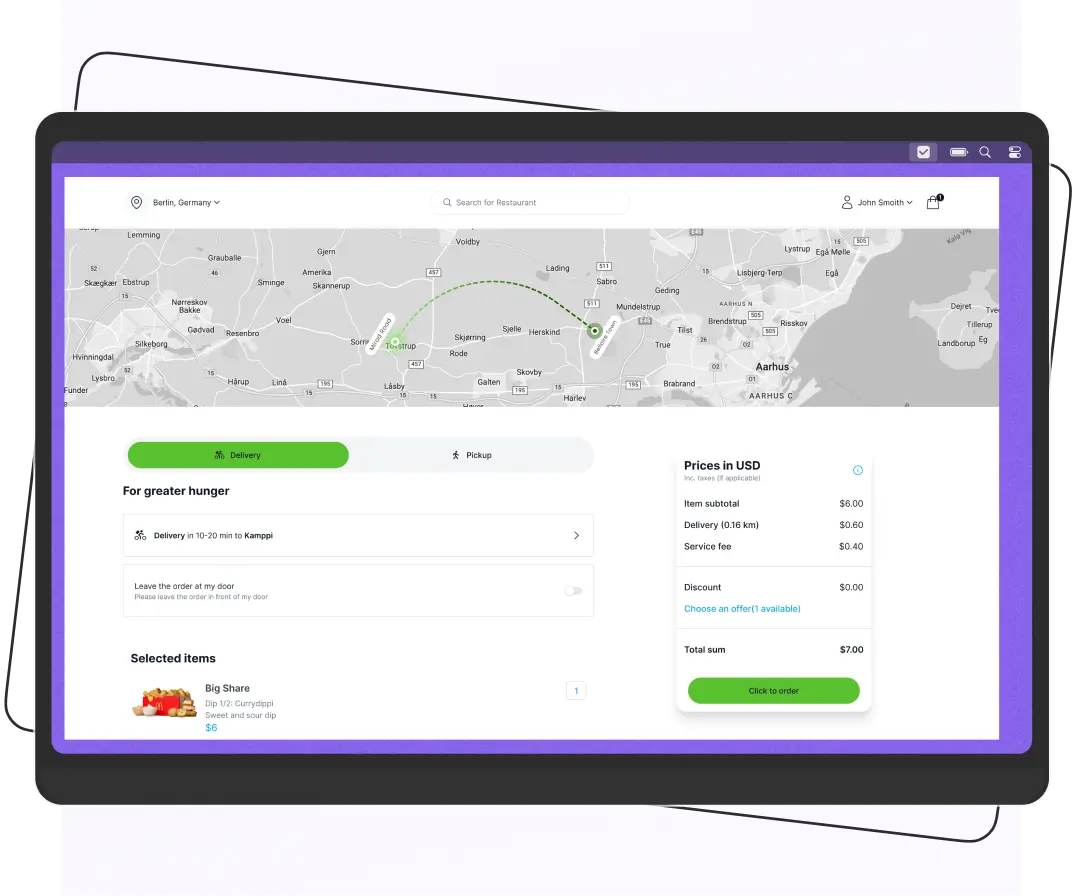
Here are some of the key features that a flower‑delivery platform offers to customers: User registration/login (email, phone, social) for convenience and personalization. Rich product catalog with high‑quality images/videos, filters by occasion/type/price to help you find the right bouquet. Schedule delivery for a specific date/time (or same‑day where available). Real‑time order tracking (from preparation → dispatch → delivery) with status updates and map view of the delivery. Multiple secure payment methods including cards, e‑wallets, and depending on region, COD. Order history and quick re‑order capability (see past purchases and reorder easily). Push notifications and alerts for order confirmation, delivery updates, offers, reminders for special occasions.
Users can place an order through an Angular flower delivery app very quickly, often in just a few taps or clicks, because Angular’s component-based architecture and reactive data binding allow fast UI updates, smooth navigation, and minimal page reloads.
Yes, a flower delivery platform built with Angular can support both same-day and scheduled deliveries. The frontend handles user input for delivery date/time, while the backend manages availability, routing, and order confirmation to ensure timely delivery.
The platform manages multiple delivery locations or addresses by: User Address Book: Customers can save multiple addresses in their profile. Selection During Checkout: Users choose from saved addresses or add a new one for each order. Default and Preferred Addresses: Option to set a default address for quick orders. Backend Management: Stores addresses in the database linked to each user account for easy retrieval. Multi-branch Support: If florists have multiple locations, the system can route orders to the nearest branch automatically.








 IOS
IOS Android
 Web
Web