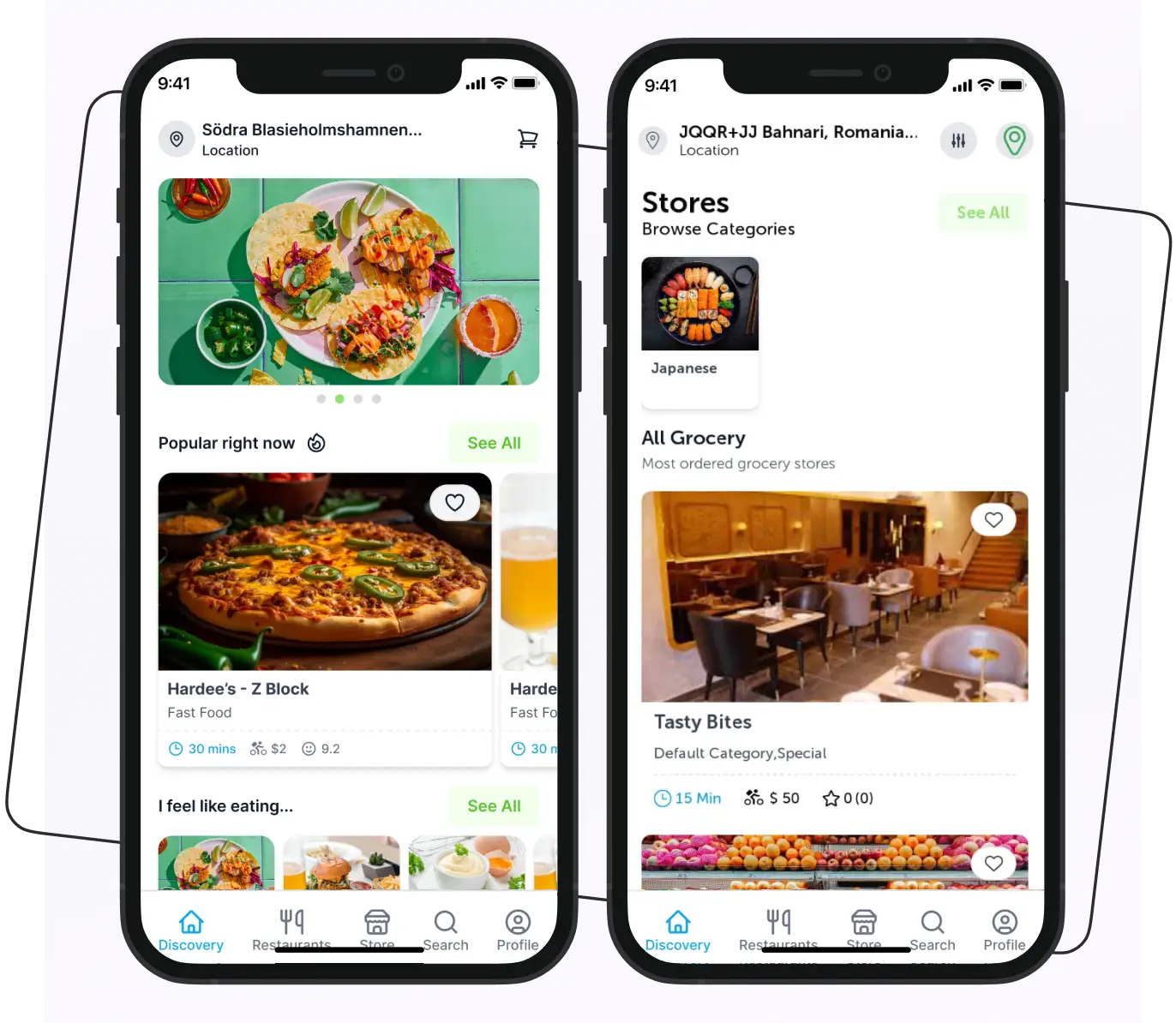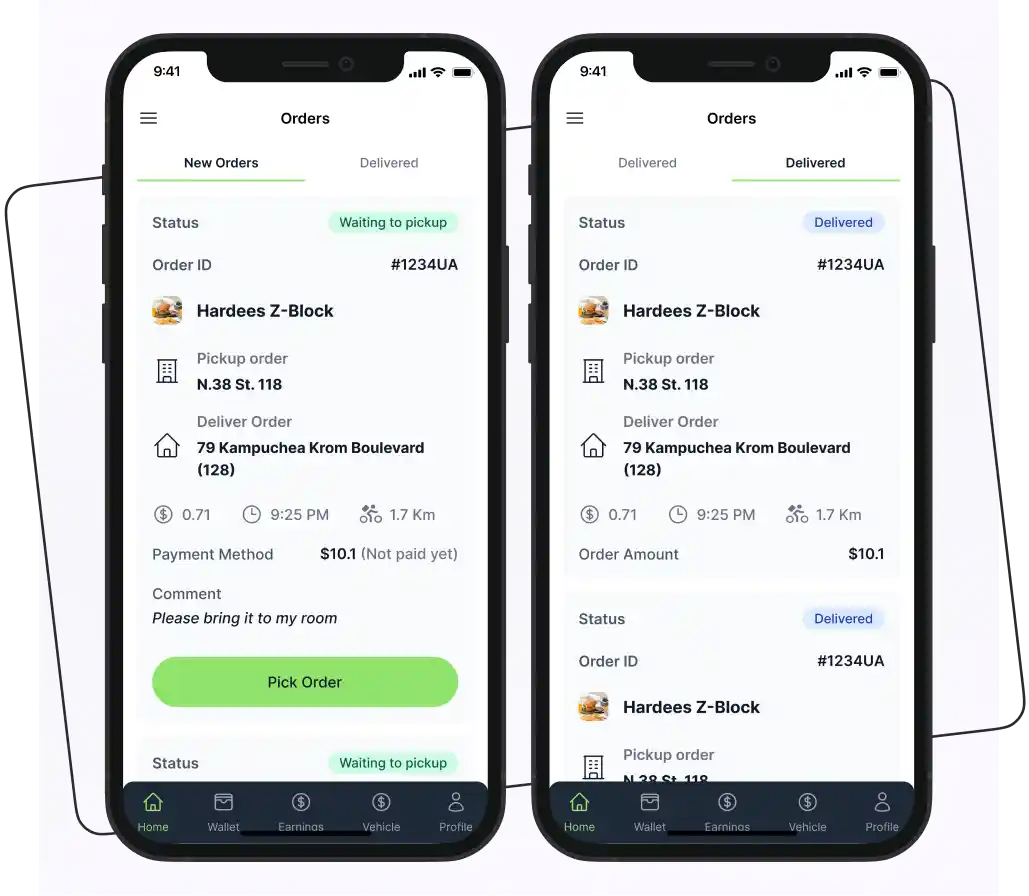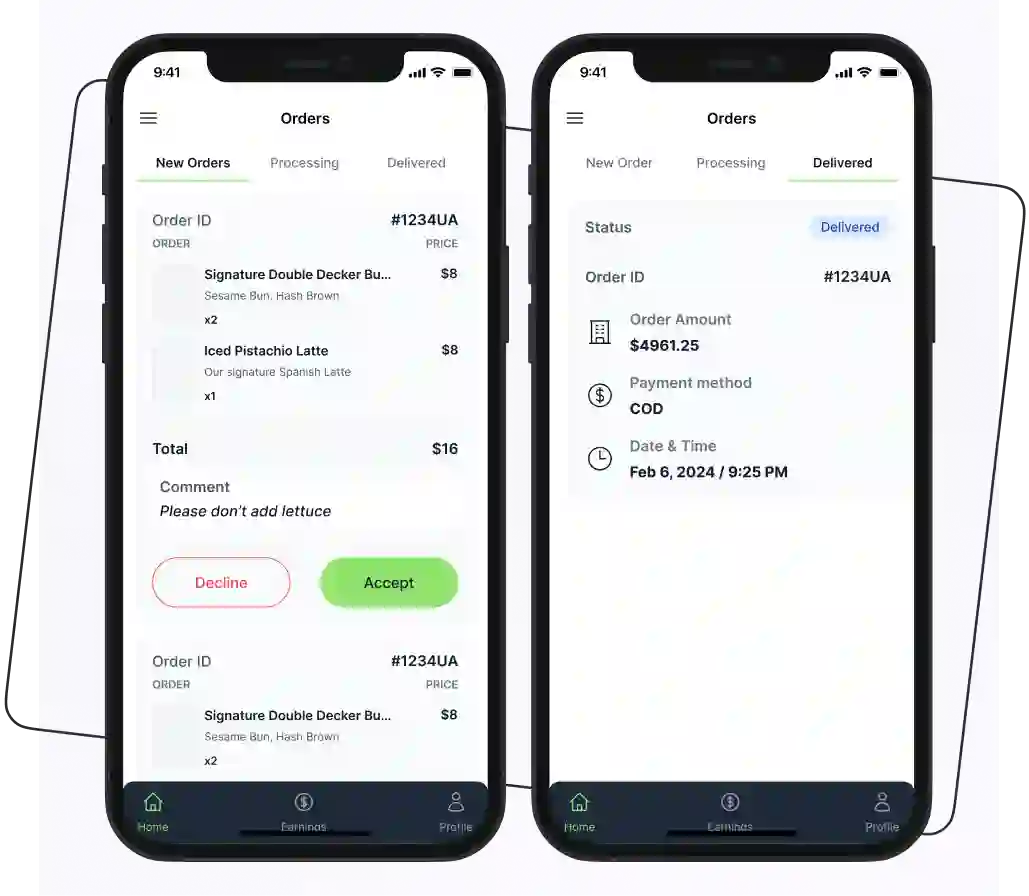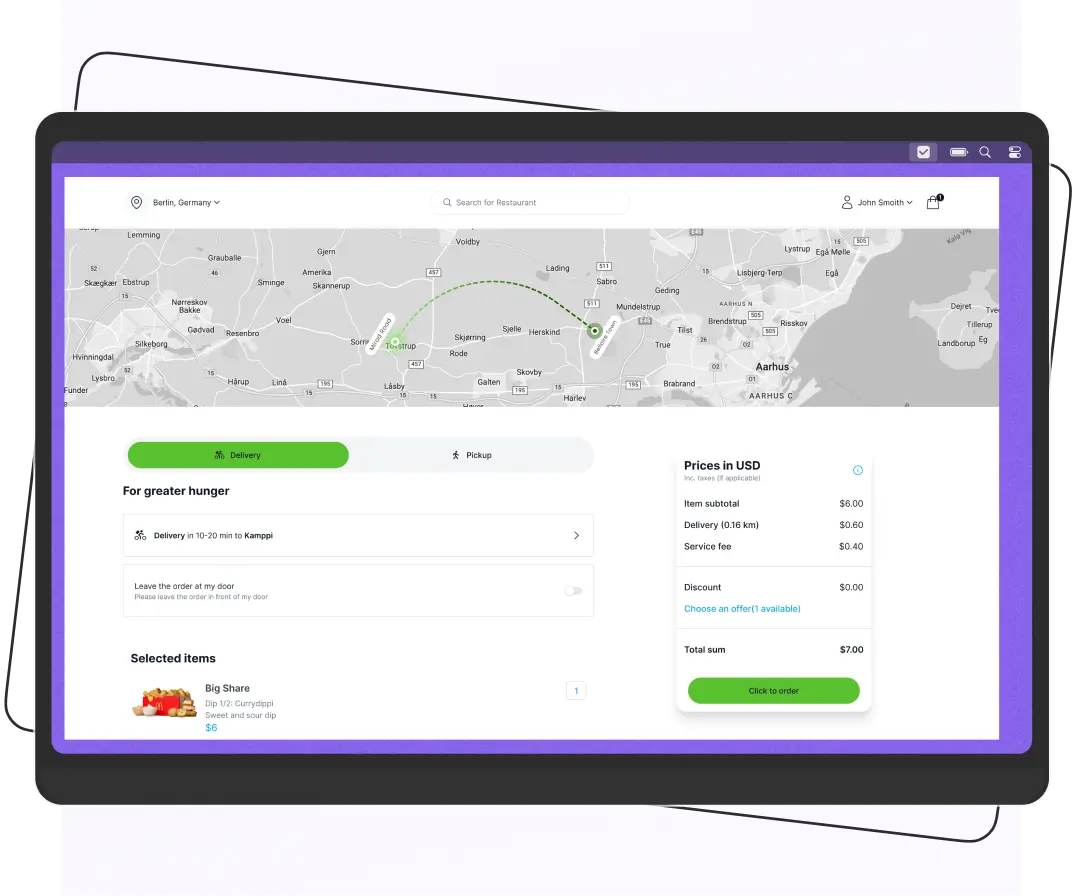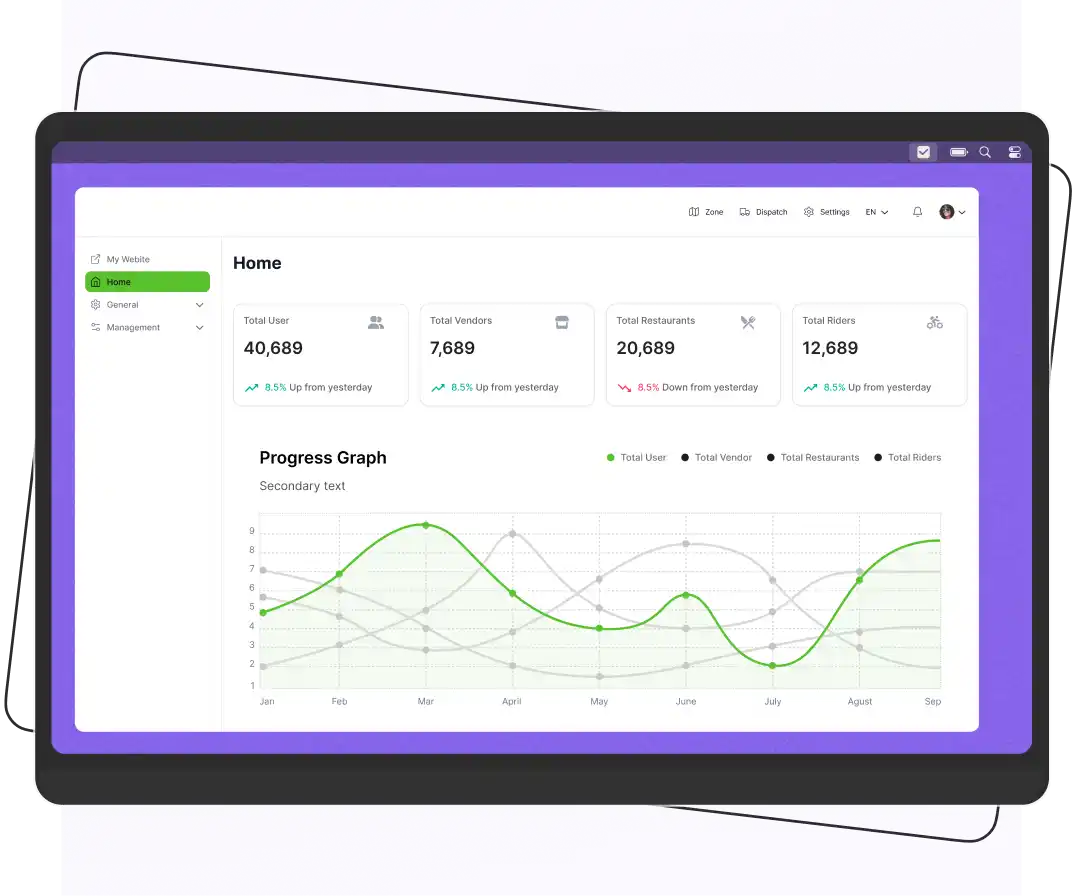
Get Backend API for Php Based Online Food Ordering System
The php based online food ordering system frontend is open-source and easy to adapt. Unlock backend API functionality by arranging a call with our team. Access documentation and case studies online.



Frequently Asked Questions
An online food ordering system using PHP works through the following steps: User Registration and Login: Users create accounts or log in to access personalized features. Menu Display: The system fetches and displays available food items from a database, allowing users to browse through categories. Order Placement: Users select items, customize their orders, and add them to a shopping cart. Checkout Process: At checkout, users review their orders, enter delivery details, and make secure payments through integrated payment gateways. Order Management: The backend (PHP) processes the order, updates the database, and notifies the restaurant about the new order. Real-Time Updates: Users can track their order status through real-time updates, often using AJAX for smooth interactions without refreshing the page.
PHP is a good choice for developing food ordering systems for several reasons: Server-Side Scripting: PHP is designed for web development, allowing for efficient handling of server-side tasks like database interactions and user authentication. Database Integration: It easily integrates with databases like MySQL, making it ideal for managing menu items, user data, and orders. Cost-Effective: PHP is open-source and widely supported, reducing development costs, especially for small to medium-sized projects. Speed and Performance: PHP scripts execute quickly, providing a responsive experience for users, which is crucial for online ordering systems. Large Community and Resources: A vast community means abundant resources, libraries, and frameworks (like Laravel) that can accelerate development and enhance functionality. Cross-Platform Compatibility: PHP runs on various platforms (Windows, Linux, macOS), making it flexible for deployment on different servers.
Building a food ordering system using PHP has some limitations: Concurrency Handling: PHP's synchronous nature can lead to challenges in handling multiple simultaneous requests, potentially affecting performance during peak times. Scalability: While PHP can scale, it may require additional effort and architecture changes (like implementing caching mechanisms) to handle a growing user base effectively. Limited Built-in Features: Unlike some modern frameworks, PHP may lack built-in features for real-time functionalities (like WebSocket support), requiring additional libraries or services. Development Speed: Depending on the complexity of the application, PHP can be slower to develop compared to more modern languages or frameworks with better abstraction and tools. Maintenance Challenges: As the codebase grows, maintaining a large PHP application can become cumbersome without proper coding standards and practices.
Yes, a PHP-based food ordering system can support multiple restaurants by structuring the database to manage separate menus and orders for each restaurant, along with an admin panel for restaurant owners to manage their offerings.




 IOS
IOS Android
 Web
Web