Get Backend API for Fast Food Online Ordering System
Build faster using the fast food online ordering system open-source frontend. To integrate the backend API, reach out to our sales team. Case studies and technical documentation are available.



Frequently Asked Questions
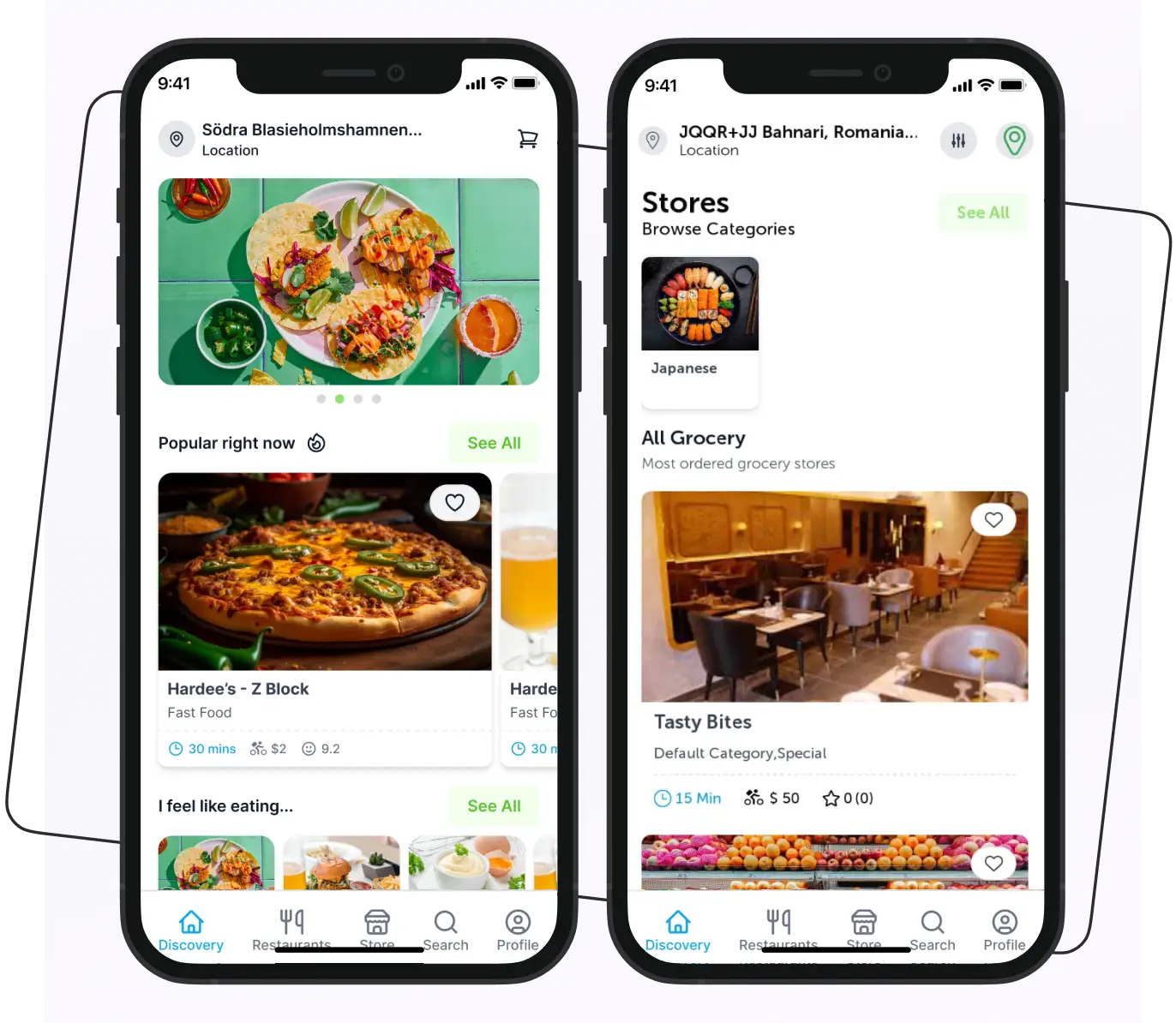
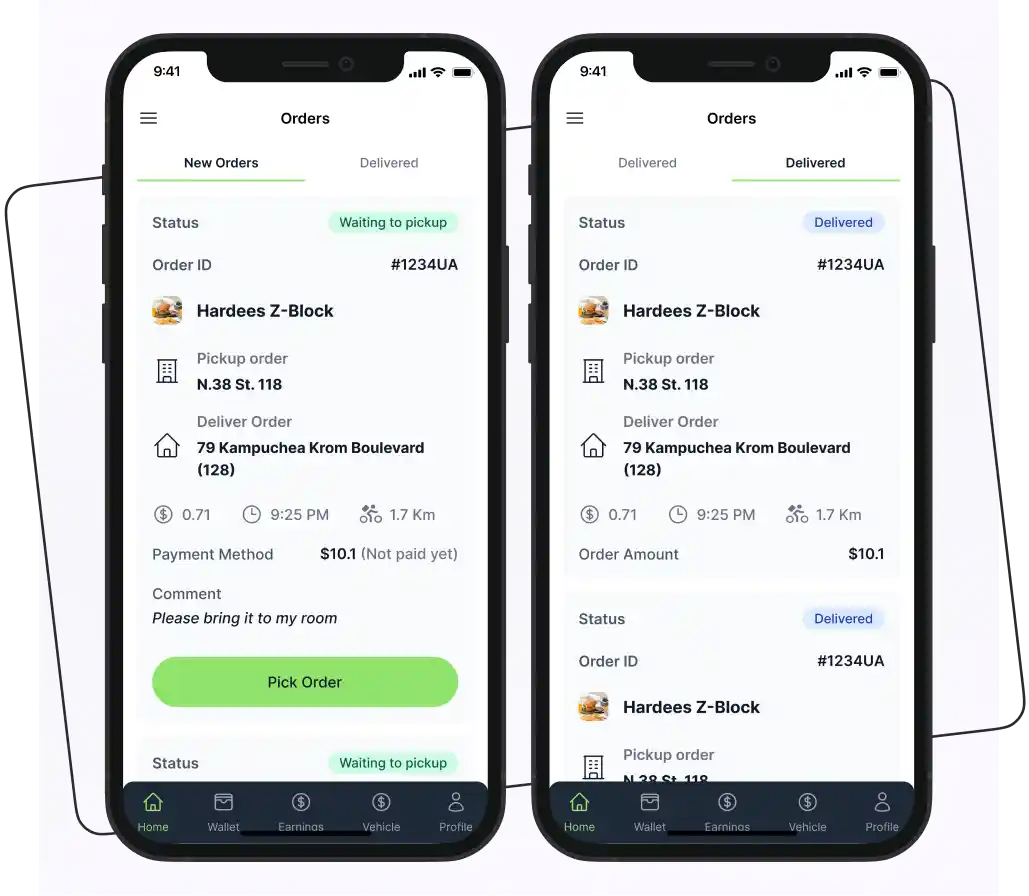
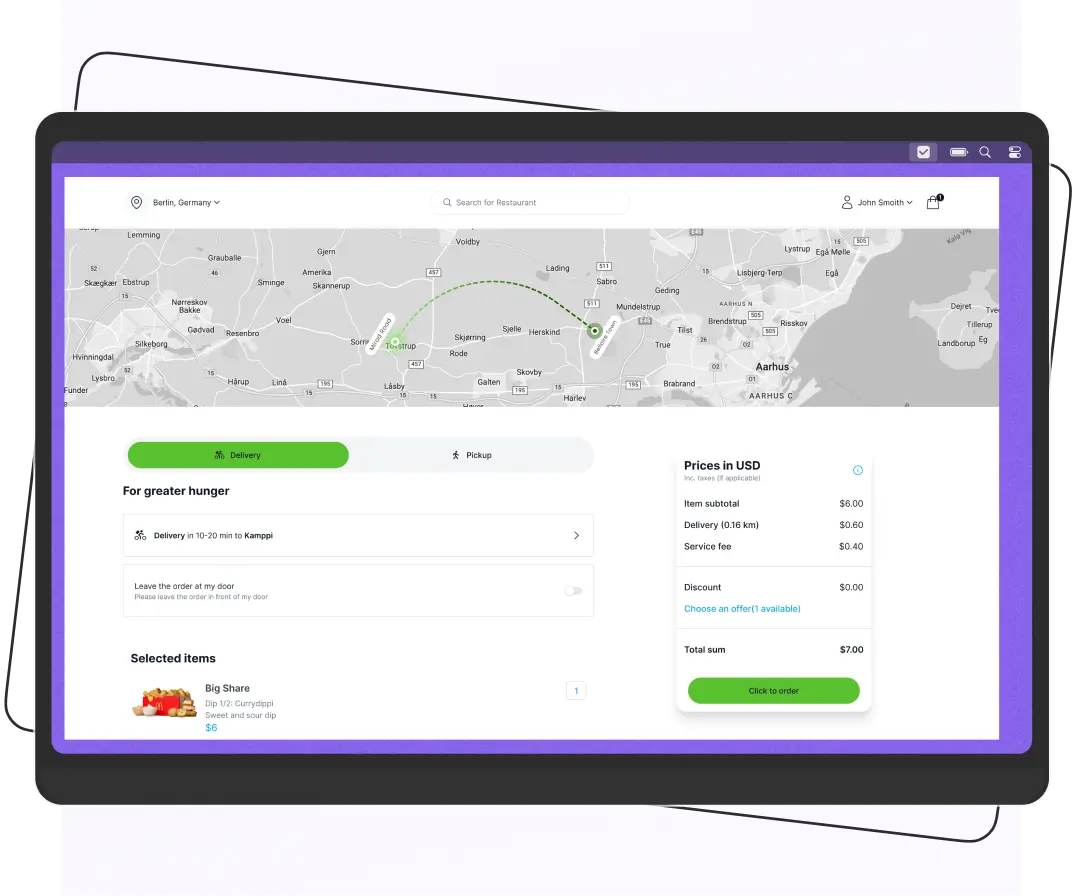
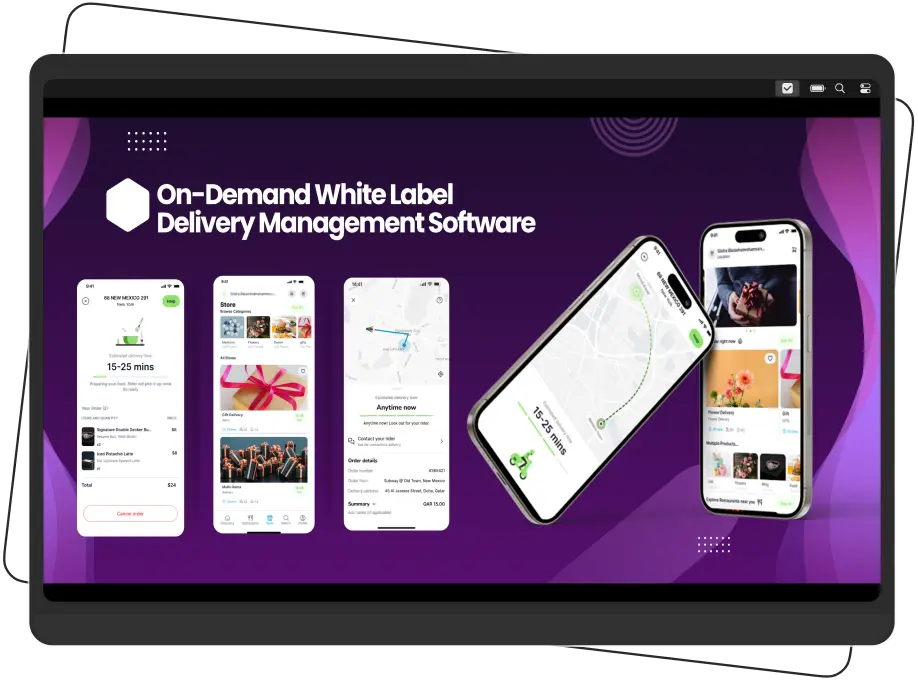
A fast food online ordering system is a digital platform that allows customers to place orders for food from fast food restaurants through a website or mobile app. Key components include: User Interface: An intuitive interface for customers to browse menus, customize orders, and view prices. Order Placement: Features for adding items to a cart, modifying orders, and proceeding to checkout. Payment Processing: Integration with various payment options, including credit cards, digital wallets, and cash on delivery. Order Confirmation: Immediate feedback to users upon order placement, along with estimated delivery times. Real-Time Tracking: Customers can track their orders from preparation to delivery. Promotions and Discounts: The system may offer promotional deals or loyalty rewards to encourage repeat business.
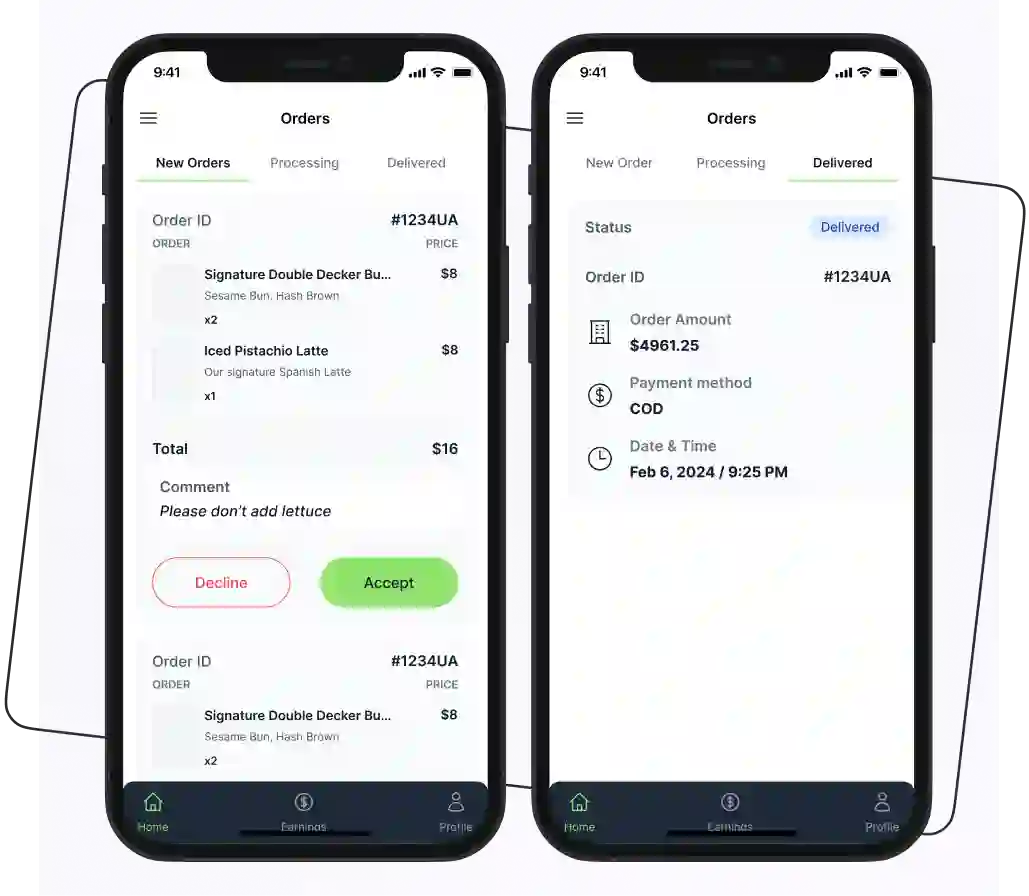
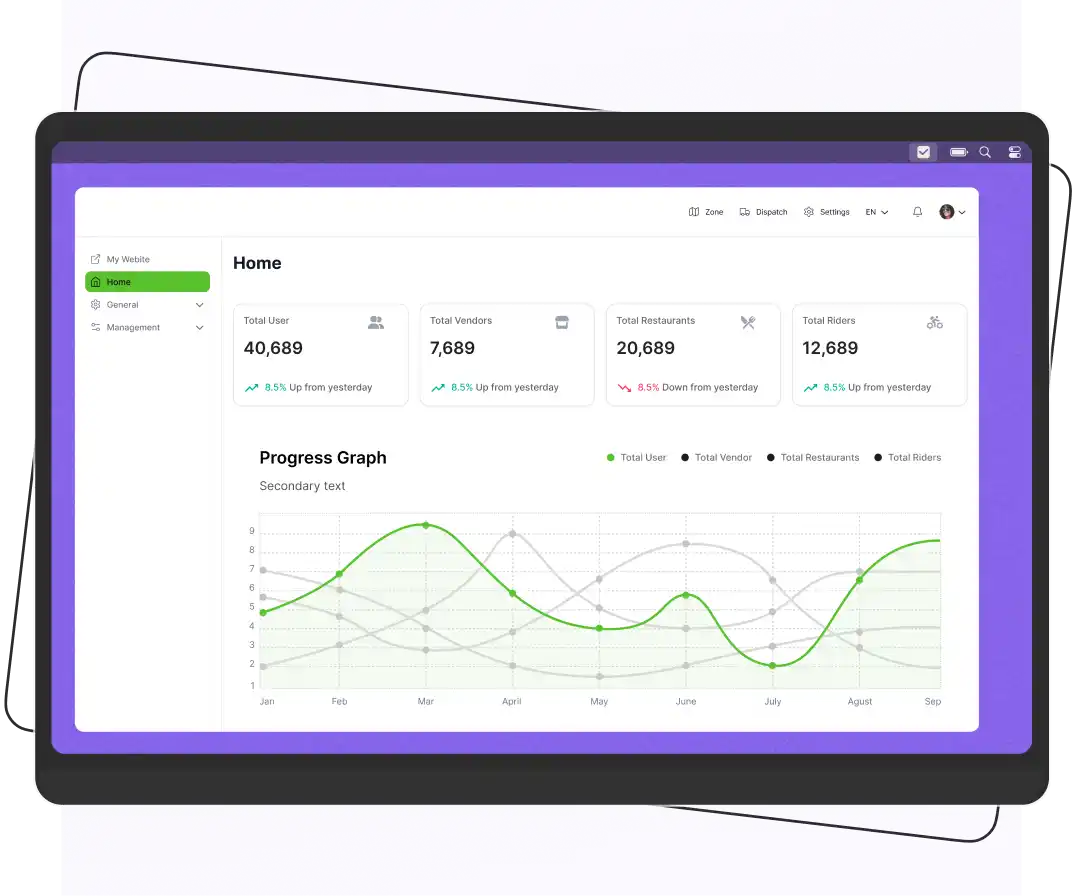
A fast food online ordering system should include the following features: User Registration and Login: Secure sign-up and authentication options. Menu Display: Easy navigation to view food items, including descriptions, images, and prices. Customizable Orders: Options to modify orders (e.g., add toppings, choose sizes). Shopping Cart: A cart feature to review and edit selected items before checkout. Payment Integration: Support for various payment methods, including credit/debit cards, digital wallets, and cash on delivery. Order Confirmation: Instant confirmation and estimated delivery or pickup times. Order Tracking: Real-time updates on order status from preparation to delivery. Search and Filters: Functionality to search for specific items or apply filters based on dietary preferences. Promotions and Discounts: Option to apply promo codes and view special offers. User Reviews and Ratings: Customers can leave feedback on their experience and rate their orders. Admin Dashboard: Backend management tools for restaurants to manage orders, inventory, and customer interactions. Customer Support: Access to help through chat, email, or phone for inquiries or issues.
Restaurants need a fast food online ordering system for several key reasons: Increased Sales: Online ordering can boost sales by making it easier for customers to place orders, especially during peak hours. Convenience: It offers customers a quick and convenient way to order, which can enhance their overall experience and satisfaction. Operational Efficiency: Streamlines the ordering process, reduces wait times, and minimizes errors associated with manual order taking. Wider Reach: Expands the restaurant's customer base by allowing online access, attracting tech-savvy consumers and those who prefer delivery. Data Insights: Provides valuable data on customer preferences and ordering patterns, helping restaurants tailor their offerings and marketing strategies. Reduced Staffing Needs: Less reliance on staff for taking orders allows employees to focus on food preparation and customer service. Marketing Opportunities: Online platforms can facilitate promotions and loyalty programs, encouraging repeat business.
The cost to develop a fast food online ordering system ranges from $25,000 to $150,000, depending on features, complexity, and the development team's location. Customizations and advanced functionalities can significantly influence the final price.
Cloud-based fast food ordering software offers several benefits: Accessibility: Users can access the system from anywhere with an internet connection, facilitating remote management and ordering. Scalability: Easily scalable to accommodate growing customer demands and additional locations without significant infrastructure changes. Cost-Effectiveness: Reduces the need for expensive hardware and maintenance costs, as updates and management are handled by the service provider. Real-Time Data: Provides real-time insights and analytics on sales, inventory, and customer behavior, aiding in informed decision-making. Automatic Updates: Ensures the software is always up-to-date with the latest features and security measures without manual intervention. Improved Collaboration: Allows for better collaboration among staff, as multiple users can access and update the system simultaneously.




 IOS
IOS Android
 Web
Web