Get Backend API for Online Flower Delivery App
Explore the online flower delivery app frontend without restrictions. The backend API is licensed separately—get in touch with our team to enable it. Resources and demos are accessible.



Frequently Asked Questions
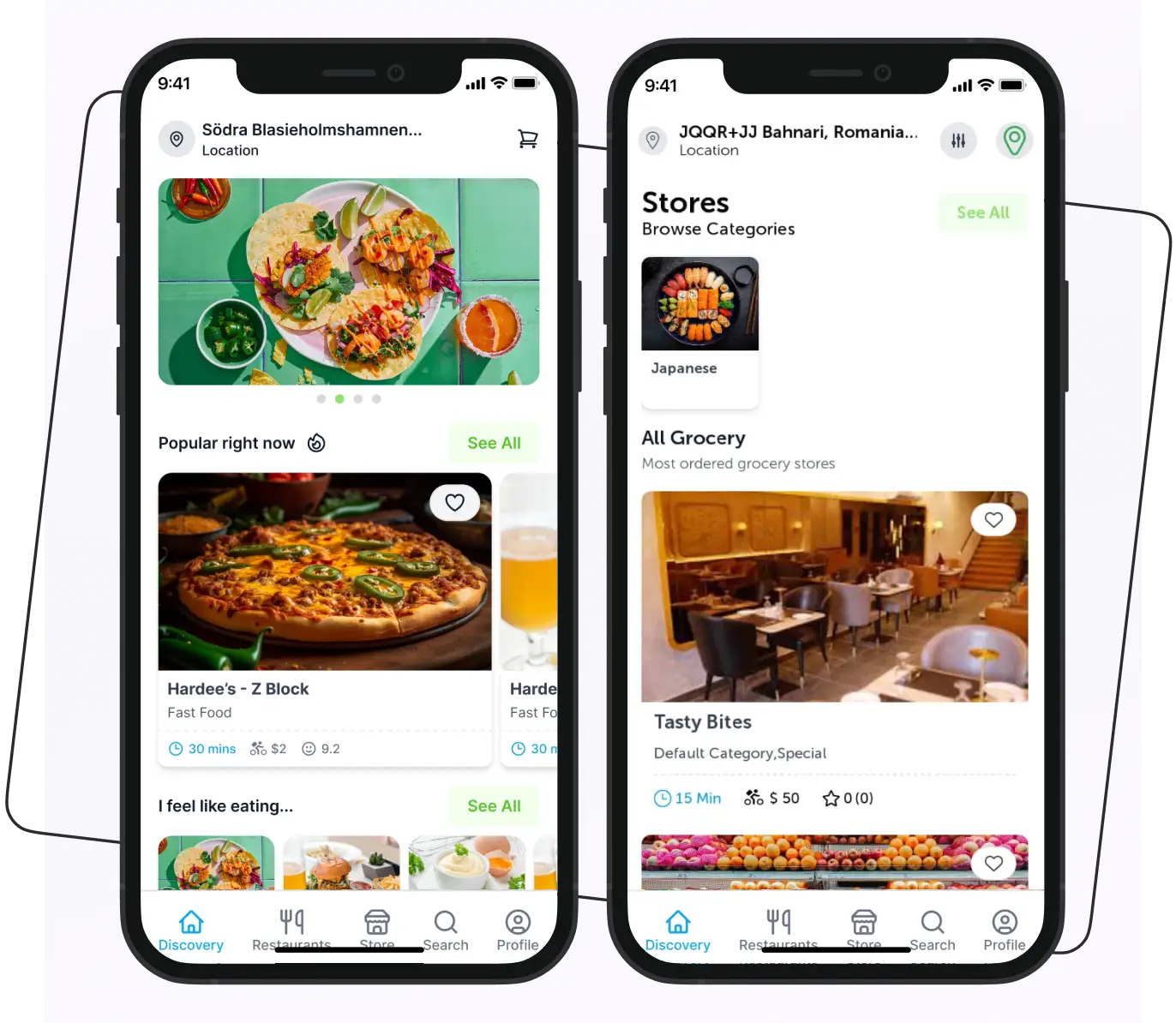
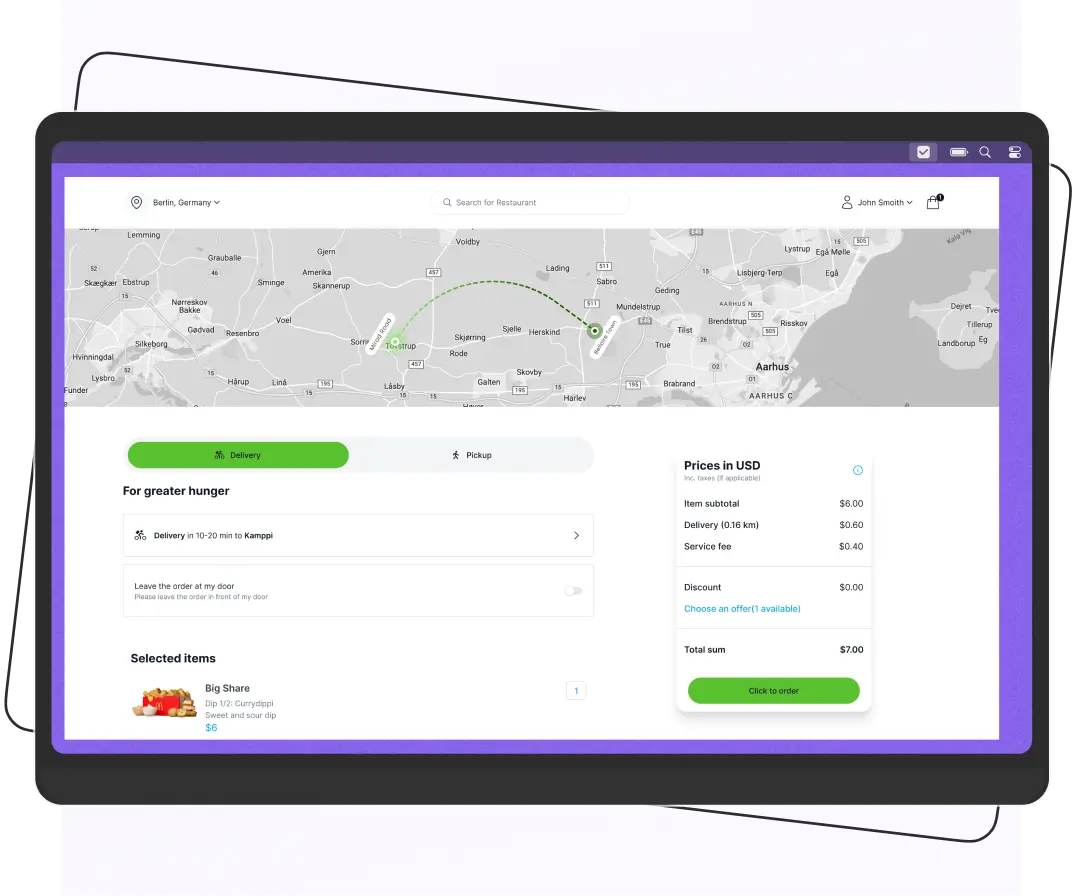
An online flower delivery app is a platform that allows users to browse, select, and order flowers for delivery to a specified location. Here's how it works: User Interface: Customers can access a user-friendly app or website to view a variety of flower arrangements, bouquets, and gifts. Product Selection: Users can filter flowers by occasion, type, price, or popularity, making it easy to find suitable options. Customization: Many apps allow users to customize their orders, such as selecting specific flowers, adding notes, or choosing packaging. Delivery Scheduling: Customers can choose delivery dates and times, often with same-day or next-day delivery options. Payment Processing: Secure payment options are provided, allowing users to complete their orders using credit/debit cards, digital wallets, or gift cards. Order Tracking: Users receive confirmation and tracking details to monitor their delivery status in real-time.
Online flower delivery apps are becoming increasingly popular for gifting due to several factors: Convenience: Users can order flowers anytime and from anywhere, eliminating the need to visit a physical store. Wide Selection: These apps typically offer a diverse range of arrangements and gifts, catering to various occasions. Same-Day Delivery: Many apps provide quick delivery options, allowing users to send last-minute gifts. Customization Options: Customers can personalize orders with messages, specific flowers, or unique arrangements. User-Friendly Experience: Intuitive interfaces make it easy to browse, select, and purchase flowers with minimal effort. Subscription Services: Some apps offer subscription models for regular deliveries, catering to ongoing gifting or home decor needs. Promotions and Discounts: Frequent offers and deals attract customers looking for value.
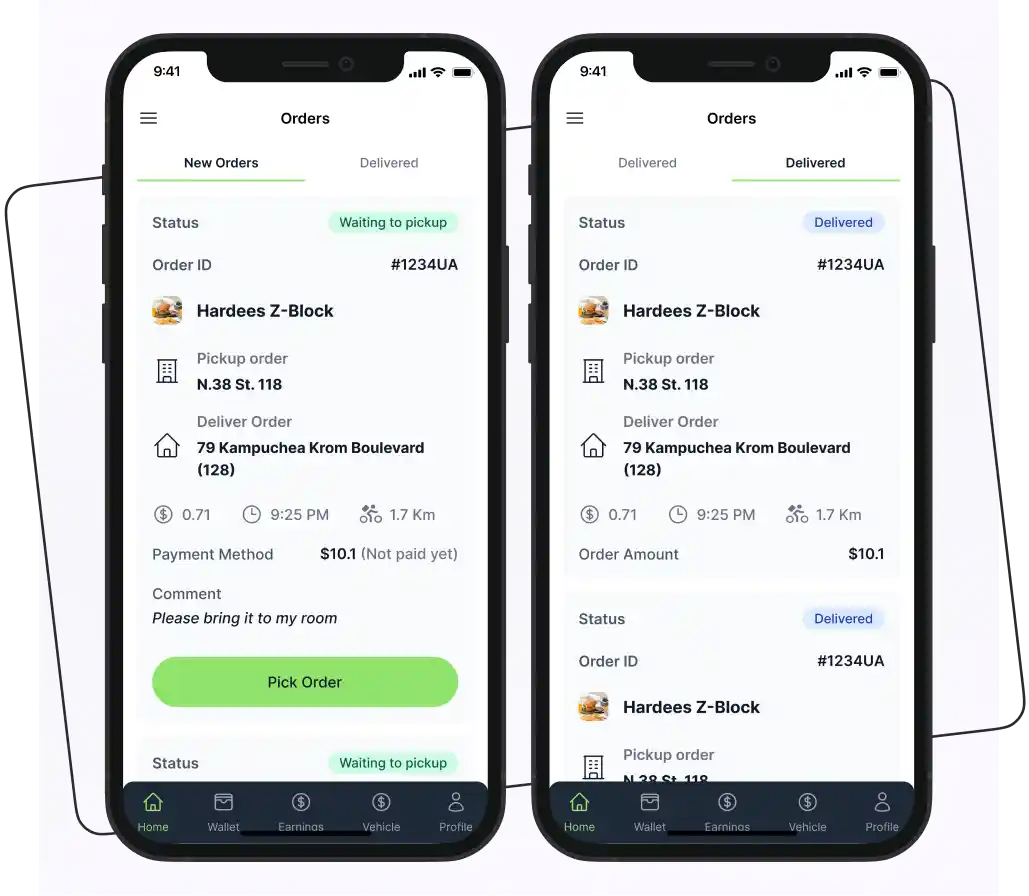
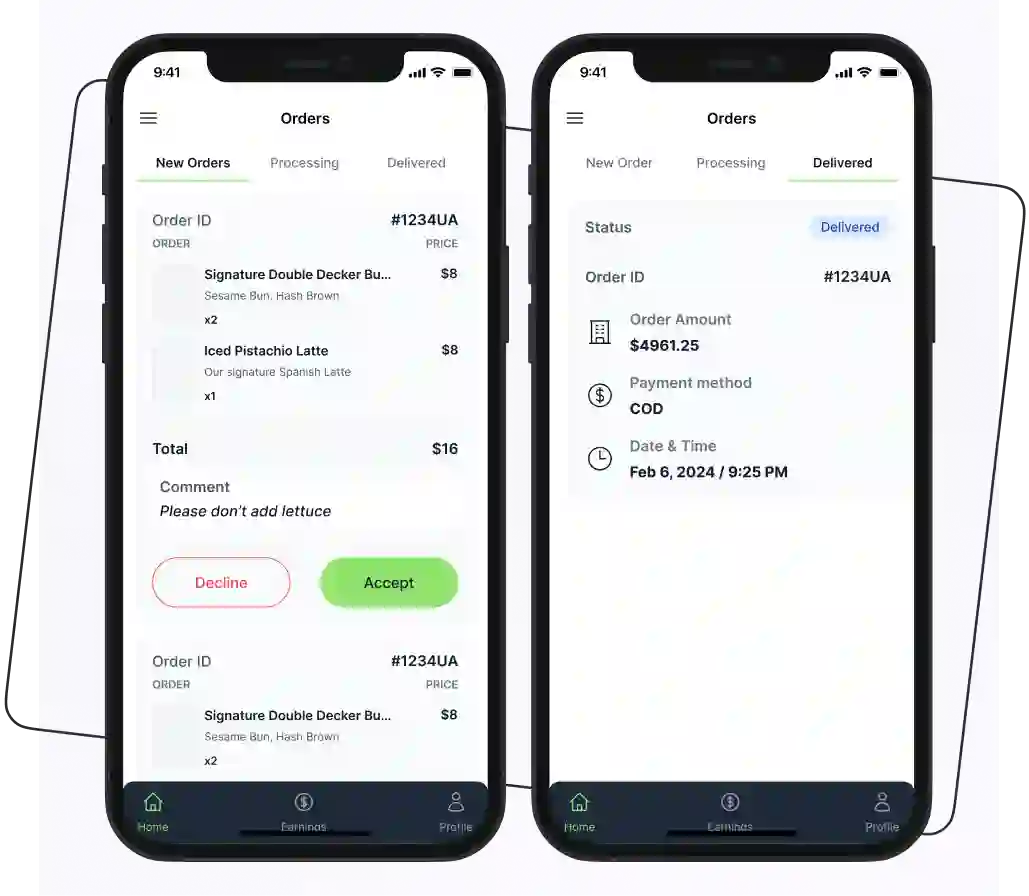
An online flower delivery app connects local florists with online buyers through the following mechanisms: Vendor Partnerships: The app establishes partnerships with local florists, allowing them to list their products and services on the platform. Product Listings: Florists provide details about their flower arrangements, prices, and availability, which are displayed on the app for users to browse. Order Management System: When a buyer places an order, the app routes it directly to the relevant florist, who then prepares the arrangement for delivery. Real-Time Inventory: The app often integrates real-time inventory management, ensuring that customers can only order available products. Delivery Logistics: The app coordinates delivery, often using local courier services or in-house delivery personnel to ensure timely service. Payment Processing: Secure payment gateways handle transactions, allowing florists to receive payments seamlessly once orders are fulfilled. Customer Feedback: Post-delivery, customers can leave reviews, helping to build a florists' reputation within the app and encouraging quality service.
A florist can register and start selling on an online flower delivery app by following these steps: Sign Up: Visit the app's website or download the app and complete the registration process, usually involving filling out a form with business details. Provide Business Information: Submit necessary information such as the florist's name, shop location, contact details, and business license if required. Upload Product Catalog: Add flower arrangements and products to the platform, including descriptions, pricing, and high-quality images. Set Delivery Options: Specify delivery areas, timelines, and any associated delivery fees. Payment Setup: Configure payment options, including bank account details for receiving payments and preferred payment methods. Training and Support: Participate in any onboarding or training sessions provided by the app to understand how to use the platform effectively. Promotions: Use promotional features, if available, to attract customers and enhance visibility on the app.








 IOS
IOS Android
 Web
Web