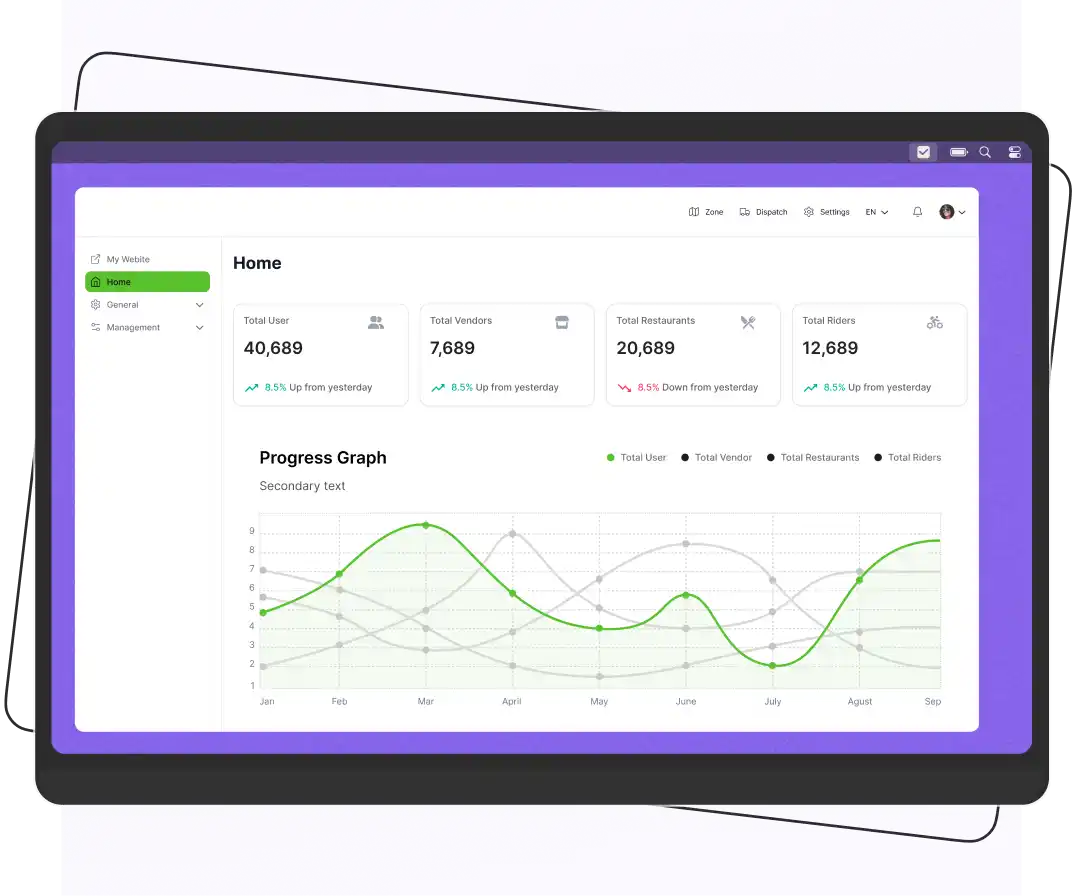
Get Backend API for Food Delivery App Android Studio Java
Explore the food delivery app android studio java frontend without restrictions. The backend API is licensed separately—get in touch with our team to enable it. Resources and demos are accessible.



Frequently Asked Questions
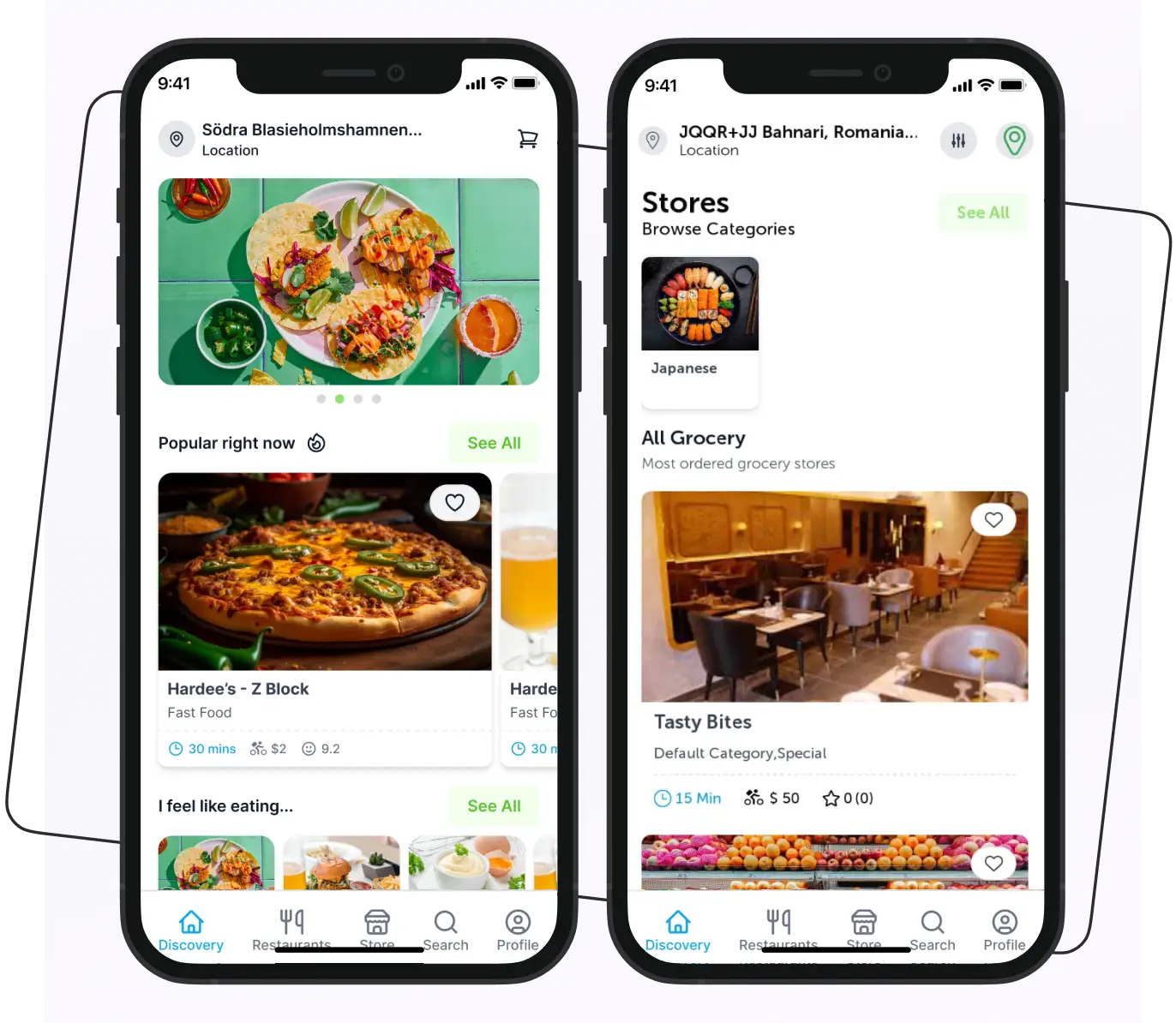
To develop a food delivery app using Android Studio and Java, follow these steps: 1. Set Up Android Studio Download and install Android Studio. Create a new project using the "Empty Activity" template. 2. Define App Structure Organize the app into modules: User Interface, Restaurant Management, Order Processing, etc. 3. Design UI/UX Use XML for layout design, focusing on user-friendly interfaces for browsing restaurants and placing orders. 4. Implement Features User Authentication: Use Firebase Authentication or your backend for user login and registration. Restaurant Listings: Fetch restaurant data from a backend service (e.g., REST API) and display it in a RecyclerView. Order Management: Implement features for adding items to the cart, customizing orders, and placing orders. 5. Integrate Payment Gateway Use libraries like Stripe or PayPal SDK for secure payment processing. 6. Real-Time Tracking Implement real-time tracking using Firebase Realtime Database or similar services for order updates. 7. Testing Conduct thorough testing on different devices and Android versions to ensure compatibility and performance. 8. Deployment Prepare the app for release and publish it on the Google Play Store, following their guidelines.
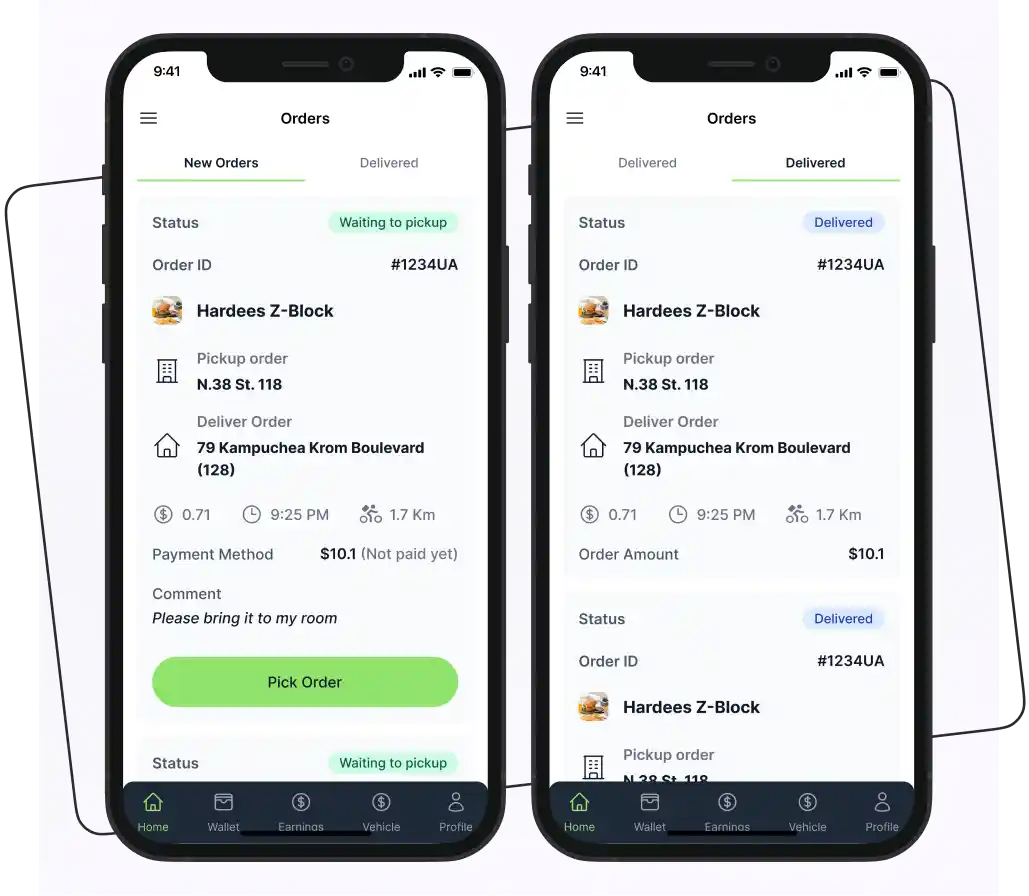
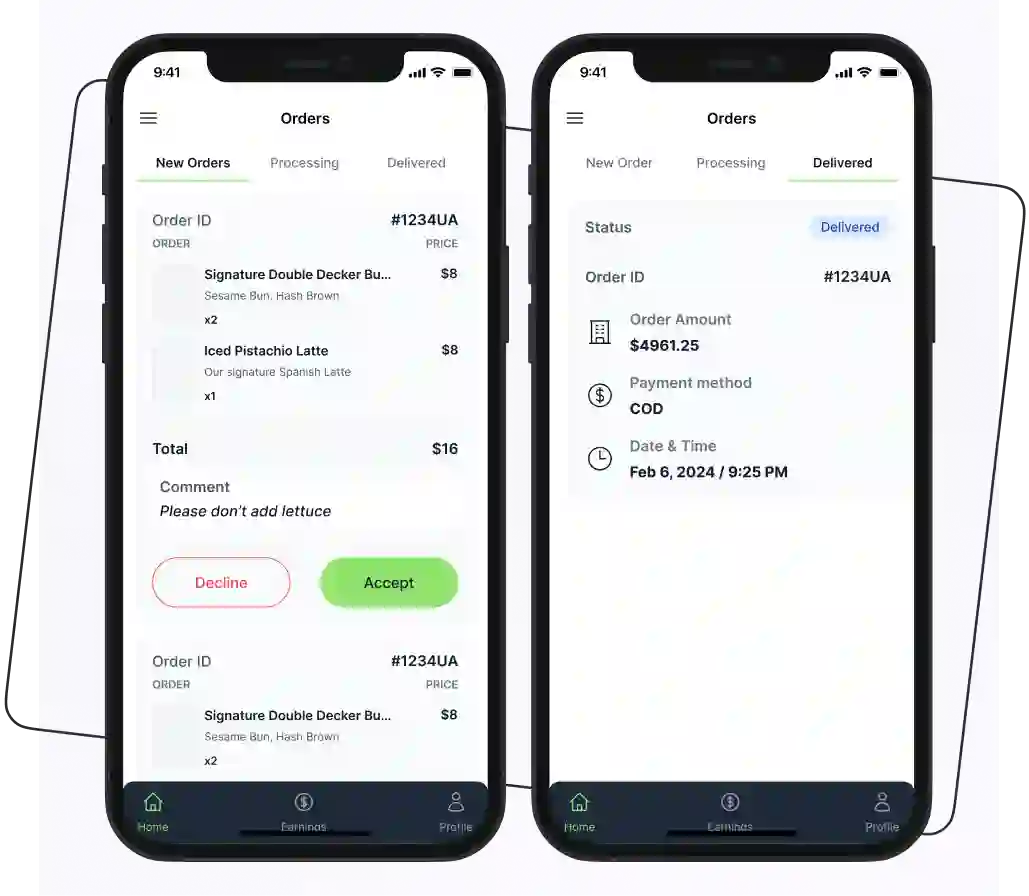
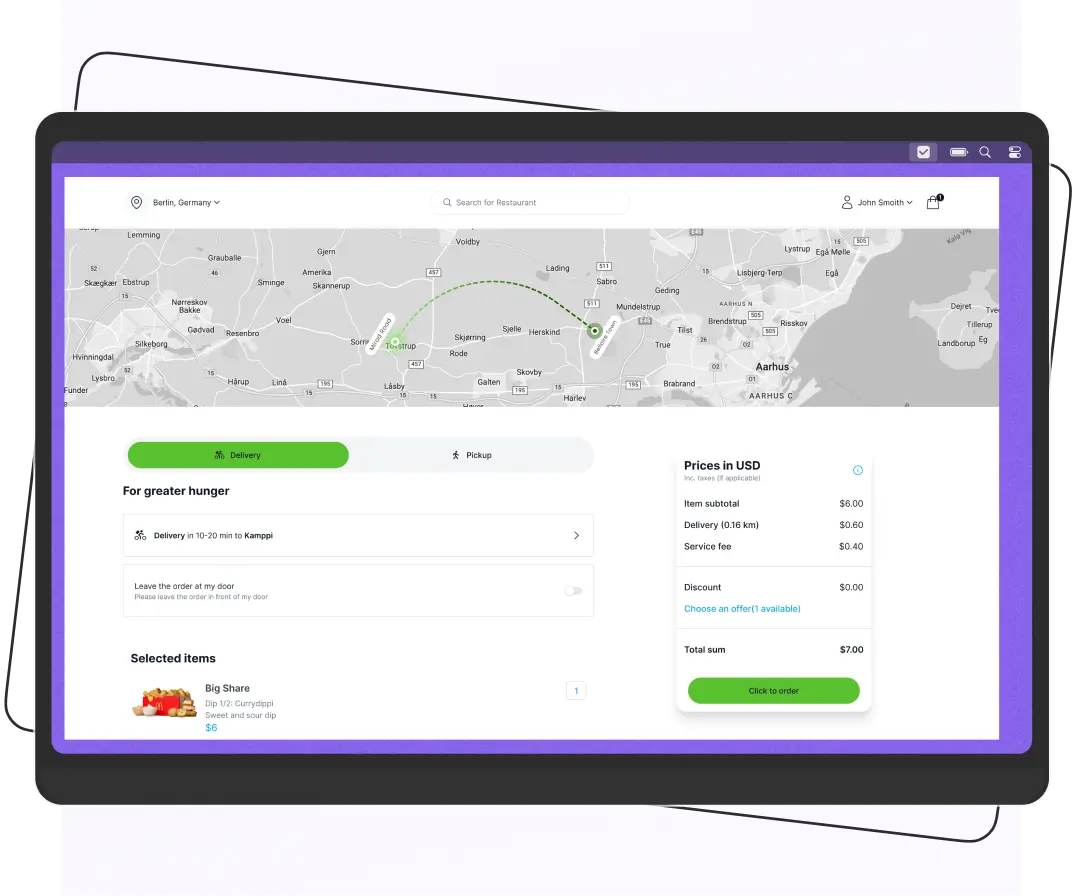
Key features of a Java-based food delivery app include: 1. User Authentication Secure registration and login for customers and restaurant owners. 2. Restaurant Listings Comprehensive directory of restaurants with menus, prices, ratings, and reviews. 3. Order Management User-friendly interface for placing, customizing, and tracking orders. 4. Payment Integration Support for multiple payment methods, including credit/debit cards and digital wallets. 5. Real-Time Order Tracking Live updates on order status from preparation to delivery. 6. Admin Dashboard Management tools for overseeing restaurants, orders, and customer feedback. 7. Push Notifications Alerts for order confirmations, updates, and promotional offers. 8. User Reviews and Ratings Feedback system for customers to rate their experience and share comments. 9. Promotions and Discounts Options for managing promotional campaigns and loyalty programs. 10. Multi-Language and Currency Support Features to cater to diverse user bases, accommodating different regions.
Key features of a Java-based food delivery app include: 1. User Authentication Secure registration and login for customers and restaurant owners. 2. Restaurant Listings Comprehensive directory of restaurants with menus, prices, ratings, and reviews. 3. Order Management User-friendly interface for placing, customizing, and tracking orders. 4. Payment Integration Support for multiple payment methods, including credit/debit cards and digital wallets. 5. Real-Time Order Tracking Live updates on order status from preparation to delivery. 6. Admin Dashboard Management tools for overseeing restaurants, orders, and customer feedback. 7. Push Notifications Alerts for order confirmations, updates, and promotional offers. 8. User Reviews and Ratings Feedback system for customers to rate their experience and share comments. 9. Promotions and Discounts Options for managing promotional campaigns and loyalty programs. 10. Multi-Language and Currency Support Features to cater to diverse user bases, accommodating different regions.
Developing a food delivery app using Java for Android typically costs between $15,000 and $150,000, depending on features, complexity, and development time.




 IOS
IOS Android
 Web
Web