Get Backend API for On Demand Apps For Food Ordering
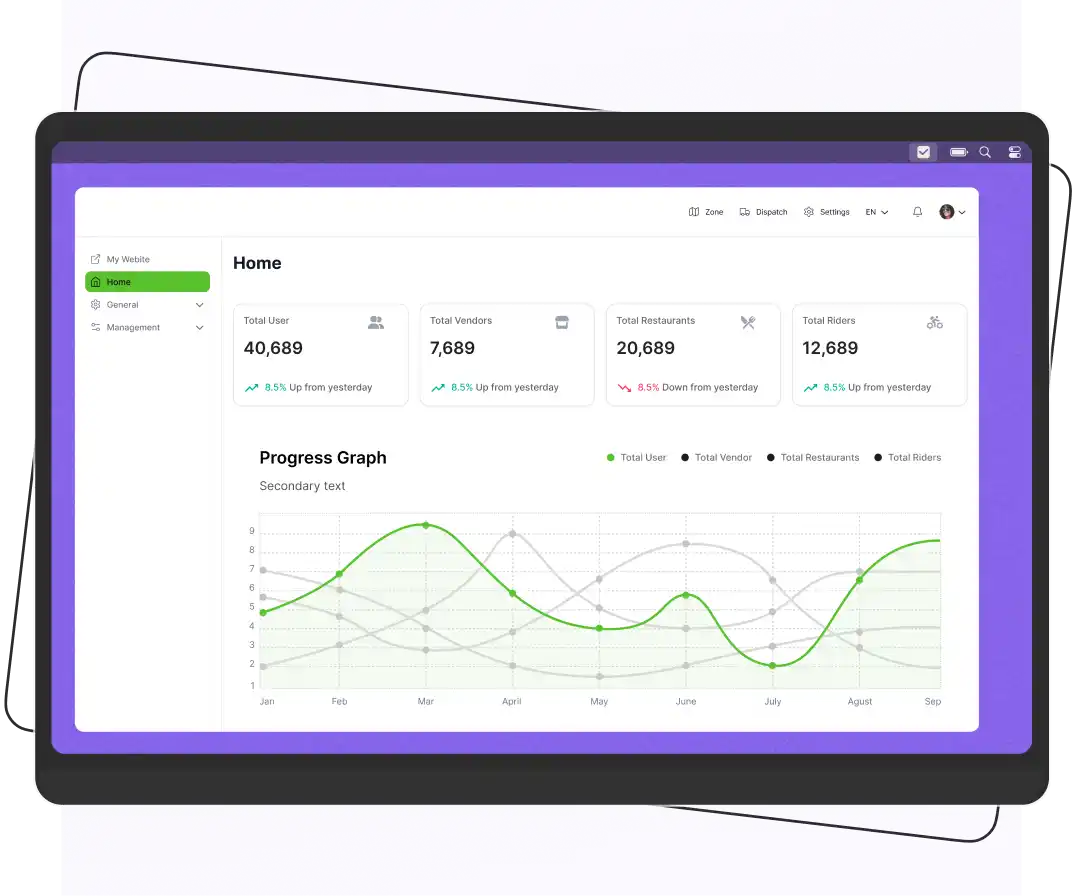
Launch your on demand apps for food ordering project quickly using the free frontend. The backend API requires a commercial license—schedule a consultation with our sales staff. Resources are included.



Frequently Asked Questions
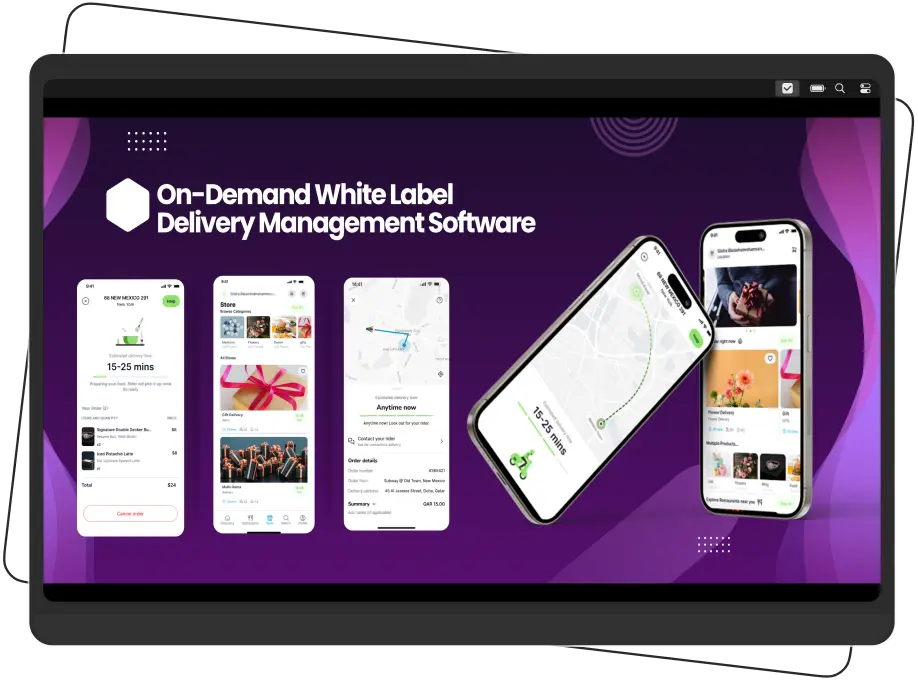
On-demand apps for food ordering are mobile applications that allow customers to order food from restaurants and have it delivered quickly, within a short timeframe.
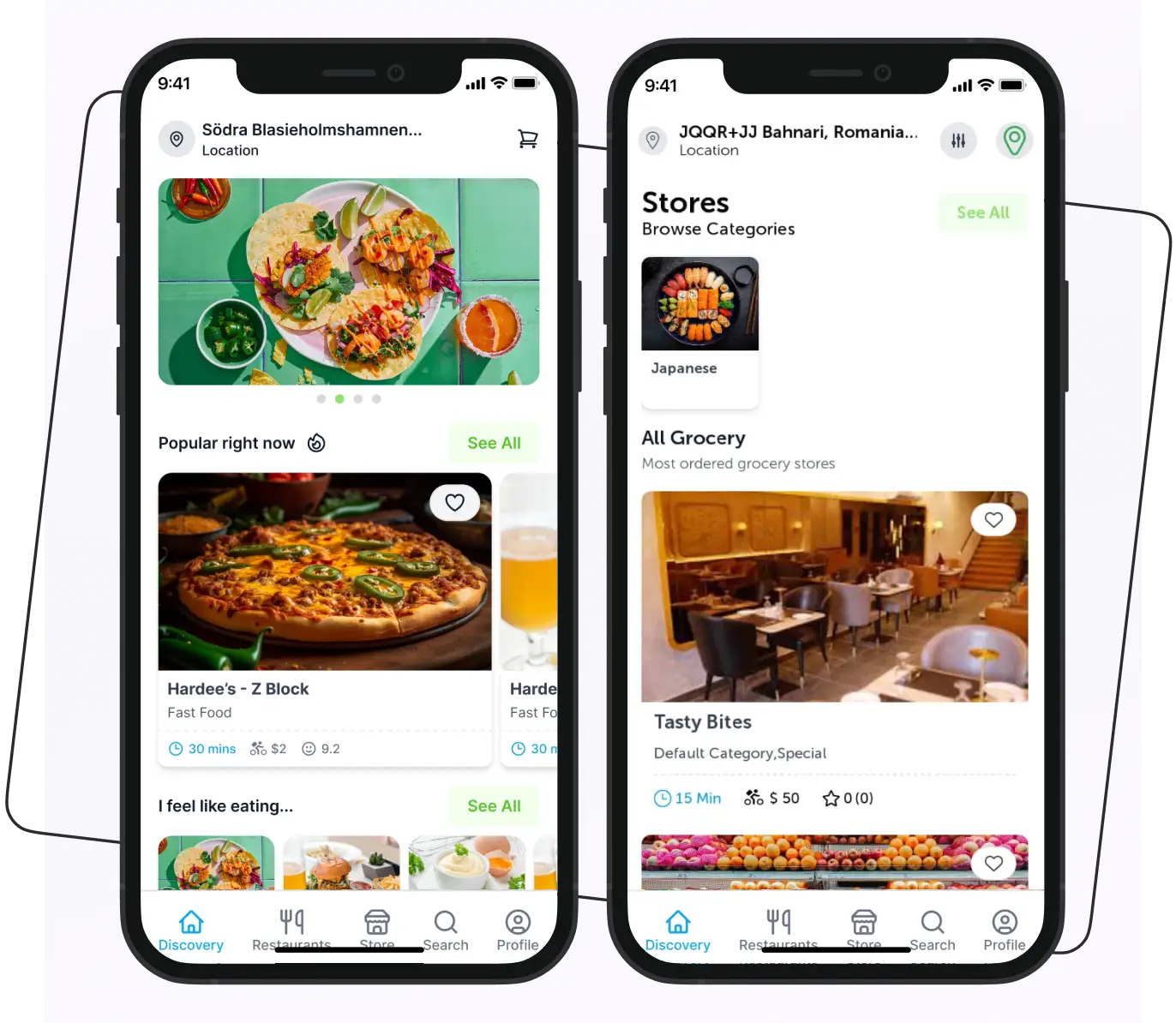
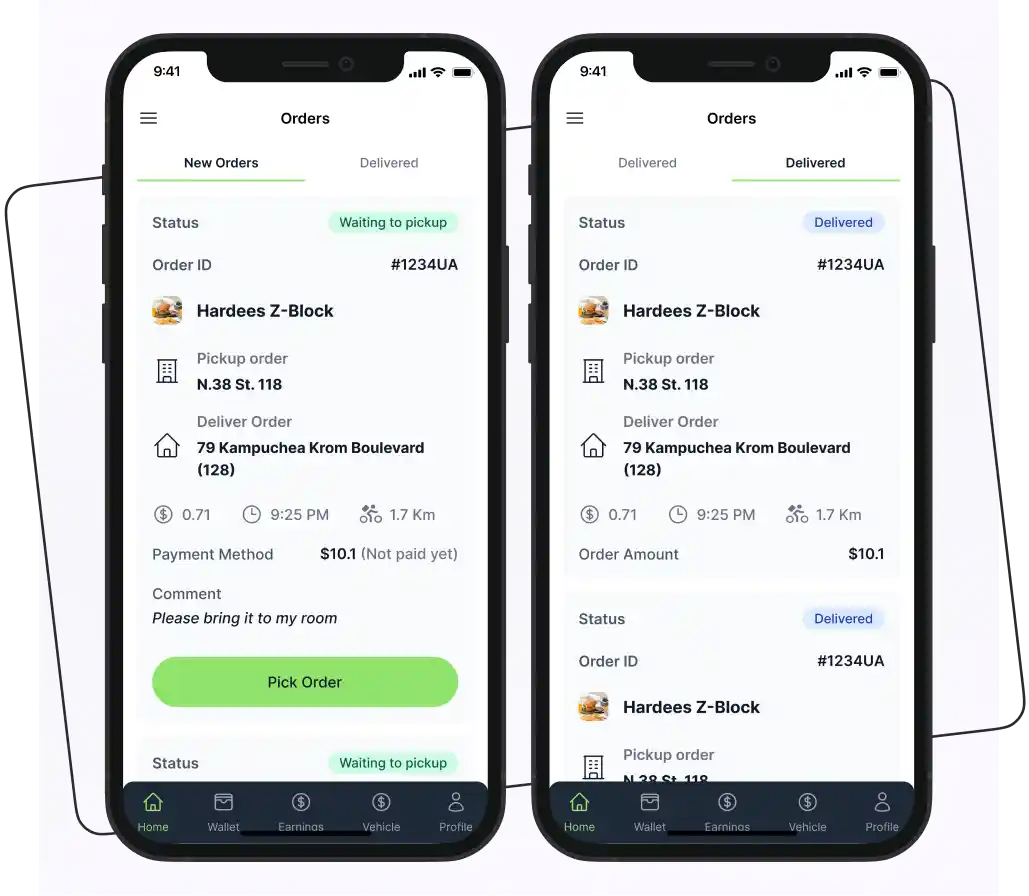
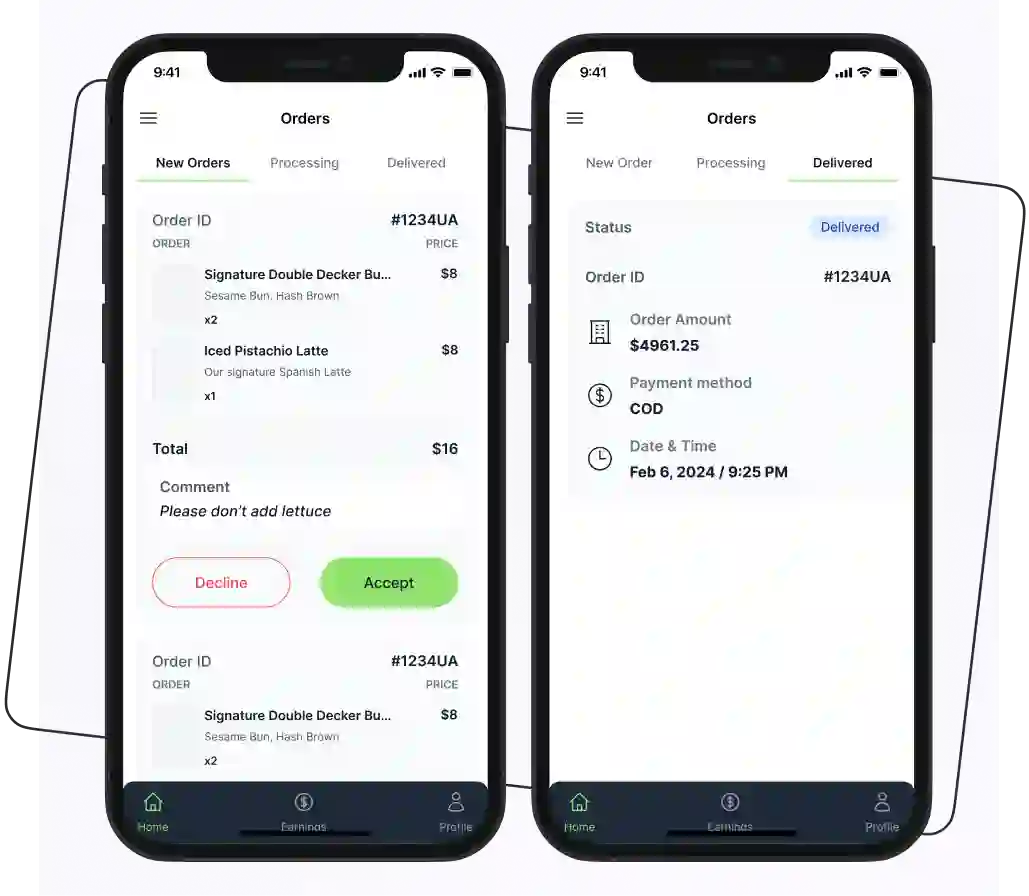
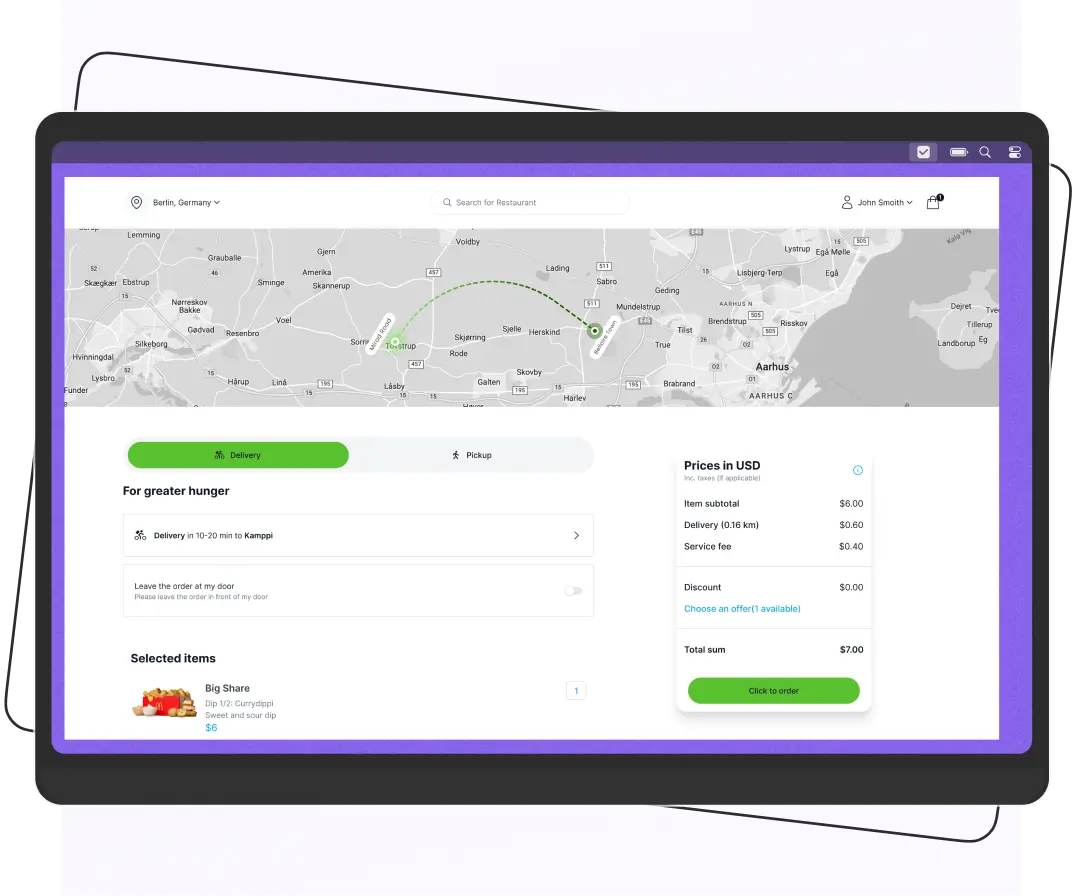
On-demand food ordering apps function through a streamlined process that benefits both customers and restaurants. Here’s how it works for each party: For Customers: App Installation: Customers download the app on their smartphones. Account Creation: They create an account or log in to access personalized features. Menu Browsing: Customers browse through a wide selection of restaurants and their menus. Order Placement: They select items, customize their orders, and add them to the cart. Checkout Process: Customers review their orders, enter delivery details, and choose a payment method. Order Confirmation: After payment, they receive an order confirmation along with estimated delivery time. Order Tracking: Customers can track their order in real-time as it is prepared and delivered. Feedback: After receiving their food, customers can leave reviews and ratings for the restaurant. For Restaurants: Registration: Restaurants sign up on the platform and create a profile. Menu Management: They upload their menu items, prices, and availability, which can be updated in real-time. Order Notifications: When a customer places an order, the restaurant receives a notification through the app or an admin dashboard. Order Preparation: Staff prepares the food as per the order details. Delivery Coordination: Restaurants can either manage delivery themselves or partner with delivery services integrated into the app. Order Management: Restaurants can track incoming orders, manage inventory, and monitor sales through a dedicated dashboard. Customer Engagement: They can offer promotions and respond to customer feedback to improve service.
Here are some of the top On-demand apps for food ordering in the USA: Uber Eats: Offers a wide range of restaurant options and quick delivery, leveraging Uber's extensive network. DoorDash: Known for its vast restaurant partnerships and user-friendly interface, with features like DashPass for free delivery on eligible orders. Grubhub: One of the pioneers in food delivery, Grubhub provides a large selection of restaurants and various payment options. Seamless: A subsidiary of Grubhub, Seamless focuses on a simplified ordering experience, primarily in urban areas. Caviar: Targets higher-end dining options, providing delivery from upscale restaurants that may not be available on other platforms. Deliveroo: While primarily popular in the UK, it has made strides in the US market with efficient delivery services and restaurant partnerships.
Building an On-demand food ordering app for your restaurant involves several key steps: 1. Define Your Requirements Identify the features you want (e.g., menu management, payment integration, order tracking). Determine your target audience and their needs. 2. Choose a Development Approach Custom Development: Hire a development team to build a tailored solution. App Builders: Use platforms like Appy Pie or BuildFire for a quicker, no-code option. Frameworks: Consider using frameworks like Flutter or React Native for cross-platform development. 3. Design the User Interface Create wireframes and prototypes to visualize user flow. Focus on a user-friendly interface for both customers and restaurant staff. 4. Develop the App Frontend Development: Build the user interface for customers and restaurant staff. Backend Development: Set up servers, databases, and APIs for order management and payment processing. Use languages like PHP, JavaScript, or Python, and databases like MySQL. 5. Integrate Payment Gateway Choose a secure payment processing solution (e.g., Stripe, PayPal) to handle transactions. 6. Implement Order Management System Create a dashboard for tracking orders, managing inventory, and updating menus. 7. Testing Conduct thorough testing to identify and fix bugs. Ensure the app works smoothly across different devices and operating systems. 8. Launch and Promote Launch your app on platforms like the App Store and Google Play. Use marketing strategies (social media, promotions) to attract users. 9. Gather Feedback and Iterate Collect user feedback to make improvements. Regularly update the app to add features and enhance security.
Here are some of the latest trends in on-demand food ordering app development. AI and Machine Learning: Using AI for personalized recommendations, predictive analytics, and customer service chatbots enhances user experience. Contactless Delivery: Increasing demand for contactless options, including no-contact delivery and curbside pickup, due to health concerns. Subscription Models: Offering subscription services for regular customers to provide discounts and exclusive deals. Voice Ordering: Incorporating voice recognition technology for hands-free ordering through smart devices like Alexa or Google Assistant. Augmented Reality (AR): Using AR for virtual menu previews or to enhance the dining experience with interactive elements. Multi-Platform Integration: Ensuring compatibility across various devices and platforms, including web, iOS, and Android, for seamless user experiences. Blockchain for Transparency: Utilizing blockchain technology for secure and transparent transaction processes, particularly for tracking food sourcing. Social Media Integration: Enabling sharing of orders or experiences on social media platforms to leverage word-of-mouth marketing.




 IOS
IOS Android
 Web
Web