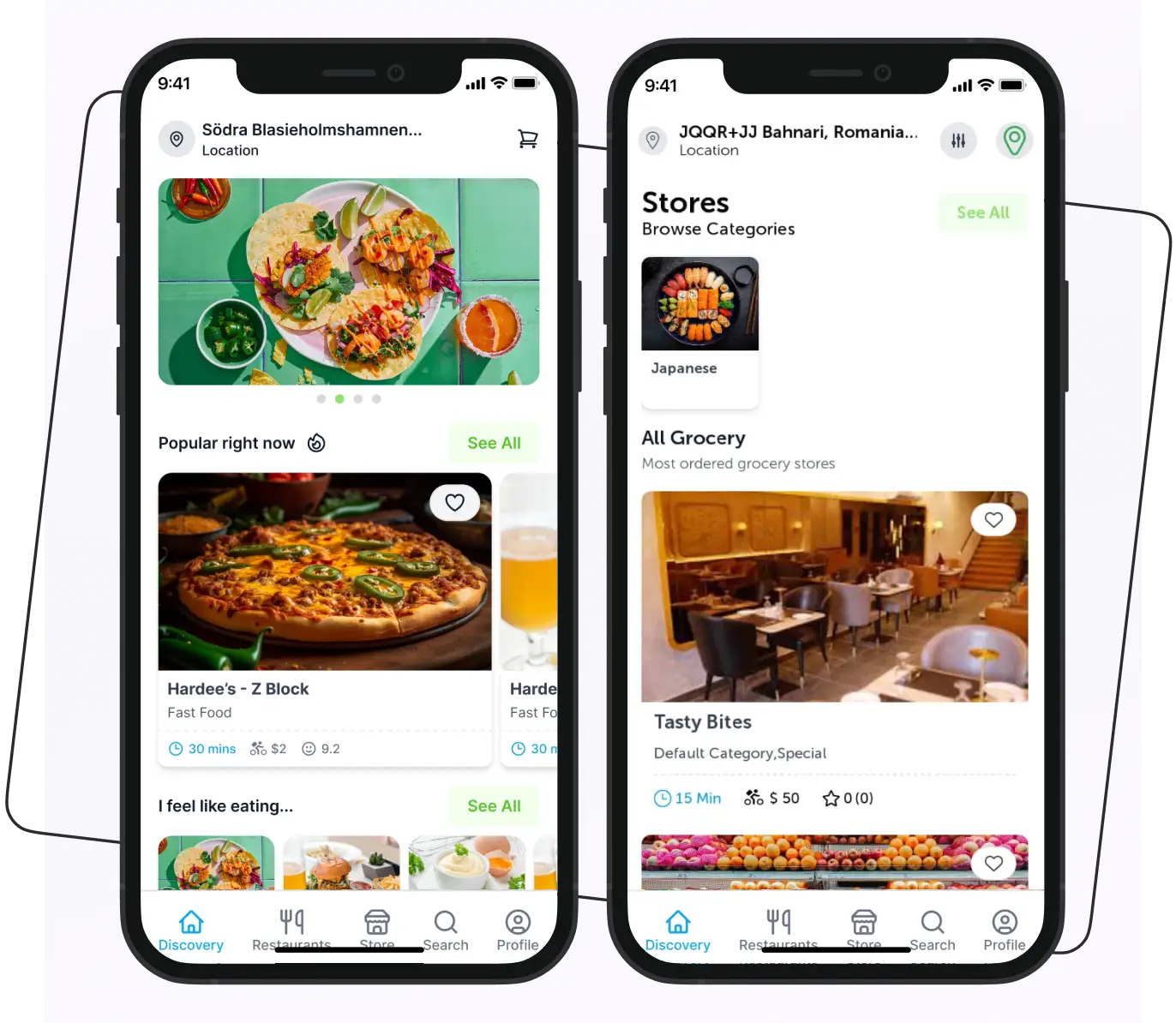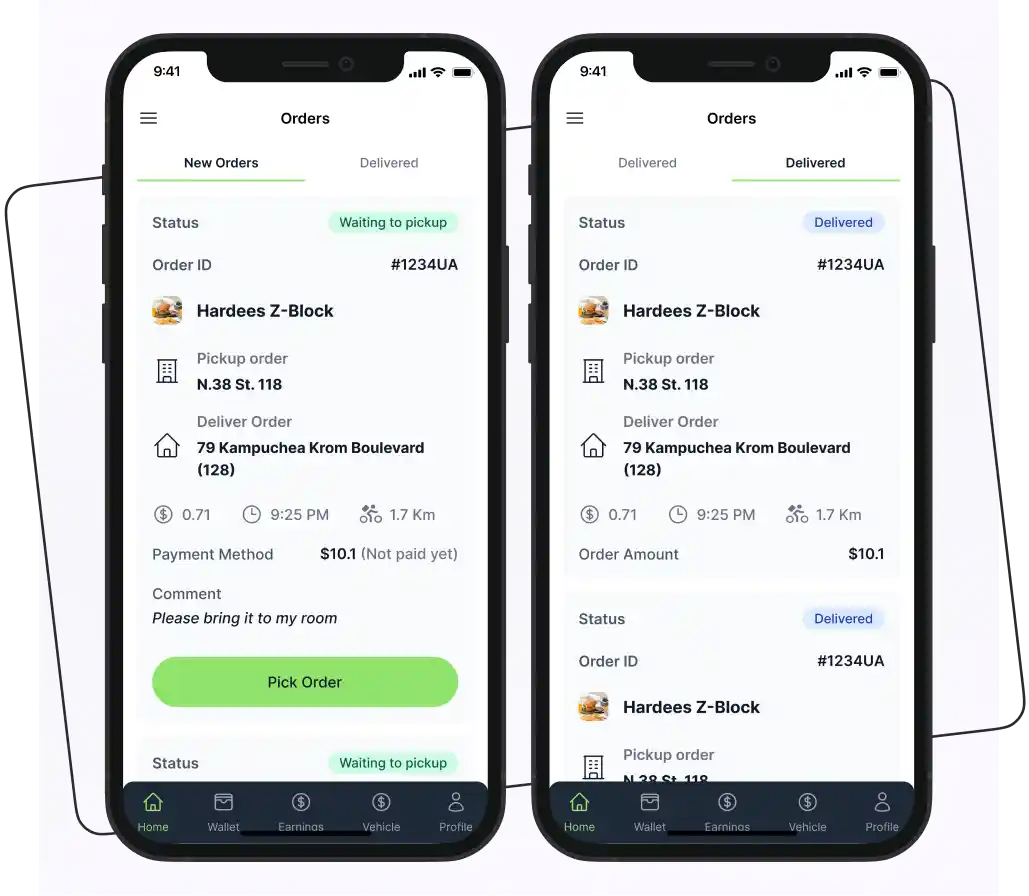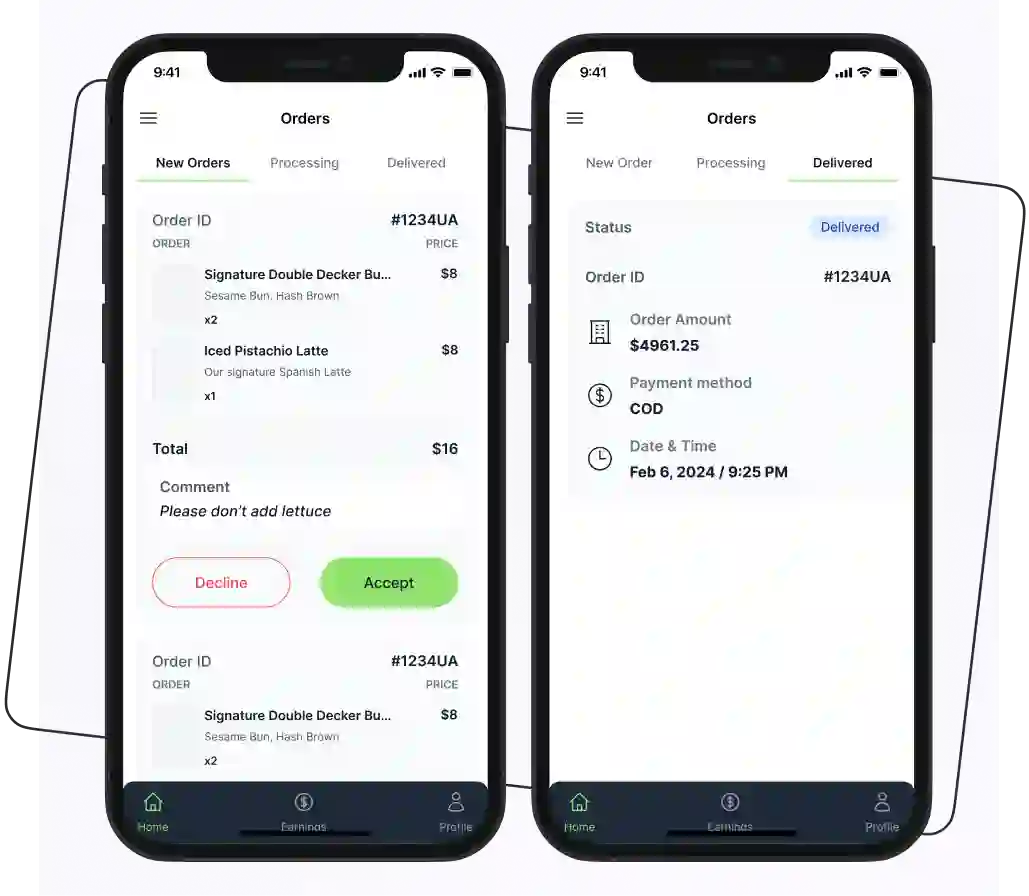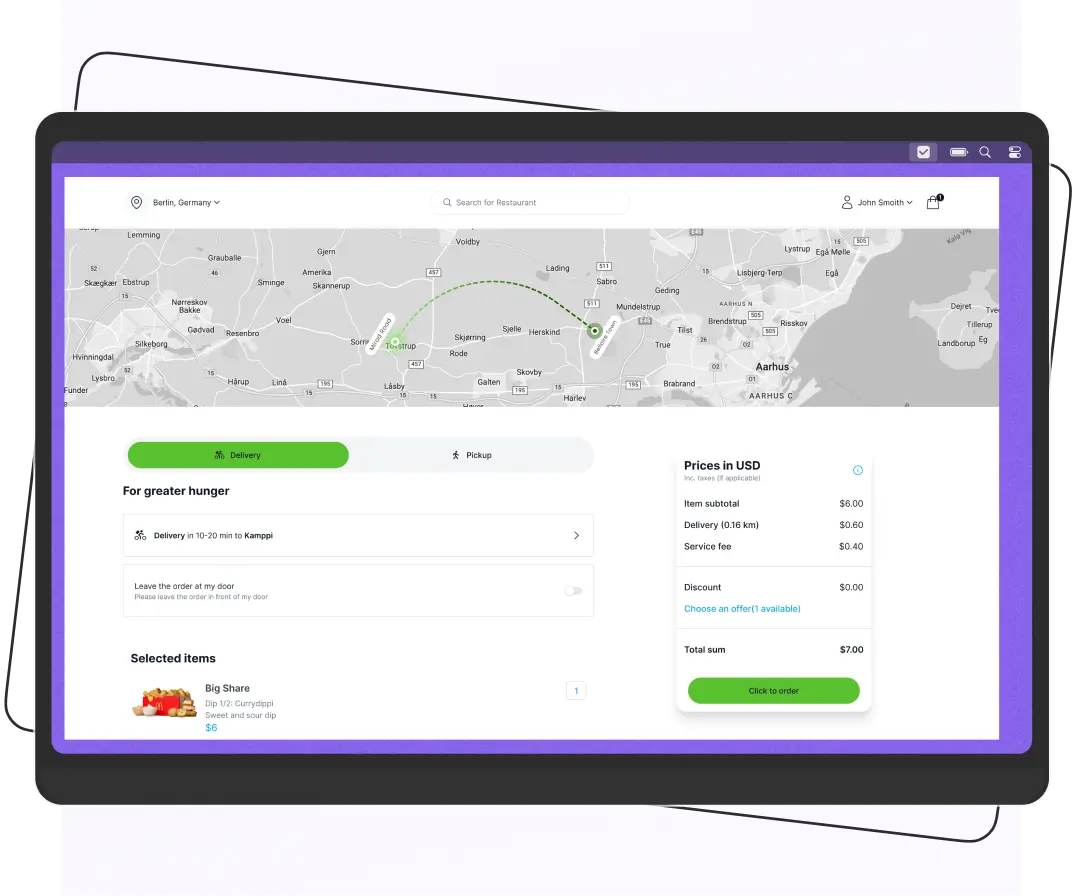
Get Backend API for React Native Based Uber Eats Clone App
Build faster using the react native based uber eats clone app open-source frontend. To integrate the backend API, reach out to our sales team. Case studies and technical documentation are available.



Frequently Asked Questions
Uber Eats has experimented with React Native for some of its components, but the main app is primarily built using native technologies. This approach ensures optimal performance and user experience across platforms.
An Uber Eats clone is a software solution that replicates the functionalities of the Uber Eats platform, allowing entrepreneurs to launch their own food delivery service. It includes features for customer ordering, restaurant management, and delivery tracking, enabling quick entry into the food delivery market.
To create an app like Uber Eats, follow these steps: Market Research: Analyze competitors and identify your target audience and unique selling points. Define Features: Outline essential features for users, restaurants, and delivery drivers, such as order placement, real-time tracking, and payment processing. Choose a Tech Stack: Decide on the technologies to use (e.g., Flutter, React Native, or native development). Design UI/UX: Create wireframes and prototypes focusing on user-friendly design. Development: Build the app, including front-end and back-end components, using agile development methodologies. Testing: Conduct thorough testing to identify and fix bugs, ensuring functionality across devices. Launch: Deploy the app on app stores and promote it to attract users. Maintenance and Updates: Regularly update the app based on user feedback and market trends.
Uber Eats is primarily built using a combination of programming languages, including: Swift for iOS development Kotlin for Android development Java for some back-end services Node.js and Python are often used for server-side development




 IOS
IOS Android
 Web
Web