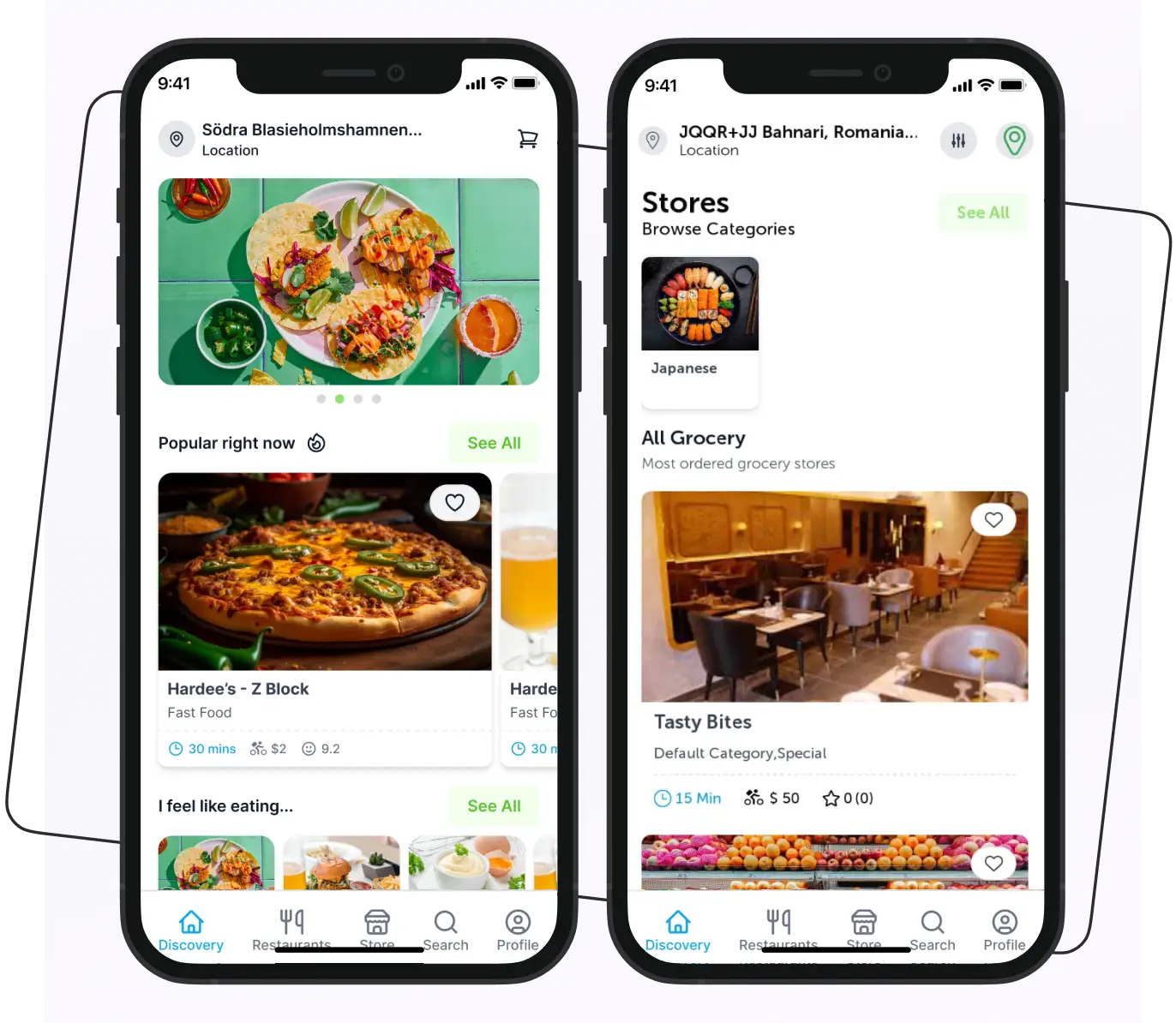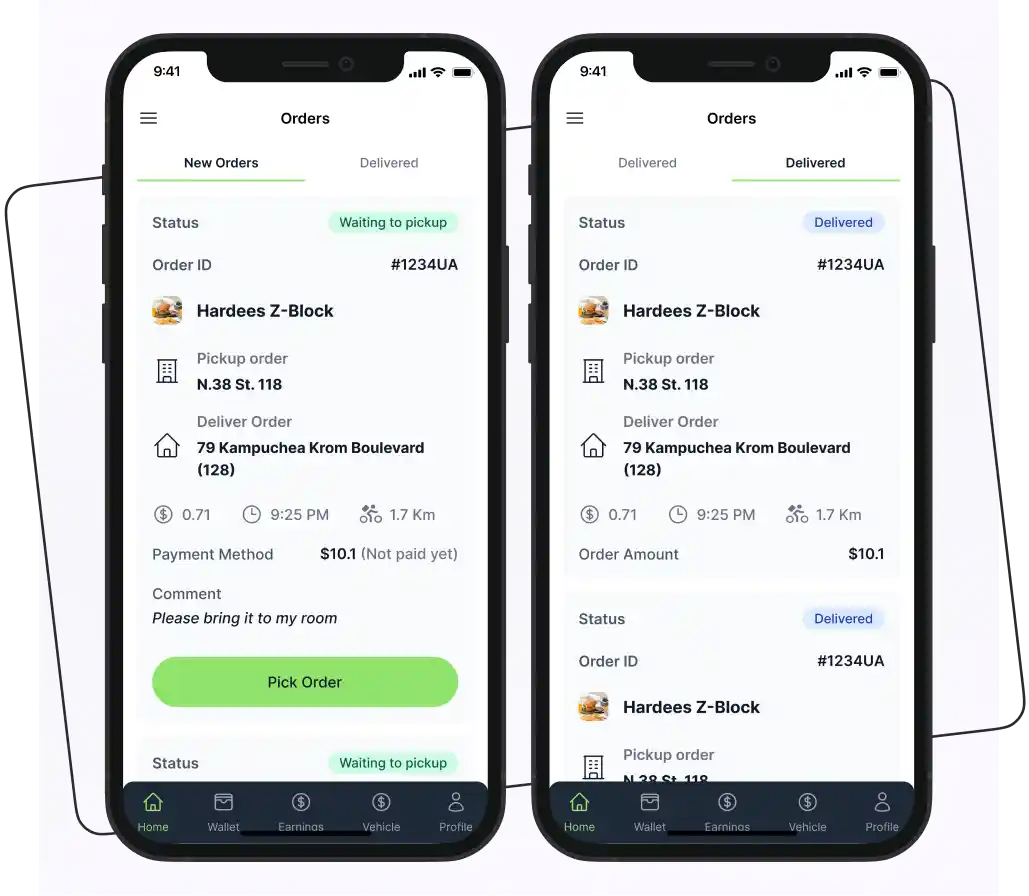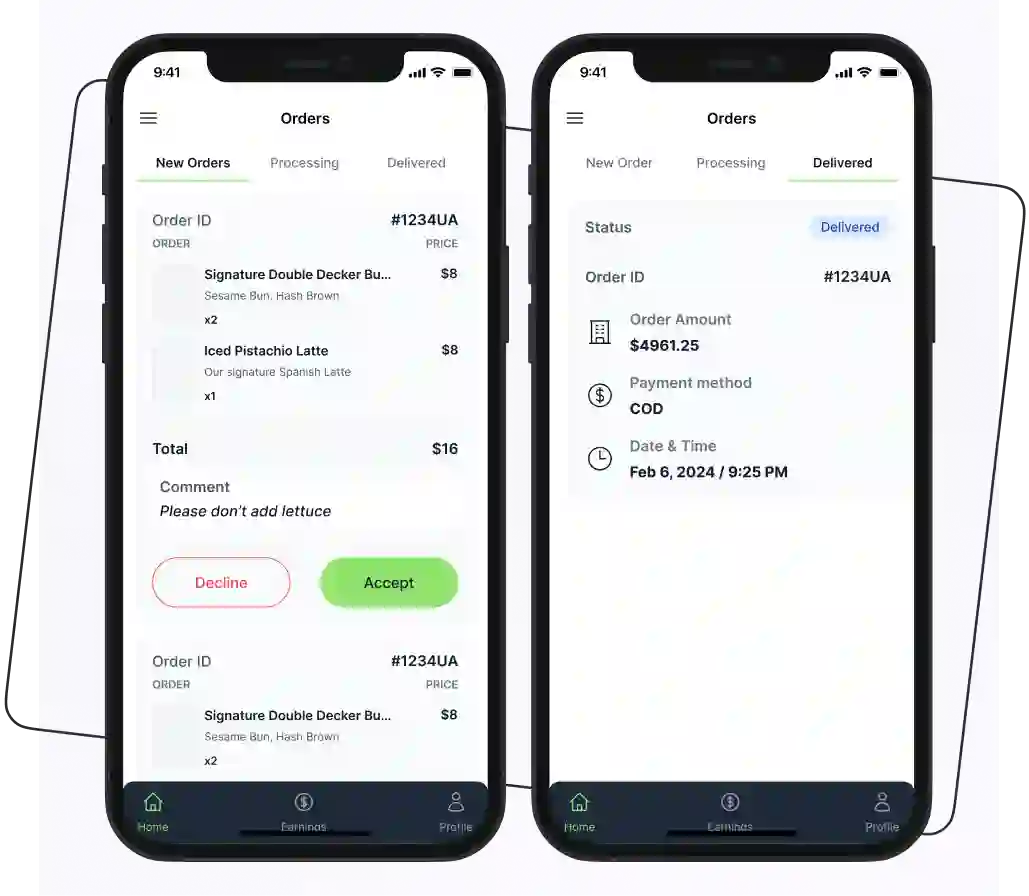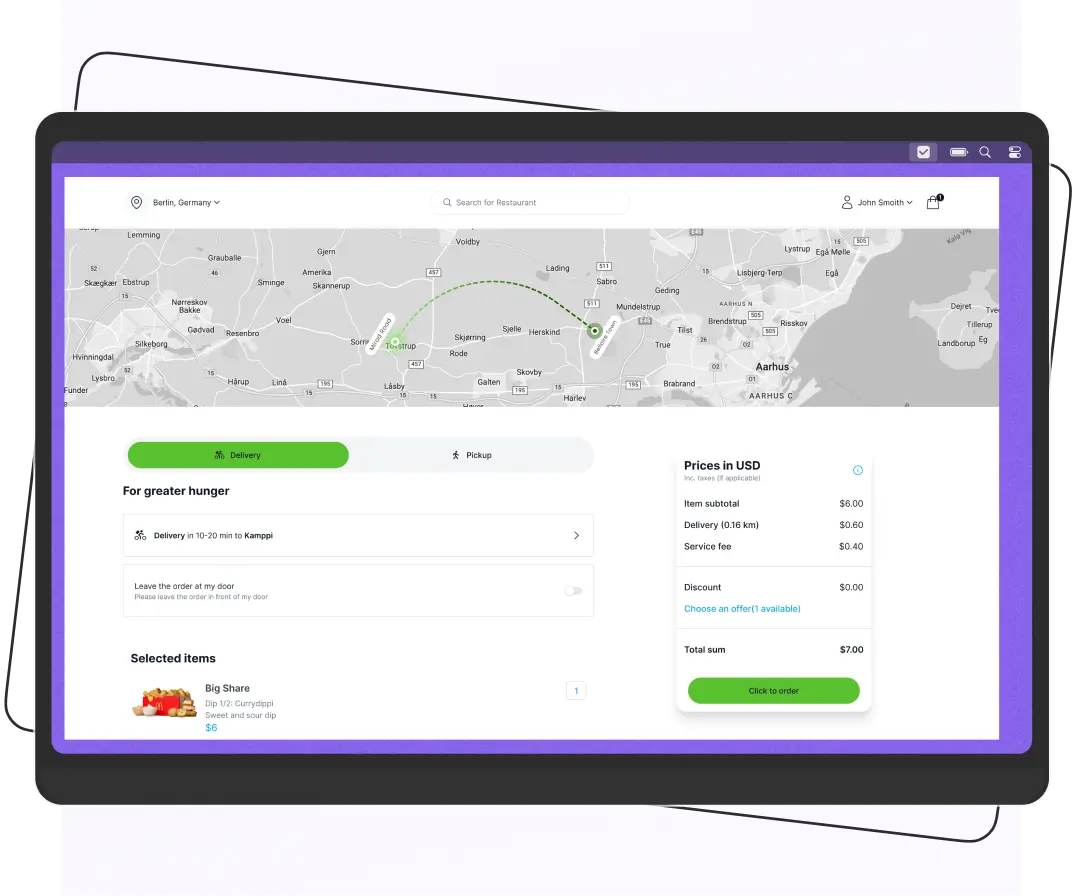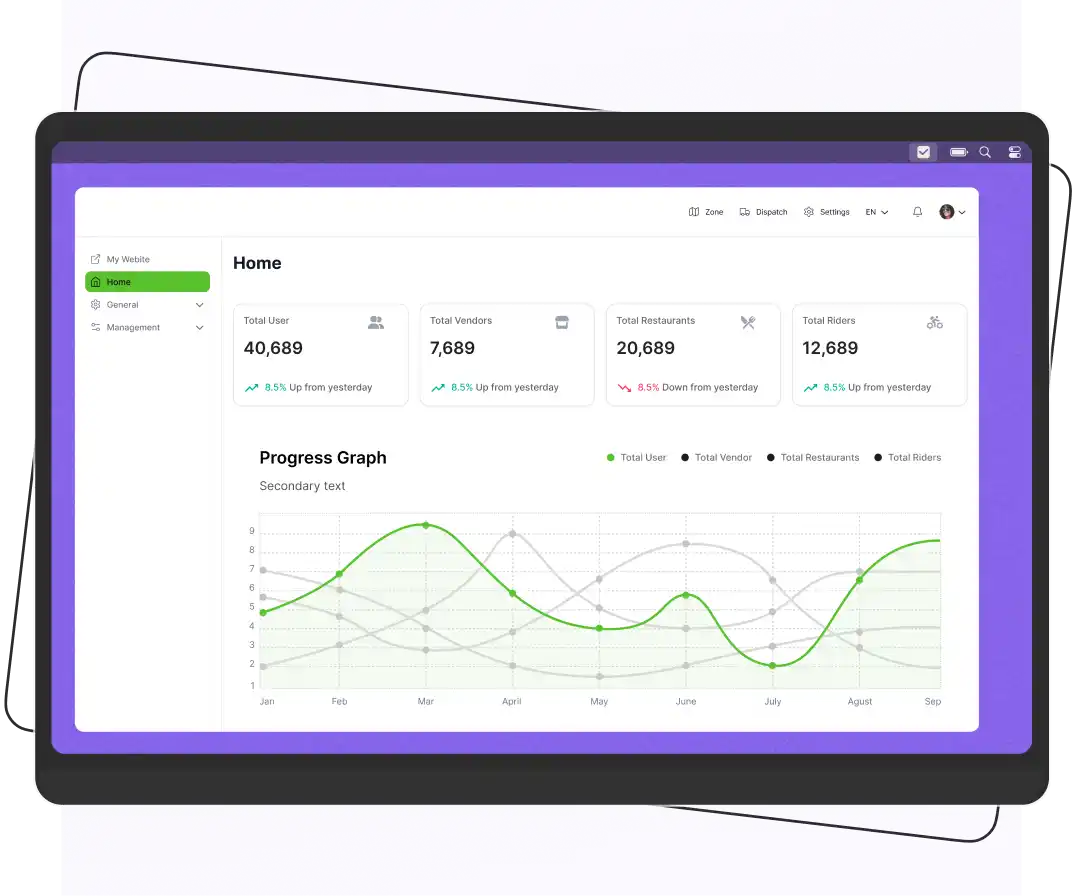
Get Backend API for Script For Food
The script for food frontend source is open for developers. Access the backend API with a paid license by contacting our sales team. Explore case studies and demos anytime.



Frequently Asked Questions
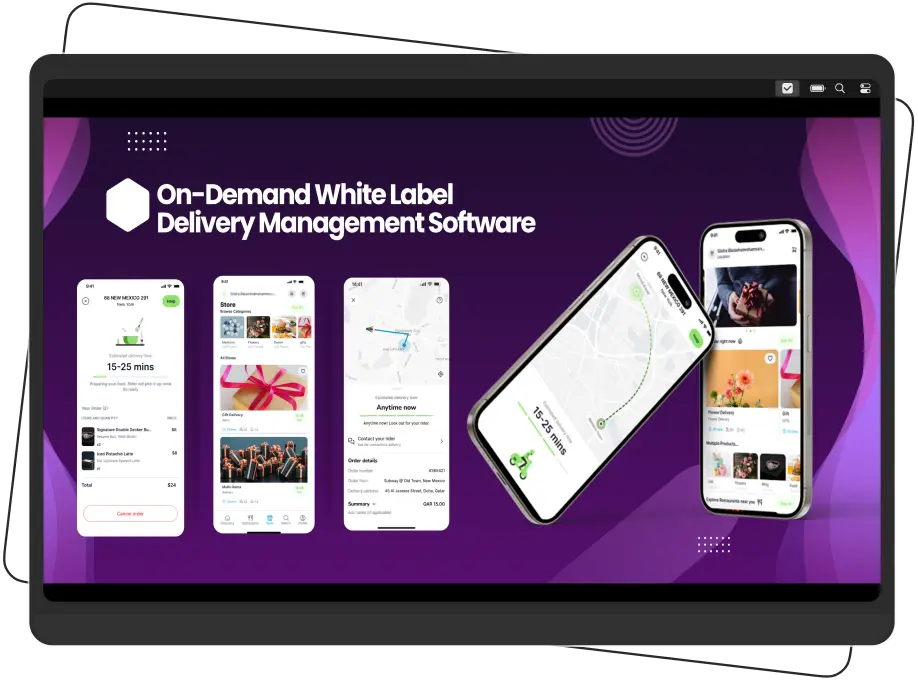
A script for food delivery apps refers to a pre-written codebase or software template that provides the foundational functionality needed for building a food delivery application. This script includes essential features, allowing developers to customize and build upon it according to specific business needs.
Creating a food ordering system using a script involves several steps. Here’s a structured approach to guide you through the process: 1. Choose a Script Select a Script: Find a suitable food ordering script that meets your requirements. Popular platforms include CodeCanyon or open-source solutions on GitHub. Review Features: Ensure it has essential features like user registration, menu management, payment integration, and order tracking. 2. Set Up Your Environment Hosting: Choose a reliable hosting provider to deploy your application (e.g., AWS, DigitalOcean). Domain Name: Register a domain name for your food ordering system. Install Required Software: Ensure you have the necessary software installed, such as PHP, MySQL, and a web server (e.g., Apache or Nginx). 3. Install the Script Upload Files: Use FTP or your hosting provider’s file manager to upload the script files to your server. Database Setup: Create a database in your hosting control panel and import the provided SQL files (usually included with the script) to set up the necessary tables. 4. Configure the Application Edit Configuration Files: Modify configuration files (often named config.php or similar) to connect the application to your database. Set Up SMTP: If the script requires email notifications, configure SMTP settings for email delivery. 5. Customize the Script Branding: Change logos, colors, and themes to align with your brand identity. Menu Management: Add restaurants, menu items, prices, and descriptions using the admin dashboard provided by the script. Payment Gateway: Configure payment options by integrating payment gateways (like Stripe or PayPal) as per the script’s documentation. 6. Testing Functional Testing: Test all features, including user registration, order placement, payment processing, and order tracking. User Experience Testing: Ensure the app is user-friendly and accessible on various devices (desktop and mobile). 7. Launch the System Go Live: Once testing is complete, launch your food ordering system by making it accessible to users. Promote the App: Use marketing strategies (social media, local advertising, SEO) to attract customers. 8. Monitor and Maintain Performance Monitoring: Continuously track the system's performance and user feedback. Regular Updates: Keep the script updated to address bugs, security vulnerabilities, and feature enhancements. 9. Customer Support Provide Help: Set up customer support channels (like chat or email) to assist users with any issues or inquiries.
A script for a food application includes several essential features that facilitate the food ordering and delivery process. Here are the main features: User Registration and Login: Secure account creation and authentication. Options for social media login. Restaurant Listings: A comprehensive directory of nearby restaurants. Filtering options by cuisine, ratings, and delivery time. Menu Management: Detailed menus for each restaurant, including item descriptions, prices, and images. Options for restaurants to add, edit, or remove menu items. Order Placement: Cart functionality for users to add and customize food items. Easy checkout process with order confirmation. Payment Integration: Support for multiple payment methods, including credit/debit cards, digital wallets, and cash on delivery. Real-Time Order Tracking: Features that allow users to track the status of their orders from preparation to delivery. Customer Reviews and Ratings: Options for users to leave feedback on restaurants and delivery experiences. Promotions and Discounts: Functionality to apply promo codes and special offers to encourage orders. Push Notifications: Notifications for order confirmations, updates, and new restaurant promotions. Admin Dashboard: A backend system for managing users, restaurants, orders, and analytics. Tools for monitoring performance and handling customer inquiries. Customer Support: Integrated support features, such as chat or helpdesk options for user assistance. Analytics and Reporting: Tools for generating reports on sales, popular items, and customer preferences for restaurant owners.
The best programming languages for developing a script for a food ordering system include: JavaScript: Used for front-end development with frameworks like React, Angular, or Vue.js. Node.js can be employed for back-end development, allowing for JavaScript to be used throughout the entire stack. Python: Known for its simplicity and readability, making it a popular choice for back-end development. Frameworks like Django and Flask can expedite development and provide robust features. PHP: A widely used server-side scripting language, particularly for web applications. Frameworks like Laravel and CodeIgniter can enhance development speed and structure. Ruby: Ruby on Rails is a powerful framework for building web applications quickly and efficiently. Known for its convention over configuration philosophy, making it easy to develop and maintain. Java: A versatile language often used for large-scale applications. Frameworks like Spring can provide the necessary tools for building robust back-end systems. Go (Golang): Known for its performance and efficiency, making it suitable for high-traffic applications. Good for developing microservices that can handle various components of a food ordering system. Swift/Kotlin: Swift for iOS development and Kotlin for Android development are essential if you plan to create native mobile applications. TypeScript: A superset of JavaScript that adds static typing, making it ideal for larger applications where maintainability and error reduction are important.
Using a script for online food businesses offers several benefits: Cost-Effective: Pre-built scripts are generally cheaper than custom development, reducing initial investment costs. Time-Saving: Scripts provide a ready-made foundation, significantly speeding up the development process. Proven Functionality: Many scripts come with tested features, reducing the likelihood of bugs and improving reliability. Customizable: Most scripts allow for customization, enabling businesses to tailor features and design to meet specific needs. User-Friendly Interface: Many scripts include intuitive designs that enhance user experience, making it easier for customers to place orders. Scalability: Scripts can often be modified to accommodate growing business needs, such as adding new features or expanding to new markets. Support and Updates: Many scripts come with ongoing support and updates, ensuring the application remains secure and up-to-date. Integration Options: Scripts often support integration with various payment gateways, delivery services, and analytics tools.




 IOS
IOS Android
 Web
Web