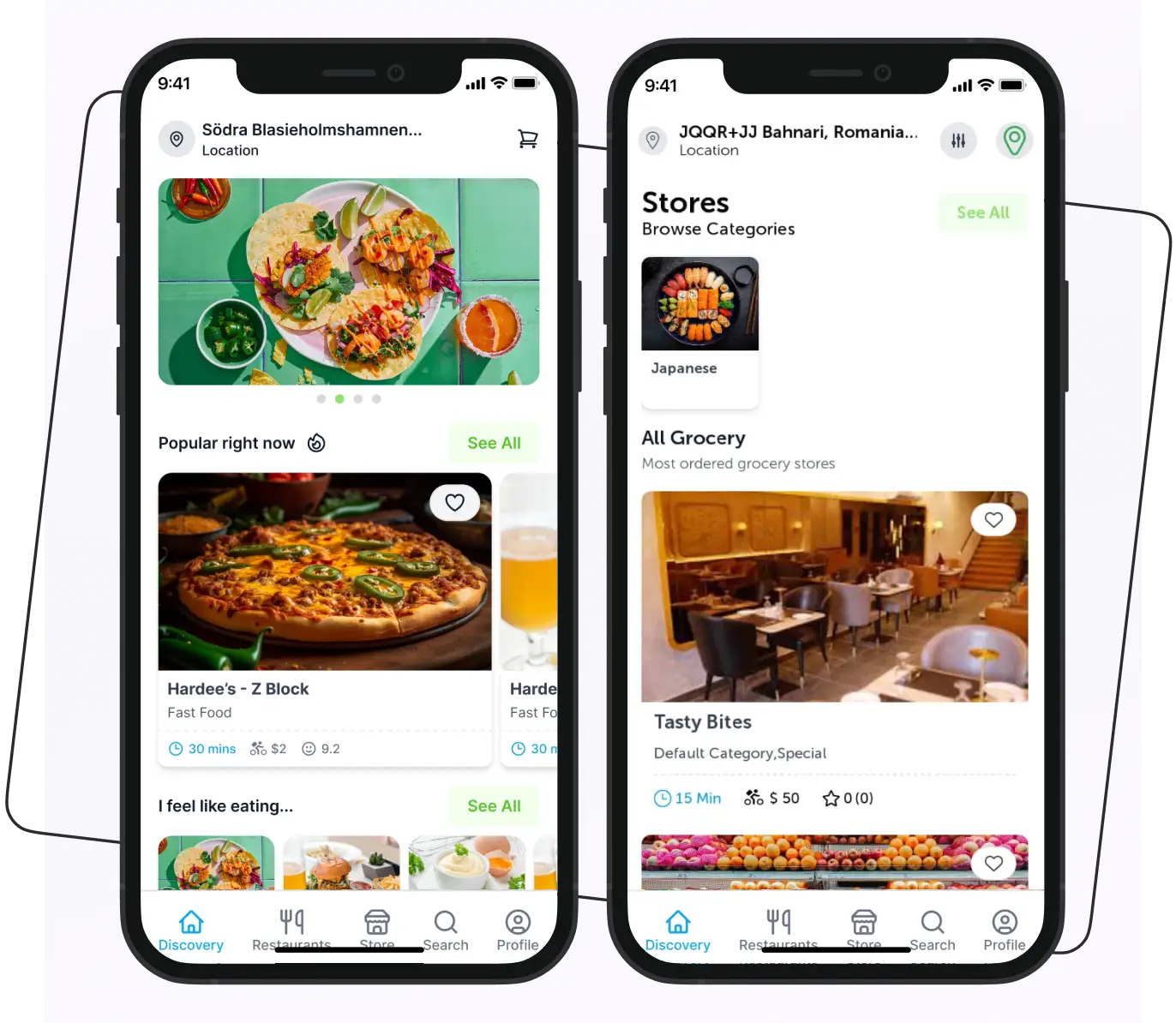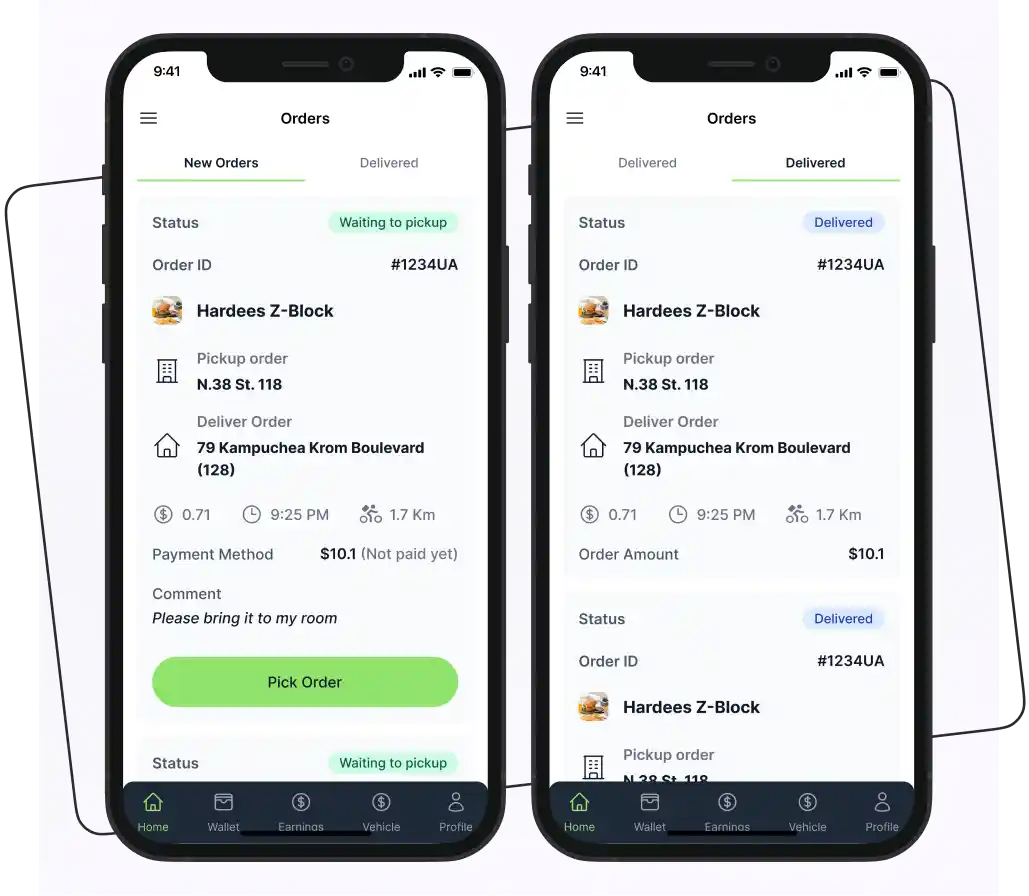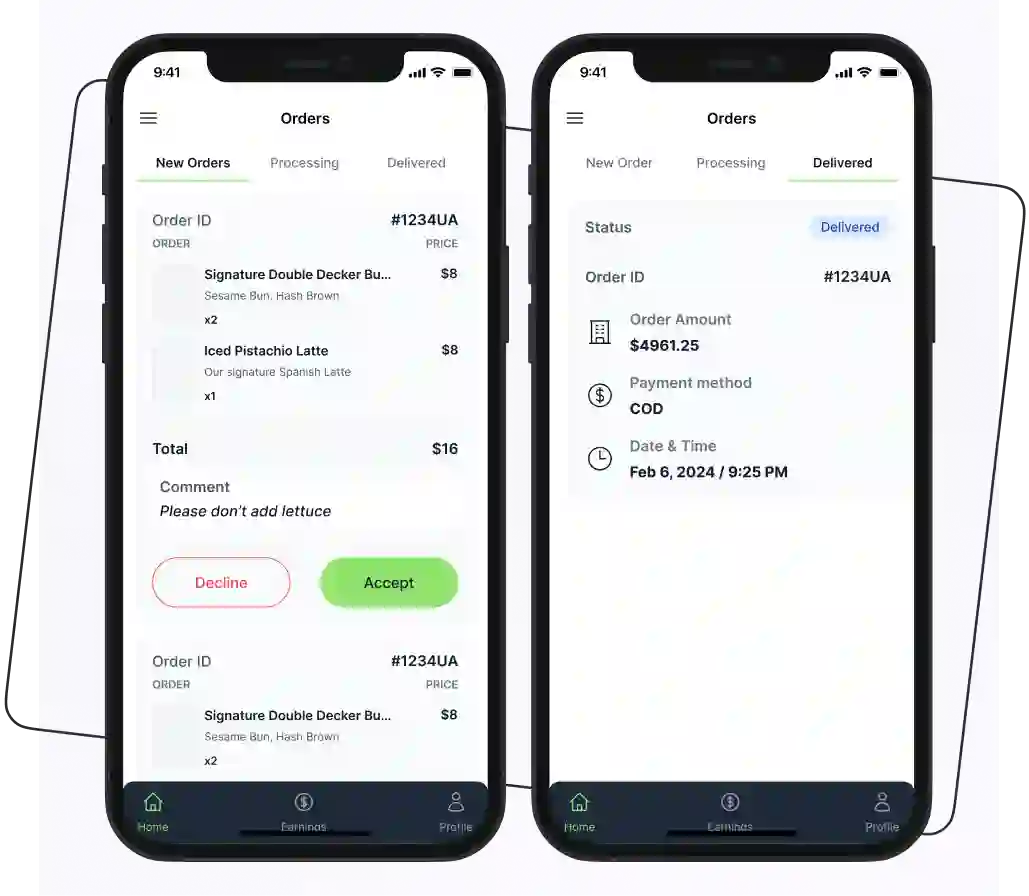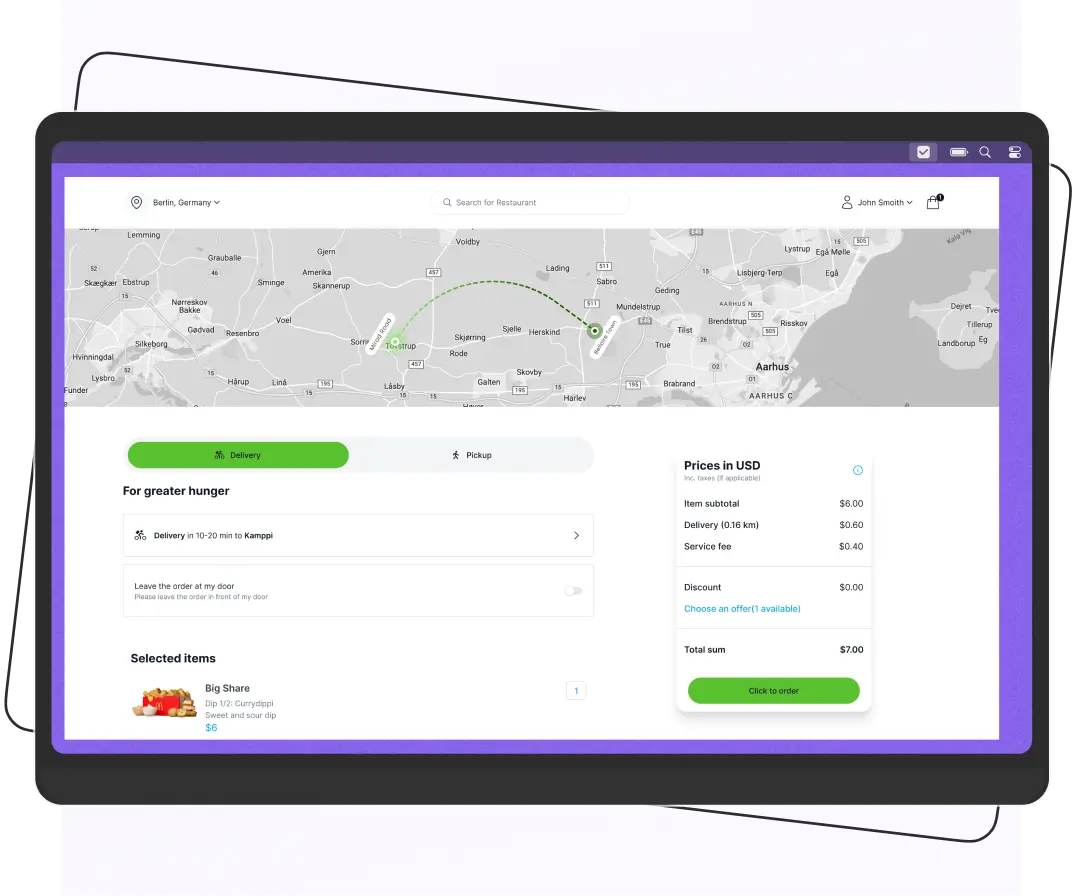
Get Backend API for Cafe Online Ordering System Using Php
The cafe online ordering system using php frontend is open-source and easy to adapt. Unlock backend API functionality by arranging a call with our team. Access documentation and case studies online.



Frequently Asked Questions
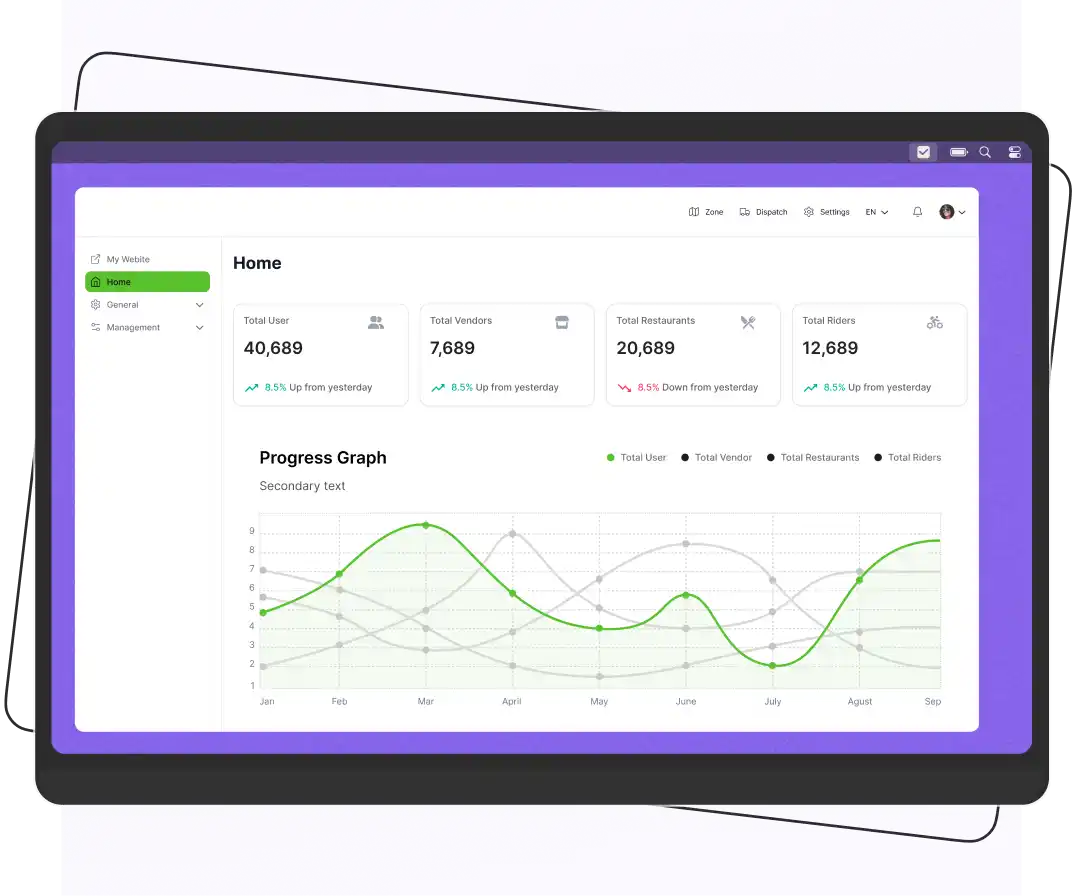
A PHP-based cafe online ordering platform includes the following main features: User Authentication: Secure login and registration for customers and admin roles. Menu Management: Easy management of menu items, including categories, prices, and descriptions. Order Placement: A user-friendly interface for customers to place orders with customizable options (e.g., add-ons, sizes). Payment Gateway Integration: Support for various payment methods, including credit cards, PayPal, and other online payment systems. Order Tracking: Real-time tracking of order status from placement to delivery. Admin Dashboard: A backend interface for managing orders, users, and menu items, along with analytics and reports. Customer Reviews and Ratings: Allowing customers to leave feedback on menu items and overall service. Responsive Design: A mobile-friendly layout that adapts to different screen sizes for ease of use. Promotions and Discounts: Features for applying discounts, promo codes, and special offers. Notifications: Email or SMS notifications for order confirmations and updates.
The best PHP frameworks for building a cafe ordering system include: Laravel: Known for its elegant syntax and robust features, Laravel offers built-in tools for authentication, routing, and database management, making it ideal for complex applications. Symfony: A highly flexible framework that provides reusable components and a strong community, suitable for larger projects requiring scalability and maintainability. CodeIgniter: Lightweight and easy to set up, CodeIgniter is great for smaller applications and rapid development, with a straightforward learning curve. CakePHP: Offers conventions that speed up development and includes built-in validation features, making it user-friendly for beginners. Yii: Known for its performance, Yii is suitable for high-traffic applications and provides tools for rapid development and code reuse.
Cafes can manage menus and orders in a PHP-based ordering system through the following methods: Admin Dashboard: Develop an intuitive admin interface where cafe staff can easily add, edit, or remove menu items, including descriptions, prices, and images. Database Management: Utilize a relational database (like MySQL) to store menu items and order details, allowing for efficient retrieval and updates. CRUD Operations: Implement Create, Read, Update, Delete (CRUD) functionalities to manage menu items and order statuses seamlessly. Order Tracking System: Set up an order management system that allows staff to view current orders, update statuses (e.g., preparing, completed), and manage customer notifications. Inventory Management: Integrate inventory tracking to ensure menu items are updated based on availability, preventing orders for out-of-stock items. Analytics and Reporting: Use tools to generate reports on sales, popular items, and customer preferences, helping cafes make informed decisions. User-Friendly Interface: Ensure that the customer-facing interface allows for easy menu navigation and order placement, enhancing the overall user experience.
Using PHP for developing cafe ordering systems offers several advantages: Server-Side Processing: PHP is designed for server-side scripting, making it ideal for handling form submissions, user authentication, and database interactions efficiently. Cost-Effective: PHP is open-source and free to use, reducing development costs for businesses. Wide Hosting Support: Most web hosting services support PHP, providing flexibility in deployment options. Framework Options: A variety of frameworks (like Laravel, Symfony, and CodeIgniter) enhance development speed and provide robust features out-of-the-box. Strong Community Support: A large community offers extensive resources, libraries, and forums for troubleshooting and collaboration. Database Integration: PHP easily integrates with various databases (like MySQL), facilitating efficient data management for menus and orders. Security Features: PHP has built-in security features to help protect against common web vulnerabilities, such as SQL injection and cross-site scripting. Rapid Development: With its straightforward syntax and extensive libraries, PHP allows for faster prototyping and iteration of applications.








 IOS
IOS Android
 Web
Web