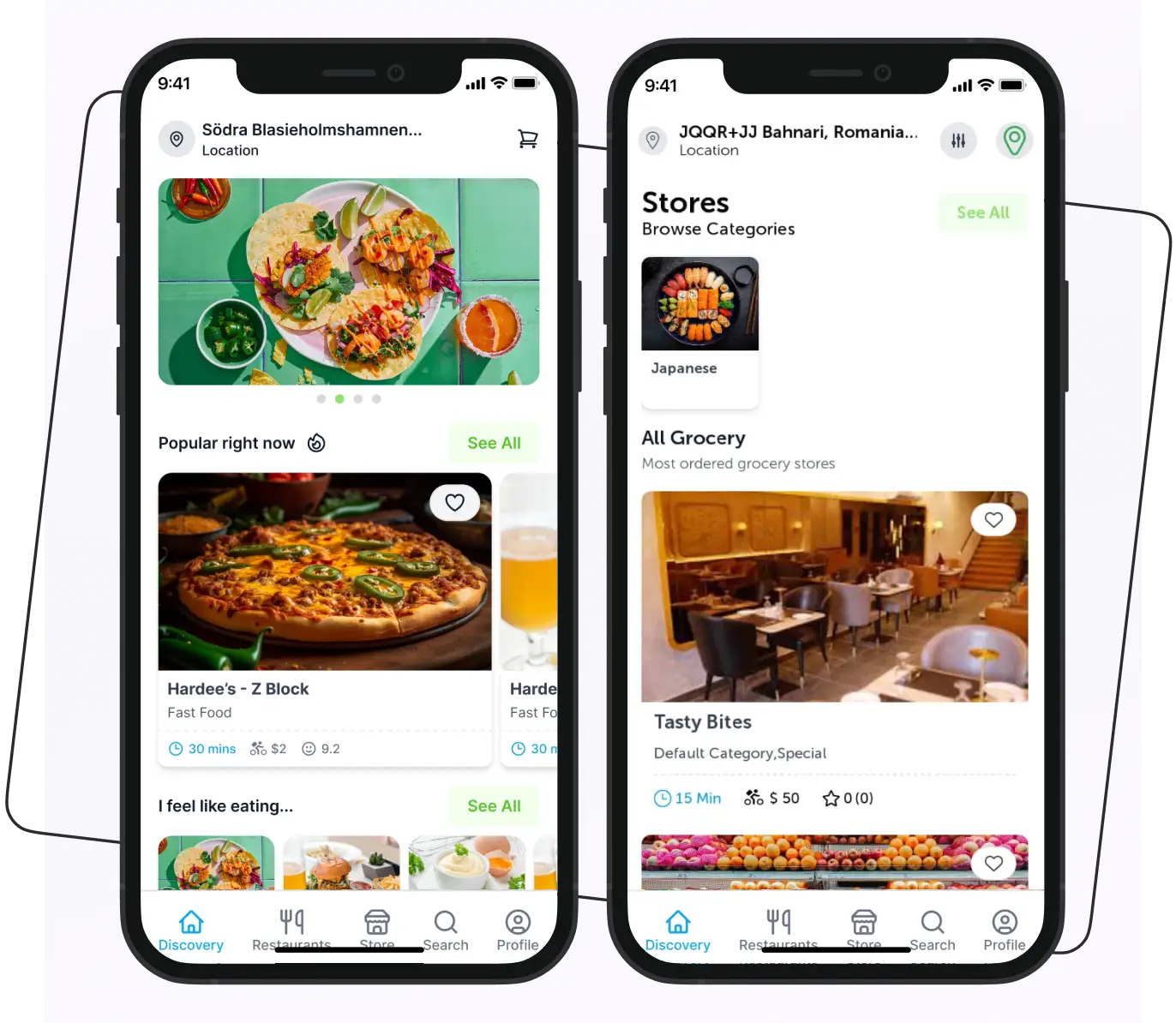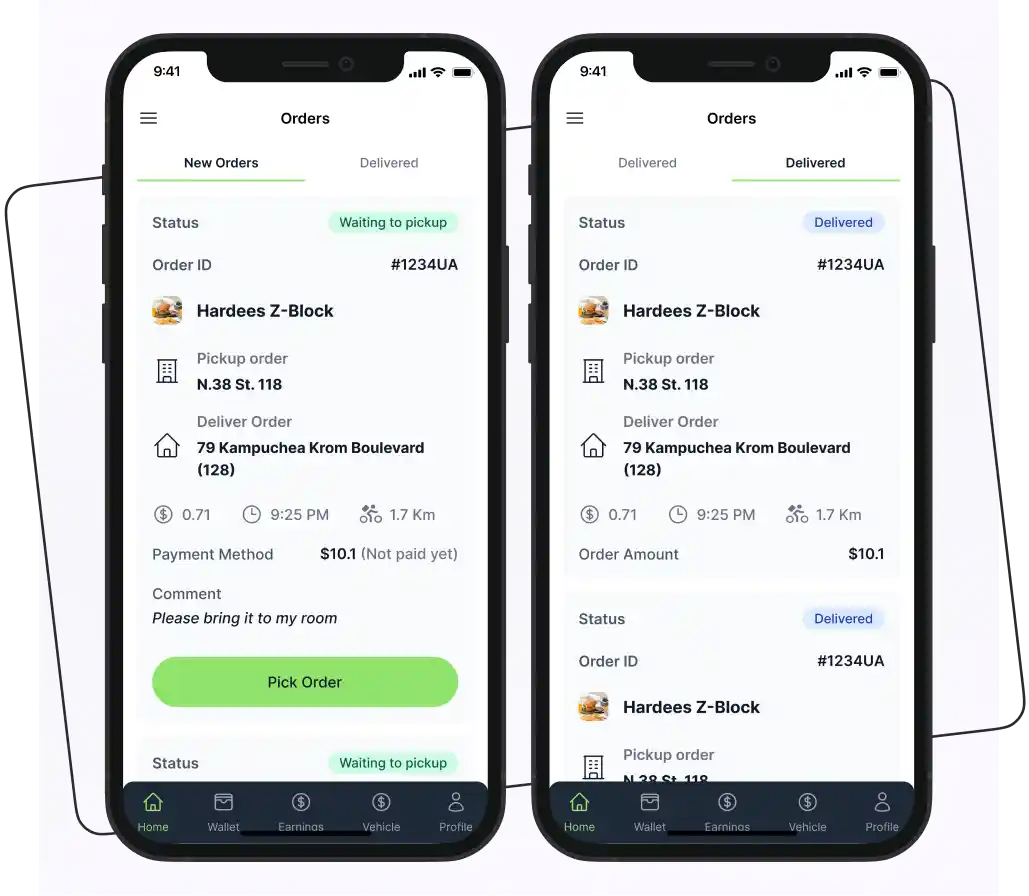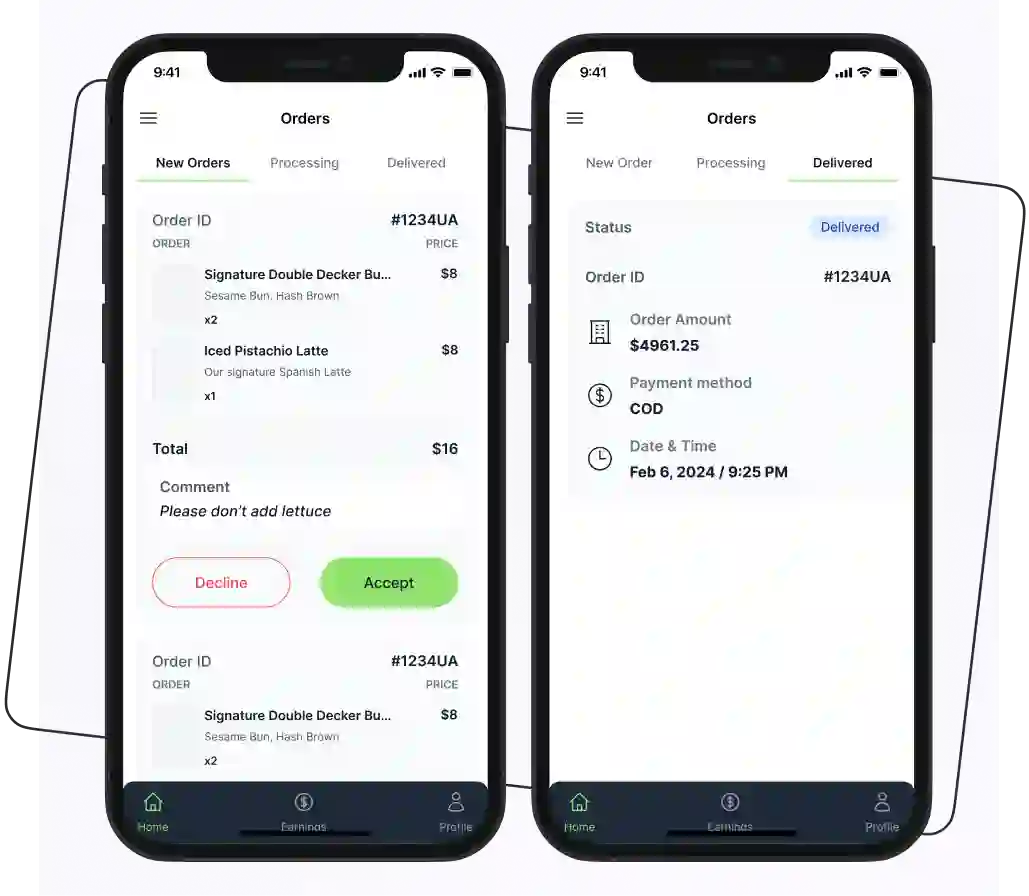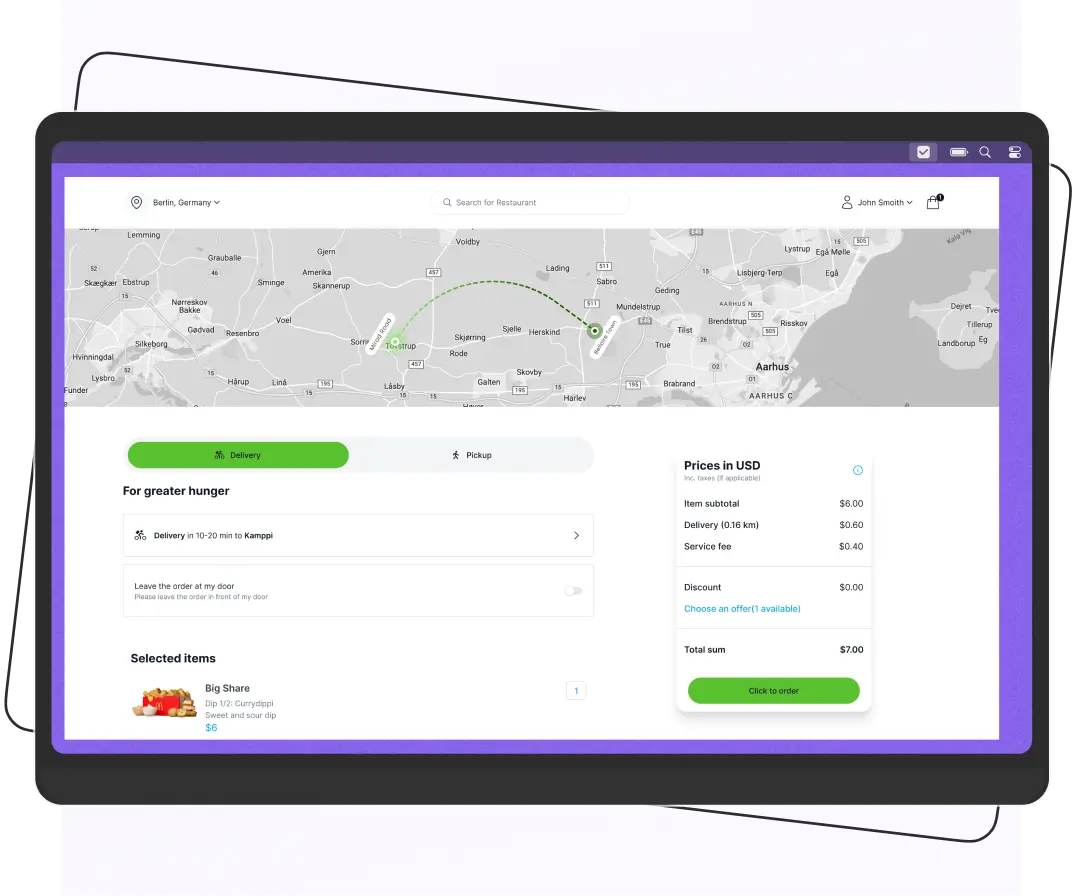
Get Backend API for Order Food On App Using Java
Get started with the order food on app using java frontend source code today. Unlock backend API capabilities through a license—schedule a quick call with our sales staff. Documentation provided.



Frequently Asked Questions
Building a food ordering app using Java involves several steps, such as: 1. Define Requirements: Identify the key features, such as user registration, menu browsing, order placement, payment processing, and order tracking. 2. Choose Development Tools: IDE: Use an Integrated Development Environment (IDE) like IntelliJ IDEA or Eclipse for Java development. Frameworks: Consider using frameworks like Spring Boot for the backend to handle RESTful APIs. 3. Set Up the Backend: Database: Choose a database (e.g., MySQL, PostgreSQL) to store user data, menu items, orders, and payment information. API Development: Create RESTful APIs using Spring Boot to handle requests for user management, order processing, and menu updates. 4. Develop the Frontend: JavaFX: For desktop applications or use Android Studio for mobile apps to create a user-friendly interface. Web App: If developing a web app, use HTML, CSS, and JavaScript alongside Java-based backend services. 5. Implement Core Features: User Authentication: Implement user registration and login functionalities. Menu Management: Allow restaurants to add, update, and manage their menus. Order Processing: Enable users to place orders and manage their order history. Payment Integration: Use payment gateways like Stripe or PayPal for secure transactions. 6. Testing: Conduct thorough testing of the app, including unit tests for backend APIs and user acceptance testing for the frontend. 7. Deployment: Deploy the backend on a server (e.g., AWS, Heroku) and host the frontend app accordingly. Ensure that the database is properly configured and secured. 8. Maintenance and Updates: Regularly update the app based on user feedback and add new features as needed.
A Java-based food ordering app includes the following main features: User Registration and Authentication: Allow users to create accounts, log in, and manage their profiles securely. Menu Display: Show a list of available food items, including descriptions, prices, and images. Order Placement: Enable users to customize and place orders for delivery or pickup, with options to add special instructions. Shopping Cart: Allow users to add items to a cart, view their selections, and make changes before checkout. Payment Integration: Support secure payment methods through gateways like Stripe or PayPal. Order Tracking: Provide real-time updates on order status, from confirmation to preparation and delivery. Restaurant Management: Allow restaurant owners to manage their menus, update item availability, and view order histories. Customer Feedback and Ratings: Enable users to leave reviews and ratings for their orders, helping improve service quality. Push Notifications: Send notifications for order updates, promotions, and special offers to keep users engaged. Admin Dashboard: Offer an interface for administrators to manage users, orders, and overall platform analytics.
The best Java frameworks for developing a food delivery system include: Spring Boot: A popular framework for building stand-alone, production-grade applications. Offers features like dependency injection, RESTful API creation, and security. JavaServer Faces (JSF): A component-based framework for building user interfaces for web applications. Simplifies UI development with reusable components. Hibernate: An Object-Relational Mapping (ORM) framework that simplifies database interactions. Useful for managing data persistence and transactions. Play Framework: A reactive web application framework that supports both Java and Scala. Provides asynchronous processing and a developer-friendly environment. Vaadin: A framework for building modern web applications in Java. Offers a rich set of UI components and allows for server-side programming. Micronaut: A newer framework designed for building microservices with minimal startup time and memory footprint. Supports dependency injection and is optimized for cloud environments.
Using Java for online food ordering platforms offers several benefits: Platform Independence: Java's "write once, run anywhere" capability allows applications to run on any device with a Java Virtual Machine (JVM), enhancing accessibility. Scalability: Java's architecture supports scalable applications, making it suitable for growing food ordering platforms that need to handle increased user traffic. Security: Java provides built-in security features, including secure class loading and bytecode verification, which are crucial for protecting sensitive customer data. Concurrency: Java's multithreading capabilities allow for efficient handling of multiple requests simultaneously, improving performance in high-traffic scenarios. Community Support: A large developer community provides extensive resources, documentation, and tools, making it easier to find solutions and best practices. Integration Capabilities: Java can easily integrate with various databases, payment gateways, and third-party services, essential for a comprehensive food ordering system.
The cost to develop a food ordering app using Java ranges from $15,000 to $100,000. Factors influencing the cost include: Complexity of Features: Basic apps with essential functionalities will be less expensive than those with advanced features like real-time tracking, user profiles, and analytics. Design Requirements: Custom UI/UX designs can increase costs compared to using standard templates. Development Team: Hiring experienced developers or a professional agency may cost more than using freelancers. Development Timeframe: A tighter timeline may require more resources, increasing the overall budget. Testing and Maintenance: Ongoing testing and maintenance costs should also be considered.








 IOS
IOS Android
 Web
Web