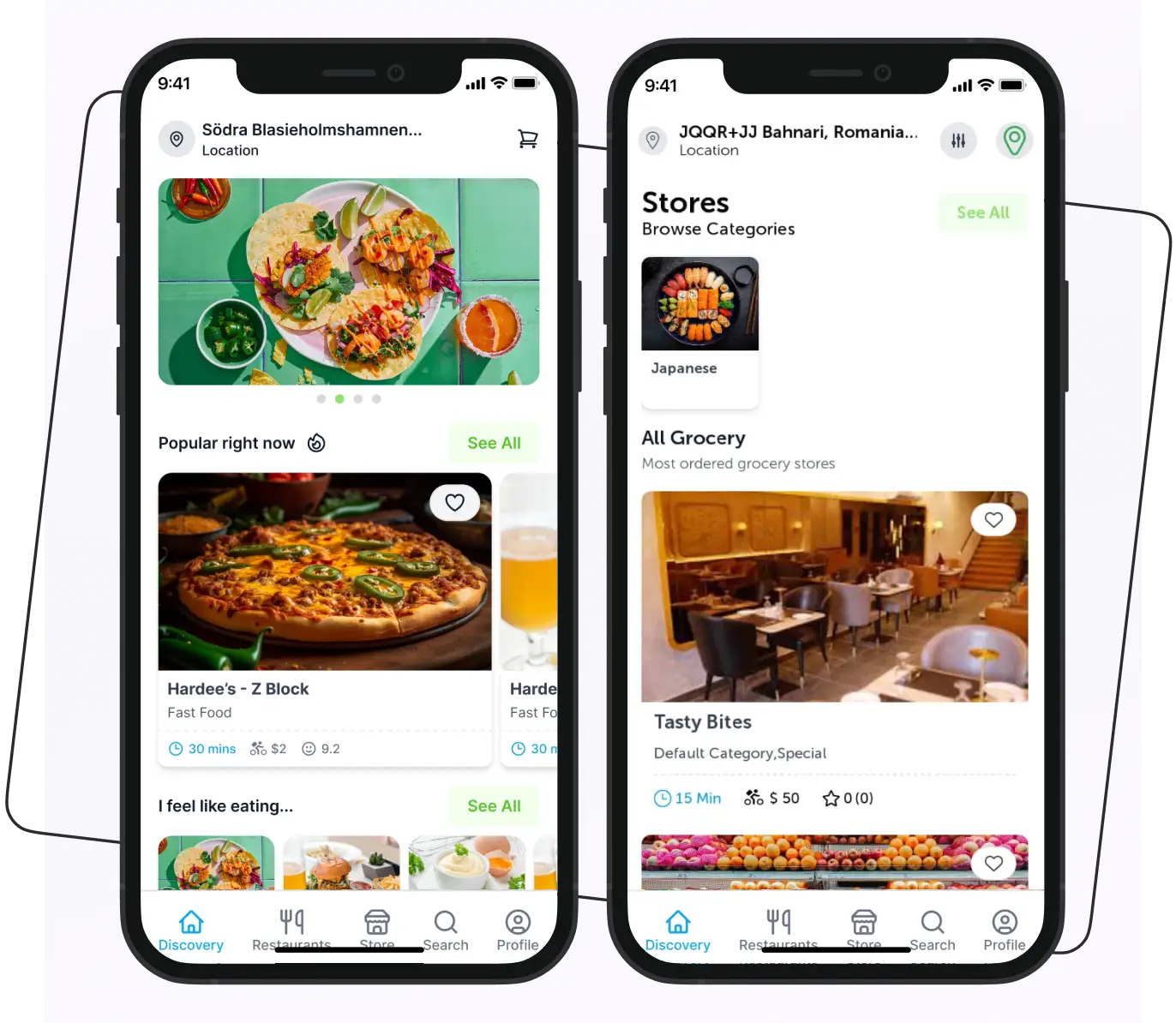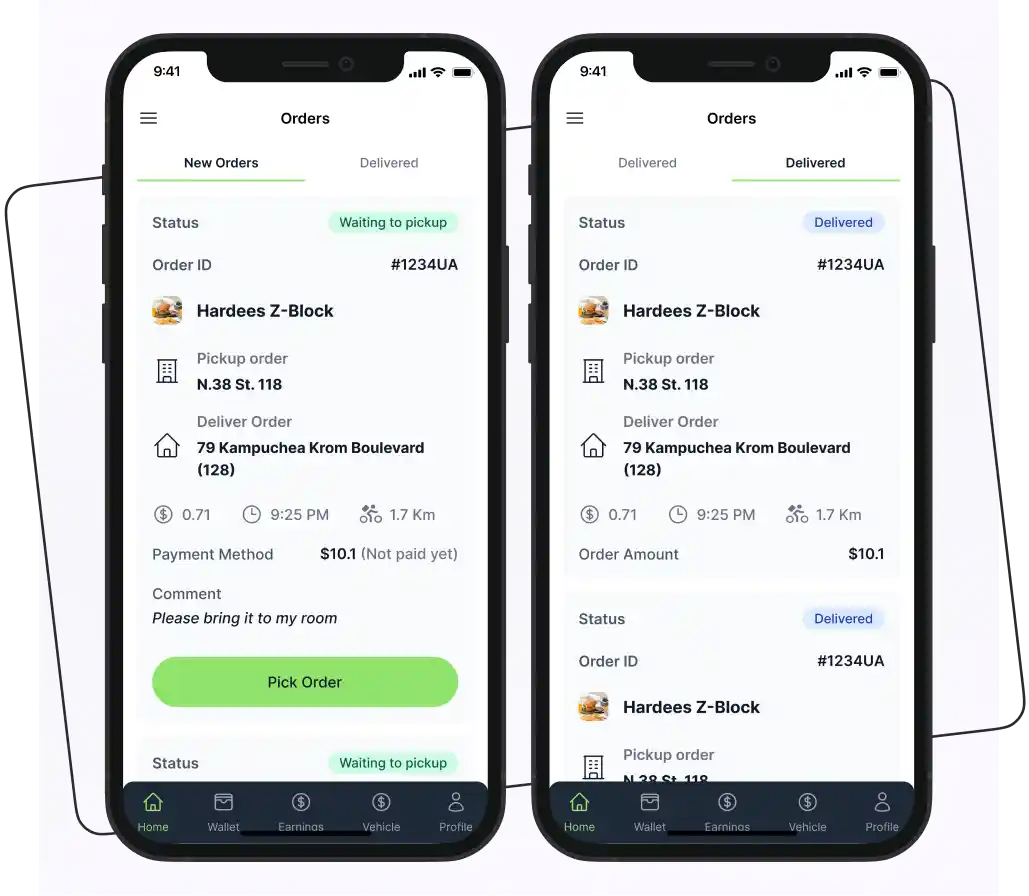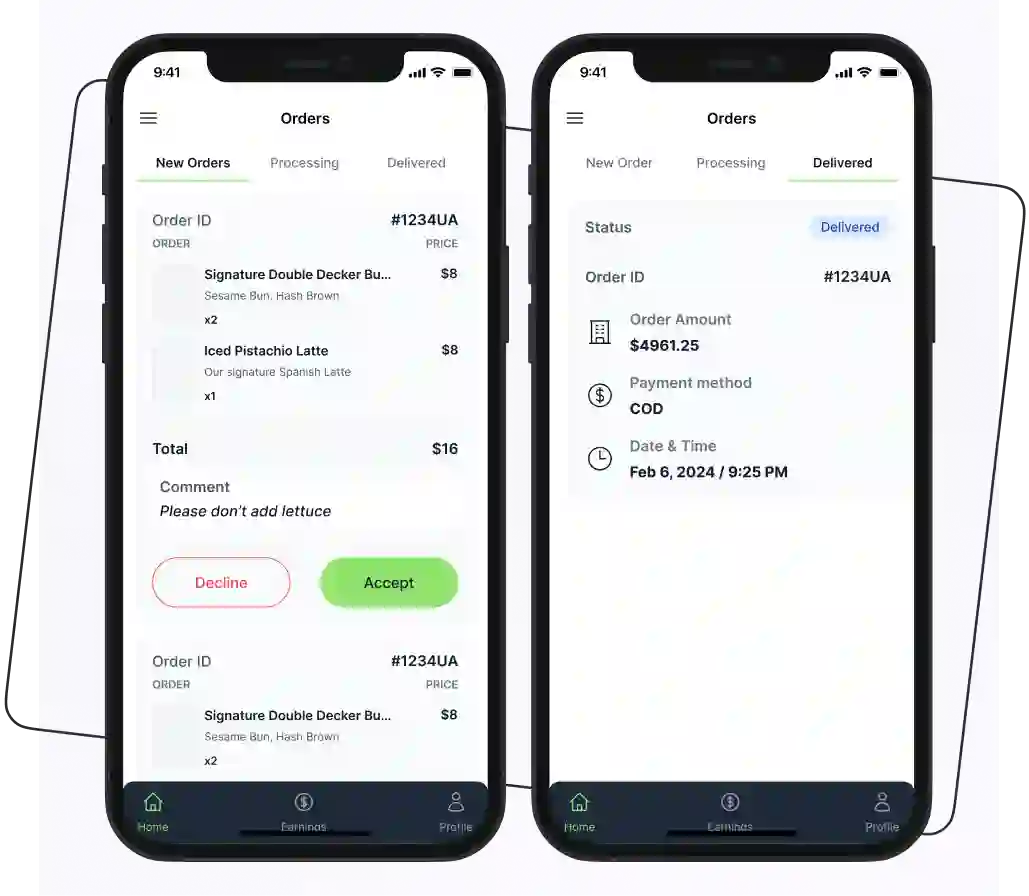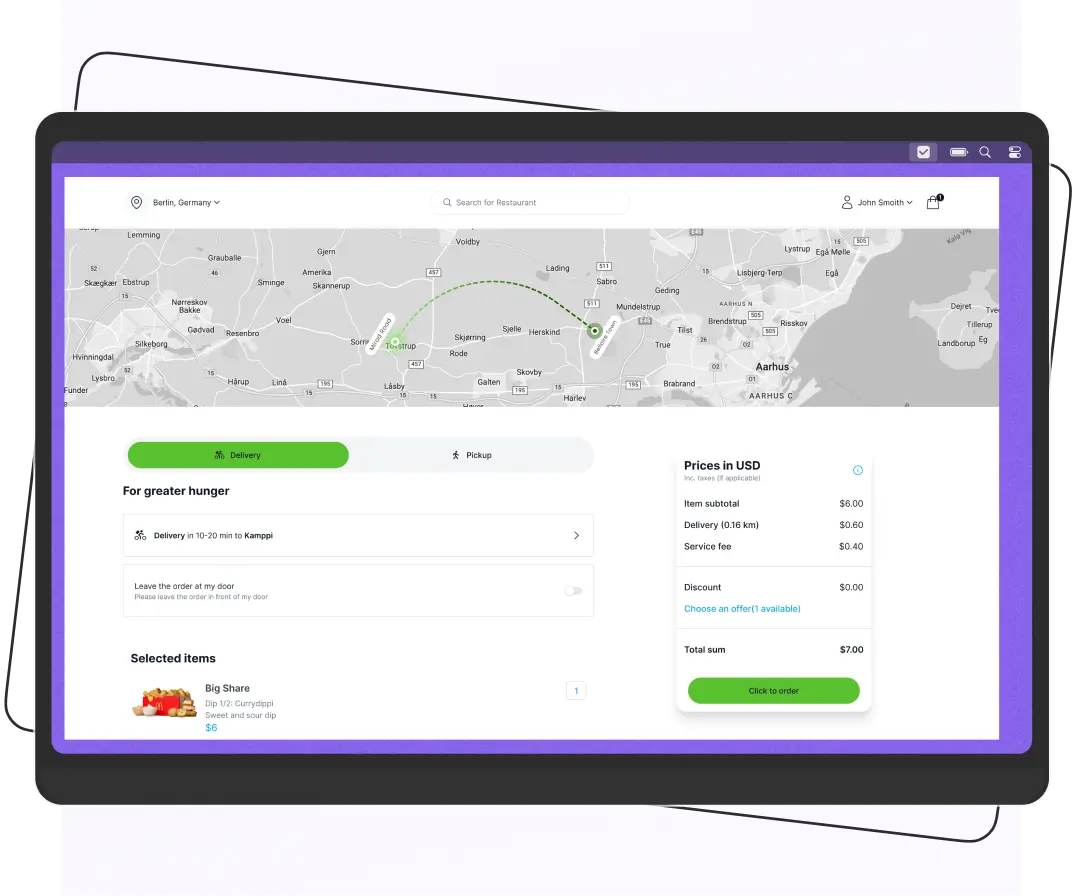
Get Backend API for Restaurant Mobile Food Ordering And Delivery App Using React Native
Download and customize the restaurant mobile food ordering and delivery app using react native frontend instantly. The backend API is licensed separately—connect with our team to activate it. Guides and demos are available.



Frequently Asked Questions
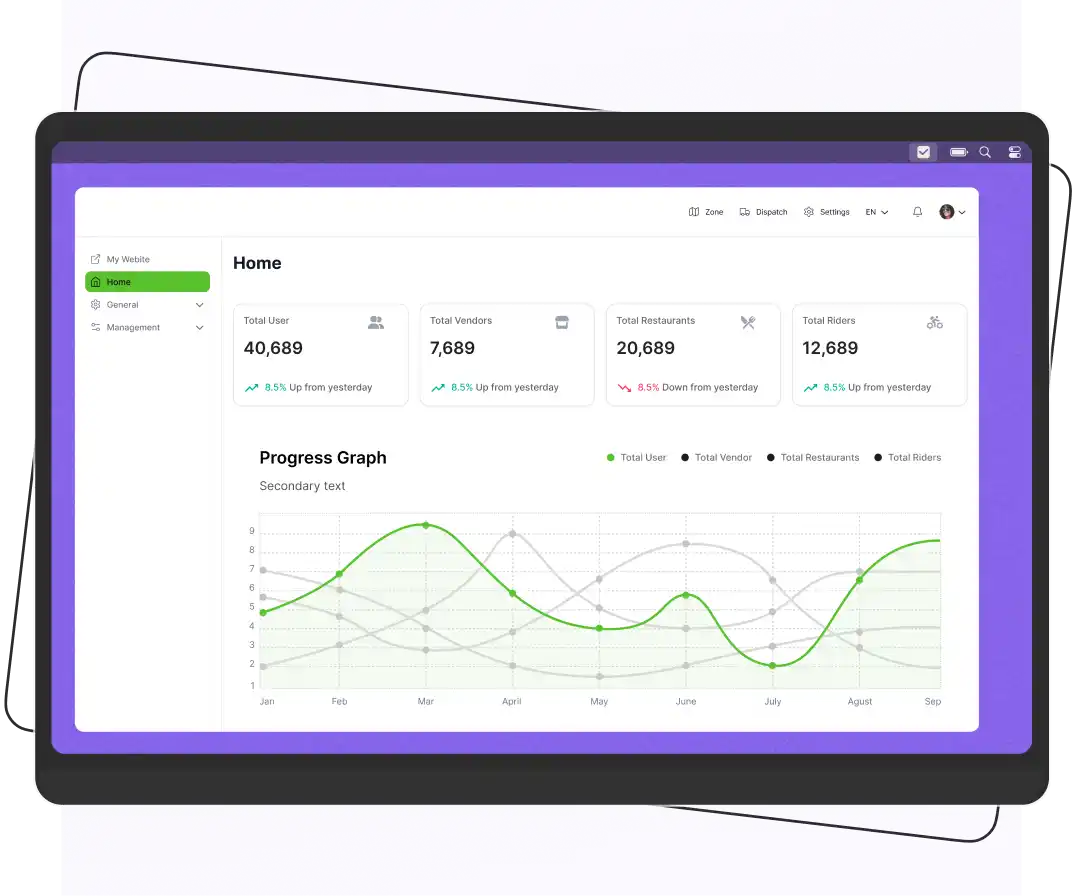
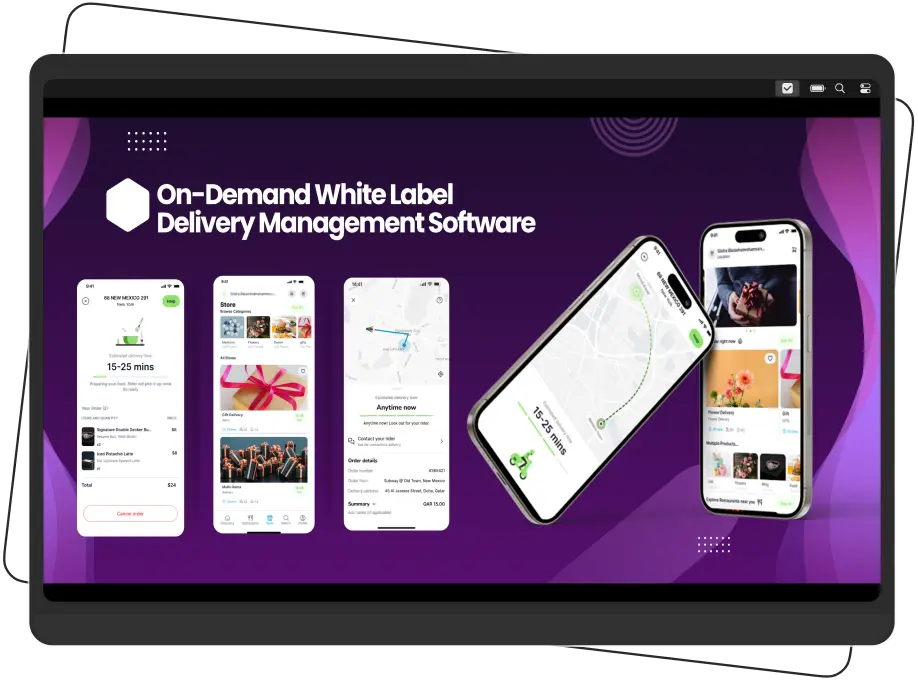
Key features of a React Native food ordering and delivery app include: 1. Customer App Browse restaurants and menus Add items to cart and customize orders Place orders and choose payment methods Real-time order tracking Ratings, reviews, and favorites Push notifications for order updates and promotions 2. Restaurant Panel Manage menu items, prices, and availability Receive and update orders in real time View sales reports and analytics Manage discounts, offers, and promotions 3. Delivery Partner App Accept and track orders Navigation and route optimization Update delivery status (picked up, delivered) View earnings and delivery history 4. Admin Dashboard Manage users, restaurants, and delivery partners Track orders, payments, and delivery performance Generate reports and analytics Manage promotions, discounts, and system settings
React Native improves performance in food delivery applications by: Native Rendering: Uses native components instead of web views, delivering faster UI rendering and smoother animations. Code Reusability: Shares a single codebase for iOS and Android, reducing development time and ensuring consistent performance. Asynchronous Updates: Handles data changes efficiently without blocking the main thread, enabling smooth real-time order updates. Optimized Rendering: Uses a Virtual DOM and diffing algorithms to update only changed components, reducing unnecessary re-renders. Third-Party Libraries: Integrates high-performance libraries for maps, navigation, and push notifications to enhance app responsiveness.
The best backend technologies for a React Native restaurant app are those that provide scalability, real-time updates, and easy API integration: Node.js + Express: Fast, lightweight, and handles multiple concurrent requests efficiently. PHP + Laravel: Secure, stable, and great for RESTful APIs with built-in features like authentication. Python + Django/Flask: Robust and scalable, with good support for complex business logic. Databases: MongoDB: Flexible schema, ideal for dynamic menus and orders. MySQL/PostgreSQL: Reliable relational database for structured data. Real-Time Services: Firebase: For live order tracking and push notifications. Socket.io: Enables real-time communication between customers, restaurants, and delivery partners. Cloud Hosting: AWS, Google Cloud, or DigitalOcean for scalable deployment.
Using React Native for restaurant food ordering apps offers several benefits: Cross-Platform Development: Build iOS and Android apps from a single codebase, saving time and cost. Fast Performance: Native components and optimized rendering ensure smooth UI and real-time updates. Reusable Components: Speeds up development and ensures consistent design across screens. Real-Time Updates: Efficiently handles live order tracking, notifications, and menu changes. Large Community & Libraries: Access to numerous third-party libraries for payments, maps, and analytics. Easy Maintenance: Single codebase makes updates, bug fixes, and feature additions simpler. Scalability: Supports growing users, restaurants, and order volumes without major rework.
The cost to develop a React Native restaurant food delivery app depends on features and complexity: Basic MVP: $15,000–$30,000 (user registration, menus, orders, basic payments) Intermediate App: $30,000–$80,000 (real-time tracking, notifications, dashboards) Advanced App: $100,000–$200,000+ (AI recommendations, multi-region support, loyalty programs) Costs vary based on features, design, integrations, and developer location.








 IOS
IOS Android
 Web
Web