Get Backend API for Swiggy Clone App Using Mern Stack
Start with the swiggy clone app using mern stack frontend, which is free and open-source. To unlock the backend API, schedule a call with our sales team. Documentation and real-world examples are provided.



Frequently Asked Questions
A Swiggy clone app using the MERN stack is a web application that replicates the core functionalities of Swiggy, a popular food delivery service, built using the MERN technologies: MongoDB, Express.js, React, and Node.js.
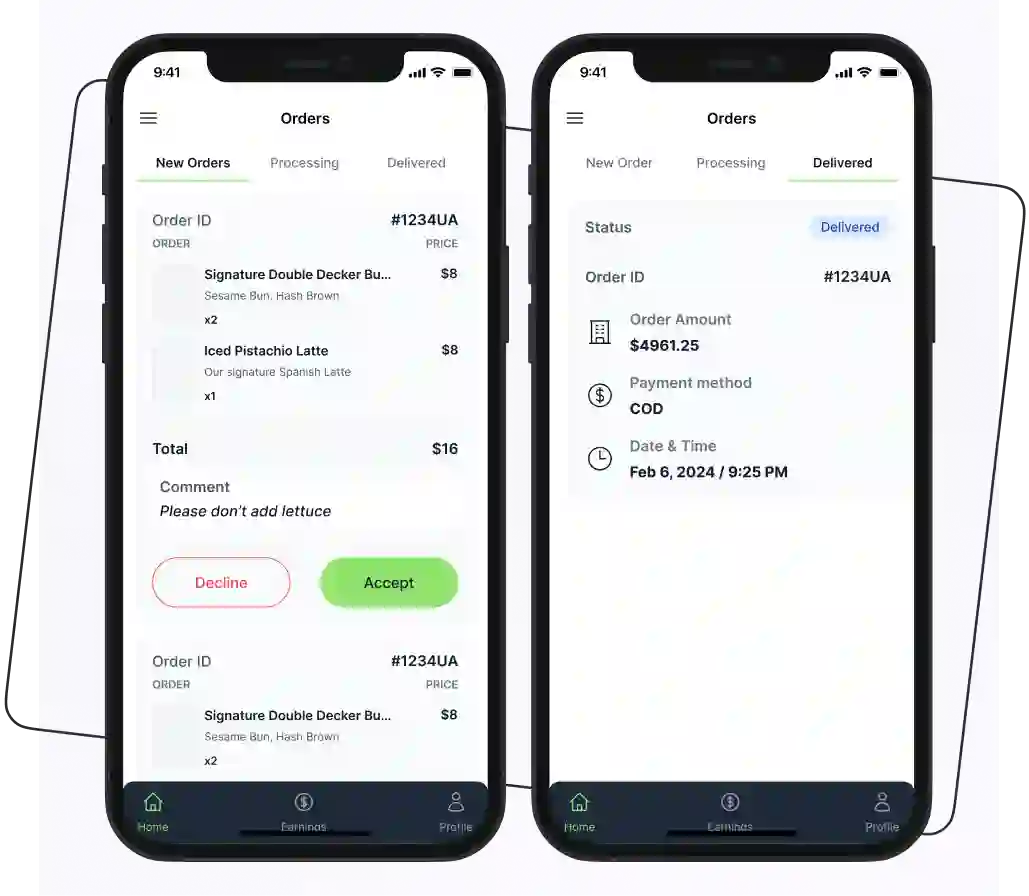
The core components of a MERN-based Swiggy clone system include: MongoDB: A NoSQL database used for storing user data, restaurant information, menu items, orders, and reviews in a flexible, document-based format. Express.js: A web application framework for Node.js that facilitates the creation of RESTful APIs, handling server-side logic, routing, and middleware. React: A JavaScript library for building dynamic and responsive user interfaces, allowing users to interact with the application seamlessly, such as browsing restaurants and placing orders. Node.js: A JavaScript runtime that allows for server-side scripting, enabling the use of JavaScript for backend development and handling asynchronous operations. User Authentication: Mechanisms for handling user registration, login, and authentication, often using libraries like JWT (JSON Web Tokens) for secure sessions. Payment Integration: Modules to facilitate secure payment processing through gateways like Stripe or PayPal, enabling transactions for orders. Real-Time Order Tracking: Features that allow users to track their orders in real-time, often leveraging technologies like WebSockets or Firebase for updates. Admin Dashboard: A management interface for restaurant owners and admins to oversee orders, manage menus, and analyze user feedback and sales data.
Optimizing a Swiggy clone app using the MERN stack can enhance performance, scalability, and user experience. Here are some effective techniques: 1. Efficient Database Design: Schema Optimization: Use appropriate indexing in MongoDB to speed up queries, especially for frequently accessed data like restaurant listings and orders. Denormalization: In certain cases, denormalize data for faster read operations, particularly for complex queries. 2. Caching: In-Memory Caching: Implement caching solutions like Redis or Memcached to store frequently accessed data, reducing database load and improving response times. 3. Load Balancing: Use load balancers to distribute incoming traffic across multiple server instances, ensuring no single server is overwhelmed. 4. Asynchronous Processing: Utilize asynchronous processing for tasks like sending notifications or processing payments, allowing the server to handle more requests simultaneously. 5. Code Splitting: In React, implement code splitting to load only the necessary components, reducing initial load times and improving performance. 6. Optimize API Calls: Minimize the number of API calls by consolidating requests and using pagination or lazy loading for large datasets. 7. Compression and Minification: Compress assets (JavaScript, CSS, images) and minify code to reduce load times and improve overall performance. 8. Use of CDN: Serve static assets (images, stylesheets) through a Content Delivery Network (CDN) to reduce latency and improve load times for users across different regions. 9. Monitoring and Logging: Implement monitoring tools (like New Relic or Firebase Performance Monitoring) to track application performance and identify bottlenecks. 10. Regular Updates and Maintenance: Keep dependencies up to date and regularly refactor code to improve efficiency and security.
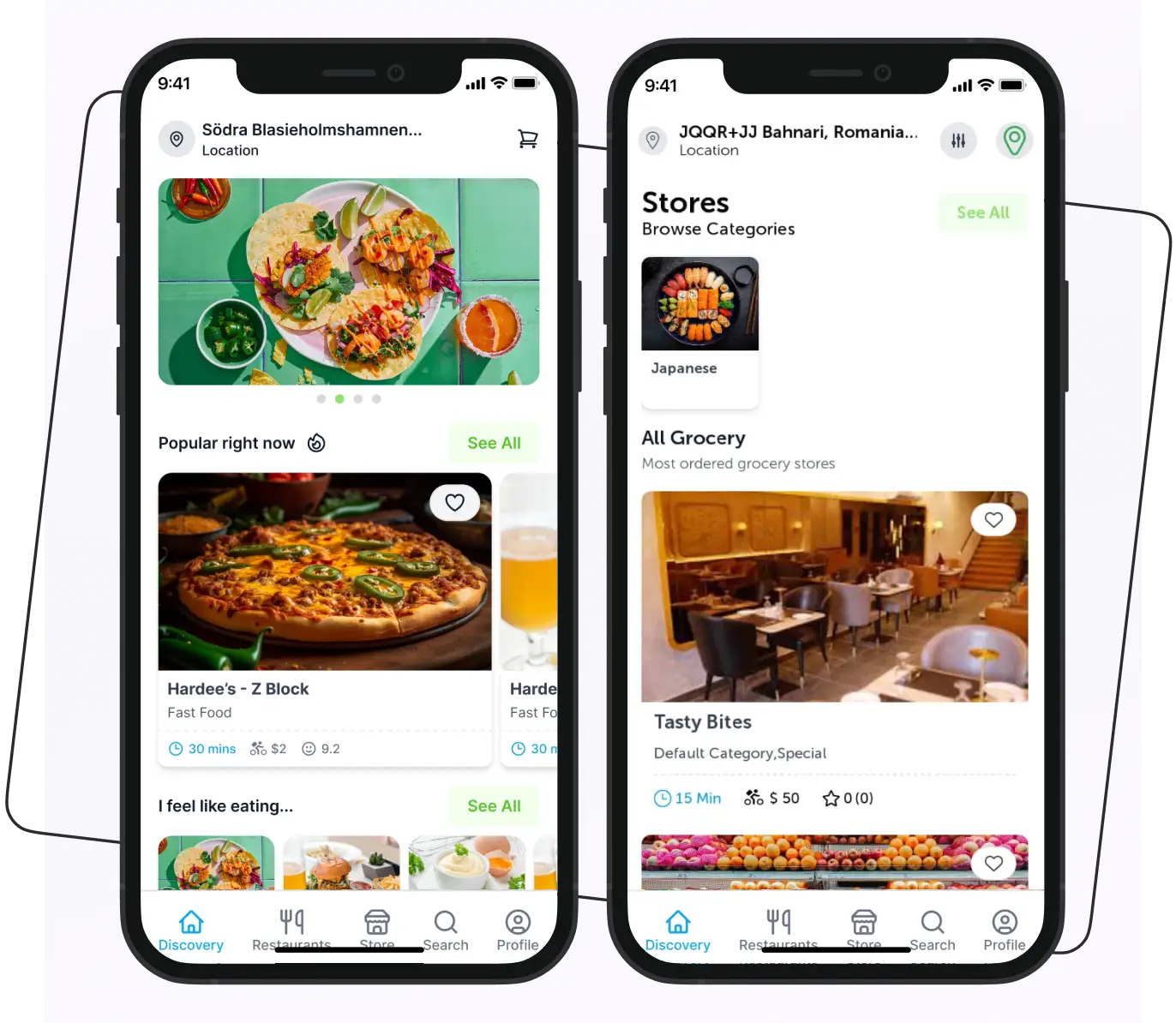
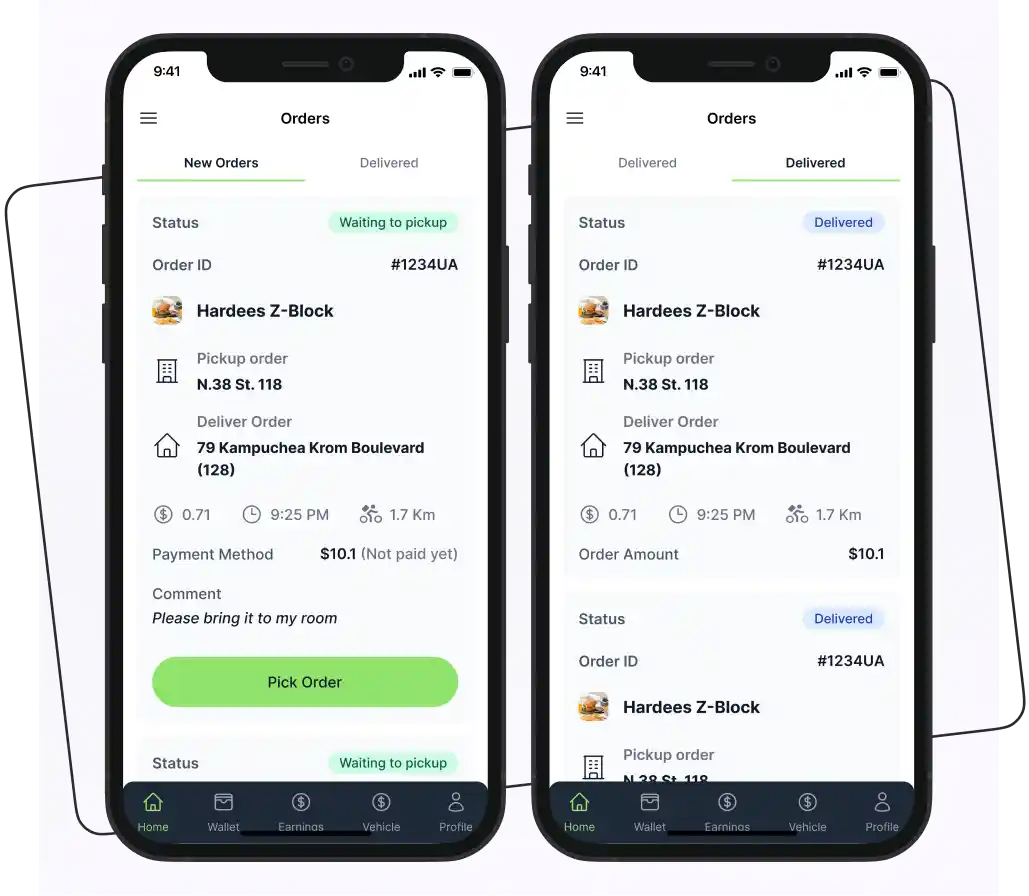
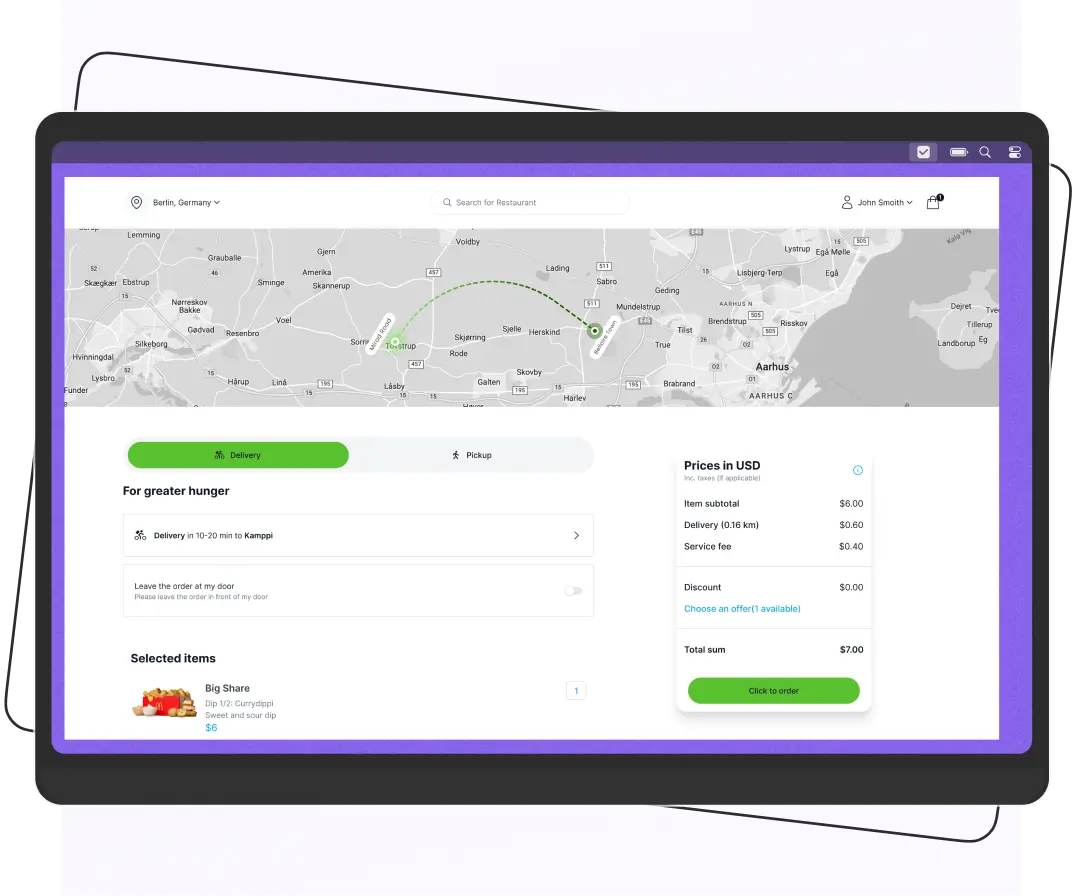
To make a Swiggy clone app similar to Swiggy’s live platform, it should include the following key features: User Registration and Profiles: Allow users to create accounts, manage profiles, and save preferences. Restaurant Listings: Display nearby restaurants with detailed menus, images, ratings, and reviews. Real-Time Order Tracking: Enable users to track their orders in real-time, from preparation to delivery. Customized Ordering: Allow users to customize their orders (e.g., toppings, portion sizes) before placing them. Secure Payment Gateway: Integrate multiple payment options (credit/debit cards, digital wallets) for seamless transactions. Push Notifications: Send updates on order status, promotional offers, and new restaurant listings to keep users engaged. Order History: Provide users with access to their past orders for easy reordering. User Reviews and Ratings: Enable users to leave feedback and rate restaurants based on their experiences. Admin Dashboard: A management interface for restaurant owners to manage menus, view orders, and analyze performance metrics. Promotions and Discounts: Implement features for promotional offers and loyalty programs to attract and retain customers.








 IOS
IOS Android
 Web
Web