Get Backend API for Uber Eats App Clone Using React Native
The uber eats app clone using react native frontend is open-source and easy to adapt. Unlock backend API functionality by arranging a call with our team. Access documentation and case studies online.



Frequently Asked Questions
An Uber Eats app clone is a replica or ready-made version of the Uber Eats platform that allows entrepreneurs to launch their own food delivery app quickly. It mimics Uber Eats’ core features, including: Restaurant listings and menus Customer order placement Real-time order tracking Delivery partner assignment Payment processing Essentially, it gives businesses a ready-to-use food delivery system without building an app from scratch, saving time and development cost.
Here’s a step-by-step process to develop an Uber Eats clone app: 1. Plan Your App Define the target audience and platforms (iOS, Android, web). Identify core features for each user type: Customer, Restaurant, Delivery Partner, Admin. Decide on monetization: delivery fees, commissions, subscription plans. 2. Choose Technology Stack Frontend: React Native or Flutter for cross-platform apps. Backend: Node.js + Express, PHP + Laravel, or Python + Django. Database: MongoDB (NoSQL) or MySQL/PostgreSQL (SQL). Real-Time Features: Socket.io or Firebase for live tracking. 3. Design UI/UX Create intuitive, responsive screens for browsing, ordering, and delivery tracking. Separate dashboards for restaurants, delivery partners, and admin. Focus on simplicity, speed, and user engagement. 4. Develop Core Modules Customer App: Browse restaurants, place orders, make payments, track deliveries. Restaurant App: Manage menu, accept/reject orders, track preparation. Delivery App: Accept orders, navigate routes, update status. Admin Panel: Monitor users, restaurants, delivery partners, payments, and analytics. 5. Integrate Key Features Payment Gateways: Stripe, PayPal, or local options. Maps & Navigation: Google Maps API for delivery routing. Notifications: Push notifications via Firebase or OneSignal. Ratings & Reviews: Customers rate restaurants and delivery experience. 6. Testing Conduct functional, performance, and usability tests. Ensure smooth real-time updates, payment processing, and notifications. 7. Deployment and Maintenance Deploy backend on AWS, Google Cloud, or DigitalOcean. Publish mobile apps to App Store and Google Play Store. Provide regular updates, bug fixes, and feature enhancements.
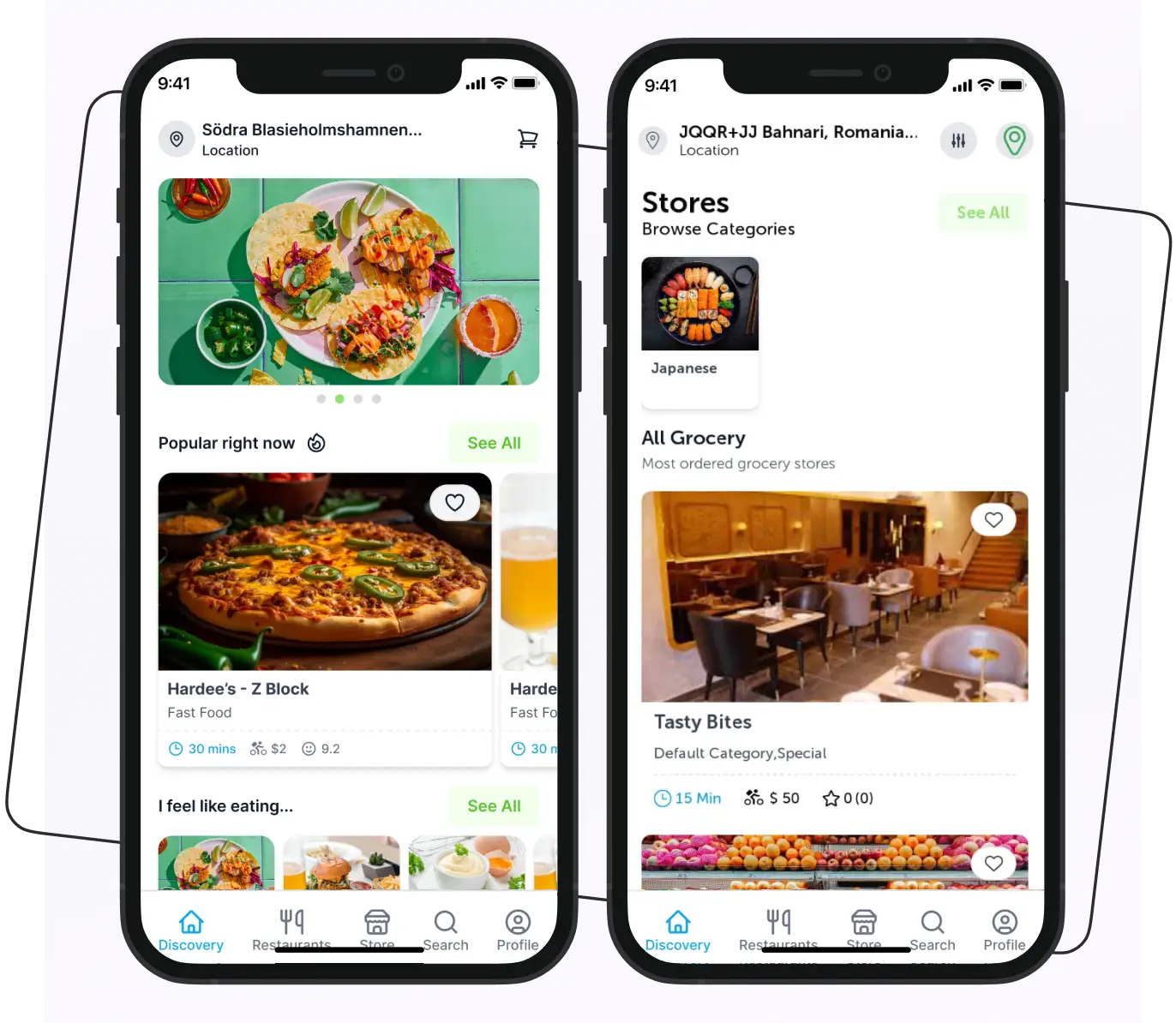
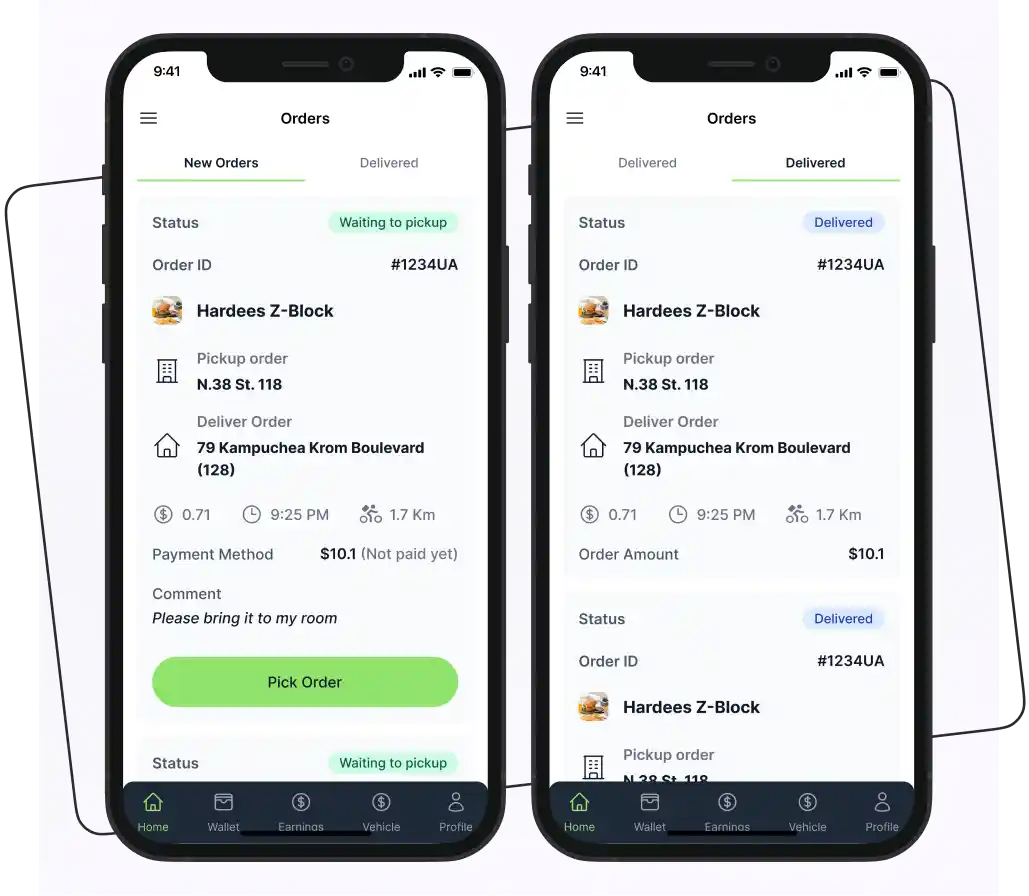
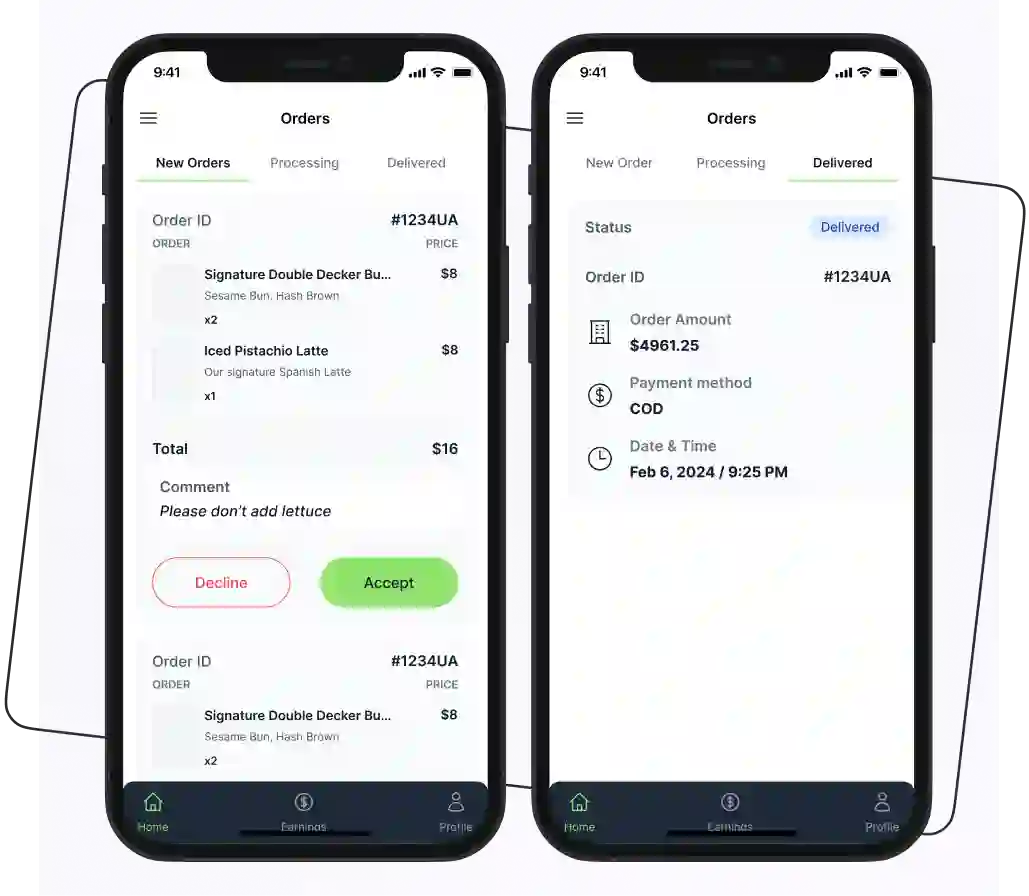
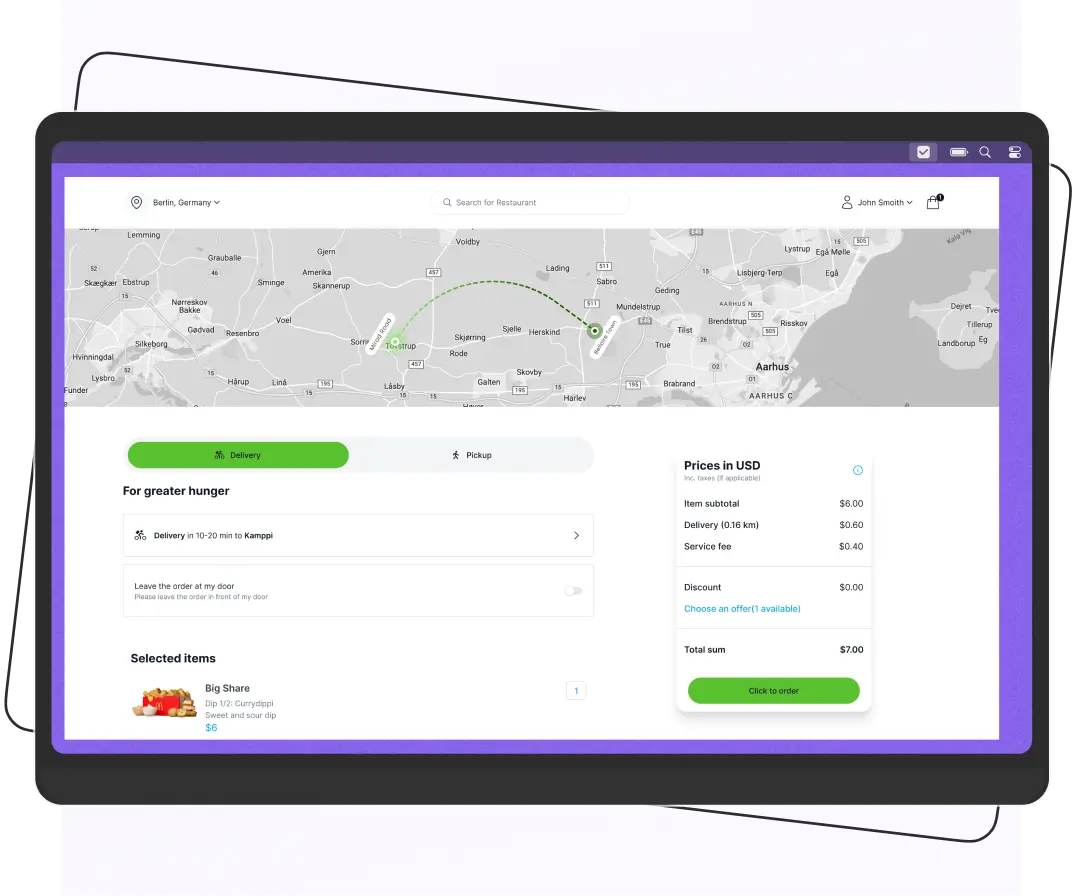
Here are the key features of an Uber Eats clone app: 1. Customer App Browse restaurants and menus Search and filter by cuisine, price, ratings Add items to cart and customize orders Multiple payment options (cards, wallets, COD) Real-time order tracking Ratings, reviews, and favorites Notifications for order status and offers 2. Restaurant App Manage menu, prices, and availability Accept or reject orders Track order preparation and status Manage promotions, discounts, and combos View sales reports and analytics 3. Delivery Partner App Accept or reject delivery requests GPS navigation and route optimization Update order status (picked up, delivered) Earnings tracking and history 4. Admin Panel Manage customers, restaurants, and delivery partners Monitor orders, payments, and app performance Generate reports and analytics Manage promotions, commissions, and offers
For a React Native Uber Eats clone, the following backend technologies work best: 1. Server & API Node.js + Express.js – Fast, scalable, and ideal for real-time updates. PHP + Laravel – Reliable for structured apps and REST APIs. Python + Django/Flask – Robust and scalable for complex logic. Ruby on Rails – Rapid development with clean code. 2. Database MongoDB (NoSQL): Flexible schema, ideal for menus, orders, and real-time data. MySQL/PostgreSQL (SQL): Structured data, perfect for transactions and analytics. 3. Real-Time & Notifications Socket.io or Firebase Realtime Database – For live order tracking. Firebase Cloud Messaging / OneSignal – Push notifications to users and delivery partners. 4. Maps & Location Google Maps API – For delivery routing, ETA, and GPS tracking. 5. Payment Integration Stripe, PayPal, or Razorpay for secure online payments.
Developing an Uber Eats clone app using React Native costs between $30,000 and $120,000, depending on factors like complexity, features, and development team location.
Building an Uber Eats clone using React Native offers several advantages: 1. Cross-Platform Development Single codebase works on iOS and Android, reducing development time and cost. 2. Faster Development Pre-built components and libraries speed up the app-building process. 3. Real-Time Updates Easily integrates live order tracking and notifications for customers, restaurants, and delivery partners. 4. High Performance React Native delivers near-native app performance, ensuring smooth animations and fast load times. 5. Easy Maintenance Single codebase simplifies updates, bug fixes, and feature additions. 6. Scalability Supports adding new features, multiple restaurants, and locations as your business grows. 7. Cost-Effective Saves money compared to developing separate native apps for iOS and Android.








 IOS
IOS Android
 Web
Web