Get Backend API for Foodpanda Clone Using Mern Stack
Build faster using the foodpanda clone using mern stack open-source frontend. To integrate the backend API, reach out to our sales team. Case studies and technical documentation are available.



Frequently Asked Questions
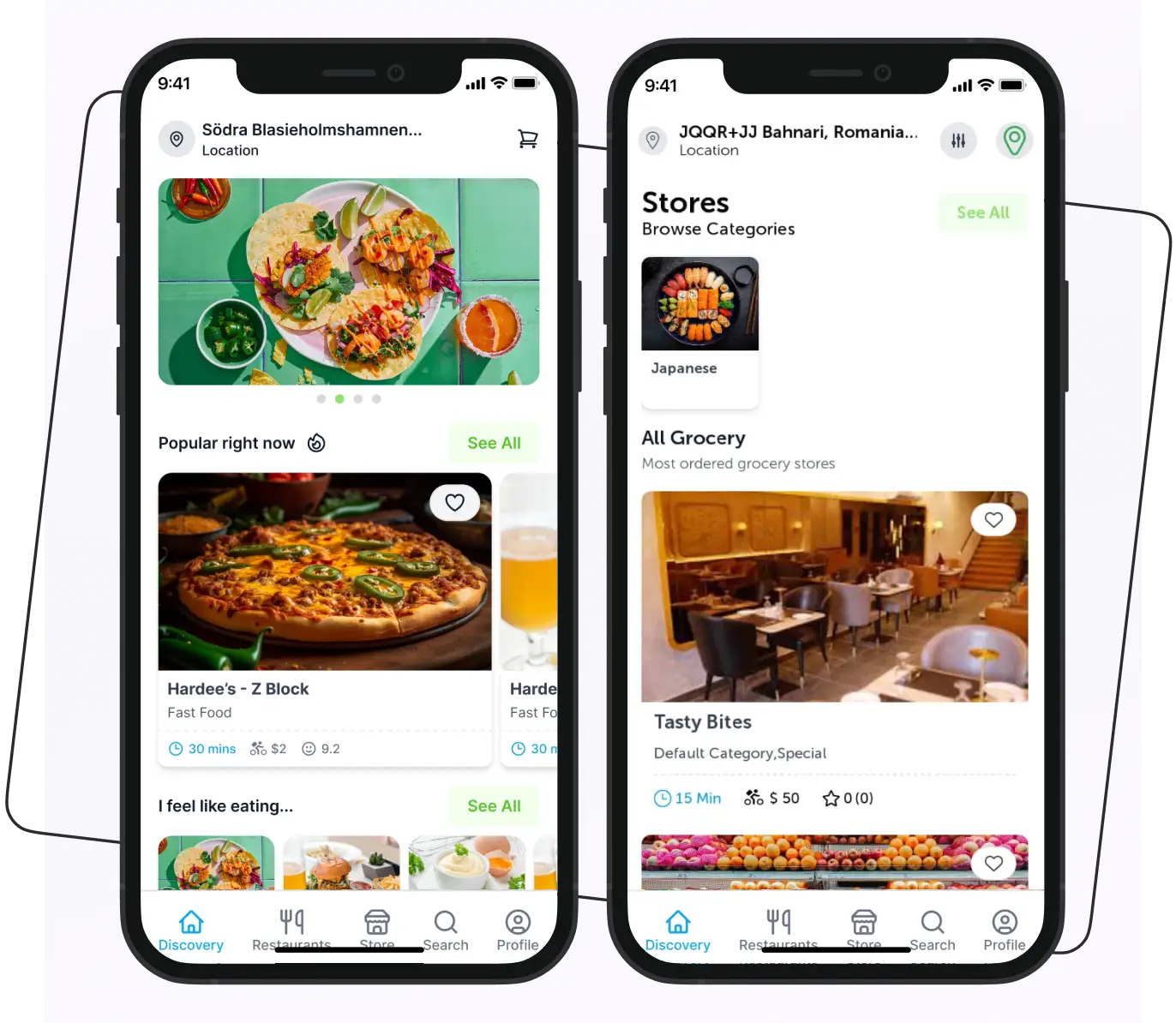
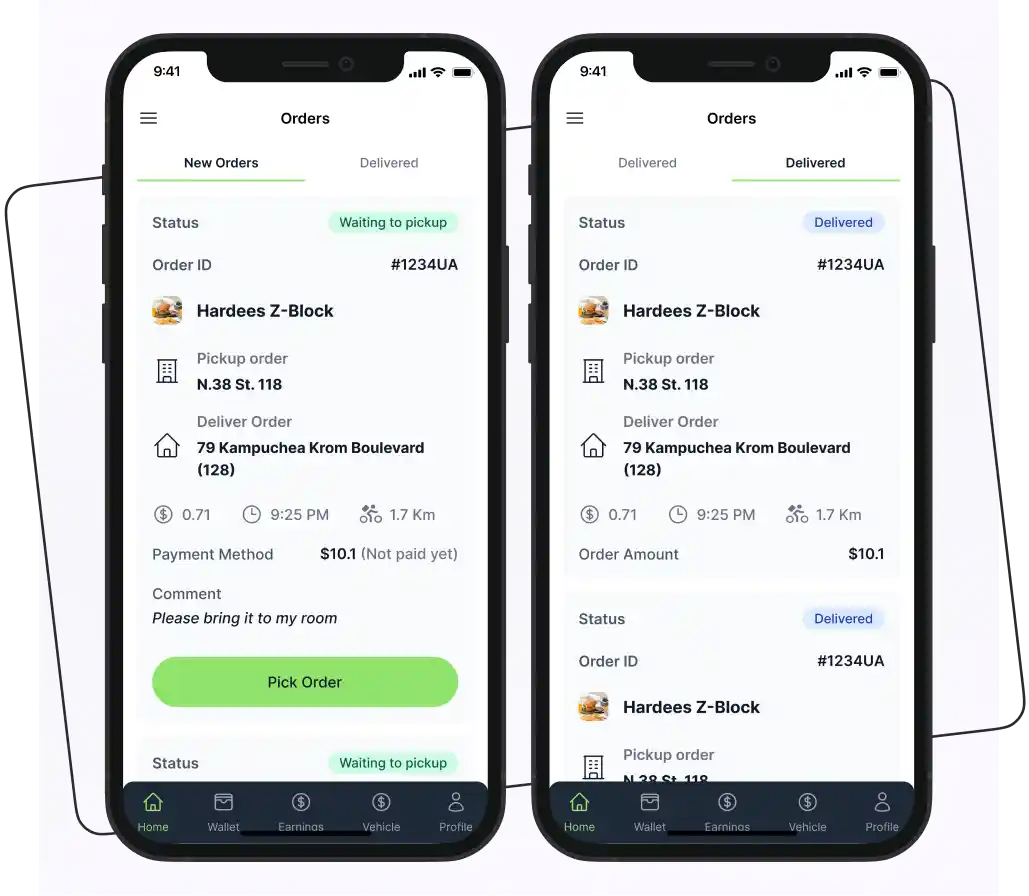
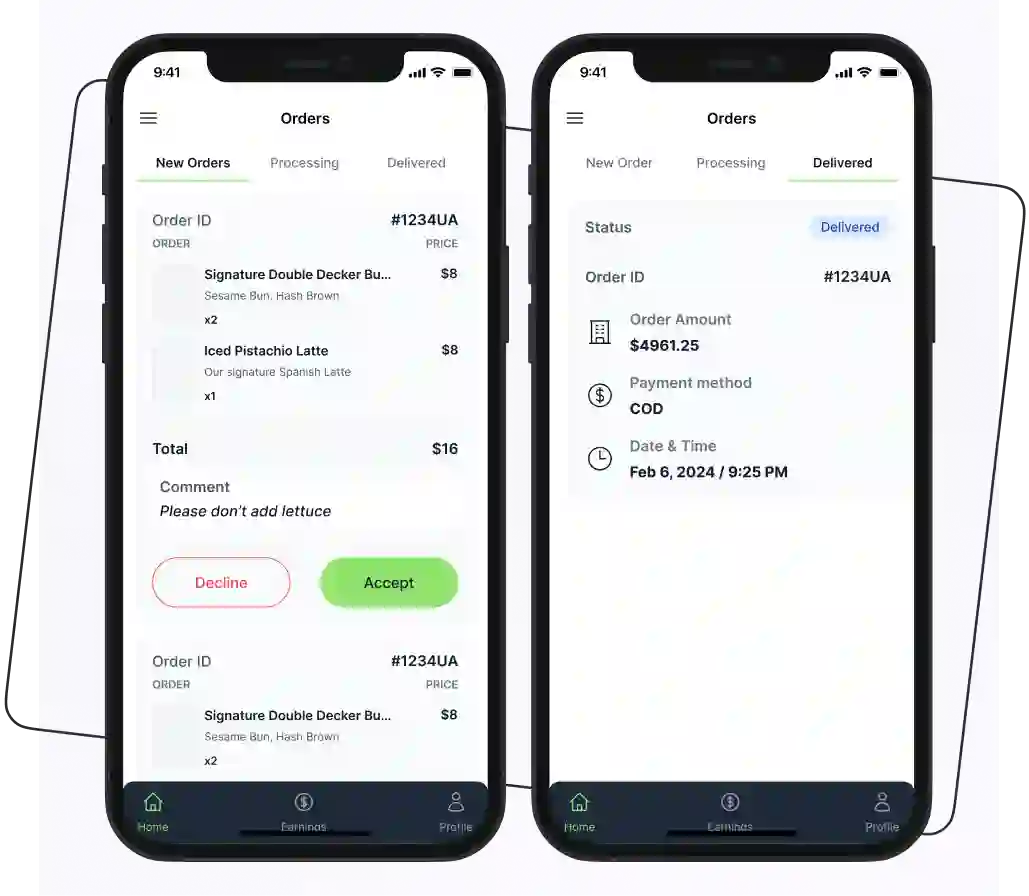
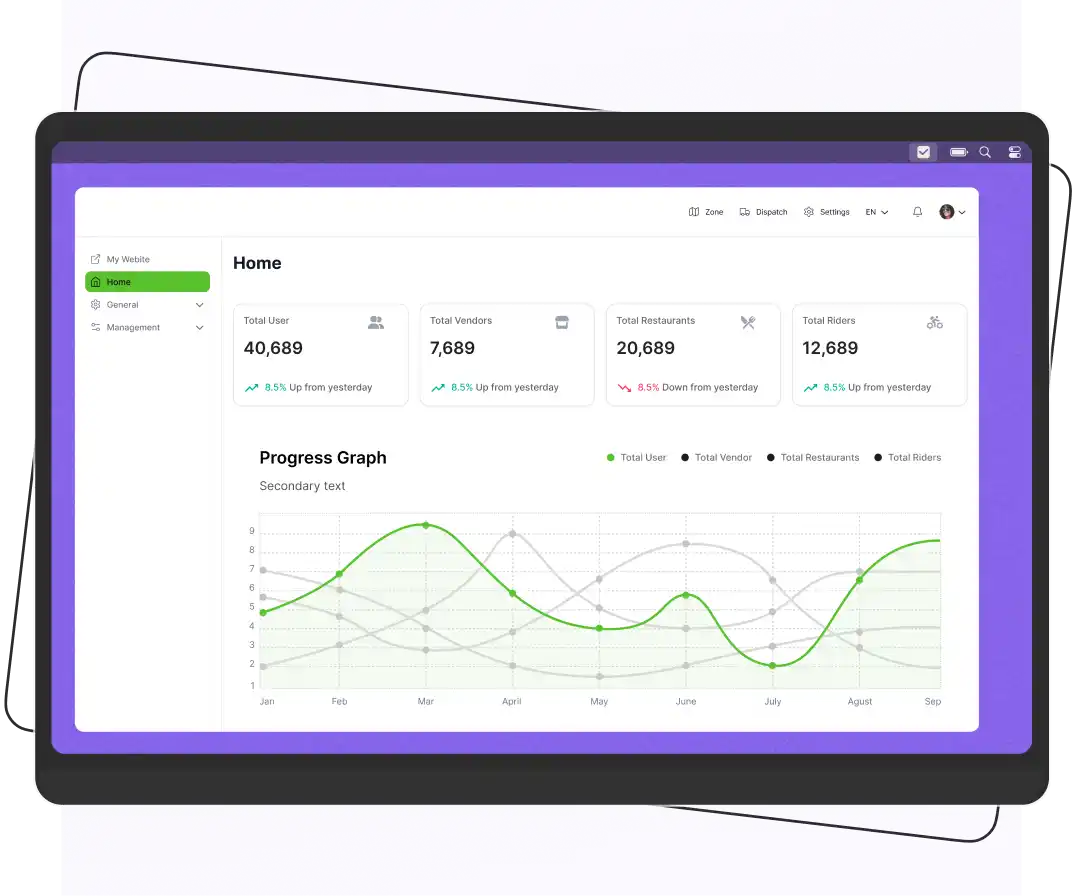
A Foodpanda clone app functions through a user-friendly interface that connects customers, restaurants, and delivery personnel. Here's how it works: User Interface: Customers browse available restaurants and menus, place orders, and make payments through the app. Restaurant Dashboard: Restaurants receive and manage orders, update menus, and track sales through their dedicated dashboard. Delivery Management: Delivery personnel receive notifications for new orders, navigate to the restaurant for pickup, and deliver orders to customers. Order Tracking: Customers can track their order status in real-time, from preparation to delivery. Payment Processing: The app securely processes payments, often integrating various payment methods for convenience.
Using the MERN stack (MongoDB, Express.js, React, Node.js) to build a Foodpanda clone offers several advantages: Full-Stack JavaScript: Both client-side and server-side code are written in JavaScript, streamlining development and enabling easier collaboration among developers. Scalability: MongoDB provides a flexible schema and can handle large amounts of data, making it suitable for growing applications with fluctuating user loads. Rapid Development: React's component-based architecture allows for the rapid development of interactive user interfaces, enhancing user experience. Robust APIs: Express.js simplifies API creation, allowing for efficient communication between the frontend and backend. Strong Community Support: Each component of the MERN stack has a large community and extensive resources, facilitating troubleshooting and access to libraries.
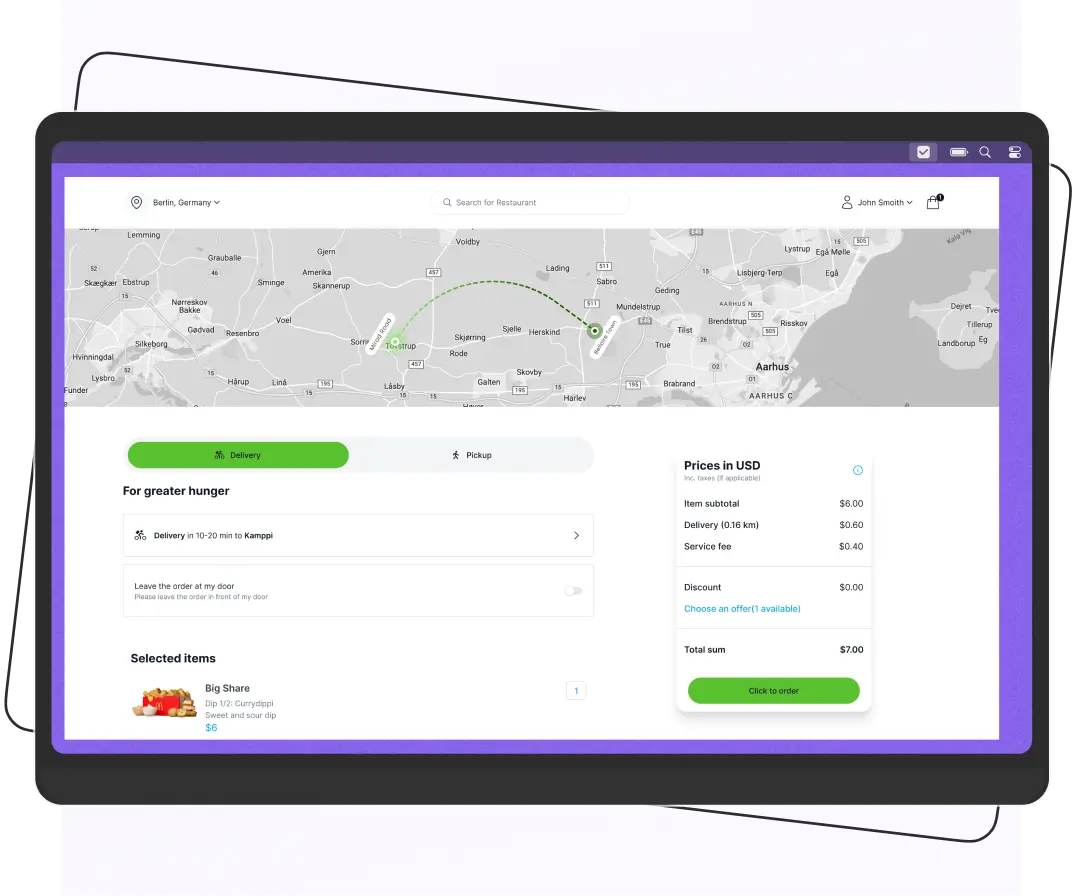
Yes, a Foodpanda clone app includes both web and mobile versions to cater to different user preferences. The web version allows users to place orders from desktop browsers, while the mobile app provides a more accessible and convenient experience for users on smartphones, ensuring a seamless interaction across platforms.




 IOS
IOS Android
 Web
Web