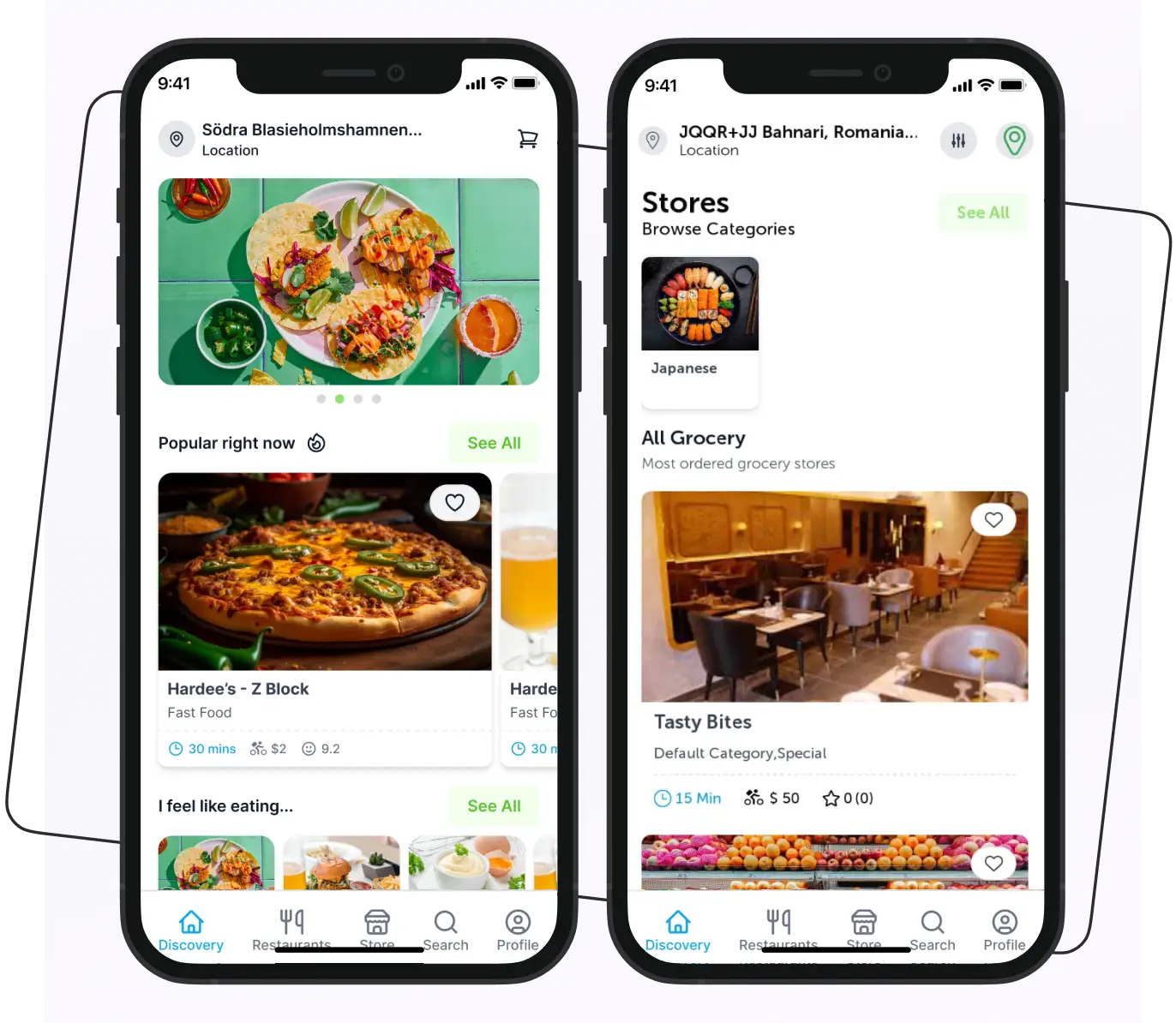
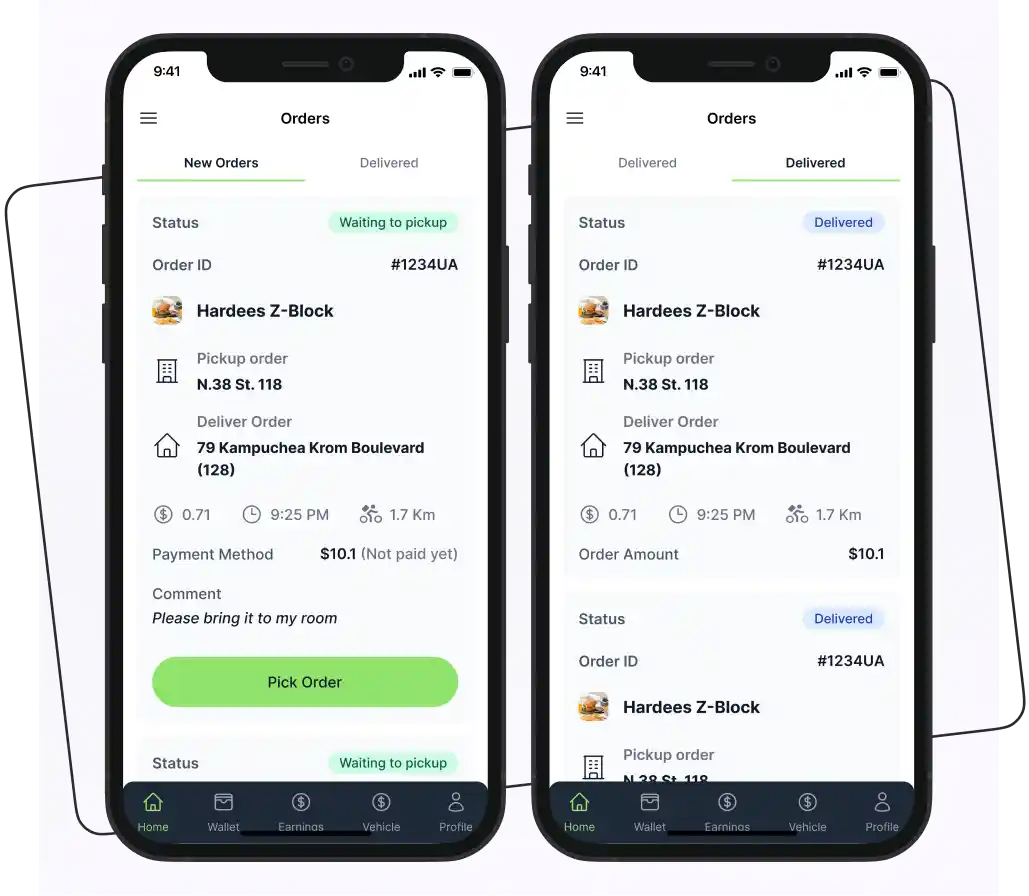
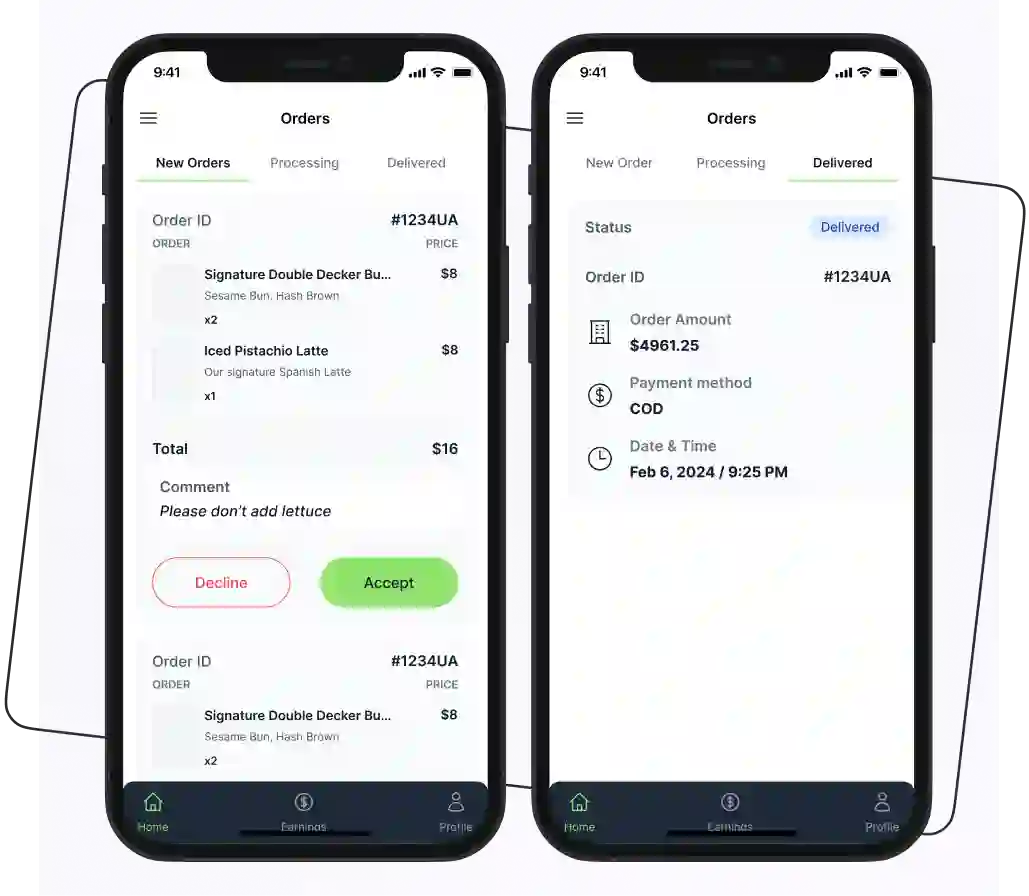
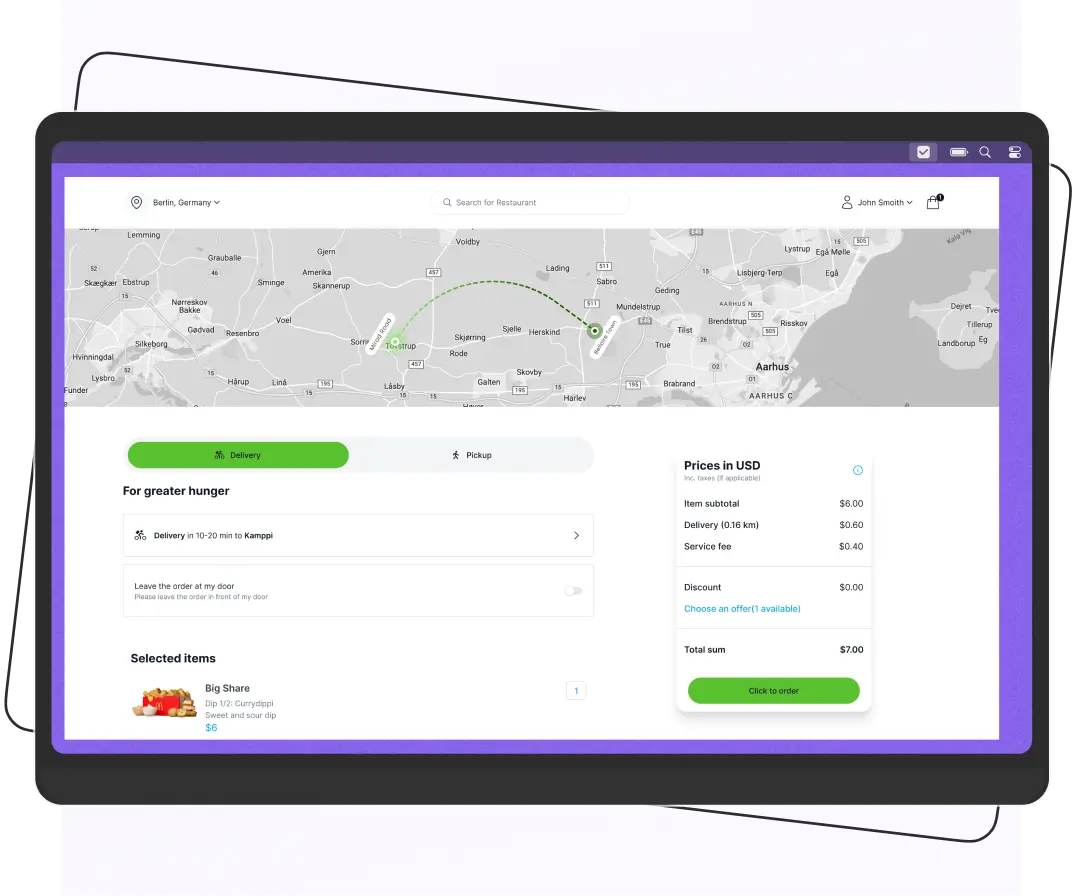
Get Backend API for Food Ordering App Using Python
The food ordering app using python frontend is open-source and easy to adapt. Unlock backend API functionality by arranging a call with our team. Access documentation and case studies online.



Frequently Asked Questions
To develop a food ordering app, follow these steps: Market Research: Analyze competitors and identify target customers to define unique features. Choose a Platform: Decide between iOS, Android, or both, and select the appropriate technology stack (e.g., native, hybrid, or web-based). Design the UI/UX: Create wireframes and prototypes focusing on user-friendly navigation and appealing aesthetics. Backend Development: Set up a server, database, and APIs to manage user accounts, orders, and payments. Frontend Development: Build the app interface using languages like Swift for iOS or Kotlin for Android. Testing: Conduct thorough testing for functionality, usability, and performance across devices. Launch: Deploy the app on app stores and promote it to attract users. Maintenance and Updates: Regularly update the app based on user feedback and market trends.
Yes, Python is sufficient for developing a food app, due to frameworks like Django and Flask for backend development, rapid coding capabilities, and strong database integration. Its versatility also allows for both web and mobile app development.
The time to build a Python food app can vary widely based on complexity, features, and team size, ranging from 3 to 6 months. Simpler apps may take around 3 months, while more complex applications with advanced features could take up to 6 months or longer.
For developing food ordering apps, the following Python frameworks are well-suited: Django: Ideal for larger apps with built-in features like authentication, an admin panel, and ORM, making it great for rapid development. Flask: A lightweight and flexible micro-framework that allows for easier customization, suitable for simpler apps or when you need more control over components. FastAPI: Excellent for building high-performance APIs with automatic validation and documentation, making it ideal for apps that require quick response times.
Yes, Python is suitable for multi-vendor food ordering platforms due to its frameworks like Django and FastAPI, which efficiently manage user and vendor interactions, scalability, and data handling.




 IOS
IOS Android
 Web
Web