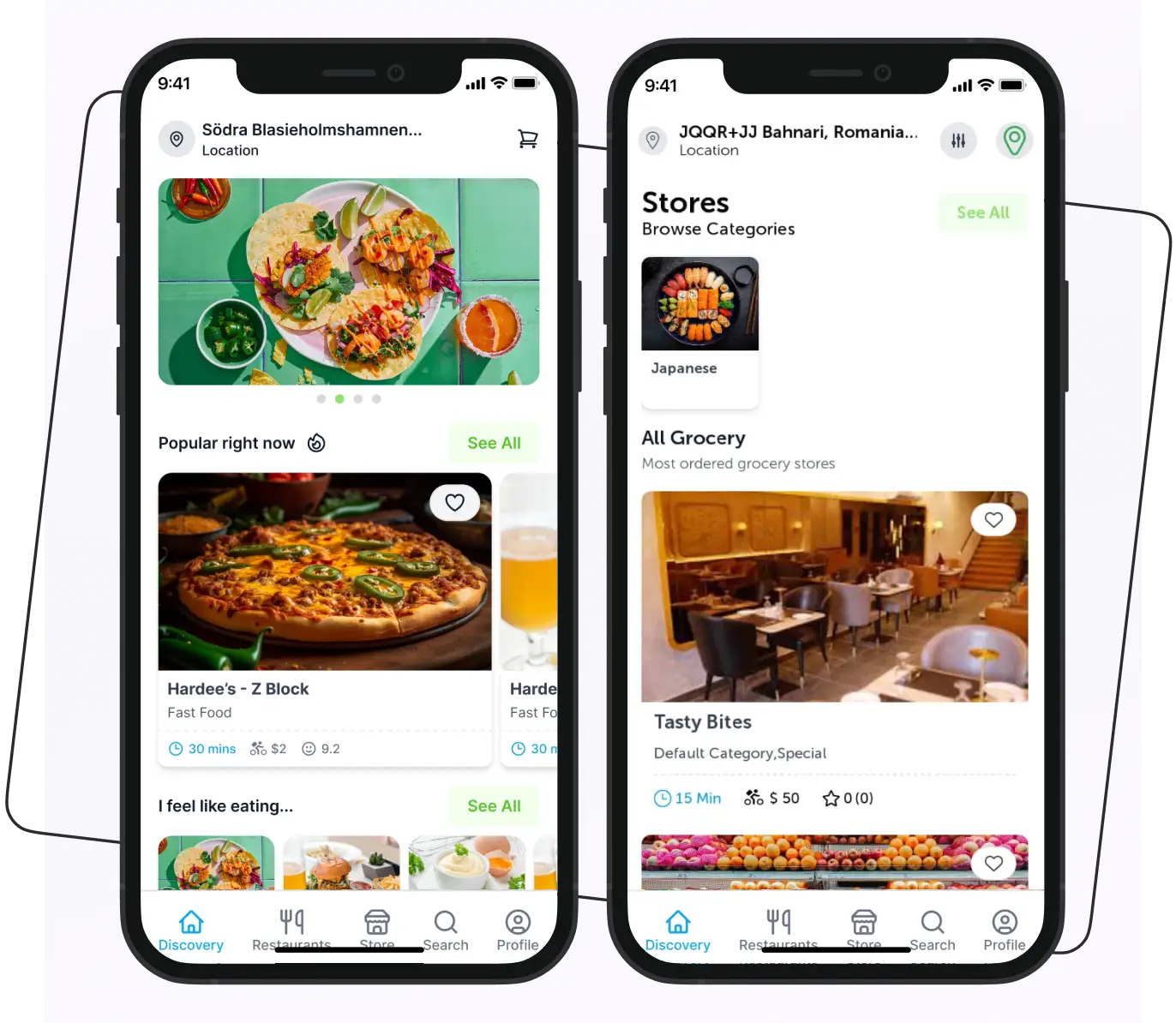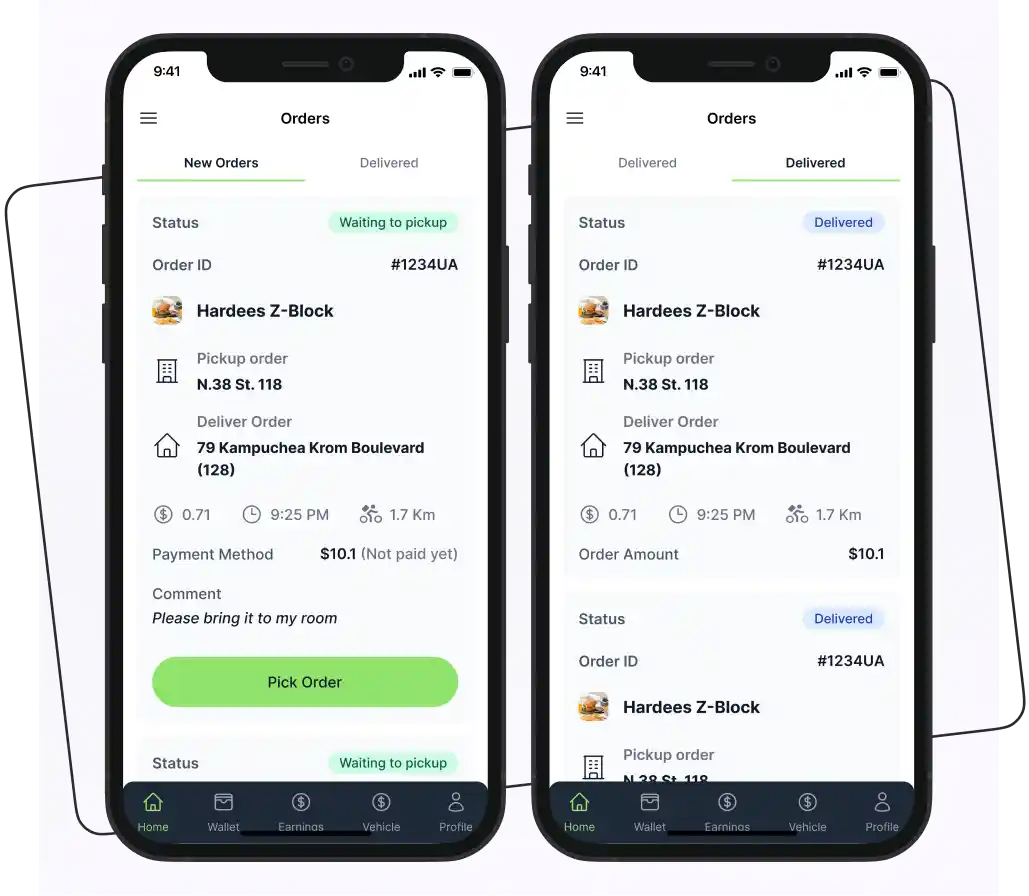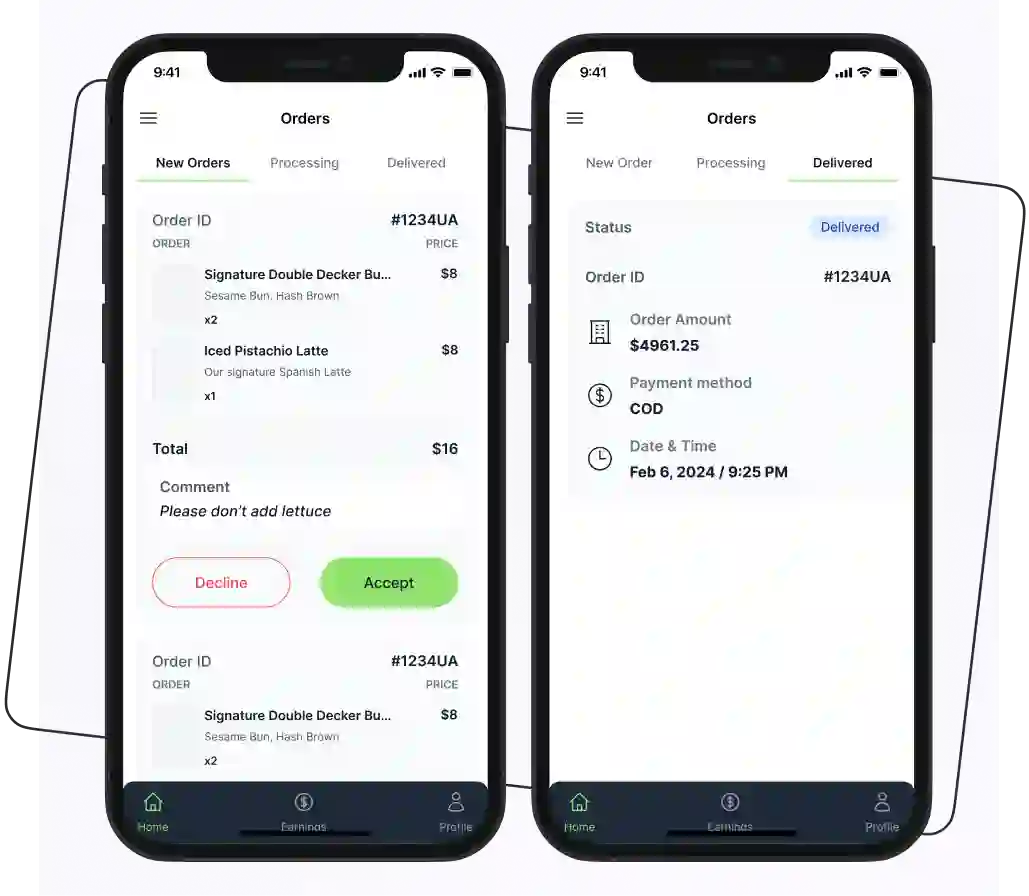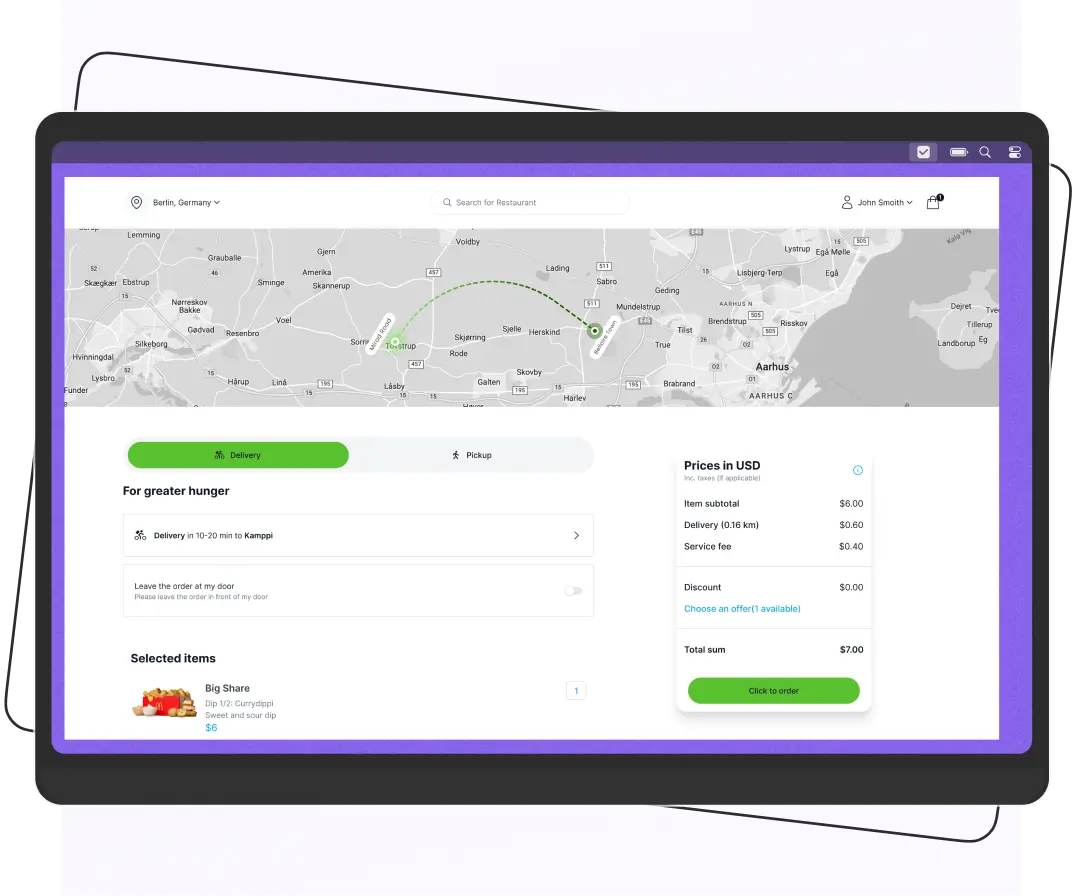
Get Backend API for Medicine Delivery App Using Mern Stack
Launch your medicine delivery app using mern stack project quickly using the free frontend. The backend API requires a commercial license—schedule a consultation with our sales staff. Resources are included.



Frequently Asked Questions
The MERN stack (MongoDB, Express.js, React, Node.js) is ideal for building medicine delivery applications due to several reasons: Full-Stack JavaScript: Using JavaScript across the entire stack simplifies development and allows for seamless communication between the client and server. Real-Time Data Handling: Node.js enables efficient handling of real-time data, crucial for features like order tracking and notifications. Responsive User Interfaces: React allows for the creation of dynamic and responsive user interfaces, enhancing user experience for browsing medicines and placing orders. Scalability: MongoDB's NoSQL database is highly scalable, accommodating growing data needs as the application expands. Community Support: A strong community offers resources, documentation, and support, making it easier to troubleshoot issues and implement best practices.
Building a medicine delivery app requires careful planning and execution. Here’s a detailed and structured approach to guide you through the process: 1. Conduct Thorough Market Research Identify Competitors: Analyze existing medicine delivery apps to understand their strengths and weaknesses. Understand User Needs: Conduct surveys and interviews to gather insights on what features users desire. 2. Define Core Features User Features: Registration & Login: Secure user accounts using email or social media. Medicine Search: Easy navigation with search filters for brands, categories, and availability. Cart & Checkout: Simple cart management and a streamlined checkout process. Prescription Upload: Option for users to upload prescriptions directly. Order Tracking: Real-time tracking of delivery status. Payment Options: Multiple payment gateways (credit/debit cards, wallets). Admin Features: Dashboard: Comprehensive view of sales, inventory, and user activity. Inventory Management: Tools for tracking stock levels and managing suppliers. User Management: Ability to manage user accounts and feedback. Delivery Partner Features: Notifications: Alerts for new delivery assignments. Route Optimization: Efficient routing for timely deliveries. 3. Choose the Right Technology Stack Frontend: React or Vue.js for a responsive and dynamic UI. Backend: Node.js with Express.js for handling server-side logic. Database: MongoDB or PostgreSQL for data management. Payment Gateway: Integrate Stripe, PayPal, or similar for secure transactions. 4. Create a User-Centric Design Wireframes: Sketch the layout for each app screen. Prototypes: Develop clickable prototypes to visualize user flows. UI/UX Design: Focus on a clean, intuitive interface with accessible navigation. 5. Development Process Agile Methodology: Use Agile practices to allow flexibility and iterative improvements. Backend Development: Set up the server, APIs, and database schemas. Frontend Development: Build the user interface, ensuring responsiveness across devices. Integration: Connect frontend and backend using RESTful APIs. 6. Testing Automated Testing: Implement unit and integration tests to ensure code quality. User Acceptance Testing (UAT): Gather feedback from real users to identify areas for improvement. Bug Fixing: Address any issues discovered during testing. 7. Deployment Choose a Hosting Service: Options like AWS, Heroku, or DigitalOcean for hosting. Continuous Integration/Continuous Deployment (CI/CD): Automate deployment processes for quick updates. 8. Launch Strategy Marketing Plan: Develop a strategy that includes social media campaigns, SEO, and partnerships with local pharmacies. User Onboarding: Create tutorials or guides to help new users navigate the app. 9. Post-Launch Support and Maintenance Monitor Performance: Use analytics tools to track user engagement and app performance. Regular Updates: Continuously improve the app based on user feedback and market trends. Customer Support: Implement a support system to address user inquiries and issues.
The cost to develop a medicine delivery app using the MERN stack generally ranges from: Basic App: $20,000 - $40,000, covering core features like user registration, medicine search, and payment integration. Mid-Level App: $40,000 - $80,000, including additional functionalities like prescription upload and advanced tracking.
Yes, medicine delivery apps can be profitable due to: Growing Demand: The increasing need for convenient access to medications drives user adoption. Recurring Revenue: Regular orders from customers create a steady income stream, especially for chronic medication needs.








 IOS
IOS Android
 Web
Web