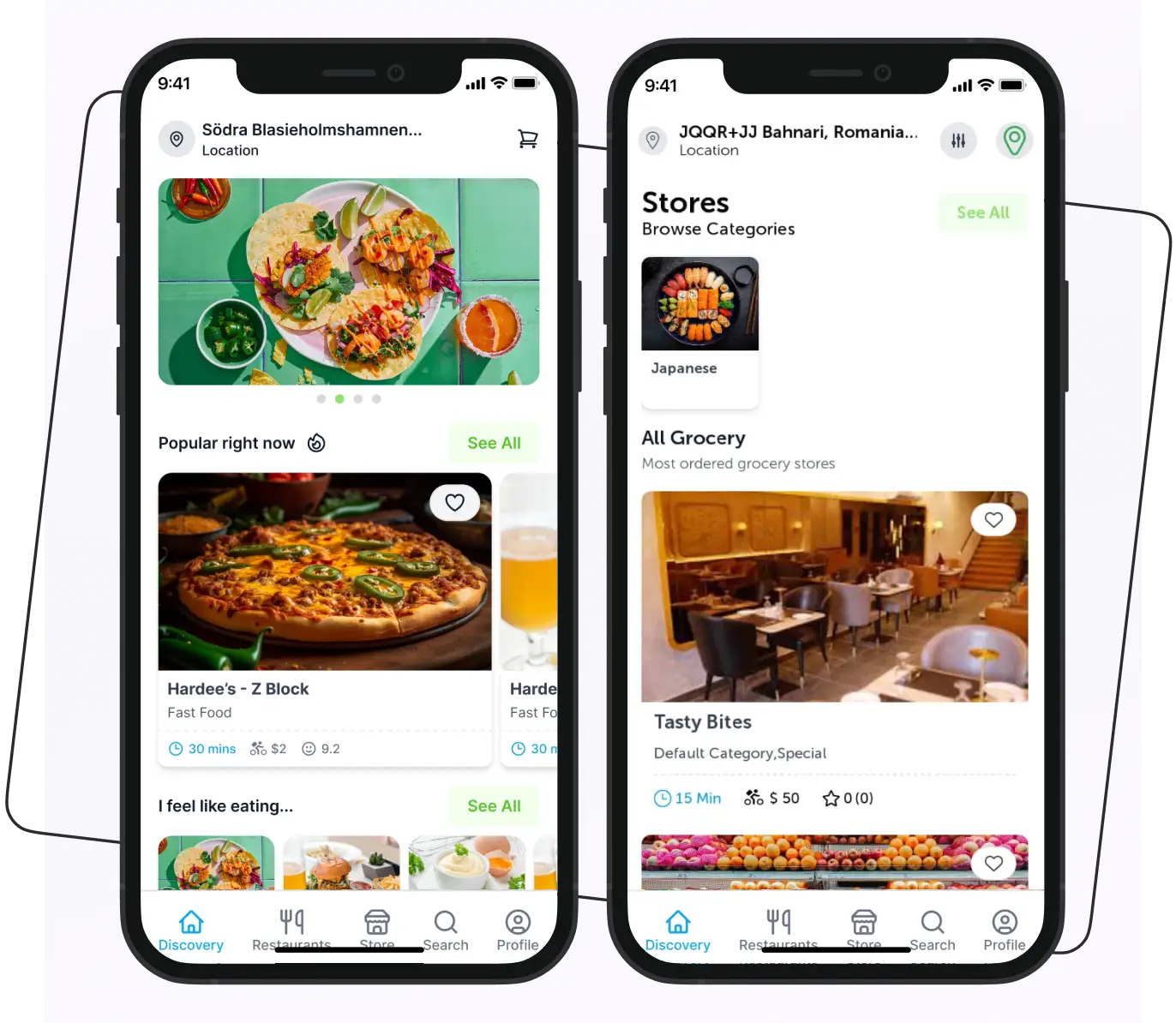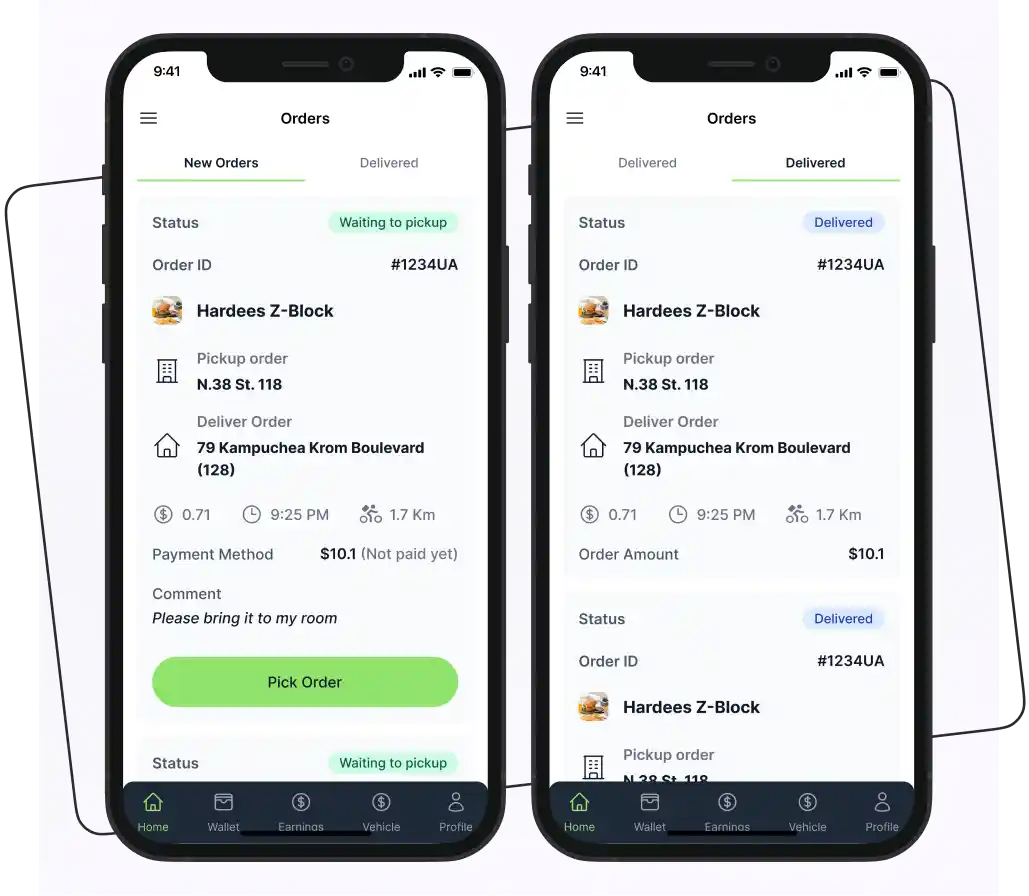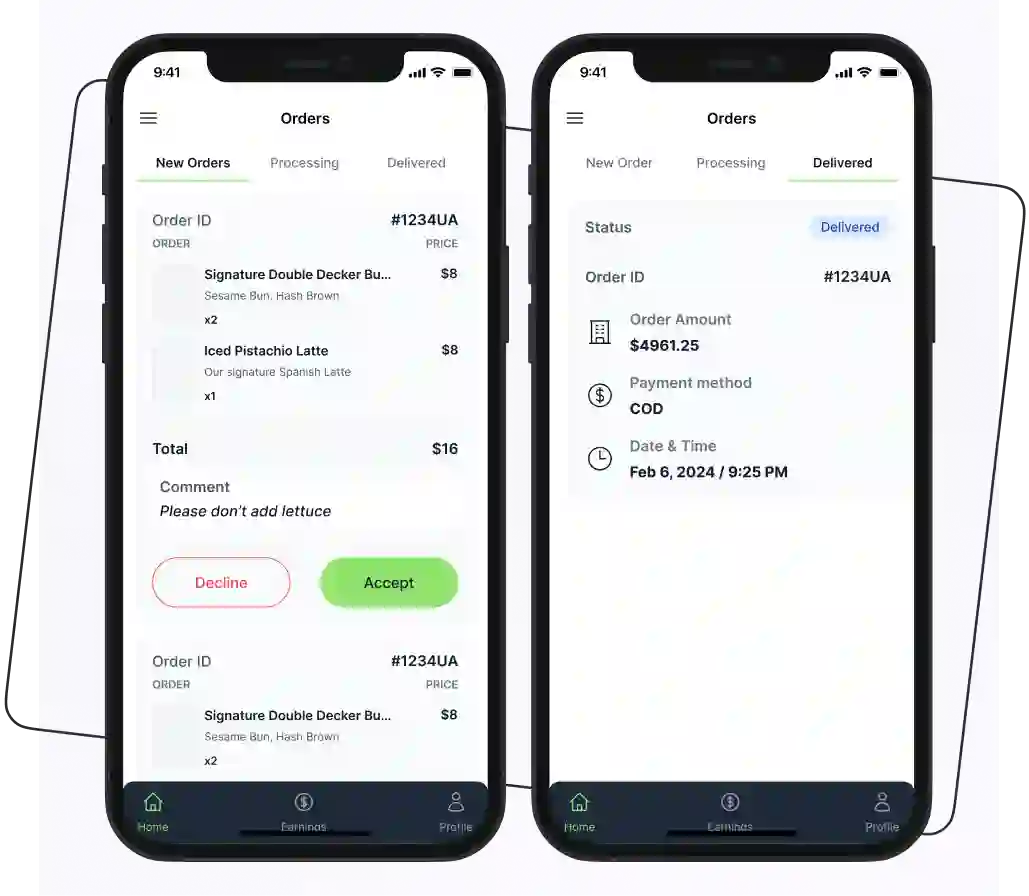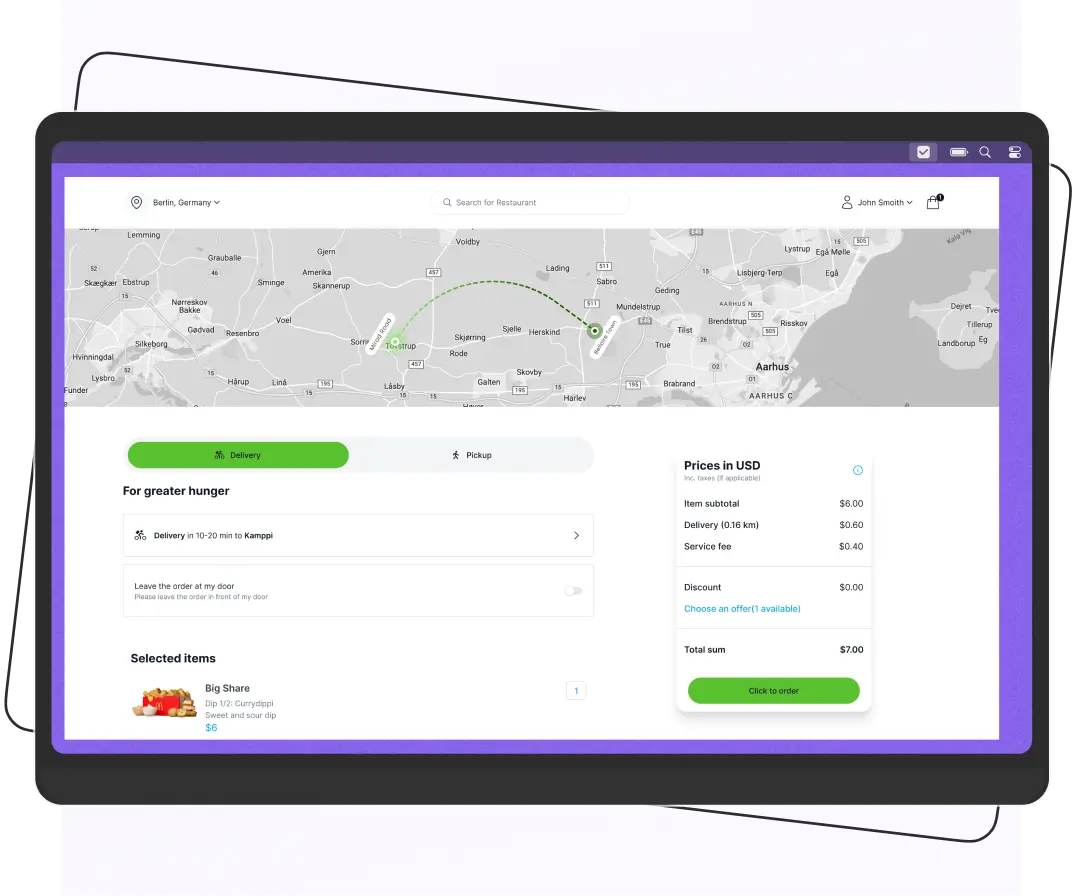
Get Backend API for Restaurant Ordering Platform Using Mern Stack
Download and customize the restaurant ordering platform using mern stack frontend instantly. The backend API is licensed separately—connect with our team to activate it. Guides and demos are available.



Frequently Asked Questions
A restaurant ordering platform is a digital solution that enables customers to place orders for food from restaurants via a mobile app or website.
Developers can secure sensitive customer data in a MERN (MongoDB, Express.js, React, Node.js) restaurant app through several best practices: Use HTTPS: Ensure all communications between the client and server are encrypted using HTTPS to protect data in transit. Data Encryption: Encrypt sensitive data, such as passwords and payment information. Use libraries like bcrypt for password hashing and AES for encrypting sensitive data. Environment Variables: Store sensitive information (like API keys and database credentials) in environment variables rather than hardcoding them in the codebase. Input Validation and Sanitization: Use libraries like express-validator to validate and sanitize user inputs to prevent SQL injection and other attacks. Access Control: Implement role-based access control (RBAC) to restrict access to sensitive data based on user roles (e.g., customers vs. admins). JWT Authentication: Use JSON Web Tokens (JWT) for user authentication, ensuring tokens are signed and have expiration times to enhance security. Regular Security Audits: Conduct regular security audits and vulnerability assessments to identify and mitigate potential security risks. Rate Limiting: Use middleware like express-rate-limit to prevent brute-force attacks on endpoints, especially login and registration. Monitoring and Logging: Implement monitoring and logging to track access and changes to sensitive data, which can help in identifying unauthorized access. Data Backup: Regularly back up the database to ensure data can be restored in case of a breach or data loss.
A MERN-based restaurant app differs from traditional ordering software in several key ways: Technology Stack: MERN: Built using MongoDB, Express.js, React, and Node.js, allowing for a modern, full-stack JavaScript development environment. Traditional Software: Often built with older technologies or languages (like PHP, Java, or .NET) that may not provide the same level of flexibility and performance. Real-Time Updates: MERN: Enables real-time features (e.g., live order tracking) using WebSockets or similar technologies, enhancing user experience. Traditional Software: May rely on page reloads or less dynamic methods for updates, leading to a slower user experience. Single Page Application (SPA): MERN: React allows for the development of SPAs, providing a smoother user experience with faster navigation and minimal loading times. Traditional Software: Often structured as multi-page applications, which can result in slower transitions and a less fluid experience. Scalability: MERN: Designed for scalability, allowing for easier updates and the ability to handle increased traffic and data loads efficiently. Traditional Software: May face challenges in scaling as user demand increases, especially if not designed with scalability in mind. Development Speed: MERN: The use of a unified JavaScript stack allows for faster development cycles, easier debugging, and streamlined collaboration among developers. Traditional Software: Development may take longer due to disparate technologies and the need for separate teams for front-end and back-end development. User Experience: MERN: Focuses on a modern, responsive design, often with better UX/UI practices, leading to enhanced customer satisfaction. Traditional Software: May not prioritize modern design principles, resulting in a less intuitive user experience.
A MERN-based ordering solution can be used by a wide variety of restaurants, including: Fast Food Chains: Ideal for quick service and high-volume orders, enabling efficient menu management and order processing. Casual Dining Restaurants: Suitable for restaurants that offer a diverse menu and want to enhance the customer experience with online ordering. Fine Dining Establishments: Can facilitate advanced features like reservation systems and customized order options for a more personalized experience. Food Trucks: Useful for mobile food vendors looking to manage orders efficiently and reach customers through a digital platform. Cafes and Bakeries: Ideal for businesses that offer ready-to-eat items, allowing customers to place orders for pickup. Grocery Stores: Can be adapted for grocery delivery services, allowing customers to order prepared meals or ingredients online. Catering Services: Helps manage large orders and events, providing options for customization and scheduling. Meal Kit Services: Supports businesses that provide meal kits, enabling customers to select meals and schedule deliveries. Ghost Kitchens: Perfect for delivery-only restaurants that don’t have a physical dining space, focusing entirely on online orders.
The MERN stack helps reduce development time and cost in several ways: Single Language: Using JavaScript for both front-end (React) and back-end (Node.js) development streamlines the coding process, allowing developers to work more efficiently without switching languages. Rapid Prototyping: The combination of React’s component-based architecture and Express.js’s middleware allows for quick development of features and functionalities, facilitating faster iterations and prototyping. Reusable Components: React promotes the use of reusable UI components, which reduces the amount of code needed and accelerates the development process. Scalability: The MERN stack is designed for scalability, enabling developers to build applications that can grow without needing extensive rework, saving future development costs. Community Support: A large and active community around each component of the MERN stack provides ample resources, tutorials, and support, making it easier to troubleshoot and implement solutions quickly. Easier Testing: The stack's architecture allows for streamlined testing processes, enabling quicker identification and resolution of issues, which reduces overall development time. Efficient Database Management: MongoDB’s NoSQL database allows for flexible data structures, making it easier to adapt to changes in requirements without extensive database migrations.








 IOS
IOS Android
 Web
Web