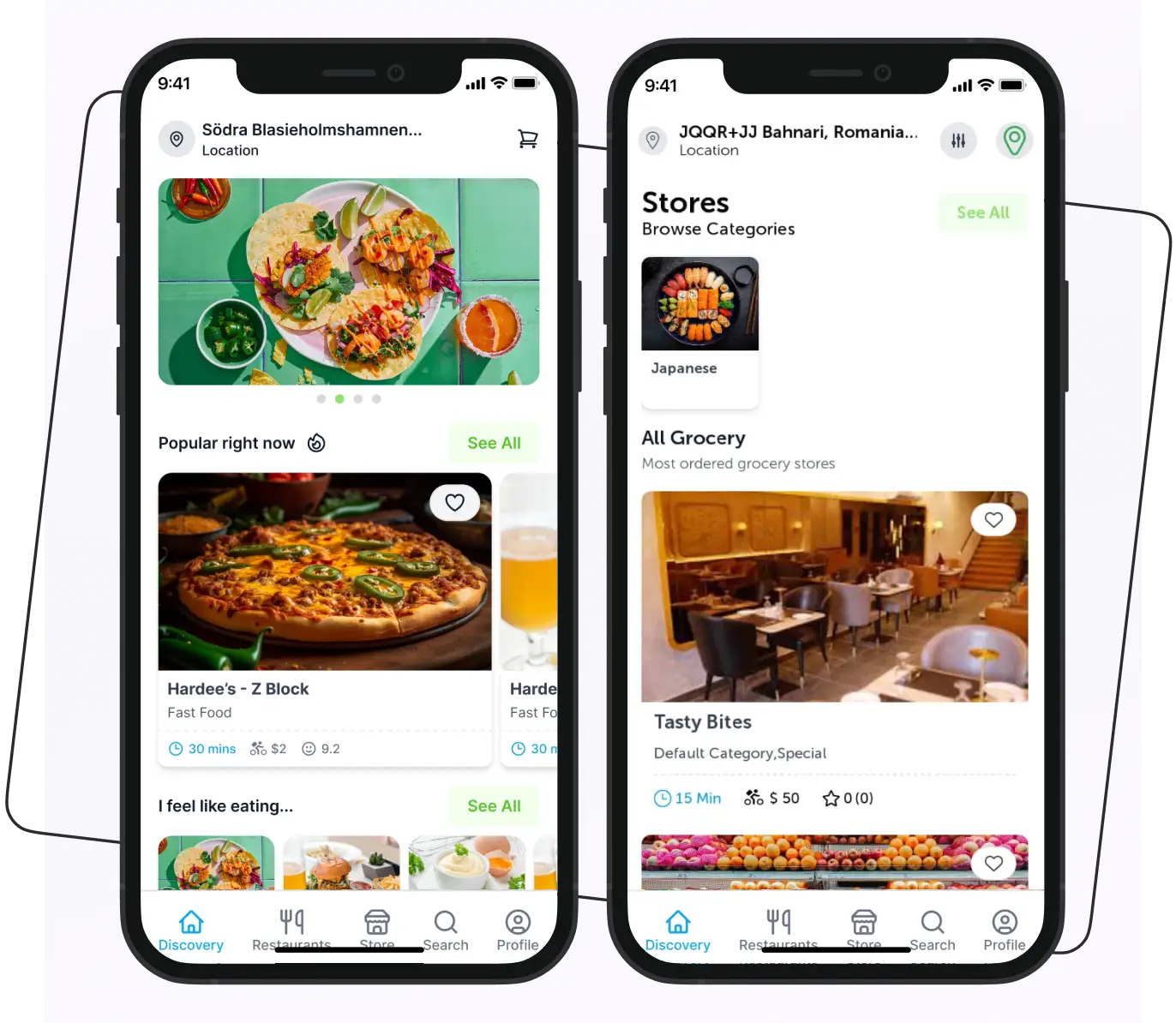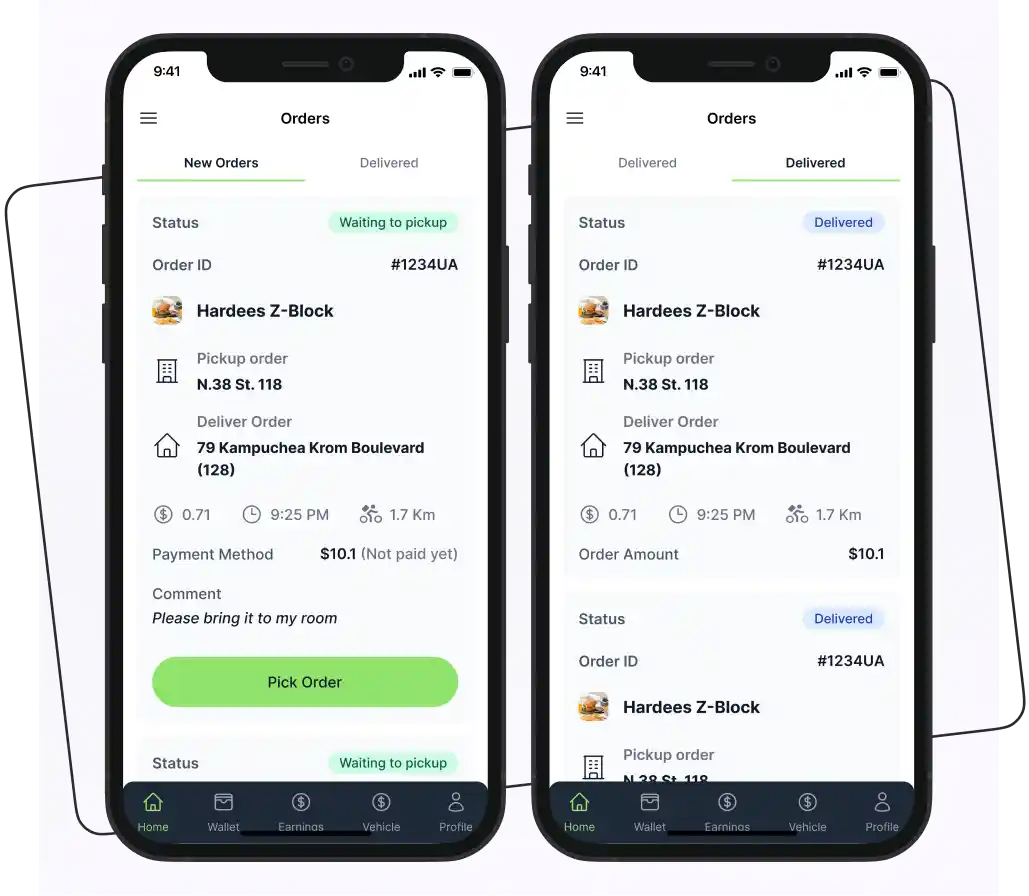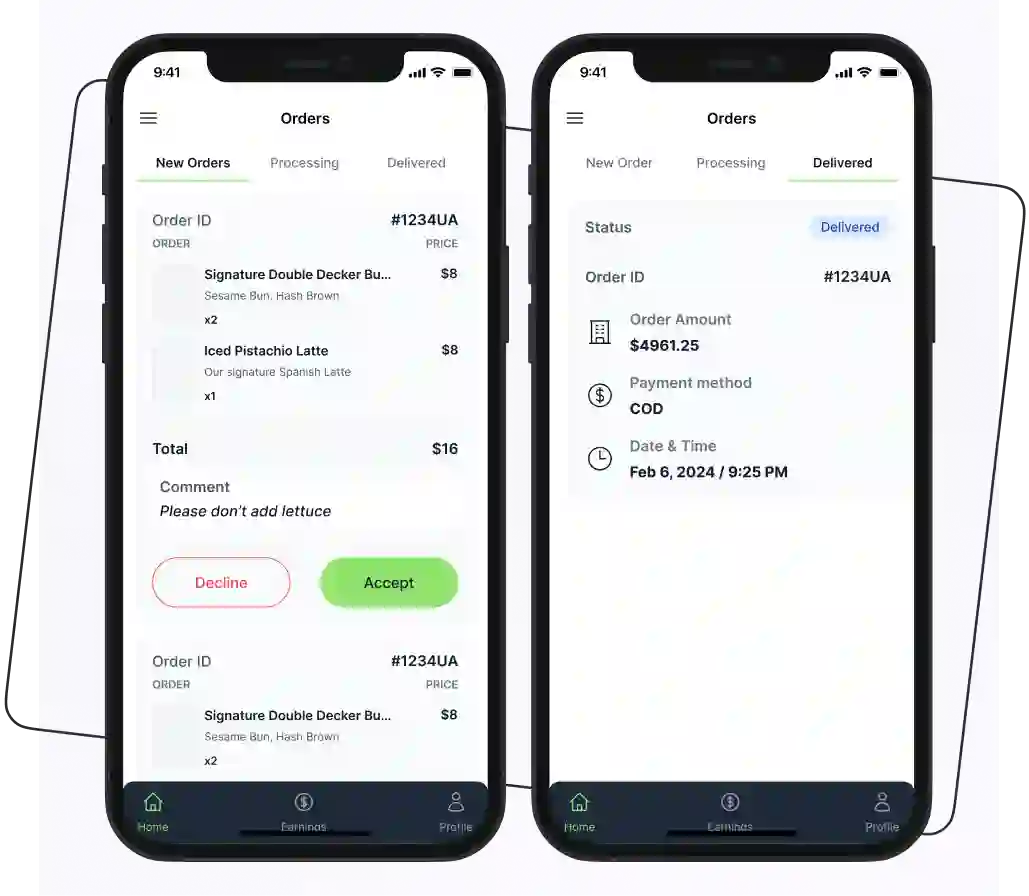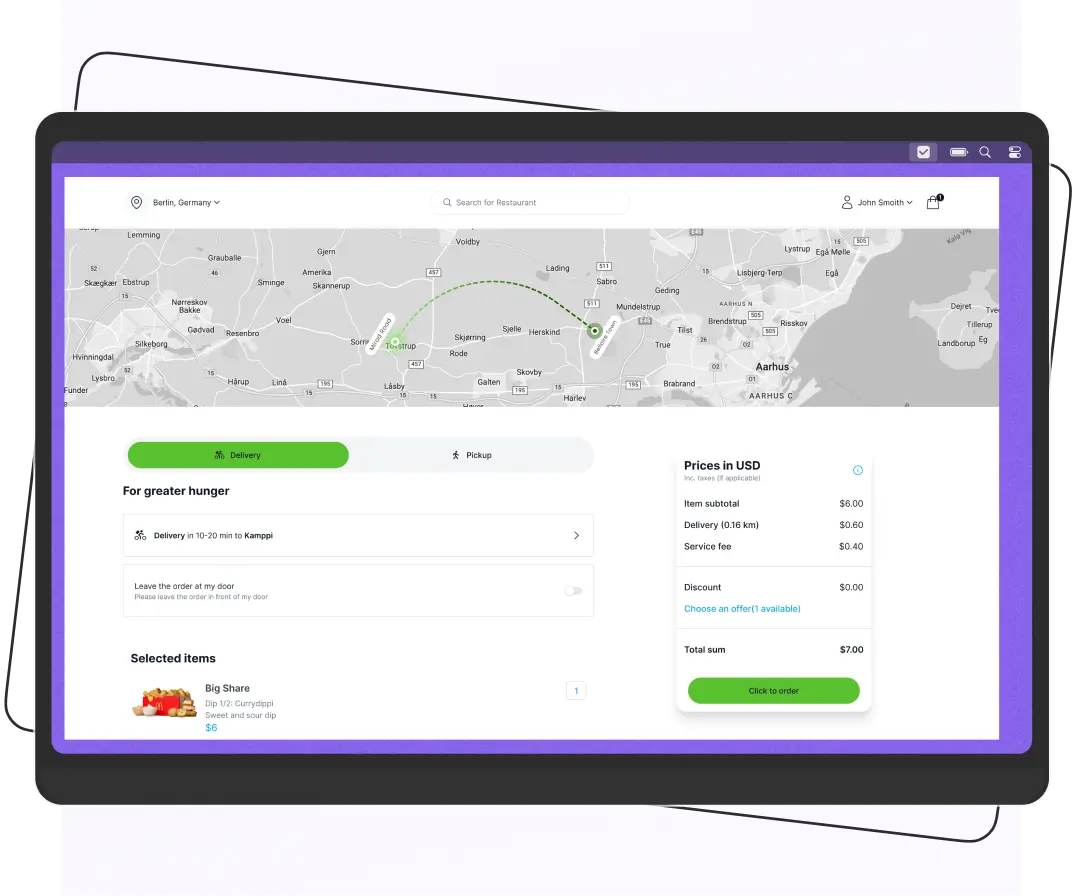
Get Backend API for Online Food Ordering App Using React Native
Customize the online food ordering app using react native frontend as you need. The backend API comes with a license—schedule a discussion with our team to gain access. Demos and documentation are ready.



Frequently Asked Questions
An online food ordering app is a digital platform that allows users to browse restaurant menus, place food orders, make payments, and track deliveries directly from their smartphones or computers, while restaurants manage orders and deliveries through an integrated backend system.
To build an online food ordering app, follow these key steps: Plan Features – user registration, menu browsing, cart, payments, delivery tracking, and admin panel. Choose Tech Stack – React Native or Flutter for mobile; Node.js, Django, or Laravel for backend; MongoDB or PostgreSQL for database. Design UI/UX – create a clean, intuitive interface for easy navigation and ordering. Develop Frontend – build user, restaurant, and delivery partner modules. Build Backend APIs – handle authentication, orders, payments, and notifications. Test Thoroughly – ensure performance, security, and usability. Deploy and Maintain – launch on app stores and update regularly based on user feedback.
Technologies commonly used to build an online food ordering app include: Frontend: React Native / Flutter – for cross-platform mobile apps. React.js / Angular – for web versions. Backend: Node.js (Express) or Django (Python) – for APIs and business logic. Laravel (PHP) – for structured, scalable backend development. Database: MongoDB, PostgreSQL, or MySQL – for storing users, orders, and menus. Payments and Authentication: Stripe, PayPal, Razorpay, JWT, or OAuth. Real-Time and Cloud Services: Firebase, Socket.io, or AWS for notifications and live order tracking. Mapping and Delivery: Google Maps API or Mapbox for route and delivery tracking.








 IOS
IOS Android
 Web
Web