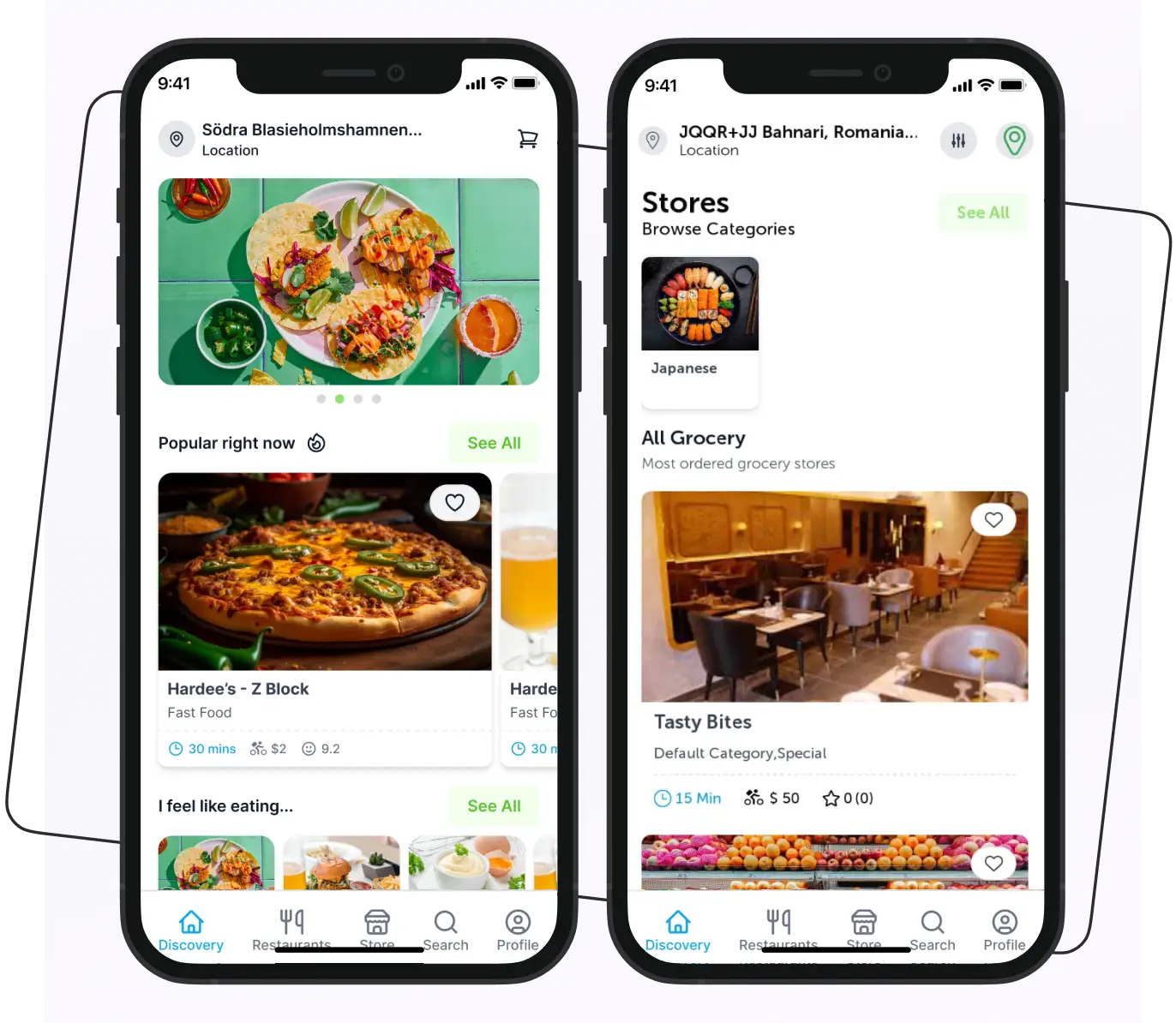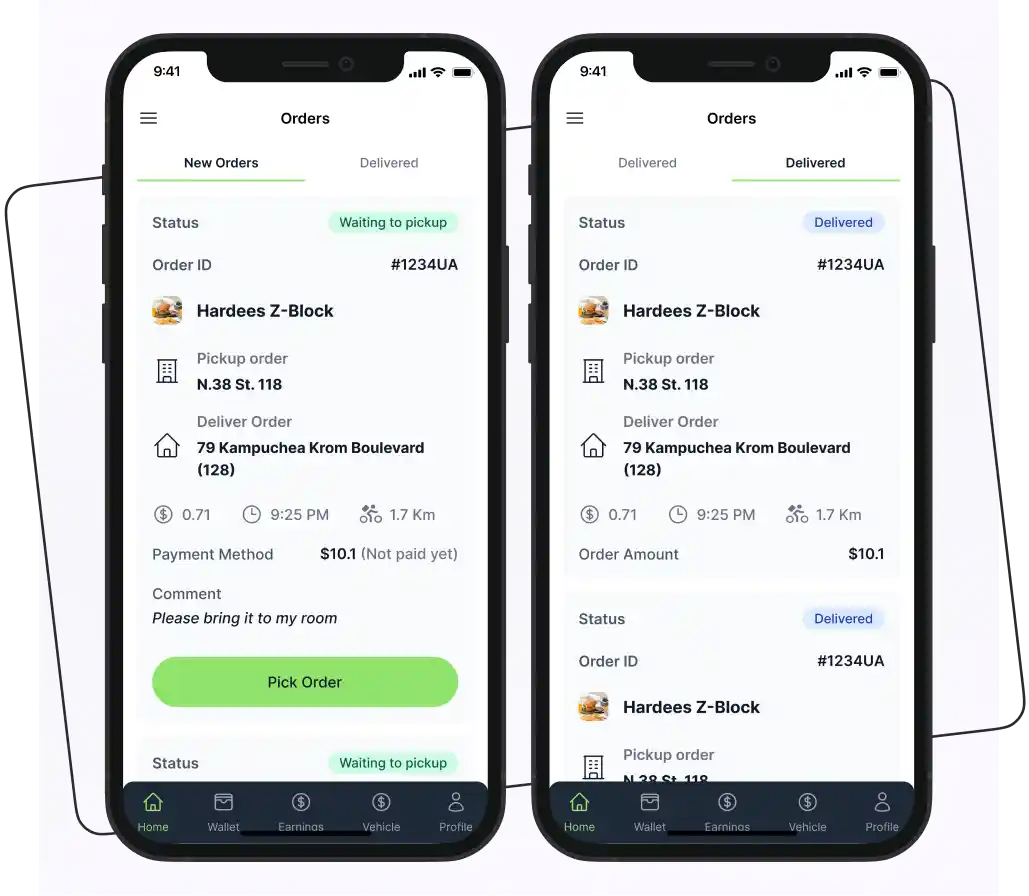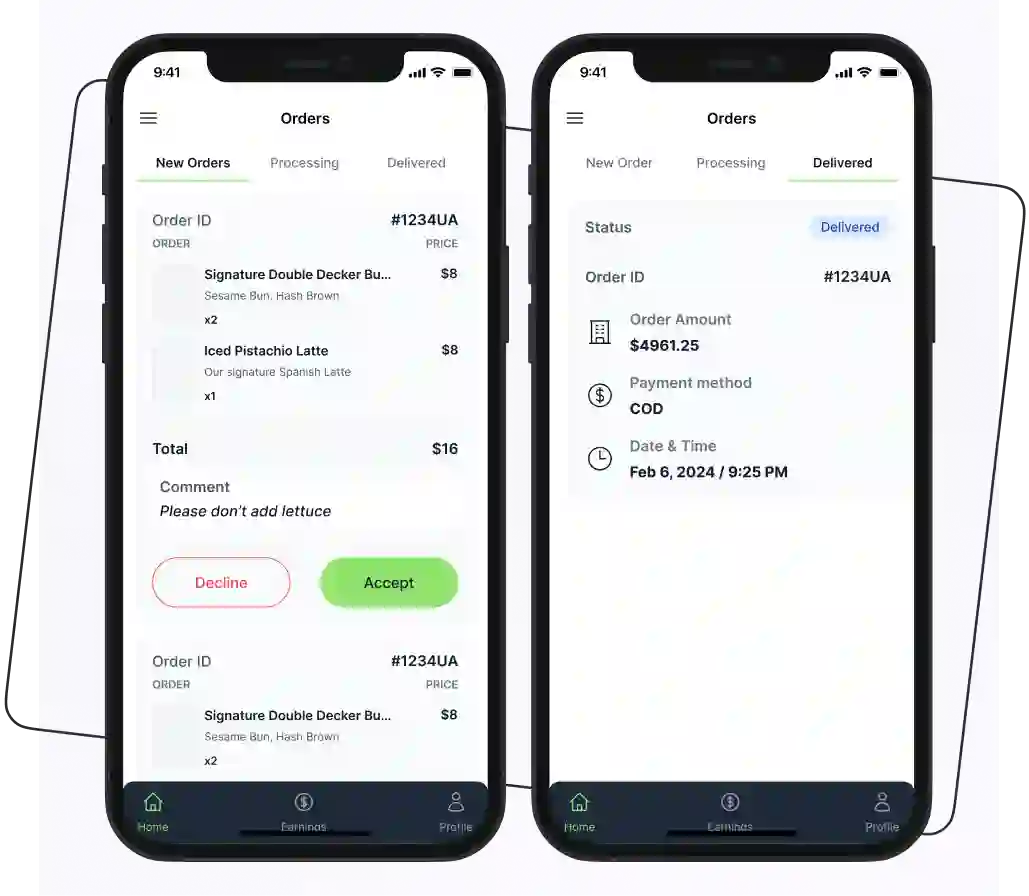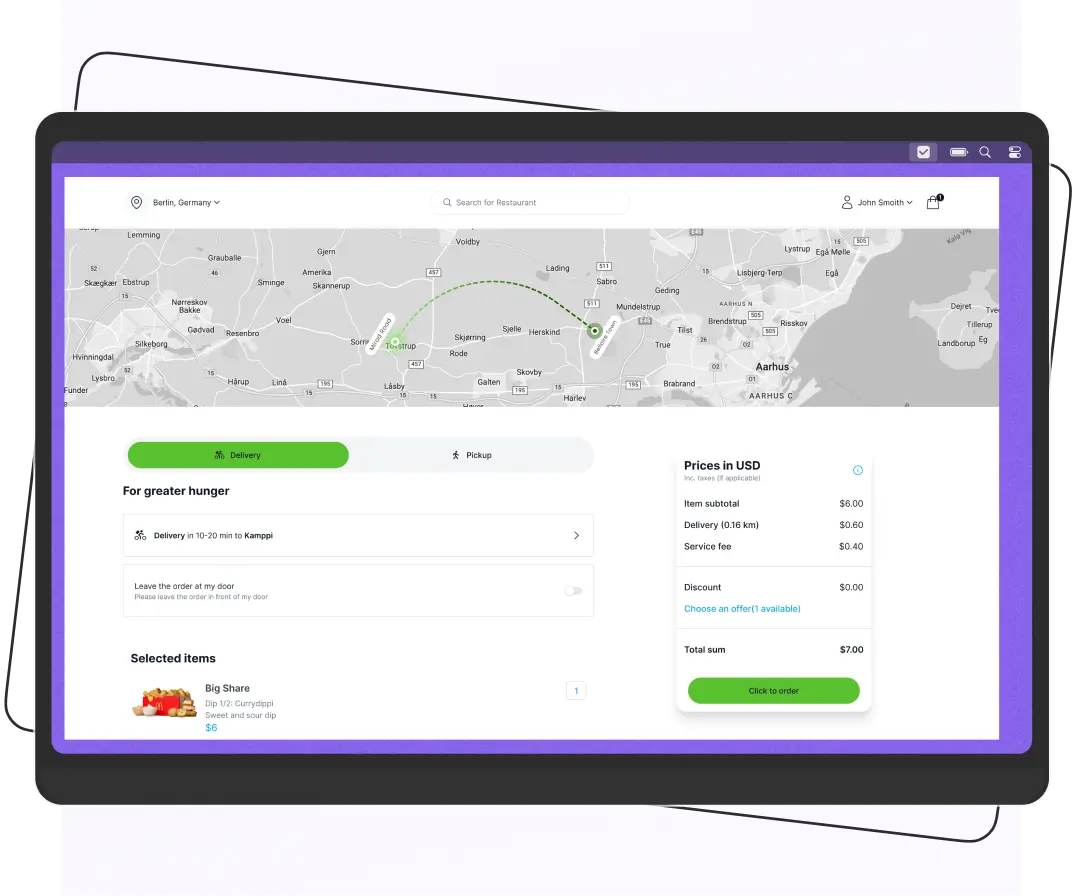
Get Backend API for Food Recipe App Using React Js
Customize the food recipe app using react js frontend as you need. The backend API comes with a license—schedule a discussion with our team to gain access. Demos and documentation are ready.



Frequently Asked Questions
Building a food recipe app involves several steps, from planning and designing to development and deployment. Here’s a process to help you in the development phase. 1. Define Your Goals and Features Identify Target Users: Understand who your users are and what they need. Key Features to Consider: Recipe browsing and searching Recipe details (ingredients, steps, cooking time) User authentication (optional) Save favorite recipes User-generated content (submit recipes) Ratings and reviews 2. Choose Your Tech Stack Frontend: React, Vue.js, or Angular for building the user interface. Backend: Node.js with Express, Django, or Flask for server-side logic. Database: MongoDB, PostgreSQL, or Firebase for storing recipes and user data. APIs: Consider using public recipe APIs (like Spoonacular) to fetch recipe data. 3. Design the User Interface Wireframes: Create wireframes to visualize the app layout. User Experience (UX): Focus on intuitive navigation and usability. UI Design: Use tools like Figma or Adobe XD for designing the app. 4. Set Up Your Development Environment Install necessary tools like Node.js, your chosen code editor (e.g., Visual Studio Code), and any libraries you plan to use. 5. Develop the Frontend Create Components: Build reusable components for recipes, search bars, and user profiles. State Management: Use context API or libraries like Redux for managing state. Routing: Set up routing with React Router or similar libraries to navigate between pages. 6. Develop the Backend API Development: Create RESTful APIs to manage recipe data (CRUD operations). Database Integration: Connect your app to the database to store and retrieve recipes. Authentication: If needed, implement user authentication for features like saving favorite recipes. 7. Implement Search Functionality Allow users to search for recipes by ingredients, titles, or categories. 8. Testing Test your app for functionality, usability, and performance. Use tools like Jest for unit testing and Postman for API testing. 9. Deployment Choose a hosting platform (like Heroku, Vercel, or Netlify) to deploy your app. Ensure both the frontend and backend are properly configured for deployment. 10. Gather Feedback and Iterate Launch your app and gather user feedback. Continuously improve the app based on user suggestions and behavior. 11. Market Your App Use social media, blogs, and online communities to promote your app and reach your target audience.
The main components required in a food recipe app include: 1. User Authentication Sign Up/Login: Allow users to create accounts and log in securely. Profile Management: Users can view and edit their profiles, including saved recipes. 2. Recipe Database Recipe Listings: A collection of recipes with essential details like titles, images, and brief descriptions. Recipe Details Page: A dedicated page for each recipe, displaying ingredients, instructions, cooking time, and nutritional information. 3. Search Functionality Search Bar: Enable users to search for recipes by keywords, ingredients, or categories. Filters and Sorting: Options to filter recipes by dietary preferences, cuisine types, or cooking time. 4. Recipe Submission User-Generated Content: Allow users to submit their own recipes, including uploading images and entering details. 5. Favorites and Bookmarks Save Recipes: Users can save their favorite recipes for easy access later. Bookmarking: A feature to mark recipes to try in the future. 6. Ratings and Reviews User Feedback: Allow users to rate recipes and leave comments, enhancing community engagement. 7. Shopping List Ingredient List: Generate a shopping list based on selected recipes, making it easier for users to gather ingredients. 8. Meal Planning Weekly Planner: A feature for users to plan meals for the week, helping them organize their cooking. 9. Notifications Alerts and Reminders: Notify users about new recipes, saved recipes, or meal planning reminders. 10. Admin Panel Content Management: A backend interface for managing recipes, user accounts, and reviews, ensuring quality control. 11. Analytics and Insights Usage Tracking: Monitor user engagement, popular recipes, and user feedback to improve the app.
React JS is ideal for building fast and interactive recipe applications for several reasons: Component-Based Architecture: React's component-based structure allows developers to build reusable UI components, making the code more organized and maintainable. This modularity enhances collaboration among developers. Virtual DOM: React uses a virtual DOM to optimize rendering. It updates only the parts of the UI that have changed, resulting in faster performance and a smoother user experience, which is crucial for interactive applications. Declarative UI: With React, developers can describe how the UI should look for any given state, making it easier to manage and understand the application's behavior. This leads to more predictable and easier-to-debug code. Rich Ecosystem: React has a vast ecosystem of libraries and tools, such as React Router for navigation and Redux or Context API for state management. These resources enhance functionality and streamline development. Responsive Design: React supports responsive design principles, allowing apps to adapt to different screen sizes, which is essential for recipe apps accessed on various devices. Strong Community Support: React has a large and active community, providing extensive documentation, tutorials, and third-party libraries that facilitate development and problem-solving. Integration with APIs: React easily integrates with RESTful APIs and GraphQL, making it simple to fetch and display recipe data from external sources, enhancing the app's content. Fast Learning Curve: For developers familiar with JavaScript, React has a relatively gentle learning curve, allowing for quicker onboarding and faster development cycles. SEO Optimization: With tools like Next.js, which is built on top of React, developers can create server-rendered applications that are more SEO-friendly, improving the app's visibility in search engines.








 IOS
IOS Android
 Web
Web