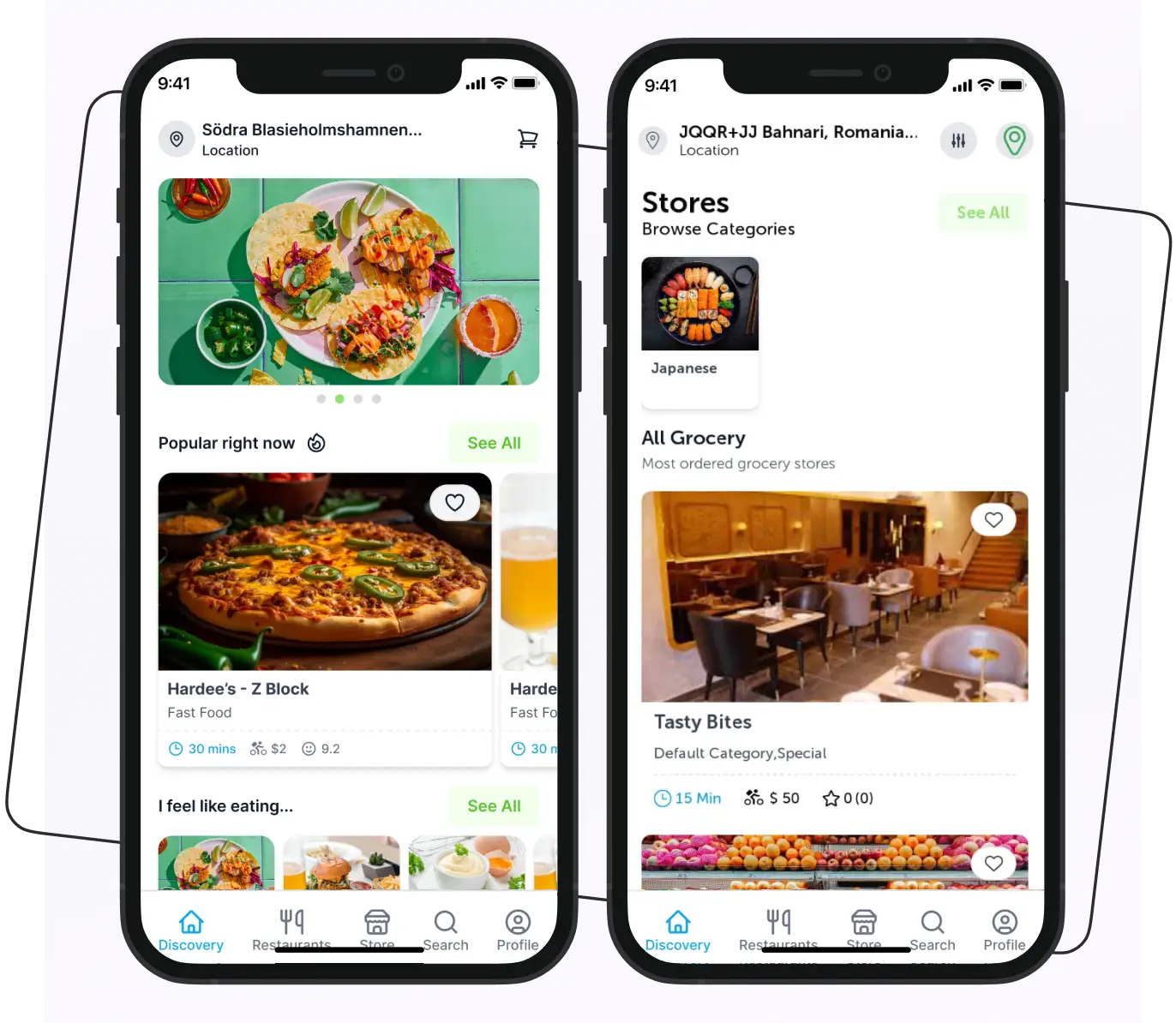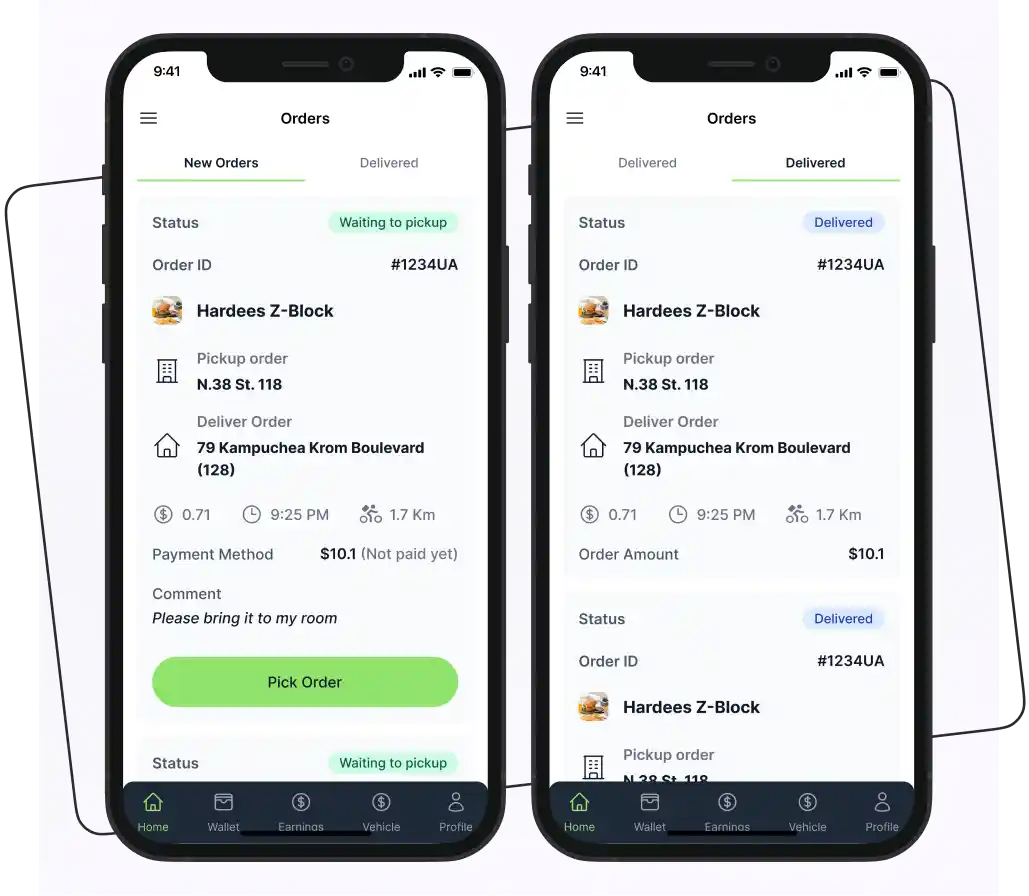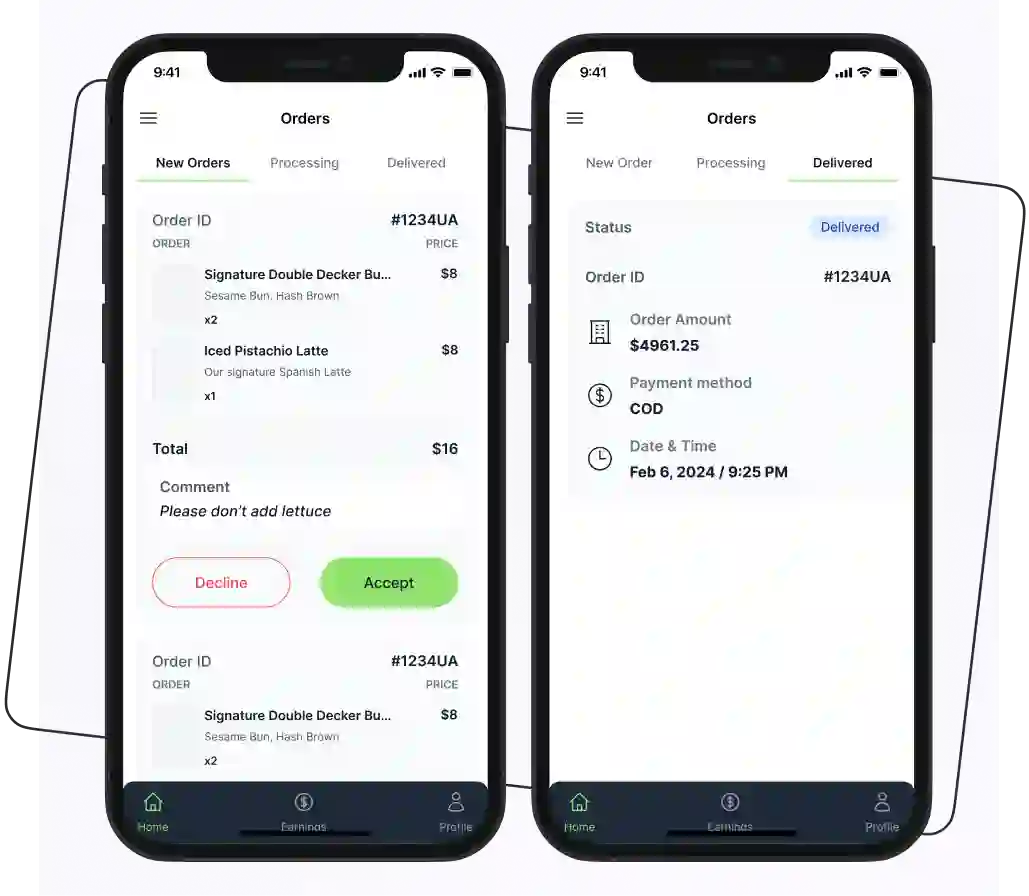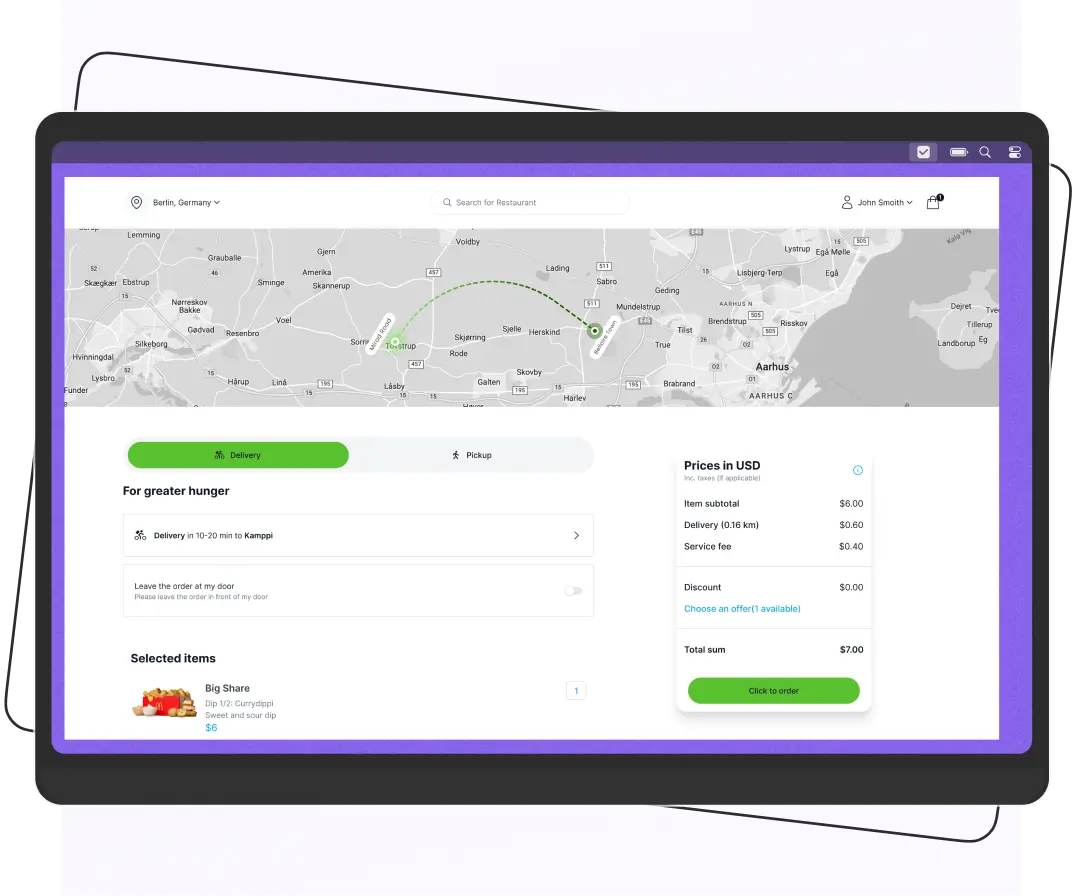


Do you want to compete with the big players like FedEx, UPS, and DHL in the courier delivery industry? If so, then building your own courier delivery app could be exactly what you need.
With more than 60% of customers relying on delivery apps for their orders, the demand for fast and reliable courier services is only growing.
But here’s the challenge: many business owners aren’t sure where to start. Questions like What features should my app have? How much will it cost? What technology is required? Often creates confusion and delays the process.
That’s why we’ve created this complete guide to walk you through every step of building a courier delivery app. From choosing the right features and technology stack to understanding monetization strategies and more, we covered all.,
So, if you’re ready to take your business to the next level and improve both revenue and customer satisfaction, let’s dive right in.
Supercharge your deliveries with Enatega.
Launch NowWhat are the Benefits of Courier Services for Customers and Businesses?
Courier services have become an essential part of our lives, providing numerous benefits that traditional postal services may not offer.
Here are the top benefits that customers and businesses get from the courier delivery services.
| For Customers | Details | For Businesses | Details |
| Door-to-Door Service | One of the most convenient benefits of courier services is their door-to-door service. Customers enjoy hassle-free delivery as parcels are picked up and dropped off directly at their doorstep. This eliminates the need for trips to the post office and makes the shipping process hassle-free. | Improve Work Productivity | Businesses can focus on core activities while the courier delivery software handles deliveries, improving efficiency and overall productivity. |
| Security | Security is essential when it comes to transporting valuable or sensitive items. Courier services make sure that all packages are handled with care, often with tracking systems, ensuring safety and peace of mind for customers. | Reduce Operational Cost | Outsourcing deliveries reduces the need to maintain an in-house fleet or staff, cutting operational and logistics costs. |
| Reliability | A smart courier app isn’t just about speed; it’s about peace of mind. With the right app, you ensure your packages are handled with care, reach the right destination, and arrive on time. Courier services are known for their consistent and timely deliveries, giving customers confidence in the service. | Efficient Deliveries | Optimized routes and GPS tracking help businesses ensure faster and more accurate deliveries. This transparency provides peace of mind and allows for better planning, especially for businesses managing multiple shipments. |
| Cost-Effective | Compared to traditional shipping, courier apps often provide affordable pricing and flexible options for customers. | Better Communication | Real-time tracking and delivery updates allow businesses to keep customers informed and engaged throughout the process. |
| International Reach | Many courier companies offer global delivery options, enabling customers to send parcels anywhere in the world. This global reach enables businesses to expand their markets and connect with customers and partners around the world. | Good Management | Businesses gain access to centralized platforms that help manage orders, drivers, schedules, and customer interactions effectively. |
Types of Courier Delivery Apps
Courier delivery apps have different types, which include:

1. B2B Courier Apps (Business to Business)
These apps cater specifically to businesses that need to send goods or documents to other businesses. They often handle larger volumes and heavier items.
Key Features
- Bulk Order Handling: Designed for large shipments, allowing businesses to send multiple items at once.
- Scheduling: Options for regular pickups and deliveries at specific times.
- Tracking Systems: Advanced tracking to monitor shipments in real time.
- Invoicing and Billing: Tools for managing transactions and payments between businesses.
Examples: Logistics firms, freight carriers, and specialized delivery services.
2. B2C Courier Apps (Business to Customer)
These apps serve businesses that need to deliver products directly to customers, making them popular in the retail and service sectors.
Key Features
- Real-Time Tracking: Customers can track their orders live, improving transparency.
- Order Notifications: Alerts for order status changes, ensuring customers stay informed.
- Customer Support: Dedicated support for resolving delivery issues or inquiries.
Examples: Food delivery services (like Uber Eats), e-commerce shipping (like Amazon Prime).
3. C2C Courier Apps (Customer to Customer)
These platforms allow customers to send packages to one another, often using a community-driven model.
Key Features
- User Profiles: Allows users to create profiles, build trust, and leave feedback.
- Payment Systems: Secure payment gateways for transactions between users.
- Feedback and Ratings: Systems to rate services and improve accountability.
- Flexibility: Users can set their own delivery schedules and prices.
Examples: Peer-to-peer delivery platforms (like Postmates for personal deliveries), marketplace shipping solutions.
Step-by-Step Process to Build a Courier Delivery App
Building the courier delivery app requires careful planning and preparation. To build the package delivery app, follow the steps below.

1. Planning
The first step is proper planning. Before writing a single line of code, you should clearly define the purpose of your app and who it will serve. Identify your target users, whether they are small businesses or enterprises, and analyze their needs.
At this stage, you should also research competitors and study what features make their apps successful. A clear roadmap not only helps you save time and money but also ensures your app solves real problems instead of just adding to the crowd.
2. Select the Business Model
Next, you need to decide on a business model because it shapes the structure of your app. If your app focuses on B2B (Business to Business), it will primarily serve companies that need frequent bulk deliveries. In B2C (Business to Customer), your app will connect businesses directly with their customers, much like eCommerce deliveries.
Meanwhile, C2C (Customer to Customer) allows customers to send parcels to each other, similar to peer-to-peer delivery platforms.
Choosing the right model early ensures that the app is tailored to your target audience and has a clear revenue strategy.
3. Decide the Courier Delivery App Features
Once the business model is decided, the next step is to finalize the features. Start with core functions like user sign-up and login, order placement, real-time package tracking, multiple payment options, and delivery history. These are essential for smooth operations.
As your business grows, you can add advanced features like contactless delivery, loyalty rewards, or multi-language support.
Starting with a strong foundation and gradually adding more features will help keep development costs in check while meeting user needs effectively.
4. Select the Tech Stack
The performance of your courier delivery app largely depends on the technology stack you choose. For mobile development, React Native or Flutter are great options since they allow building apps for both iOS and Android simultaneously.
For the backend, frameworks like Node.js, Django, or Laravel provide strong performance and scalability. Databases such as MongoDB or PostgreSQL store users and order data securely.
On top of that, APIs like Google Maps help with navigation, while payment gateways ensure safe transactions. Choosing the right tech stack ensures your app is reliable, fast, and future-proof.
5. Start the Courier Delivery App Development
Once planning, features, and technology choices are clear, it’s time for courier app development. This process usually begins with UI/UX design, where developers create a simple and user-friendly interface for customers, drivers, and admins.
After the design phase, the development team builds the core functionality of the app, such as booking deliveries, tracking, and payment integration.
It’s always best to start with an MVP (Minimum Viable Product), which is a basic version of the app launched to test the market. This approach helps you get real feedback before investing more money into advanced features.
6. App Testing and Launching
After development, the app goes through a testing phase. This is where every feature is checked to ensure smooth performance, security, and error-free usage. Developers test the app across multiple devices and operating systems to make sure it works everywhere.
Once the testing is successful, the app is ready for deployment. At this stage, you can publish it on the Google Play Store and Apple App Store, making it available for users worldwide. A smooth launch creates a strong first impression and builds customer trust.
7. App Marketing
Launching your app is only half the battle; the real challenge is getting users to download and use it. This is where marketing comes in. You can promote your app through social media campaigns, SEO-optimized content, email marketing, and paid ads.
Collaborating with local businesses or offering first-time discounts can also attract new users. Effective marketing ensures your app reaches the right audience and grows your customer base quickly. Without proper marketing, even the best apps can go unnoticed.
Monetization Strategies for Courier Apps
Courier apps can adopt various monetization strategies to increase revenue. Here are some effective methods.

Commission-Based Model
In this model, the app charges a percentage of the delivery fee from either the courier or the merchant. This is beneficial because:
- Scalability: As more deliveries are made, the revenue increases proportionally.
- Incentive Alignment: It encourages couriers to complete more deliveries, as higher activity leads to higher earnings for both parties.
Delivery Fees
Setting a fixed fee for each delivery can be a straightforward way to generate income. This can include:
- Base Delivery Charge: A standard fee for all deliveries, which can vary based on distance or package size.
- Surge Pricing: Implementing higher fees during peak hours or high-demand events to maximize earnings.
In-App Advertising
Incorporating advertisements into the app can create an additional revenue stream. Options include:
- Banner Ads: Display ads from businesses on relevant screens within the app.
- Sponsored Listings: Allow businesses to pay for better visibility in search results or featured spots.
Subscription Plans
Offering subscription options can provide predictable revenue. Different tiers can include:
- User Subscriptions: Monthly or annual plans that offer users benefits like discounted delivery fees, priority service, or exclusive offers.
- Business Subscriptions: Packages for merchants that include features like analytics, promotional tools, or enhanced customer support.
Cost to Build a Courier Delivery App
Look at the table below and understand the cost to build a courier delivery app.
| Type of App | Features Included | Estimated Cost Range |
| Basic MVP (Minimum Viable Product) | User and rider registration, order placement, basic tracking, payment integration | $15,000 – $30,000 |
| Mid-Level App | Advanced tracking, route optimization, push notifications, multiple payment options, analytics dashboard | $30,000 – $50,000 |
| Full-Featured App | AI-based route optimization, real-time chat, contactless delivery, multi-currency, multi-language support, and advanced analytics | $50,000 – $100,000+ |
Additional Cost Factors
| Factor | Impact on Cost |
| Platform Choice (iOS, Android, or both) | Building for both platforms increases cost compared to a single platform. |
| Technology Stack | Advanced tech (AI, blockchain, IoT) requires more investment. |
| Design Complexity | Custom UI/UX and animations add to development time and cost. |
| Development Team Location | Developers in the US/Europe cost more compared to Asia or Eastern Europe. |
| Maintenance and Updates | Post-launch bug fixes, updates, and feature upgrades usually cost 15–20% of the initial budget annually. |
FAQs
1. How to start a courier delivery service?
Below are some steps to help you start a courier delivery service.
- Conduct research
- Create a business plan
- Register your business
- Purchase or lease suitable vehicles and other necessary equipment
- Obtain insurance for your vehicles
- Create your brand identity
- Market your services
2. Is it worth starting a courier business?
Yes, starting a courier business can be worthwhile due to the high demand for delivery services and low startup costs. However, success depends on market research, a solid business plan, and addressing challenges like competition, vehicle maintenance, and insurance.
Supercharge your deliveries with Enatega.
Launch NowConclusion
The rise of courier delivery apps is not just a tech trend; it’s a complete transformation in how delivery businesses operate. From managing operations and saving time to boosting sales and improving customer satisfaction, courier management solutions bring measurable benefits to every area of your business.
If you’re still relying on manual dispatching, paper logs, or basic tracking tools, it’s time to upgrade. A well-built courier delivery app can help you stay competitive, scale faster, and deliver the best experience today’s customers expect.
At Enatega, we specialize in building custom courier delivery apps tailored to your unique business needs. Our team of experts ensures your app is designed to drive growth.
Book a free demo with us today and take the first step toward a more profitable business.
About the author

Hudaibia Khalid is a senior content writer with several years of experience in creating clear and easy-to-understand content. Over the years, she has worked closely with startups, restaurants, and entrepreneurs, helping them simplify complex digital and technical topics into actionable insights.
Her expertise lies in writing about on-demand platforms, food delivery solutions, and business growth strategies in a way that is accessible even to non-technical readers. With her experience in the industry, she focuses on guiding businesses step by step, from understanding ideas to turning them into fully working solutions.
SHARE






 IOS
IOS Android
 Web
Web