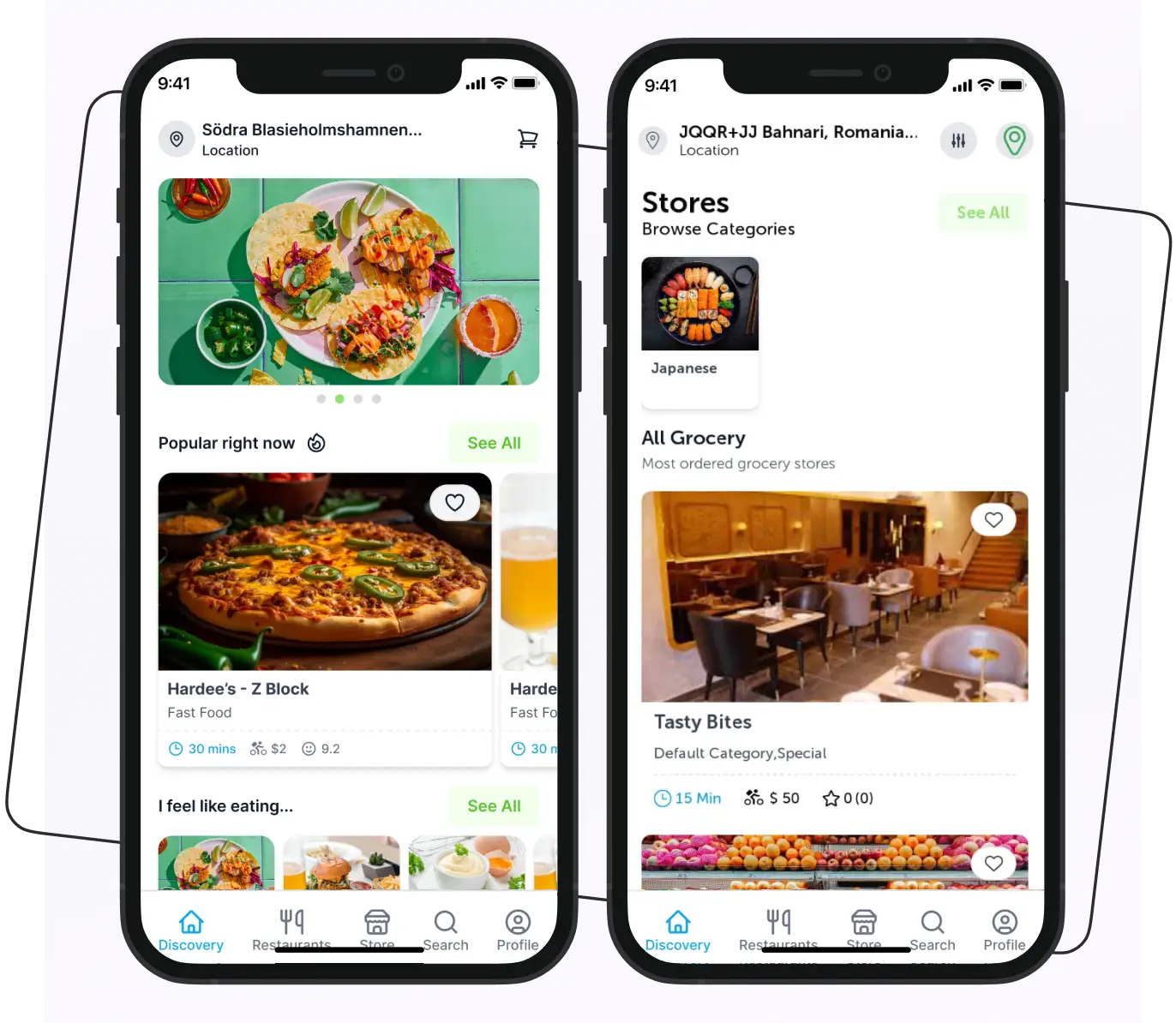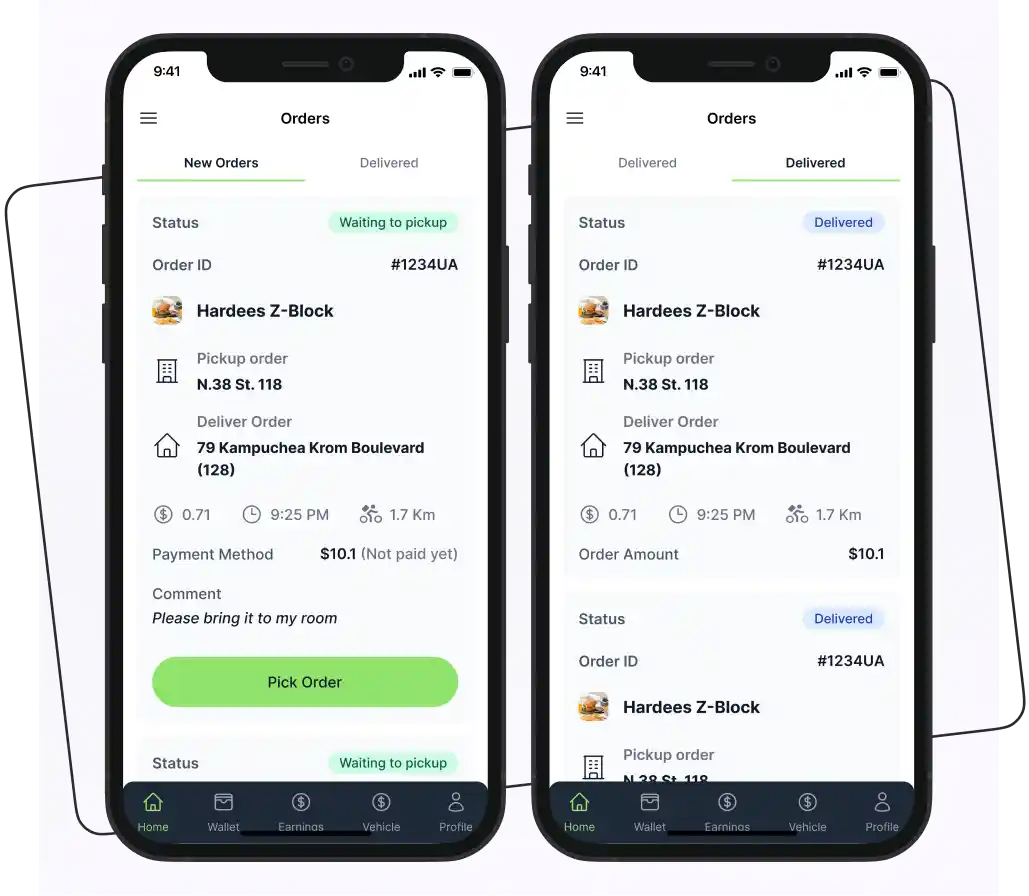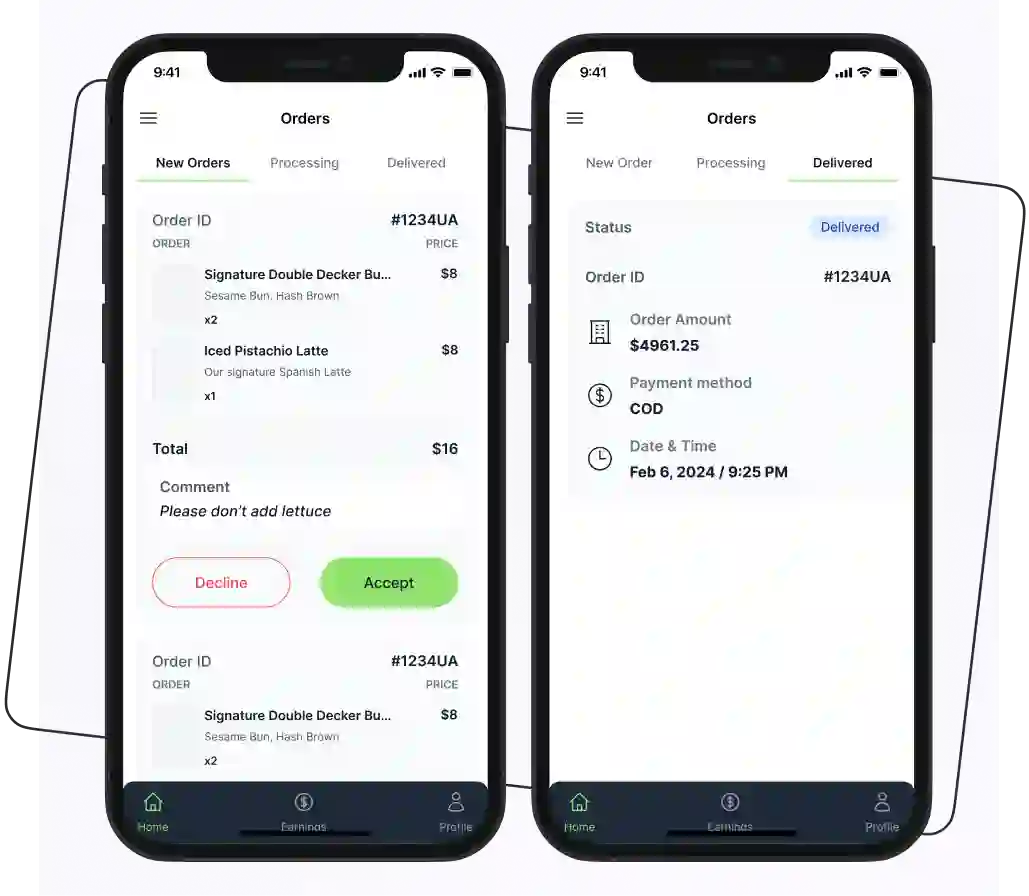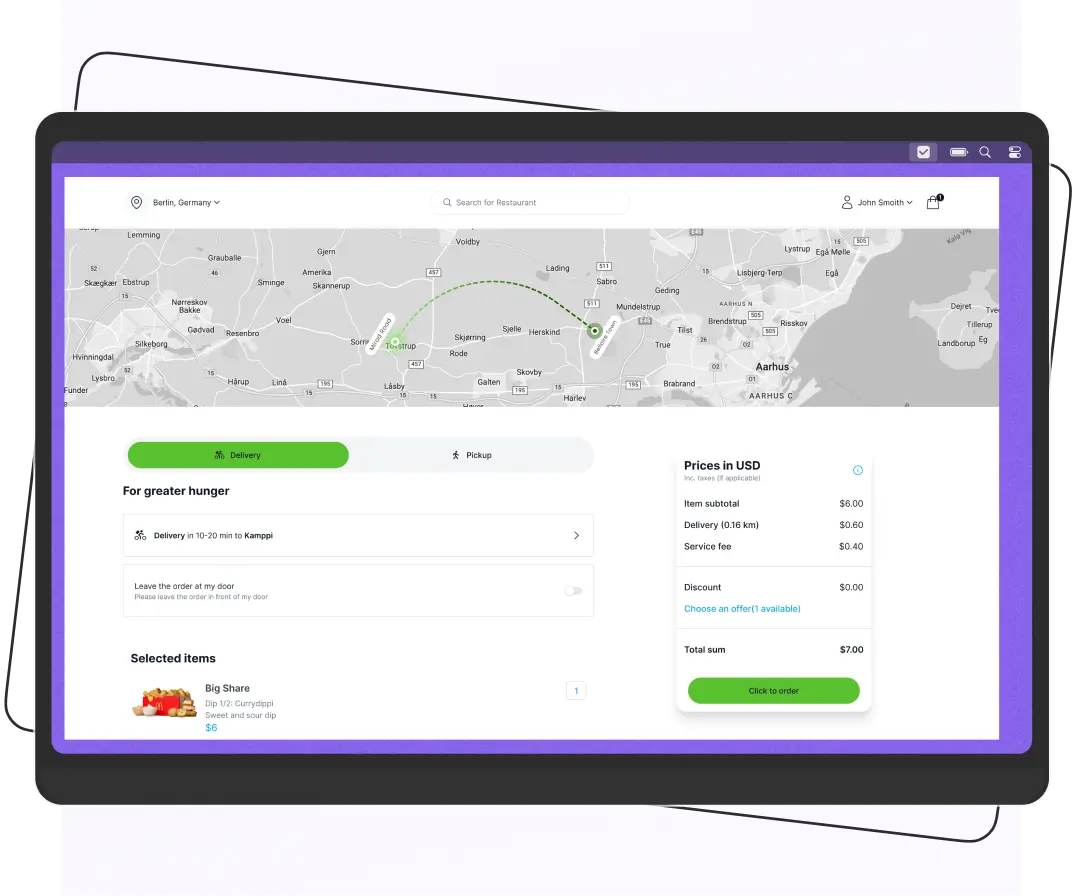
Get Backend API for Food Ordering System Php
Experiment with the food ordering system php frontend code at no cost. For production-ready backend API, book a meeting with our sales team. Setup guides and examples are shared publicly.



Frequently Asked Questions
A food ordering system developed in PHP is a web application that enables users to browse menus, place orders, and make payments for food items from various restaurants, featuring user accounts, order processing, and an admin dashboard.
A food ordering system in PHP works as follows: User Interaction: Customers browse the menu and select items to add to their cart. User Authentication: Users create accounts or log in to access personalized features. Order Placement: After selecting items, users proceed to checkout, where they provide delivery information and payment details. Backend Processing: PHP scripts handle order processing, storing data in a database and confirming the order. Admin Management: Restaurant owners can manage menus and view orders through an admin dashboard. Notifications: Users receive order confirmations, and restaurants are notified of new orders for fulfillment.
Using PHP for developing a food ordering system offers several advantages: Server-Side Scripting: PHP is designed for server-side development, making it ideal for handling database interactions and dynamic content generation. Ease of Integration: It integrates well with various databases (like MySQL), allowing for efficient data management. Cost-Effective: PHP is open-source and widely supported, reducing development costs. Rich Frameworks: Frameworks like Laravel and CodeIgniter speed up development with built-in features and security. Community Support: A large community means plenty of resources, tutorials, and troubleshooting assistance are available.
The cost to develop a PHP-based food ordering system ranges from $5,000 to $50,000, depending on features, complexity, and the development team's location and expertise. Ongoing maintenance and support can add to the overall expense.
To start a food ordering app using PHP, follow these steps: Requirement Analysis: Define the features you want, such as user registration, menu management, and payment processing. Set Up Environment: Install a local server environment (like XAMPP or WAMP) with PHP and MySQL. Database Design: Create a database schema to manage users, orders, and menus. Develop Frontend: Use HTML, CSS, and JavaScript for the user interface. Build Backend: Write PHP scripts to handle user authentication, order processing, and database interactions. Payment Integration: Choose and integrate a payment gateway for secure transactions. Testing: Test the application for bugs and usability issues. Deployment: Host the app on a server and go live.
PHP is sufficient to create a food ordering app, as it handles server-side logic, database interactions, and dynamic content generation effectively. However, for a complete application, you'll likely need: Frontend Technologies: HTML, CSS, and JavaScript for the user interface. Database: MySQL or another database system for data storage. Frameworks: Consider using PHP frameworks like Laravel or CodeIgniter for better structure and efficiency. Additional Tools: Use APIs for payment processing, geolocation, or notifications.








 IOS
IOS Android
 Web
Web