


The most popular ride-sharing app in Canada is Uber, widely used in major cities for on-demand rides. It is leading the market with the highest number of users, extensive city coverage, and consistent ride availability.
Open your phone in almost any major Canadian city, and within seconds, you can have a car heading your way. That level of instant convenience didn’t exist a decade ago, but today, it’s become the norm.
Ride-sharing has quietly replaced many traditional transport habits, especially for people who value transparency and control over their journeys.
Canada’s ride-sharing industry isn’t empty. Apps compete on pricing, perks, and positioning. Some try to win users with lower fares, and others focus on providing better service. Yet despite all these options, one platform continues to dominate everyday usage.
In this blog, we’ll take a closer look at Canada’s ride-sharing top apps and explore why one name consistently comes out on top.
Supercharge your deliveries with Enatega.
Register Now8 Popular Ride-Sharing Apps in Canada
Picking the right ride service is important if you want fast pickups and fair prices. Many people look at different ride-sharing apps to see which one works best for their daily needs.
The list below will show what each app offers and how it can make your daily travel easier.
1. Uber – Popular Ride-Sharing App in Canada
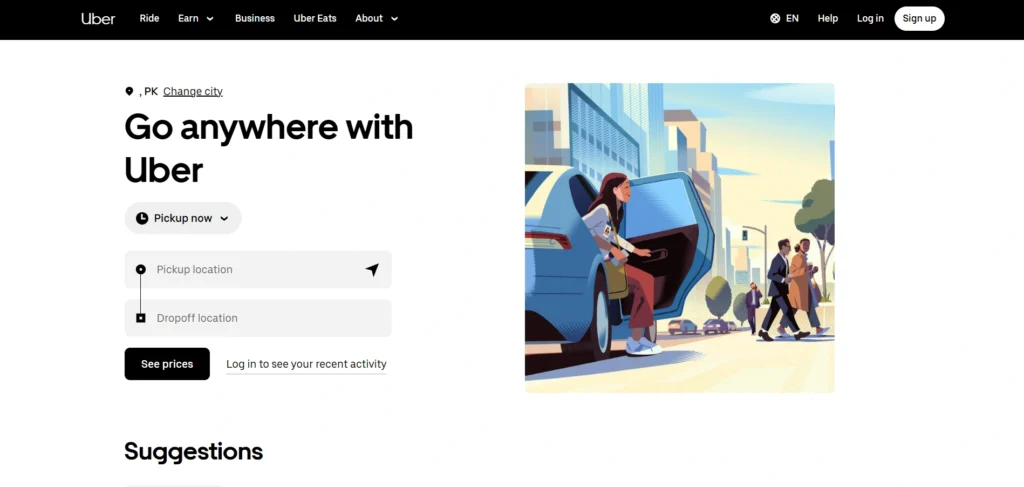
Uber remains the top choice for ride-sharing in Canada. It is known for its fast pickups and wide coverage. Its large network of drivers, consistent pricing, and predictable wait times make it a favorite for daily travel.
With options like UberX for standard rides, Uber Comfort for extra space, and Uber Pool for shared trips where available, it provides flexibility to fit different needs and budgets. It is a convenient choice for millions of Canadians every day.
| Pros | Cons |
| Widely available in most Canadian cities | Surge pricing can make rides expensive during peak hours |
| Fast pickups and reliable service | Limited availability in smaller towns or rural areas |
| Large network of drivers | App service fees can add up for frequent riders |
2. Lyft – Your Ride, Your Way
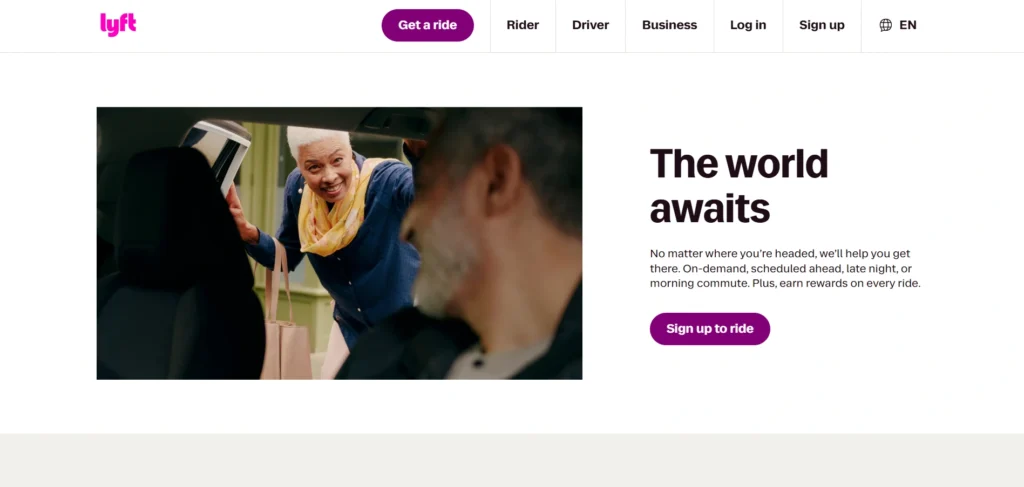
Lyft has been operating in Canada since December 2017, serving major cities like Toronto, Ottawa, Hamilton, Calgary, Edmonton, and Vancouver. If you need a quick ride across town or want to schedule one in advance, Lyft makes getting around simple and convenient.
With options like Lyft Business solutions and rewards for every ride, it appeals to both daily commuters and occasional travelers.
| Pros | Cons |
| Available in several major Canadian cities | Not as widely available as Uber, especially in smaller towns |
| Easy-to-use app and fast pickups | Fewer ride options compared to Uber |
| Schedule rides in advance | Shared ride (Lyft Line) options are not always available |
| Rewards program for frequent riders | Some users report limited driver availability during peak hours |
| Lyft Business solutions for work trips | Slightly higher pricing in some areas |
3. Uride – Local Ridesharing Services

Uride is a Canada‑based ride‑sharing service that aims to bring affordable, reliable rides to cities and towns often overlooked by larger companies. It connects riders with local drivers nearby so you can request a ride right from your phone, choose your vehicle type, and travel safely to your destination.
Unlike big apps that mainly focus on major metropolitan areas, Uride targets smaller Canadian communities across provinces like Ontario, British Columbia, Alberta, New Brunswick, and Prince Edward Island.
Uride also tries to make a positive impact locally with community programs and special initiatives that support charitable causes and local events.
| Pros | Cons |
| Focuses on smaller cities and communities often missed by larger apps | Limited availability compared to Uber and Lyft in major cities |
| Affordable and competitive pricing | Fewer drivers, which may lead to longer wait times |
| User-friendly app with simple ride booking | Limited ride options (e.g., fewer vehicle types) |
| Option to schedule rides in advance | Smaller user base, which can affect reliability during peak hours |
| Good alternative to traditional taxis in certain areas | App features may be less advanced than those of larger platforms |
4. Eva Coop – Ride-Sharing App in Montreal

Eva Coop is a unique ride-sharing platform in Canada. It works very differently from apps like Uber or Lyft. Instead of being a traditional company, it operates as a cooperative, which means drivers and members are part of the system and benefit more directly from it.
Launched in Montreal in 2019, Eva connects riders with drivers through a peer-to-peer model. It uses blockchain technology to create a more transparent and fair system.
One of its biggest differences is its focus on fairness and local communities. Unlike many large ride-sharing companies that take higher commissions, Eva keeps fees lower and aims to redistribute earnings more fairly among drivers. It also avoids practices like heavy surge pricing, making costs more predictable for riders.
| Pros | Cons |
| Lower commission fees compared to major apps | Limited availability (mainly in Montreal and select areas) |
| More transparent and fair pricing | Fewer ride options compared to Uber or Lyft |
| No heavy surge pricing in many cases |
5. RideAlike – Peer-to-Peer Car Sharing Platform

RideAlike is a peer-to-peer car-sharing platform. It lets people rent, share, or even swap vehicles directly with other users.
Launched in Canada and operating mainly in Ontario. It connects car owners with renters, allowing owners to earn extra income from their unused vehicles and giving users access to a wide range of cars from everyday vehicles to luxury options.
The platform focuses on convenience and community. Users can choose from different vehicle types, enjoy digital payments, and benefit from features like 24/7 roadside assistance and insurance coverage, making it a secure alternative to traditional rentals.
Unlike apps like Uber, RideAlike doesn’t provide instant rides with drivers. Instead, it offers more control and flexibility for people who prefer to drive themselves or need a car for longer trips.
| Pros | Cons |
| Access to a wide variety of vehicles (cars, SUVs, trucks, and luxury) | Not an on-demand ride service (no drivers included) |
| More affordable than traditional car rentals | Limited availability compared to major ride-sharing apps |
| Car owners can earn extra income | Requires planning and booking in advance |
| Includes insurance coverage and roadside assistance | Pickup and drop-off required (not door-to-door service) |
6. Hopp – All-in-One Mobility App

Hopp is a newer ride-sharing app that offers affordable rides and multiple transport options in one platform. It is developed by Bolt (a global mobility company) and is part of a larger ecosystem that includes ride-hailing, scooters, and other transport services.
With Hopp, users can request a ride in just a few taps, choose from different vehicle types, and pay directly through the app. It focuses on low pricing and flexible ride options, making it an emerging competitor to apps like Uber and Lyft.
The platform is expanding into Canada, with launches planned or ongoing in cities like Toronto and nearby areas.
| Pros | Cons |
| Often cheaper than major ride-sharing apps | Limited availability, as it is still expanding |
| Simple and easy-to-use app interface | Smaller driver network compared to Uber |
| Multiple ride options (budget to premium) | Longer wait times in some areas |
| Transparent pricing shown before booking |
7. HOVR – Canadian Ride-Sharing Platform

HOVR is a newer Canadian ride-sharing platform designed to offer a fairer and more transparent alternative to traditional apps like Uber and Lyft. Founded in Toronto, HOVR stands out with its unique approach, allowing drivers to keep 100% of their fares while the platform earns through a membership model.
Although still growing, HOVR is gaining attention as a locally built Canadian alternative, especially among users who want to support homegrown platforms.
| Pros | Cons |
| Drivers keep 100% of fares (fair earning model) | Limited availability as the platform is still expanding |
| Transparent pricing with no hidden fees | Fewer ride options compared to competitors |
| Focus on fairness for both riders and drivers | Coverage mainly limited to select cities like Toronto |
8. R-Hero – Affordable Rideshare, Taxi, and Cab Services
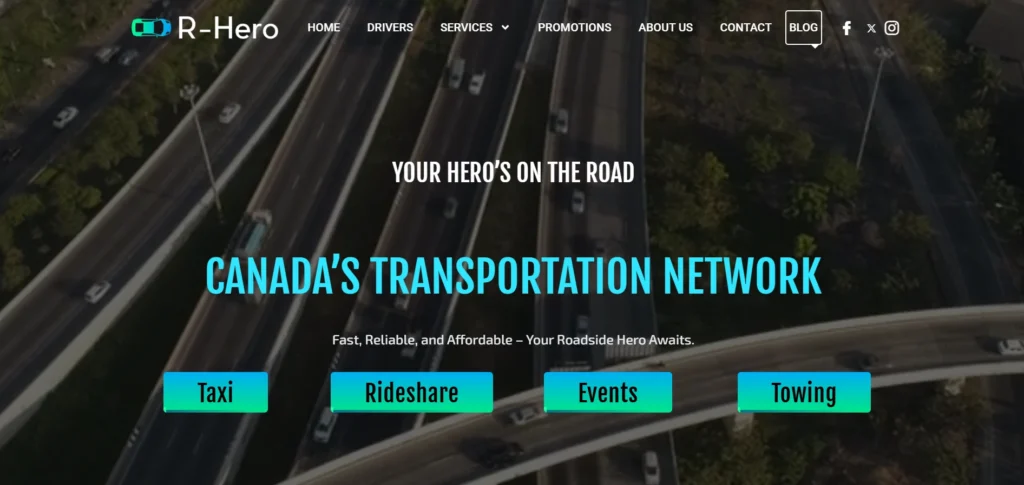
R-Hero is another well-known Canadian ride-sharing app. Designed as both a ride-hailing and roadside assistance platform, it allows users to book rides instantly, schedule trips, and even access services like deliveries and towing, all from one app.
It is especially gaining traction in regions like Alberta, including cities such as Calgary and Red Deer, where users are looking for reliable local alternatives.
With features like upfront pricing, 24/7 availability, and more, R-Hero aims to make daily travel easier.
| Pros | Cons |
| Affordable pricing with no hidden fees | Not widely known across Canada yet |
| Multiple services (rides, delivery, roadside assistance) | Coverage mainly strong in specific regions like Alberta |
| Available 24/7 with reliable service | Fewer ride options compared to bigger platforms |
Tips for Choosing the Best Ride-Sharing App
Choosing the right ride-sharing app isn’t just about picking the most popular one; it’s about finding what works best for your daily travel.
Here are some great tips to help you decide the best one.
| Tips | Description |
| Check Availability | Make sure the app works in your city or area. Some apps are only available in major cities, and others focus on smaller towns. |
| Compare Prices | Always check fares before booking. Prices can vary between apps, especially during peak hours or high demand. |
| Look at Wait Times | Faster pickups make a big difference. Apps with more drivers usually offer shorter wait times and better reliability. |
| Check Safety Features | Choose apps with features like driver verification, live tracking, and trip sharing for added safety and peace of mind. |
| Read Reviews | User ratings and reviews can give you a clear idea about driver behavior, service quality, and overall experience. |
FAQs
In Toronto, the cheapest alternative to Uber for many riders is Lyft. It offers fares that are similar to or slightly lower than Uber’s, especially during non‑peak times.
There’s no clear winner. Sometimes Uber is cheaper, and other times Lyft costs less for the same trip, because both use dynamic pricing that changes with demand, driver availability, and timing.
Supercharge your deliveries with Enatega.
Register NowConclusion
When it comes to ride-sharing in Canada, Uber clearly stands out as the most popular choice. Its wide availability, strong driver network, and consistent service make it the go-to app for millions of users across the country.
At the same time, the Canadian ride-sharing market continues to grow and is projected to reach USD 36.31 billion by 2033. Platforms like Lyft, along with newer and local alternatives, are giving users more choices based on pricing, availability, and unique features.
If you’re inspired to build your own ride-sharing platform, solutions like Enatega can help you.
Get started with a customizable app tailored to your business needs.
About the author

Hudaibia Khalid is a senior content writer with several years of experience in creating clear and easy-to-understand content. Over the years, she has worked closely with startups, restaurants, and entrepreneurs, helping them simplify complex digital and technical topics into actionable insights.
Her expertise lies in writing about on-demand platforms, food delivery solutions, and business growth strategies in a way that is accessible even to non-technical readers. With her experience in the industry, she focuses on guiding businesses step by step, from understanding ideas to turning them into fully working solutions.
SHARE






 IOS
IOS Android
 Web
Web