

Gone are the days when hailing a taxi meant waving your hand on a busy street corner and waiting endlessly. Today, ride-hailing apps have completely redefined urban travel in the USA.
With 24/7 availability, upfront pricing, and real-time tracking, they’ve made commuting more reliable, safer, and often cheaper than traditional cabs.
The numbers speak for themselves. According to Business of Apps, the global taxi app market is projected to reach $283 billion by 2028, showing just how essential these services have become. Whether you’re rushing to catch a flight, heading to work, or exploring a new city, ride apps are now the go-to choice for millions of Americans.
But here’s the challenge: with so many options, Uber, Lyft, and a growing list of regional apps,s it’s not always clear which one gives you the best value, coverage, or experience.
If you’re wondering “Which ride app is best in the USA?”, this blog will help you find the answer.
Top 10 Ride-Hailing Apps in the USA
Below is a list of the best ride-hailing apps in the USA.
1. Uber – Pioneer in the Ride-Hailing Services
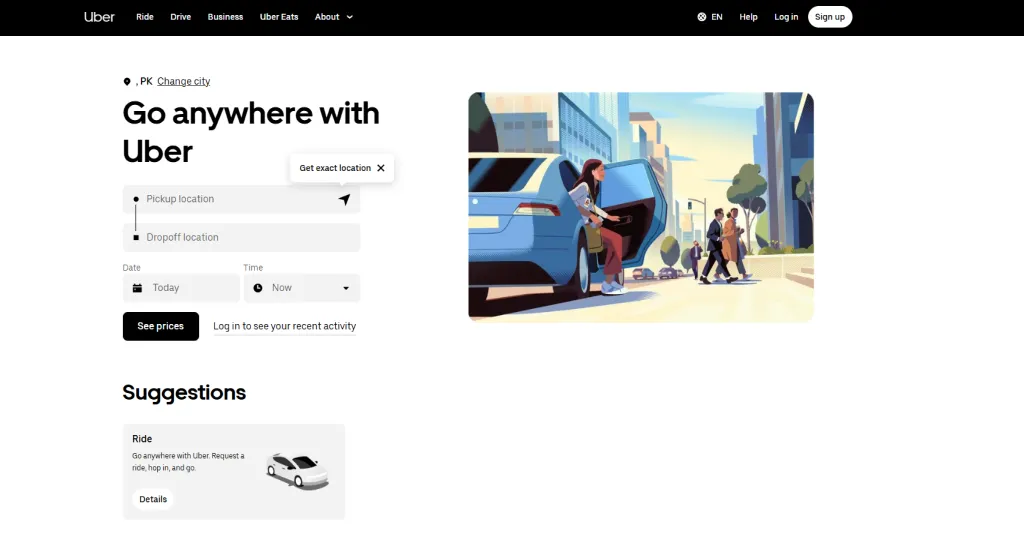
When it comes to ride-hailing, Uber is the name that instantly comes to mind. Launched in 2009, Uber changed the way people book rides and quickly became a global leader in the taxi industry. It has now expanded into a massive network, operating in over 15,000 cities across more than 70 countries.
With just a tap on your smartphone, millions of riders worldwide rely on Uber for safe, fast, and convenient trips, whether it’s a quick ride across town, a late-night commute, or even an airport transfer. By setting new standards for accessibility and innovation, Uber has transformed how we think about everyday travel.
Supercharge your deliveries with Enatega.
Launch NowFeatures of Uber Rider App
- Multiple payment methods
- Real-time tracking
- Split the fare
- Share your trip
- Add multiple stops
- Scheduled rides
- In-app messaging
- Ride verification
- Ride history
- Ratings and reviews
| Pros | Cons |
| Door-to-Door service | Prices can increase during periods of high demand |
| Upfront fares | Dependence on technology |
| Safety features |
2. Lyft – No Matter Your Destination, We’ll Get You Where You Need to Go
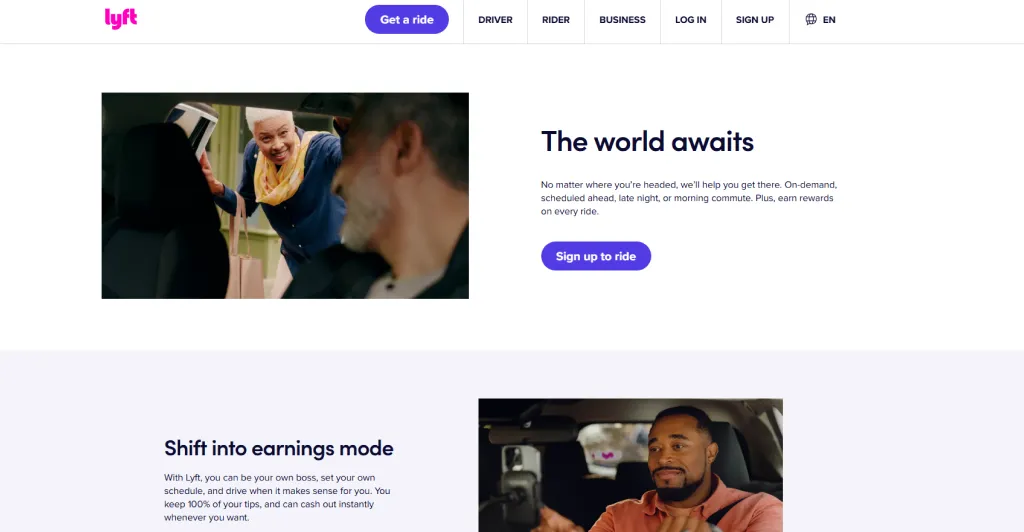
Lyft may not have the same global reach as Uber, but within the USA and Canada, it stands tall as Uber’s biggest competitor and the second-largest ride-hailing company in the United States.
Like Uber, Lyft uses demand-based pricing during peak hours, but it also provides a range of ride options to fit different budgets and preferences.
From Lyft Line (carpooling) to premium rides like Lyft Lux, Lux Black, and Lux Black XL, passengers can choose the level of comfort and style they want. With over two million drivers, Lyft has built a vast network to ensure reliability.
One standout initiative is Lyft Silver, designed specifically for older adults. This service makes transportation more accessible with cars that are easier to get into, a simplified app, and the option of live support, helping seniors maintain independence with ease.
Features of Lyft
- Rewards programs
- Easy user interface
- Less waiting time
- Block drivers
- Location sharing
- Your phone number is never shared with drivers or other riders
| Pros | Cons |
| Various ride types | Third-party fees |
| Vetted drivers | Not offer reimbursement or a reliable promise for the return of items lost or stolen during a ride |
| Test ride option for new riders |
3. Obi – Compare and Book Rideshares and Taxis
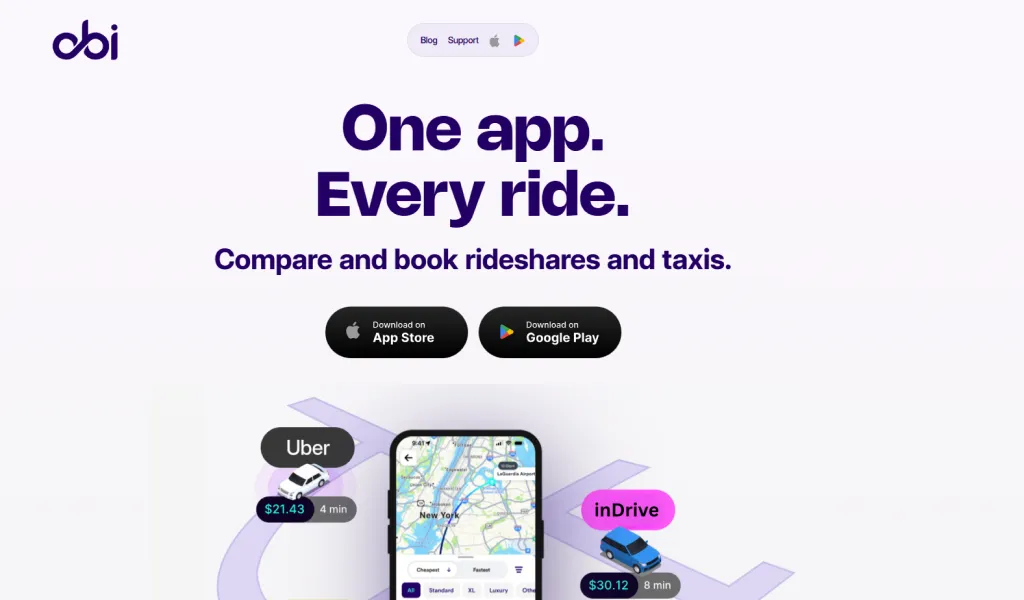
Obi takes a different approach from Uber and Lyft by acting as a ride comparison and booking app rather than operating its own fleet of drivers. Think of it as the “Skyscanner of ride-hailing”; it allows you to compare prices and wait times across multiple ride-hailing and taxi services so you can choose the option that works best for your budget and schedule.
Available in over 175 countries and across hundreds of U.S. cities, including major hubs like New York, San Francisco, Chicago, and Los Angeles, Obi gives travelers both local and global flexibility.
Instead of juggling multiple apps, riders can see all their options in one place, making Obi a convenient choice for frequent travelers who want to save time and money.
Features of Obi
- Real-time comparison
- Wide coverage
- The app is free to use
- Useful filters and ride options
| Pros | Cons |
| Transparent pricing | Reliance on other apps |
| Savings, especially on longer or airport rides | Inaccurate price estimates |
4. Wingz – Pre-booked, Private Airport Rides
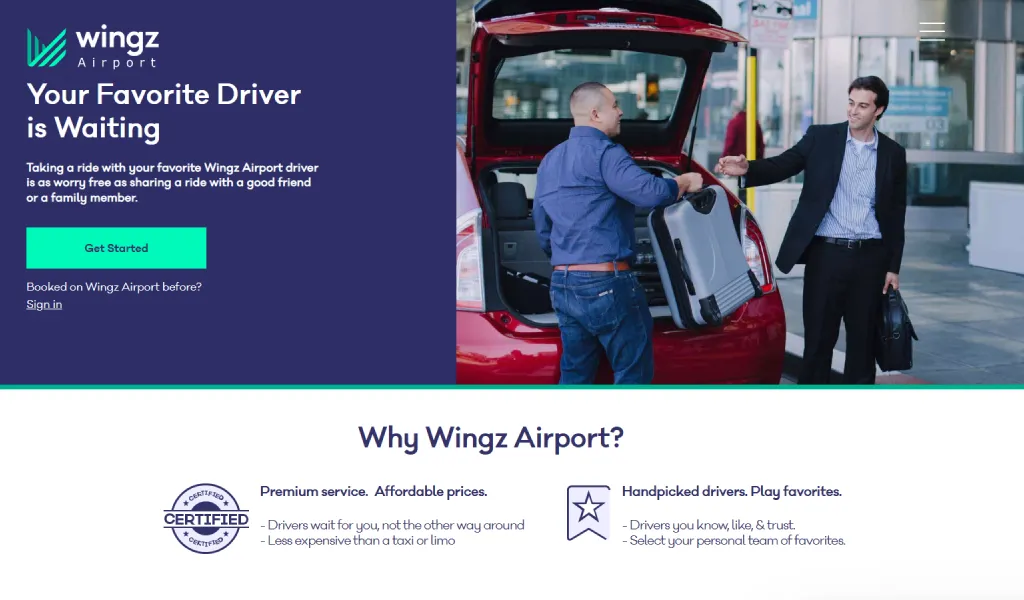
Wingz, a San Francisco–based startup, focuses on pre-scheduled rides especially for airport transportation. Unlike traditional ride-hailing apps that rely heavily on on-demand bookings, Wingz specializes in reliable, flat-rate rides to and from airports, business meetings, doctors’ appointments, events, and more.
One of Wingz’s biggest strengths is its flat-rate pricing model. Passengers don’t have to worry about sudden surge pricing during peak hours. What you see is what you pay. This makes Wingz a dependable choice for travelers who value consistency and budget predictability.
Currently, the service is available in 16 metro areas and 21 major airports across the U.S., offering both convenience and peace of mind for frequent flyers. Another unique feature is the ability to choose your preferred driver for future rides, adding a personal touch and building trust between riders and drivers.
Wingz Features
- Scheduled ride
- Personalized support
- Passengers can select and rebook their preferred, trusted drivers
| Pros | Cons |
| Affordable prices | Limited availability |
| Reliable for pre-planned travel |
5. Curb – Offer Fast, Convenient, and Safe Rides
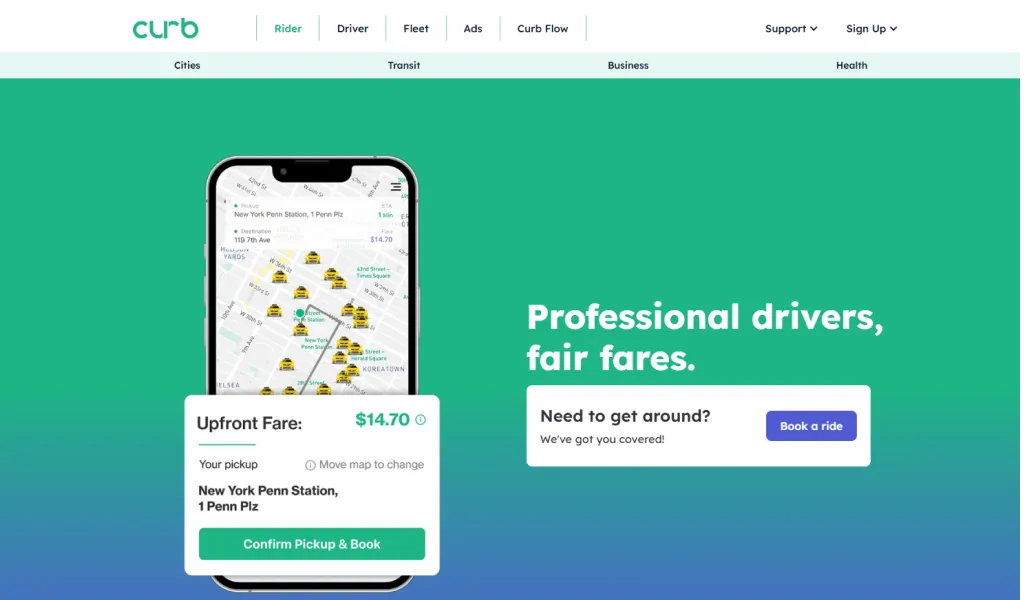
Curb is one of the most popular ride-hailing apps in the U.S. that connects riders directly with licensed taxi drivers. Unlike Uber and Lyft, Curb does not use surge pricing, making it a budget-friendly choice for passengers who want predictable fares.
The app gives access to a massive network of over 50,000 taxis across 65 U.S. cities, including major hubs like New York City, Boston, Philadelphia, Chicago, and Los Angeles.
The unique thing about Curb is that passengers can enjoy a rear-seat monitor with entertainment options, a running tally of the fare, and even the ability to browse local restaurants and book tables during the ride.
Curb Features
- Advanced booking
- Different vehicle options
- In-app payment
- In-app tipping
- Ride tracking
- Referral program
| Pros | Cons |
| Lower fares | Limited availability |
| Professional drivers | Lower driver pay |
| No price surge |
6. Via – Customer Rider App in US
Via is a ride-hailing app that puts a unique twist on traditional ridesharing by focusing on shared, on-demand rides. Instead of providing only private rides like Uber or Lyft, Via groups passengers heading in the same direction into one vehicle. This makes it an affordable and community-driven option for urban commuters.
Currently available in several major U.S. cities such as New York, Chicago, and Washington, D.C., as well as in parts of Europe and other international markets. Via has positioned itself as a smarter alternative for people who don’t mind sharing rides.
Riders use the app to request a ride, and the system matches them with nearby passengers going in the same direction. This model keeps fares low while maintaining efficiency.
Features of Via
- Shared rides
- Flat-rate pricing
- Trip sharing
- Multi-language support
- Accessibility options
| Pros | Cons |
| Cost-effective | Fewer individual ride options |
| Offer subscription “ViaPass” |
7. Bolt – First European Mobility Super-App
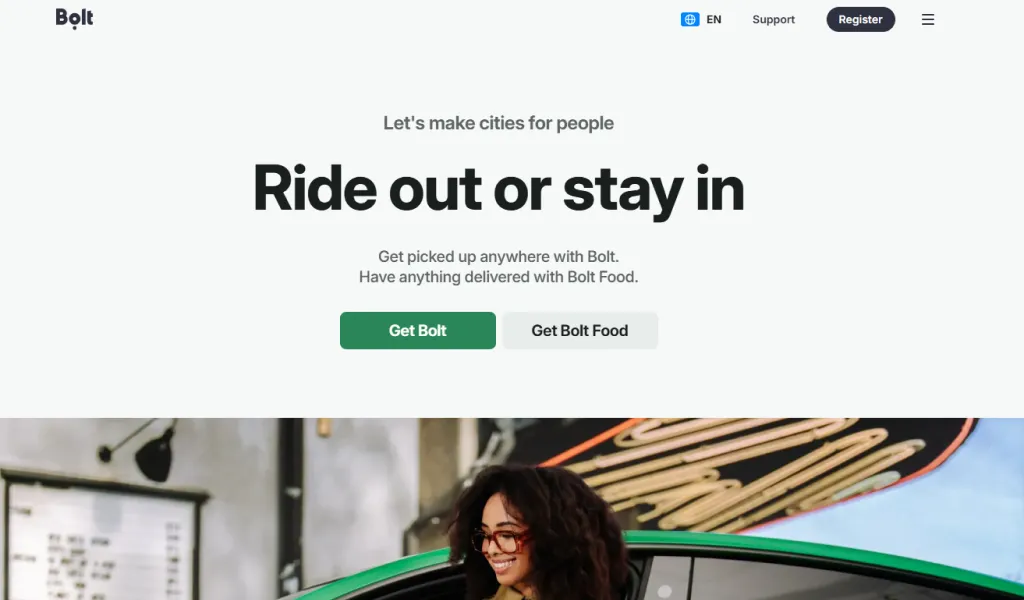
Bolt operates in 45+ countries and hundreds of cities worldwide. It has grown into a multi-service mobility app offering ride-hailing, shared cars, scooters, and even food and grocery delivery. Its mission is to provide affordable and accessible transportation options that reduce reliance on private cars.
Features of Bolt
- Multiple services in one app
- Affordable pricing
- Driver-friendly policies
- Global reach
- In-app safety features
| Pros | Cons |
| Not just rides also food, and grocery delivery is available | Limited availability in the U.S. |
| Offers lower fares than Uber/Lyft | It can be harder to find riders or drivers outside major cities |
8. Arro – Make Your Taxi Experience Even Better
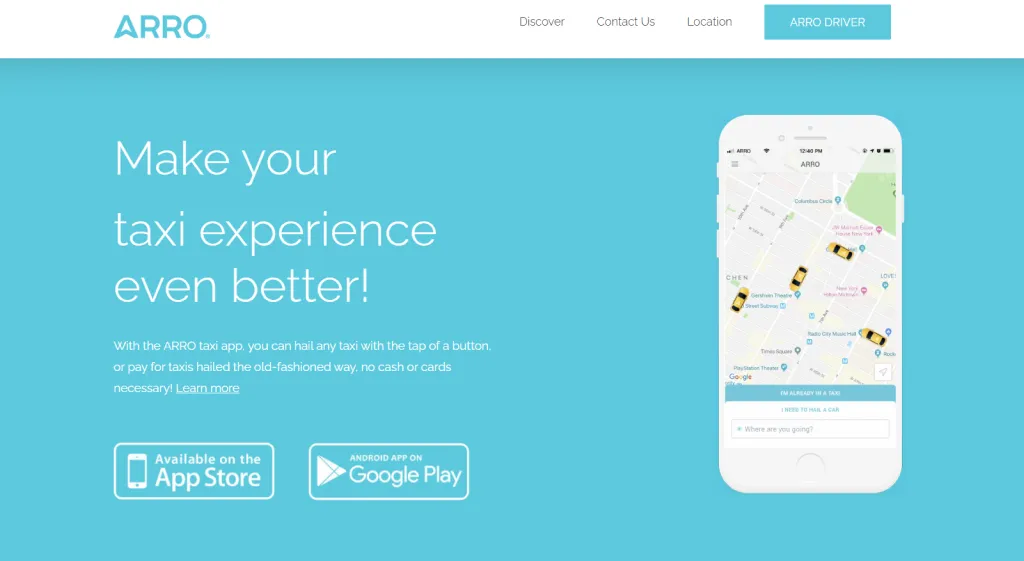
Arro is a modern taxi-hailing app designed to make everyday travel simple and stress-free. With an intuitive interface, it allows riders to easily book and pay for licensed taxi rides through their smartphones.
Currently, Arro operates in major cities across the US and UK, including New York, Chicago, Boston, San Francisco, Houston, Miami, London, and more.
The app is free to download on both iPhone and Android devices and instantly connects users with the nearest available drivers. Whether you’re commuting to work or traveling across the city, Arro ensures faster pickups and an easy payment experience.
Features of Arro
- No surge pricing
- Fast pickups
- Easy payments
- Real-time vehicle status
| Pros | Cons |
| Drivers go through extensive training and education | Limited availability outside big cities |
| Cashless transactions | The app interface is simpler but less advanced than major competitors |
| Reliable because it uses professional, licensed taxi drivers. |
9. Hitch – City to City Uber & Long Distance Rideshare/Carpool App
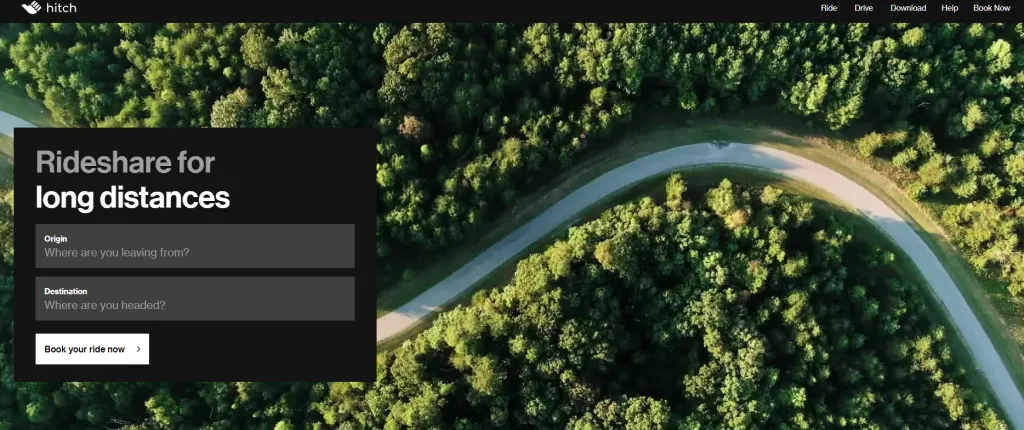
Hitch was founded by University of Texas at Austin students and launched in 2018–2019. It is a long-distance ride-sharing app that started in Austin, Texas, and has since expanded to states like Florida and Oklahoma.
It is designed to make intercity travel more convenient and affordable. Hitch connects riders with drivers already heading to their destination city, offering both shared and private ride options.
Features of Hitch
- Flexible ride options
- Affordable prices
- Flexible booking
- Guaranteed rides
| Pros | Cons |
| Spacious vehicles | No refunds |
| Choose from 100s of pick-up and drop-off locations | Customer service, often limited to an online chat |
| All drivers are background checked |
10. Waymo – Autonomous Ride-Hailing Service
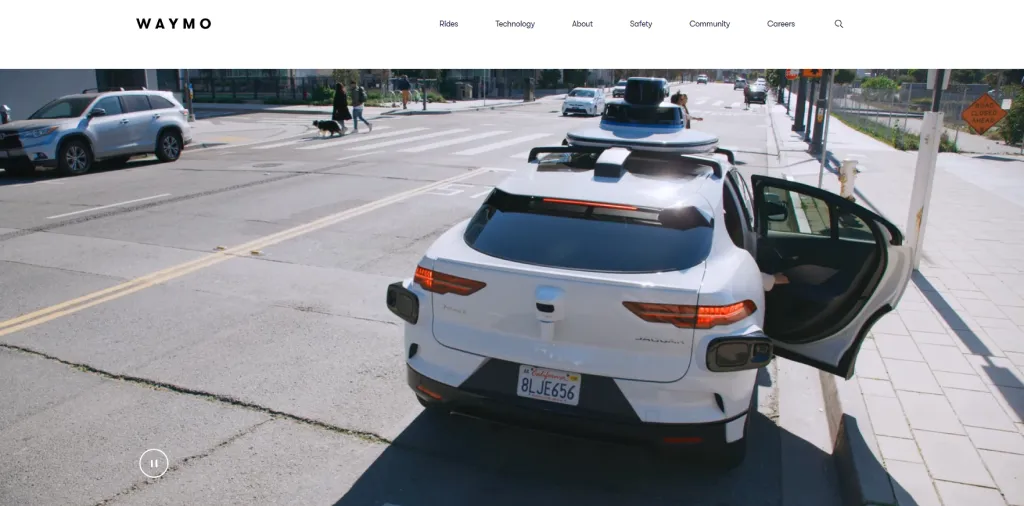
Waymo is an autonomous ride-hailing service developed by Alphabet (Google’s parent company). Based in Mountain View, California, Waymo has been a pioneer in self-driving technology, aiming to make transportation safer, more efficient, and fully driverless.
They offer autonomous ride-hailing through the Waymo One app, allowing users to book rides in self-driving cars without human drivers.
Currently operational in select U.S. cities, including Phoenix (Arizona) and San Francisco (California), with gradual expansion to more locations.
Waymo Features
- 24/7 ride-hailing
- Contactless rides
- Real-time tracking
- Multi-stop trips
- Audio personalization
| Pros | Cons |
| Relaxing and quiet rides | Higher costs |
| Consistent service | Limited features |
| Unique experience | Limited service areas |
What to Look for in a Ride-Hailing App?
Below are some factors that you should look for in a ride-hailing app.
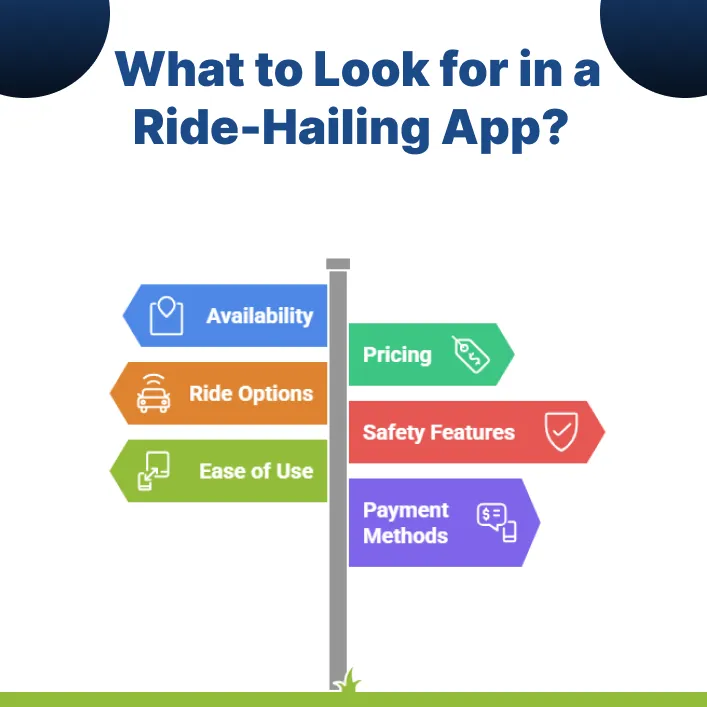
Availability in Your Area: Not all apps operate everywhere. Check whether the service is available in your city or travel destination.
Pricing and Transparency: Look for apps that offer upfront fare estimates, flat-rate options, or no surge pricing to avoid surprises.
Ride Options: Whether you need a budget-friendly carpool, a luxury ride, or an airport transfer, a good app should give you multiple choices.
Safety Features: Options like driver background checks, in-app emergency buttons, real-time tracking, and sharing trip details with friends or family are must-haves.
Ease of Use: A simple interface, quick booking, and reliable GPS navigation make the app much more user-friendly.
Payment Methods: Flexibility matters. The best apps support cashless payments, digital wallets, and sometimes even cash, depending on your preference.
Customer Support: Strong customer service, including live chat or quick claim resolution, can make a huge difference if something goes wrong.
FAQs
Both Uber and Lyft have safety features like driver background checks and GPS tracking, but safety can vary by location and individual experiences.
The most used transportation in the USA is personal vehicles, primarily cars. Public transportation, including buses and trains, is also widely used in urban areas, but personal vehicles dominate overall.
The cheapest form of transportation in the US is public transit, such as buses and subways, especially in urban areas. Biking and walking are also cost-effective options for short distances.
Supercharge your deliveries with Enatega.
Launch NowConclusion
Ride-hailing has changed the way people move around the USA. Whether it’s a quick trip to the office, a late-night airport run, or a long-distance ride between cities, there’s now an app for every need. From well-known names like Uber and Lyft to unique options like Wingz, Hitch, and Curb, riders have plenty of choices to travel safely, easily, and affordably.
This growing market isn’t just great for passengers; it's also full of opportunities for businesses. If you’re thinking about starting your own ride-hailing service or want to scale your delivery business, now is the perfect time to step in.
That’s where Enatega comes in. We build customizable, easy-to-use ride-hailing apps that help you run your business smoothly and stand out from the competition.
Book a free demo with Enatega today and get the best ride-hailing app.
About the author

Hudaibia Khalid is a senior content writer with several years of experience in creating clear and easy-to-understand content. Over the years, she has worked closely with startups, restaurants, and entrepreneurs, helping them simplify complex digital and technical topics into actionable insights.
Her expertise lies in writing about on-demand platforms, food delivery solutions, and business growth strategies in a way that is accessible even to non-technical readers. With her experience in the industry, she focuses on guiding businesses step by step, from understanding ideas to turning them into fully working solutions.
SHARE






 IOS
IOS Android
 Web
Web