


To build an app like Blinkit:
- Start by validating your business idea
- Choose a target market
- Define your revenue model
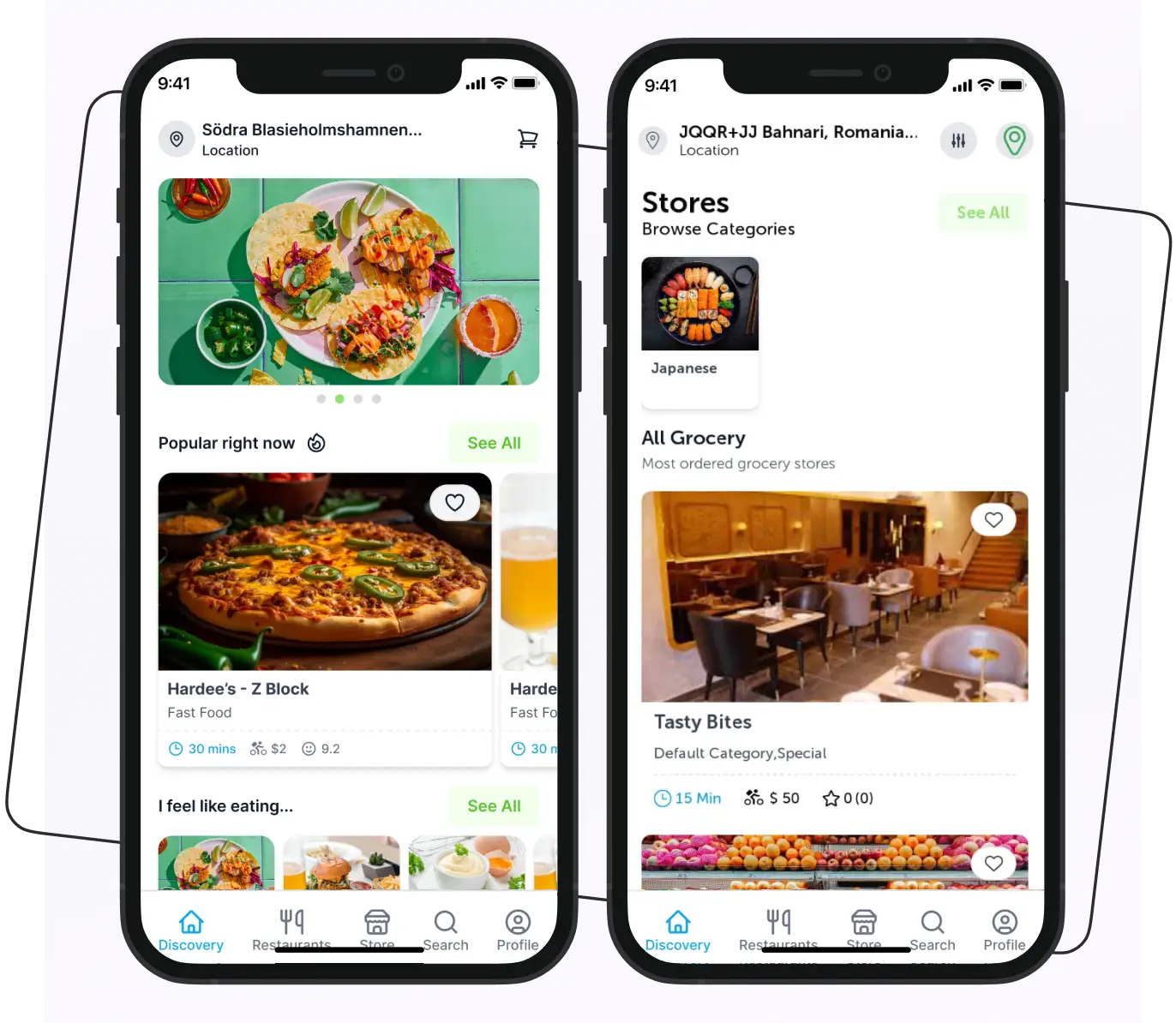
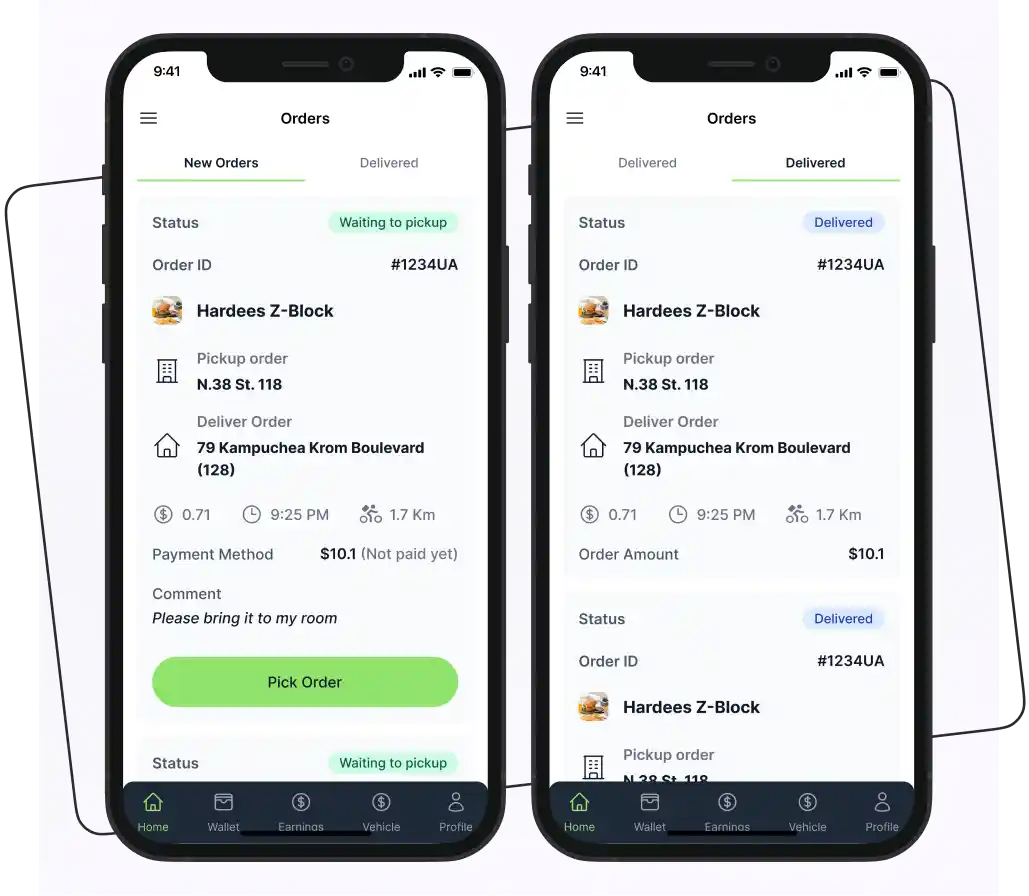
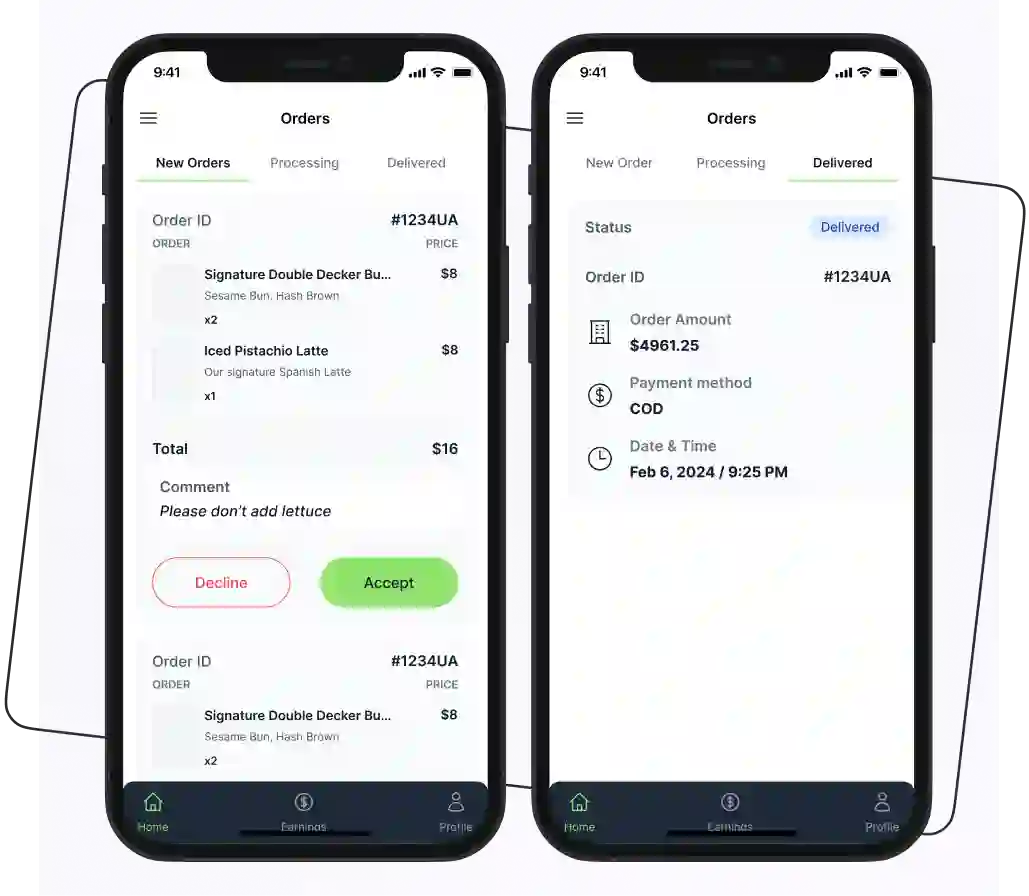
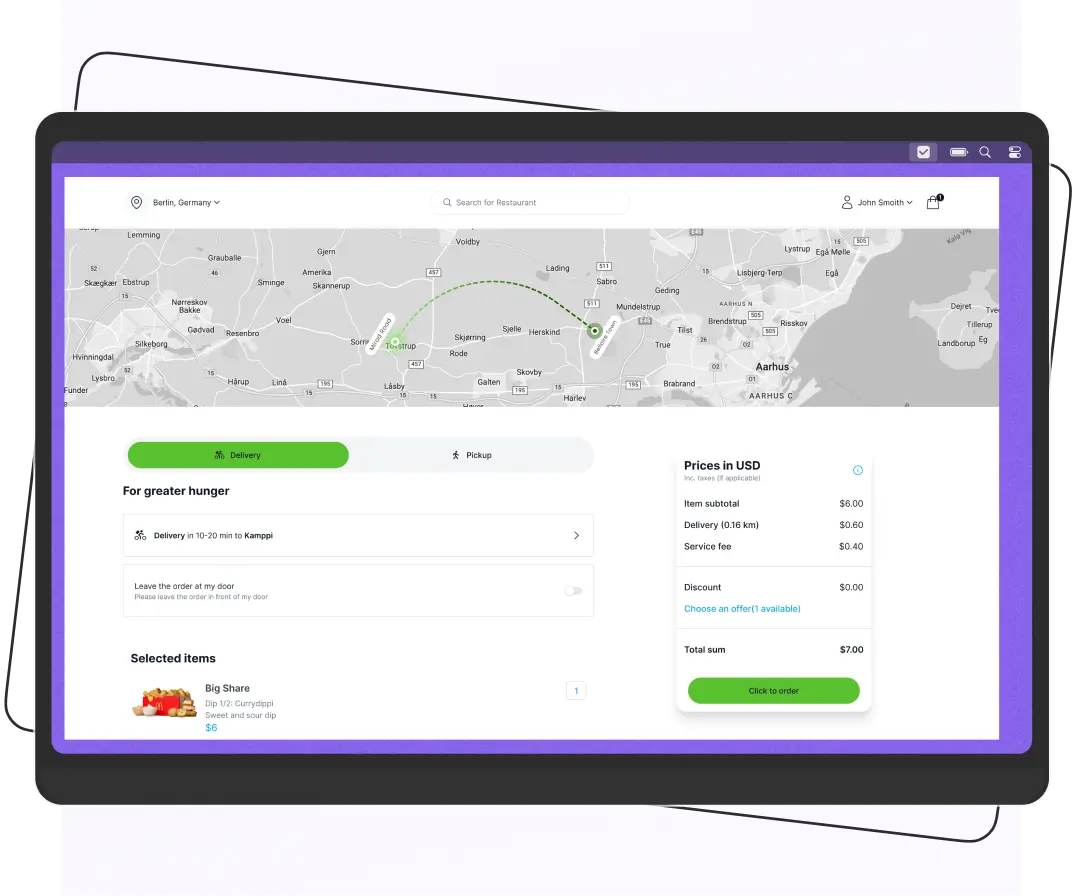
- Develop the essential apps for customers, delivery drivers, vendors, and admins
- Integrate features like real-time inventory, order tracking, and secure payments
- Test the platform, and launch
The quick commerce market is growing. Platforms like Blinkit are changing how people shop, and businesses are racing to enter this market.
If you want to launch your own grocery delivery app quickly without building from scratch, a Blinkit clone is the fastest way to start.
In this blog, you’ll learn:
- How does the Blinkit model work?
- Main features you need
- Development cost
- How to launch faster and cheaper?
So, let’s start.
Supercharge your deliveries with Enatega.
Register NowWhat is Blinkit?
Blinkit is a quick commerce company that delivers groceries and daily essentials to customers, aiming for instant delivery. It was previously known as Grofers. Blinkit delivers a wide range of products, including groceries, electronics, beauty items, and more, with delivery times of minutes.
This broad inventory caters to the varied needs of customers, making it a one-stop shop for many daily necessities.
Moreover, Blinkit operates in over 30 major Indian cities, with a network of more than 1,800 micro-fulfillment centers (dark stores). The main cities where Blinkit offers services include Delhi, Mumbai, Gurugram, Hyderabad, Bangalore, Kolkata, Jaipur, and Ghaziabad.
Moreover, Zomato acquired Blinkit in an all-stock deal valued at approximately $568 million (Rs 4,447 crores) in June 2022, according to The Economic Times.
How Does Blinkit Work?
Below is the workflow of Blinkit.
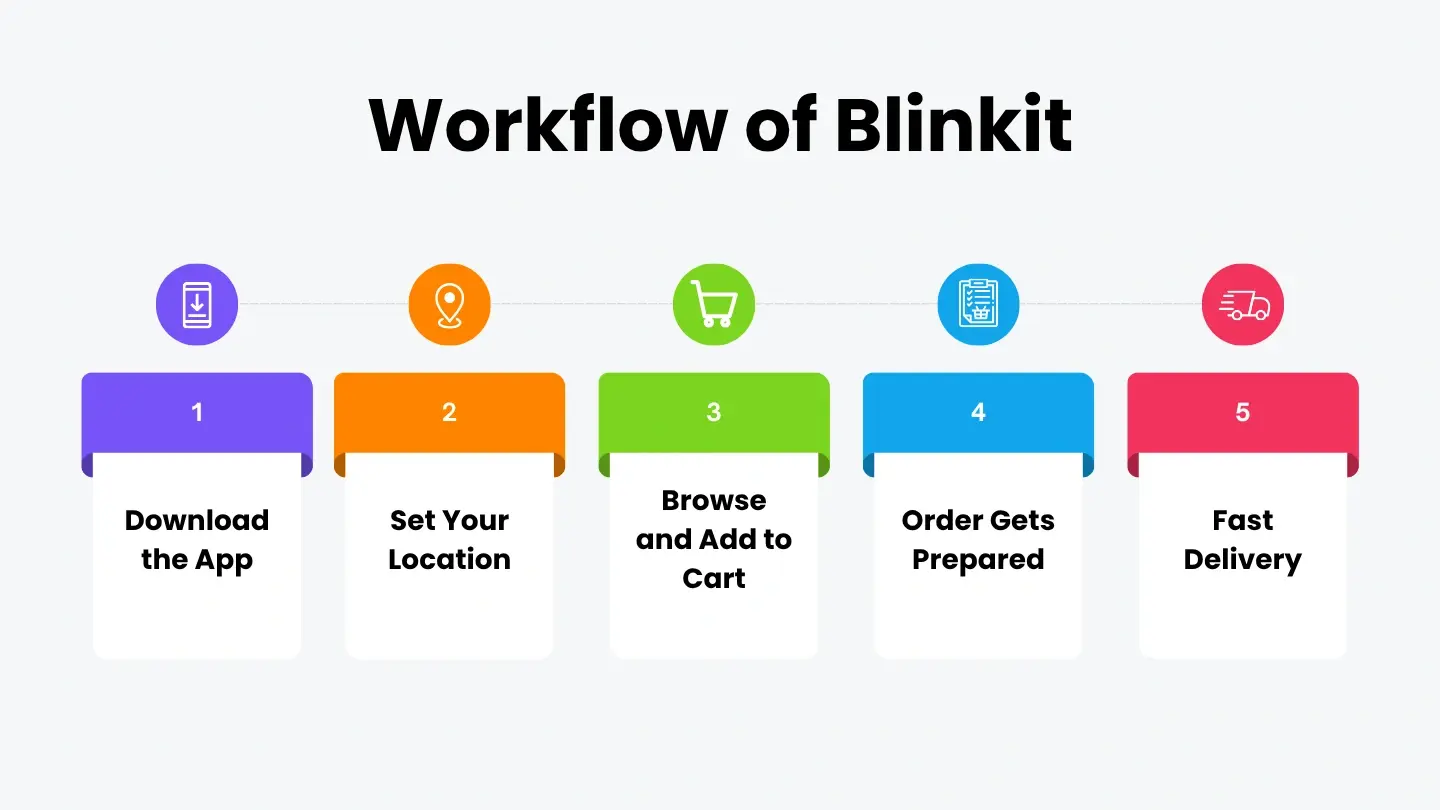
1. Download the App
Grab your phone and install the Blinkit grocery delivery app from the App Store or Google Play.
2. Set Your Location
Choose your area so Blinkit can show you what’s available and deliver to the right place.
3. Browse and Add to Cart
Look through a wide range of groceries from fresh fruits and veggies to daily essentials. Add to your cart what you need.
4. Order Gets Prepared
Once you place the order, the Blinkit team gets everything ready right away.
5. Fast Delivery
A Blinkit delivery partner will deliver your groceries right to your doorstep, often within minutes.
How Does Blinkit Make Profit?
Blinkit earns money through multiple revenue streams instead of relying only on delivery charges. Here are the main ways it generates profit:
- Commission from Sellers: Blinkit charges grocery stores and brands a commission on every order placed through the platform.
- Delivery Fees: Customers may pay a delivery fee, especially for smaller orders or during peak hours.
- Advertising: Brands pay Blinkit to promote their products through sponsored listings and featured placements in the app.
- Membership Plans: Blinkit offers subscription benefits, such as free delivery and exclusive discounts, for a recurring fee.
- Higher Margins on Private Labels: Blinkit sells its own branded products, which usually provide better profit margins than third-party products.
- Bulk Purchasing: By buying products in large quantities directly from suppliers, Blinkit reduces costs and increases its profit margin.
Together, these revenue streams help Blinkit build a profitable quick-commerce business.
What is the Blinkit Clone App?
The Blinkit clone app is a ready-to-use solution that mimics the key features of Blinkit. It’s designed to help entrepreneurs quickly start their grocery delivery service.
This white-label platform includes all the essential functions needed for an on-demand grocery delivery app, such as customer ordering, admin management, and delivery driver capabilities.
Why Are Businesses Rapidly Building a Blinkit Clone App?
Main benefits of the Blinkit clone app that drive revenue are:
| For Customers | For Businesses |
| Wide Selection of Products: One of the key attractions of a Blinkit-like app is the variety it offers. Customers can browse through thousands of items, ranging from daily groceries and fresh produce to household essentials, personal care items, and even electronics, all in one app. This eliminates the need to visit multiple stores or use different apps for different needs. | Faster Development Time: Using a Blinkit clone cuts down on app development time. The core features are already built and tested, and businesses can focus on customization and branding, allowing for a quicker launch and faster go-to-market strategy. |
| Personalized Ordering: A Blinkit clone app can use past purchase history, preferences, and location data to provide personalized product recommendations. This not only improves the shopping experience but also saves time by surfacing items the customer is likely to buy frequently. | Cost-effective: Developing an app from scratch can be expensive and time-consuming. A Blinkit app clone offers a more affordable alternative without compromising on essential functionalities. It provides an opportunity for startups and local retailers to enter the on-demand delivery market without a massive upfront investment. |
| Hassle-free Ordering Process: The entire user journey from browsing products to checkout is designed to be simple. With features like smart search, filters, saved addresses, and order history, the app makes grocery shopping quick and stress-free, especially for busy people. | Scalable: As the business grows, the Blinkit app clone can scale easily to accommodate more users, delivery partners, and vendors. The backend architecture supports expansion to multiple cities or regions, ensuring the app performs well even under increasing demand. |
| Easy and Secure Payments: Customers benefit from a range of payment options, including credit/debit cards, digital wallets, and cash on delivery. The payment process is encrypted and secure, ensuring peace of mind during transactions. | Feature-rich: A Blinkit clone script comes with features that are essential for a modern grocery delivery service: real-time tracking, push notifications, loyalty programs, promo codes, in-app chat, and more. These features help improve customer retention and overall user engagement. |
| Save Time and Money: A grocery delivery app provides users with the ability to order from anywhere with an internet connection, reducing the need to physically visit stores or wait in long lines. | Increased Sales Opportunities: It is another great benefit of grocery delivery app. With digital ordering available 24/7 and the ability to run targeted promotions or discounts, businesses can reach more customers and increase sales. Analytics tools integrated into the app also help track customer behavior and purchasing trends, allowing for smarter business decisions. |
How to Create an App Like Blinkit?
Below are some steps to help you create an app like Blinkit.
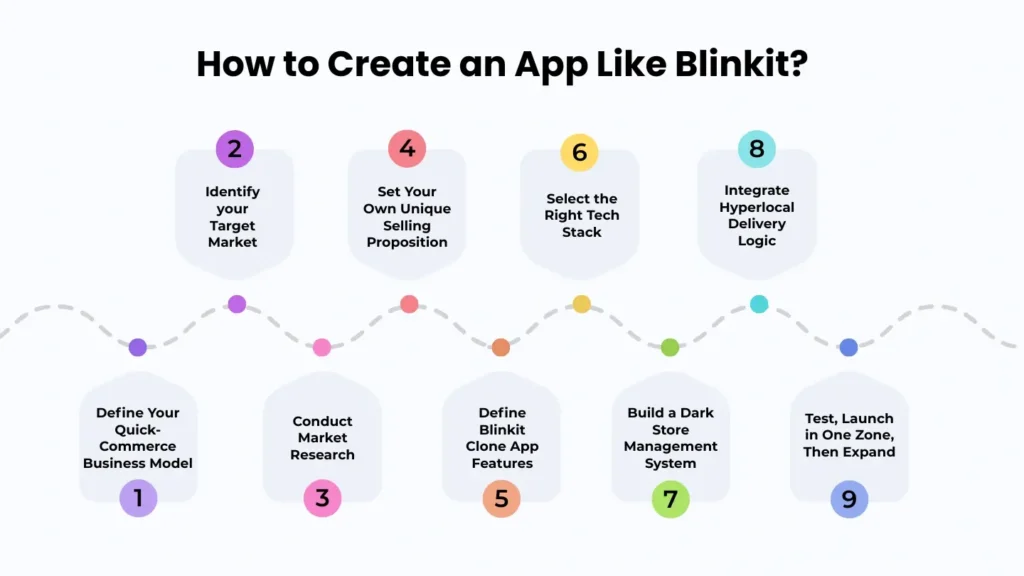
1. Define Your Quick-Commerce Business Model
Before you start building the app or writing any code, first decide how your business will work in real life.
For example, Blinkit uses small local warehouses called dark stores. These are usually 200–500 sq. ft. and placed in busy city areas. Each store keeps around 1,500–2,500 products and serves customers within a 2–3 km range. This setup is what makes fast delivery (like 10–20 minutes) possible.
This is important because your app, delivery system, and operations all depend on this structure.
You also need to choose how you will run your stores:
- Own your dark stores for full control
- Work with local shops to save costs and scale faster
- Use a mix of both for balance
Each option affects your cost, control, and delivery speed. So decide this early to avoid problems later.
2. Identify your Target Market
Don’t try to launch in an entire city on day one. Start small and focus on a few specific areas first.
Companies like Blinkit first grew by targeting selected pin codes in metro cities before expanding step by step. The goal is to build strong delivery coverage in a limited area instead of spreading too thin.
Choose your launch areas based on:
- High population in a small space
- Good chances of regular orders
- Close distance to your dark store
- Easy delivery routes
Places like apartment buildings, gated communities, and busy residential areas are a great starting point because people order more often, and deliveries can be completed quickly. This helps you save costs and improve delivery speed.
3. Conduct Market Research
Don’t just focus on customer surveys; also, understand how quick commerce actually works in your target market from an operational point of view.
Look into how fresh products need to be stored and transported, especially if you plan to sell fruits, vegetables, or chilled items. Check the rules and requirements for food storage and delivery in your region so you stay compliant from the start.
You should also calculate your last-mile delivery cost per order, because this directly affects your profit margins.
For example, in markets like India, platforms such as Blinkit and Zepto have faced scrutiny from retail associations regarding pricing and competition. Understanding these kinds of industry and regulatory challenges early can help you avoid legal issues and unexpected business risks later on.
4. Set Your Own Unique Selling Proposition (USP)
In a market where Blinkit, Zepto, and Swiggy Instamart already offer 10-minute delivery, you can’t compete on speed alone. Your unique selling point (USP) needs to be based on how your business actually works, not just a marketing message.
Here are some simple ways to differentiate your app:
- Focus on a niche: Instead of selling everything, focus on categories like organic food, halal groceries, or pet supplies
- Target smaller cities (Tier 2/3): Expand into areas where big players are not fully established yet
- Allow smaller orders: Make it easy for users to order even low-value baskets
- Use local sourcing: Partner with nearby farms or shops to get fresher products and restock faster
Your USP should guide your entire setup, including what you store in your dark stores, which products you offer, and which areas you launch in. It’s not just for branding; it should shape your whole business strategy.
5. Define Blinkit Clone App Features
After doing market research and selecting the unique proposition, decide on the app features. Make sure that you add features that can make your app useful for your customers.
Below is a list of features that you should incorporate into your clone app.
Customers
- User registration
- Real-time order tracking
- Push notifications
- In-app chat
- Loyalty programs and discounts
- Product search and categories
- Cart sharing
- Review and rating system
Grocery Stores
- Easy signup
- Delivery management
- Inventory management
- Order management
Rider
- Easy login
- Analyze earnings
- Availability status (online/offline)
- Order acceptance
- Proof of delivery
- Route optimization
Admin Dashboard
- Content management
- Customer management
- Rider management
- Feedback management
- Advertisement management
6. Select the Right Tech Stack
Choosing the right tech stack is necessary for the Blinkit clone app development. This choice should be made in a careful manner to ensure the app meets essential criteria such as performance, scalability, and user satisfaction.
Here is a list of technologies that are used in building a clone app like Blinkit.
| Category | Technology |
| Frontend | React Native / Flutter (cross-platform mobile) |
| Backend | Node.js (event-driven, handles high concurrency well) |
| Database | PostgreSQL (transactional data) + Redis (real-time caching) |
| Real-time Communication | WebSockets / Firebase |
| Maps and Routing | Google Maps API / MapmyIndia for Indian markets |
| Cloud | AWS or Google Cloud with auto-scaling |
| Payment Gateway | Razorpay (India) / Stripe (international) |
| Authentication | OAuth / JWT |
| DevOps | Docker / Kubernetes |
React Native or Flutter is recommended over separate native builds for your first version. It cuts development time significantly while still delivering a performant mobile experience.
7. Build a Dark Store Management System
This is one of the most important parts of a quick-commerce business, and many guides don’t explain it properly.
Your dark store system is what manages everything inside your warehouse. It should:
- Keep track of stock in real time
- Alert you when items are running low
- Help staff quickly pick and pack orders
- Show what products are selling fast so you can restock on time
You should build this system early, even before the customer app. Because without smooth store operations, fast delivery will not work even if your app is perfect.
8. Integrate Hyperlocal Delivery Logic
Quick-commerce delivery works very differently from regular e-commerce. Instead of planning deliveries over hours or days, everything needs to happen in real time.
Your system should:
- Automatically assign the nearest available rider as soon as an order is placed
- Focus on the shortest distance, not bulk delivery routes
- Update and reroute orders instantly if a rider becomes unavailable
- Use location boundaries (geofencing), so only customers within your service area can place orders
This is important because promising delivery outside your actual coverage area often leads to delays and failed orders, which can quickly reduce customer trust and retention.
9. Test, Launch in One Zone, Then Expand
Don’t launch across a whole city at once. Start with just one high-demand area and test your system with real orders.
Run a small beta launch and carefully track performance. Focus on three key metrics:
- Order to dispatch time: aim for under 2 minutes
- Dispatch to delivery time: aim for under 8 minutes
- Order accuracy: aim for 98% or higher
Only expand into new areas once you consistently meet these targets.
This step-by-step approach helps you fix operational issues early and build a stable system before scaling to more locations.
Blinkit Clone App Development Cost
The cost of creating an app like Blinkit ranges between $10,000 – $150,000+. However, the exact cost can depend on these factors:
- App features
- App complexity
- Number of platforms
- Development team and more
The table below shows the rough estimate of the cost associated with different app development levels.
| App Type | Cost Range | Key Features |
| Basic App | $10,000 – $40,000 | User registration, payment gateway integration, product browsing, order tracking, and delivery management |
| Advanced App | $40,000 – $80,000 | Live order tracking, tailored suggestions, in-app messaging, special promotions, loyalty initiatives |
| Ultra-modern App | $80,000 – $150,000+ | Hyperlocal delivery optimization, AI-generated product recommendations, and voice-activated search |
Real-World Example: How Enatega Helped Build Yalla Delivery
Yalla Delivery is a real-world example of a successful quick-commerce platform built using Enatega’s white-label delivery solution. Instead of creating everything from scratch, Yalla customized the platform to support food, grocery, and retail deliveries in a single app.
It also introduced Arabic and English language support, local payment integration, and features designed specifically for its regional audience.
Within a few months of launch, Yalla reached 60,000+ active monthly users and onboarded 50+ restaurants and vendors. This shows that using a ready-made, customizable platform can reduce development time while providing the flexibility to build a scalable delivery business.
FAQs
Grofers was the old name of the Blinkit app.
Both are strong quick-commerce platforms, but Blinkit leads on scale. Blinkit holds around 45% of India’s quick-commerce market, operates over 1,800 dark stores, and serves 30+ major cities. Zepto holds approximately 21% market share with around 1,099 active stores.
Blinkit offers a broader product range, including electronics and personal care, while Zepto focuses on fast delivery of everyday essentials.
On app ratings, Zepto edges ahead with a 4.7 rating compared to Blinkit’s 4.5.
Yes, several apps work like Blinkit, including Zepto, Swiggy Instamart, and BigBasket Now, all offering fast delivery of groceries and daily essentials.
Zepto is Blinkit’s most direct competitor, holding around 21% of India’s quick-commerce market, while Swiggy Instamart follows closely, though Blinkit leads both with approximately 45% market share.
A basic Blinkit clone can take around 6–10 weeks using a ready-made solution. A fully custom-built, scalable platform usually takes 4–8 months or more, depending on features and complexity.
Yes, a Blinkit clone is fully customizable. You can modify the design, features, branding, payment methods, delivery zones, and business model to match your specific requirements and target market.
Supercharge your deliveries with Enatega.
Register NowConclusion
Going to supermarkets, filling your trolley with groceries, home essentials, and personal care products, only to stand in long queues for checkout, this traditional shopping experience can be a real drain on your time. It often leaves customers feeling frustrated and dissatisfied.
Create an online grocery delivery app like Blinkit. This platform simplifies the shopping process, eliminating the hassles of in-store visits and providing a better experience. Building a Blinkit clone is an excellent way to offer customers a modern solution to their grocery needs.
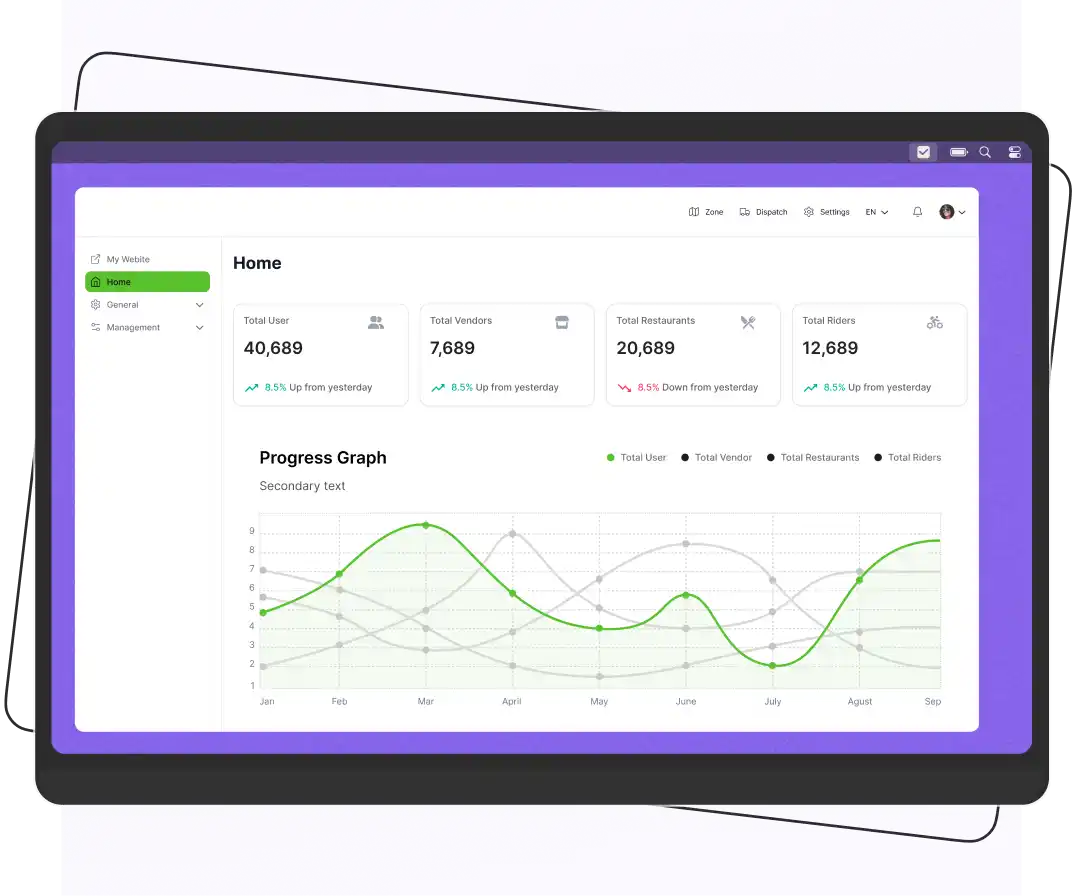
Ready to launch your own Blinkit-like grocery delivery platform? Enatega offers a fully customizable white-label Blinkit clone with source code, customer, rider, vendor, and admin apps to help you launch faster.
Register today.
About the author
Hudaibia Khalid is a senior content writer with several years of experience in creating clear and easy-to-understand content. Over the years, she has worked closely with startups, restaurants, and entrepreneurs, helping them simplify complex digital and technical topics into actionable insights.
Her expertise lies in writing about on-demand platforms, food delivery solutions, and business growth strategies in a way that is accessible even to non-technical readers. With her experience in the industry, she focuses on guiding businesses step by step, from understanding ideas to turning them into fully working solutions.
SHARE






 IOS
IOS Android
 Web
Web