Get Backend API for Food Delivery System For Restaurant Using Php
The food delivery system for restaurant using php frontend is open-source and easy to adapt. Unlock backend API functionality by arranging a call with our team. Access documentation and case studies online.



Frequently Asked Questions
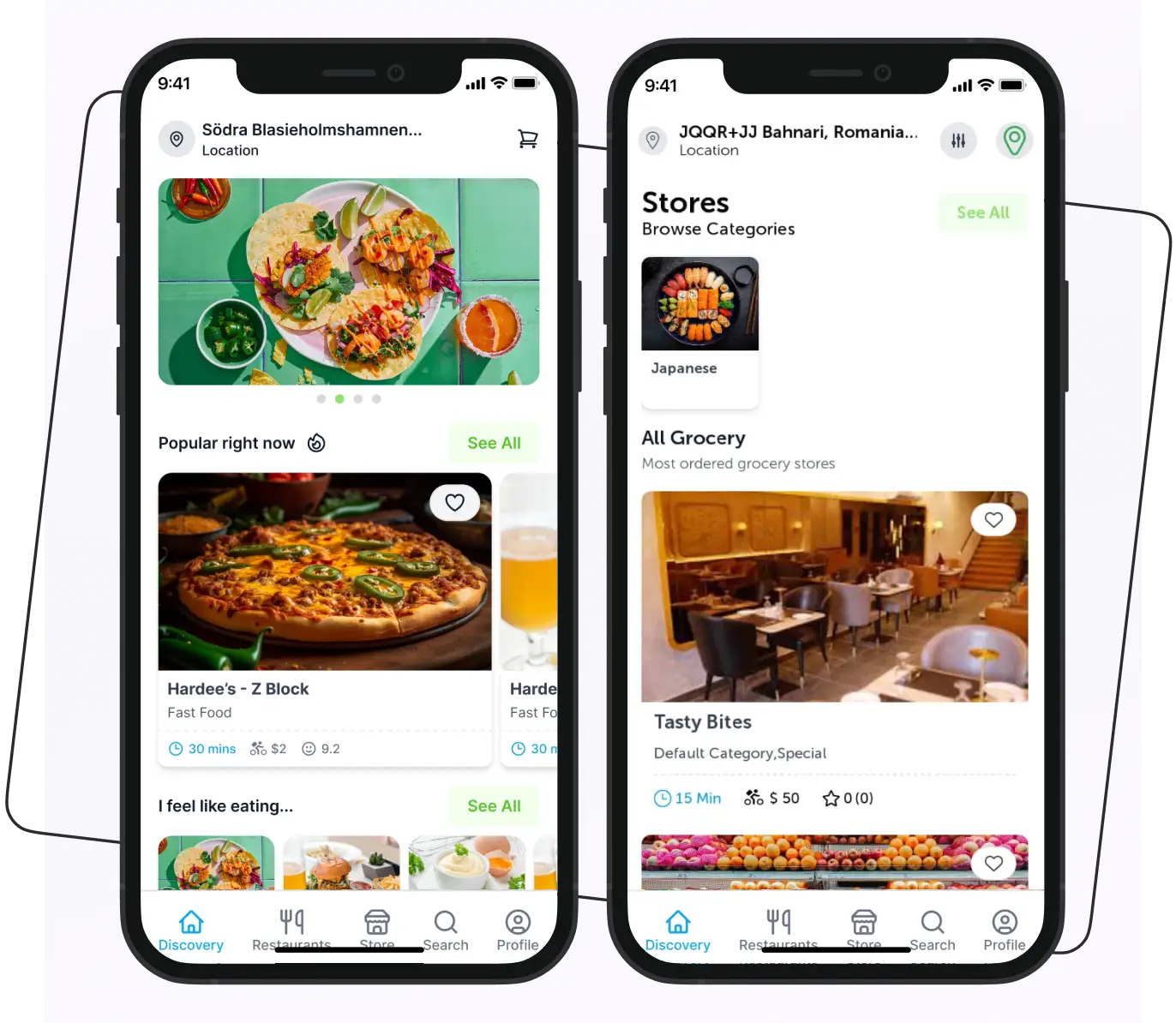
A food delivery system for a restaurant is a digital platform that allows customers to browse menus, place orders, make payments, and track deliveries, while enabling restaurants to manage orders, menus, delivery staff, and customer data efficiently in real time.
Yes, the system can support multiple restaurant branches with independent dashboards, allowing each branch to manage its own menus, orders, and deliveries, while the admin panel provides centralized control and analytics across all locations.
Yes, the system can support multiple restaurant branches with independent dashboards, allowing each branch to manage its own menus, staff, and orders, while the main admin panel oversees all branches for unified reporting and control.
The most efficient PHP frameworks for building a scalable restaurant delivery platform are: Laravel – Offers powerful MVC architecture, built-in authentication, and easy API integration for scalability. Symfony – Known for high performance, modularity, and enterprise-level reliability. CodeIgniter – Lightweight and fast, ideal for startups needing quick deployment.
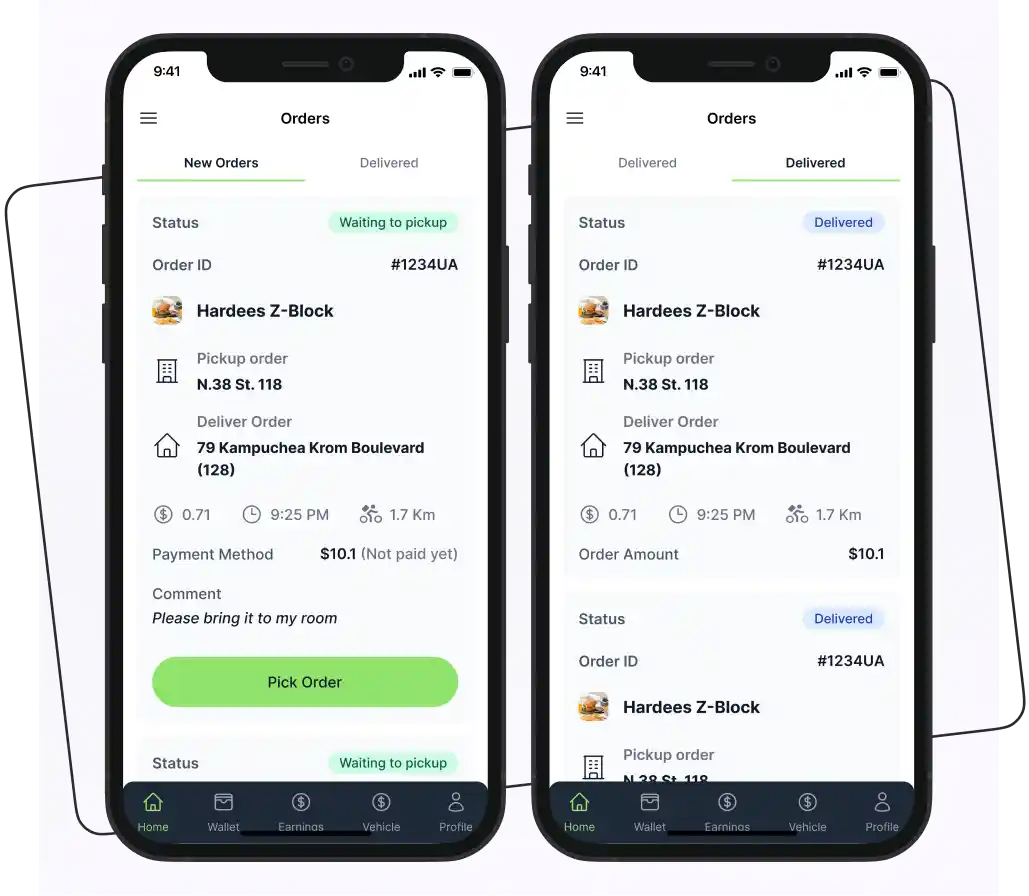
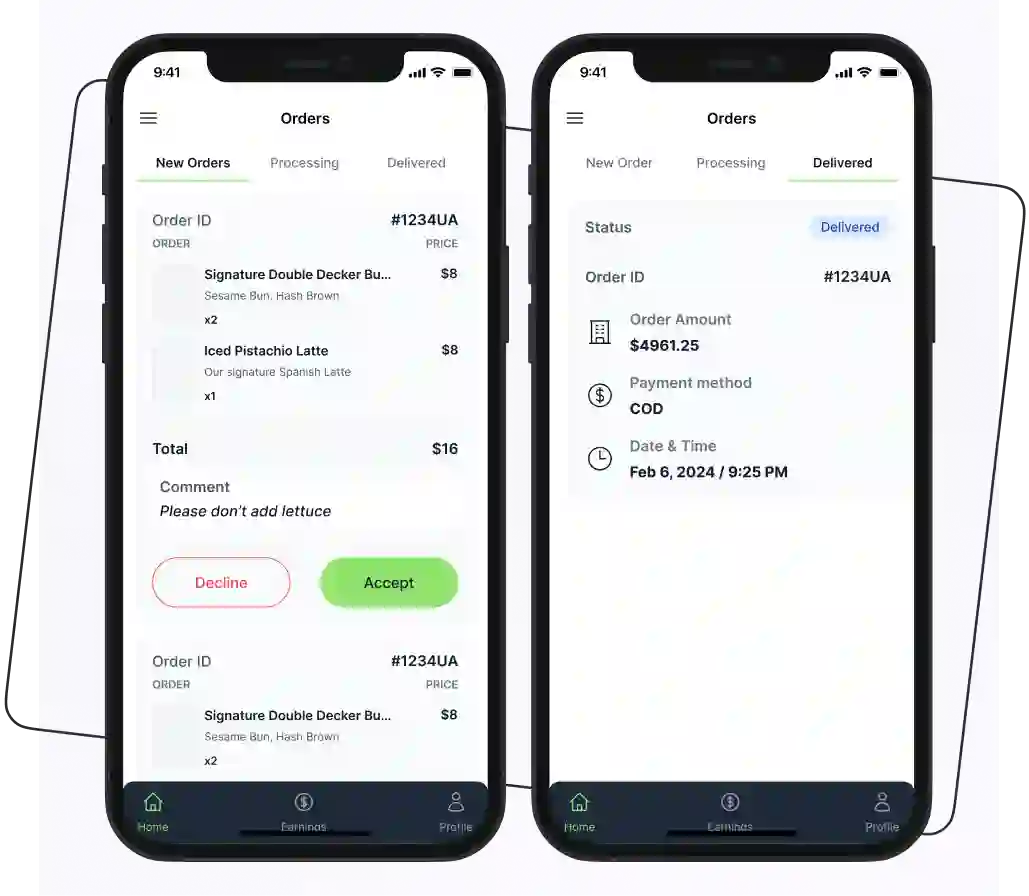
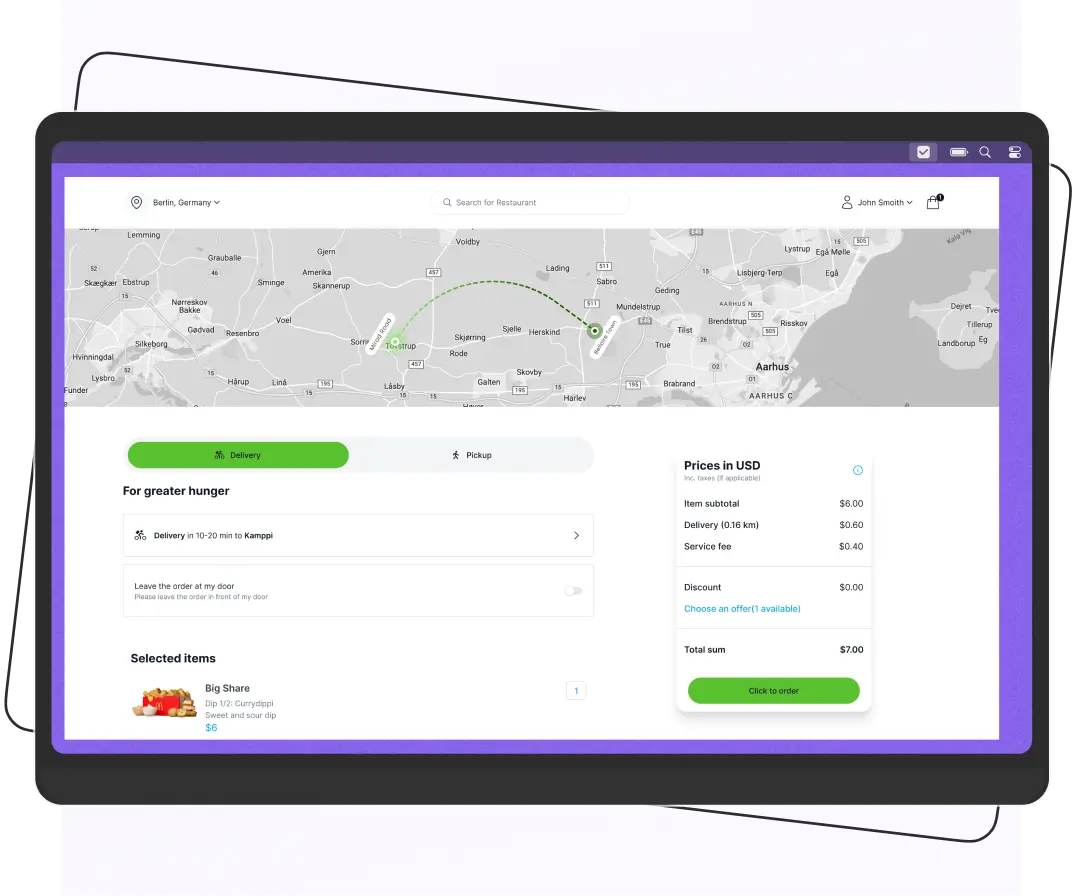
A PHP-based food delivery system for restaurants should include the following core features: User Management: Customer registration, login, and profile management. Menu Management: Add, update, or remove items with categories and pricing. Order Management: Real-time order placement, tracking, and status updates. Payment Integration: Secure online payments via gateways like Stripe or PayPal. Delivery Management: Assign drivers, track deliveries, and optimize routes. Admin Dashboard: Centralized control for analytics, reports, and branch monitoring. Notifications: Email/SMS/app alerts for order confirmations and updates. Reviews and Ratings: Customer feedback system for quality assurance.




 IOS
IOS Android
 Web
Web