


On any given day in Canada, millions of people line up for their morning coffee, scroll through delivery apps for a quick dinner fix, or hunt for the latest foodie hotspot their friends can’t stop talking about.
Behind every one of those cravings is a business, some barely surviving, others quietly becoming gold mines. And that’s where the real curiosity begins: Which food business is the most profitable in Canada?
The answer isn’t as obvious as you might think. Profitability in Canada’s food industry is shaped by changing lifestyles, cultural diversity, digital innovation, and even the weather.
From kitchens with no storefronts to niche food concepts that grow on just a few best-selling items, the Canadian market is full of unexpected winners.
If you’re searching for the food business with the highest earning potential or want to understand what makes certain brands explode while others fade, you’re in the right place.
This blog will take you behind the scenes of the fastest-growing food business opportunities in Canada.
Supercharge your deliveries with Enatega.
Register NowTop 10 Most Profitable Food Business Ideas for 2026
If you or someone you know is considering launching a food business in Canada over the next few years, here are 10 of the most profitable food business ideas.
1. Cloud Kitchens

Cloud kitchens are changing the way restaurants operate by not having dine-in spaces, which helps save on rent. This setup allows businesses to run multiple brands from one kitchen, so they can offer a wider variety of food without needing extra locations.
With the popularity of delivery apps and online ordering, this model is shaping up to be one of the best ways to run a food business in 2026. More and more people want the convenience of having their meals delivered, and cloud kitchens can deliver tasty options right to their doors.
Successful companies like Rebel Foods and Ghost Kitchens Canada show how effective this approach can be. Also, it proves that it’s possible to grow with multiple brands in one kitchen and making it a smart choice for future restaurant owners.
2. Catering

As intimate gatherings and corporate micro-events become increasingly popular, the demand for private chefs offering in-home dining and small event catering is on the rise. This trend reflects a shift in how people celebrate special moments and conduct business meetings, prioritizing personalized experiences over larger, more traditional events.
3. Specialty Coffee and Beverage Bars

Cold brew coffee, matcha lattes, and functional drinks are becoming increasingly popular among health-conscious customers. Specialty beverage bars can enjoy high profit margins, especially when they offer convenient grab-and-go healthy snacks alongside their drinks.
These bars require a small amount of space, making them ideal for bustling areas like business hubs or college campuses where foot traffic is high. This setup allows them to cater to busy individuals looking for quick, nutritious options on the go.
4. Fermented Foods
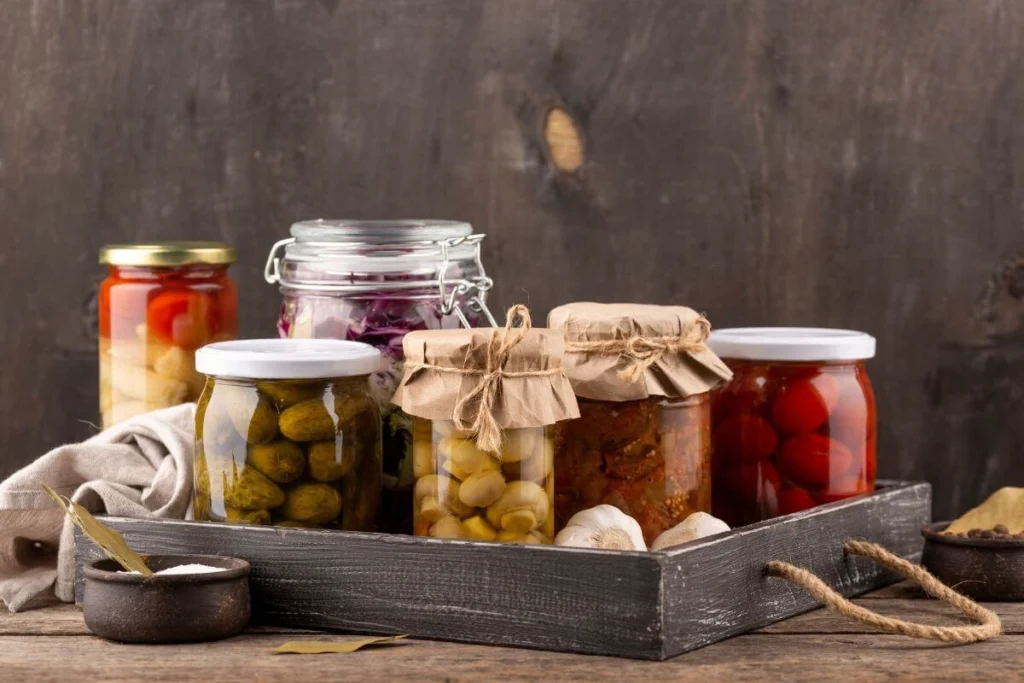
Starting a fermented foods business in Canada can be incredibly profitable, due to the growing demand for health-conscious options.
To enter this market successfully, first, identify which fermented foods you want to focus on. Popular choices include kombucha for its refreshing taste and health benefits, kimchi for its unique flavor, and yogurt for its widespread appeal. Creating unique flavors or specialty products can help you stand out from the competition.
5. Meal Kit Delivery
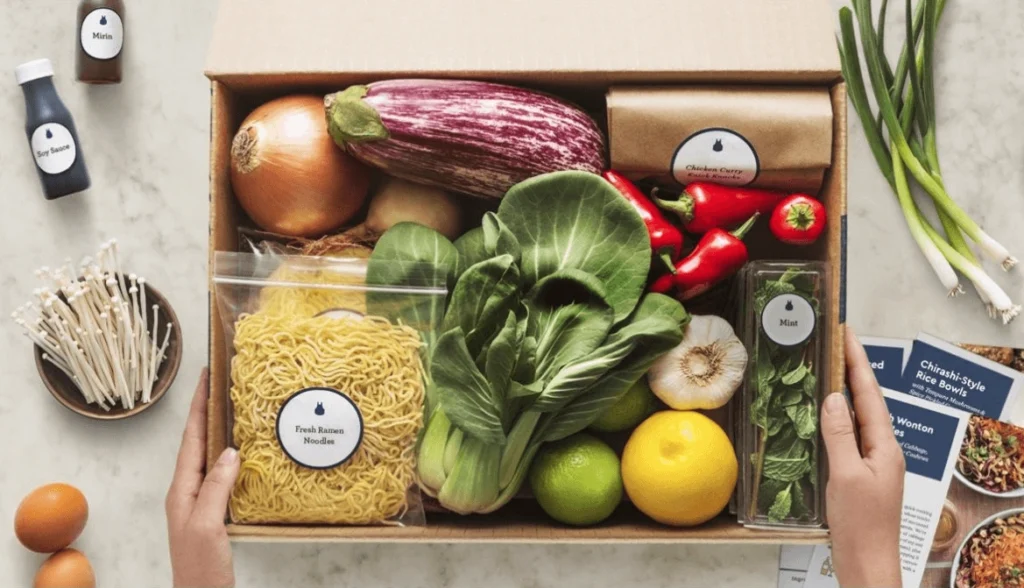
You can easily start this food business from home. Meal kit delivery services are perfect for busy Canadians who want home-cooked meals without the hassle of shopping or planning.
These services provide pre-measured ingredients and easy-to-follow recipes delivered straight to the customer’s door, making cooking convenient, fun, and stress-free.
The demand for meal kits is rising as more people look for healthier options, customizable meals, and time-saving solutions. Brands like HelloFresh and Goodfood have shown how profitable and scalable this model can be.
6. Bakery
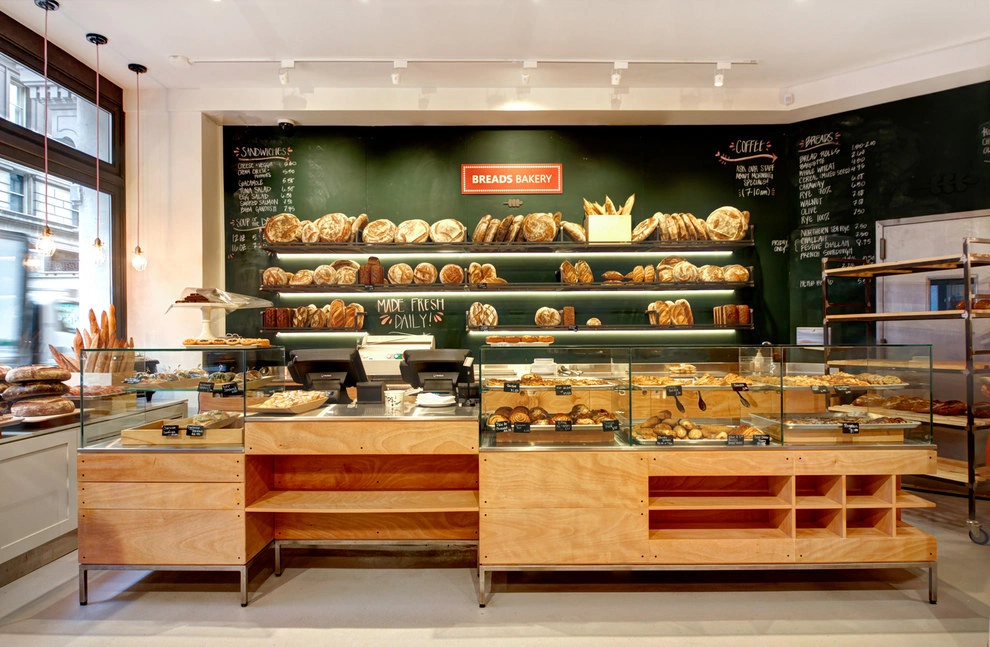
Bakeries are more than just a place to buy bread or pastries; they’re a chance to create a brand around flavor, quality, and creativity. Specialty or artisanal bakeries, offering items like sourdough, gluten-free, organic, or gourmet treats, are especially popular in Canada, where customers value handcrafted, high-quality products.
With the rise of online ordering and local delivery, even a small bakery can reach a wider audience and build a loyal customer base. By combining classic favorites with unique creations, you can attract both everyday buyers and those looking for Instagram-worthy treats.
7. Vegan or Plant-Based Quick Service Restaurant

Plant-based quick-service restaurants are growing fast in Canada. They serve healthy, tasty meals made entirely from plants, perfect for people who want fast and guilt-free food.
You can offer items like burgers, wraps, bowls, smoothies, or desserts that appeal to both vegans and anyone curious about plant-based eating. With lower ingredient costs and high demand, this type of restaurant can be very profitable.
8. Food Truck

Food trucks are a great way to start a food business in USA and Canada with lower costs than a full restaurant. You can bring your food directly to busy areas, events, and festivals, reaching more customers wherever they are.
From gourmet burgers and tacos to ethnic cuisines and fusion dishes, food trucks let you experiment with menus and trends. With flexibility, lower overhead, and growing popularity in Canada, a food truck can be a fun and profitable business.
9. Healthy Meal Prep Service
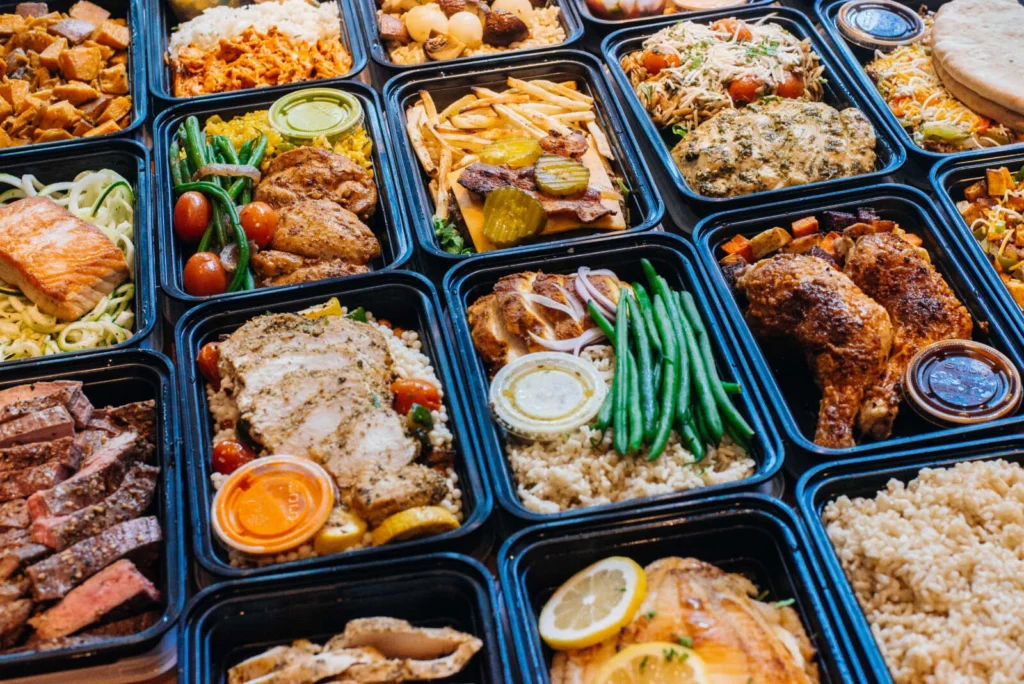
Healthy meal prep services are perfect for busy people who want nutritious, ready-to-eat meals without the hassle of cooking. You prepare balanced meals in advance and deliver them to customers’ doors, saving them time while helping them eat well.
This business works well in Canada because more people are focused on health, fitness, and convenience. With repeat customers and subscription options, a healthy meal prep service can be a profitable business idea.
10. Baby Food

Baby food businesses focus on providing nutritious, safe, and convenient meals for infants and toddlers. Parents are always looking for high-quality, organic, or allergen-free options, making this a trusted and in-demand market.
With options for ready-to-eat purees, snacks, or meal kits, you can cater to busy parents while building a loyal customer base. The combination of health-conscious parents and growing awareness about nutrition makes baby food a profitable business in Canada.
Regional Analysis: Best Provinces for Food Business Profitability
Look at the provinces in Canada where food businesses can make the most profit.
Ontario
Canada’s most populous province and a hub for food delivery and restaurants. Cities like Toronto and Ottawa have huge demand, making it ideal for almost any food business.
British Columbia
Known for its health-conscious and environmentally aware population, B.C. is perfect for vegan, organic, and specialty food businesses. Vancouver, in particular, is a hotspot for trendy and sustainable food concepts.
Alberta
Alberta’s growing suburbs and expanding cities create strong demand for convenient and diverse food options. Meal prep services, cloud kitchens, and food trucks can grow in this region.
Quebec
Quebec has a strong food culture, so the market is competitive. Unique concepts like ethnic foods, artisanal bakeries, or plant-based restaurants can do well if the food is high quality and marketed smartly.
Atlantic Provinces
These provinces offer opportunities with seafood, local ingredients, and regional specialties. The population is smaller, focusing on a loyal customer base can lead to steady profits.
How to Choose the Right Food Business in Canada?
Choosing the right food business in Canada involves several considerations. Here are some tips to help you make an informed decision.
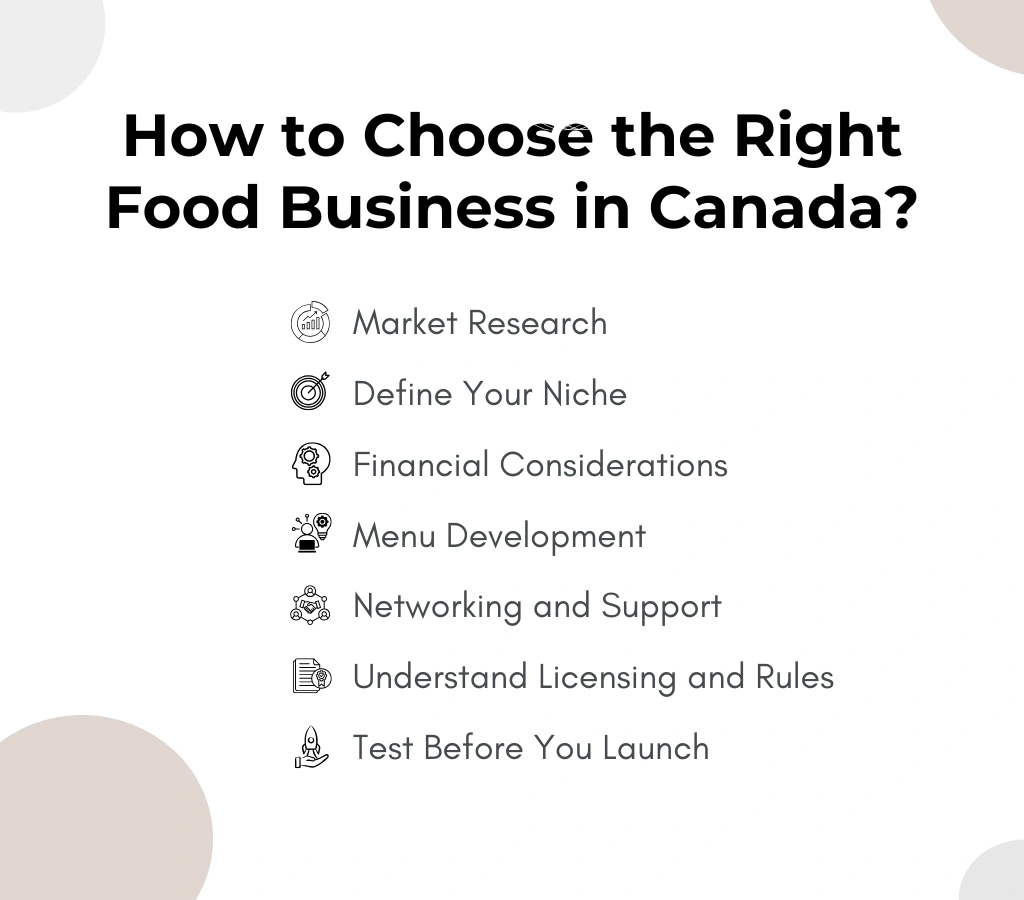
Market Research
Discover what’s hot right now, think plant-based delights and trendy superfoods. A little competition analysis can help you spot gaps to fill.
Define Your Niche
Find your culinary sweet spot! Whether it’s gourmet tacos or gluten-free treats, a focused niche sets you apart and keeps customers coming back for more.
Financial Considerations
Crunch the numbers before you whip up your concept. Assess startup costs and explore funding options to ensure your business is not just tasty but also financially sound.
Menu Development
Create a mouthwatering menu that reflects your brand. Experiment with recipes until they shine and source fresh ingredients to keep flavors vibrant.
Networking and Support
Connect with fellow foodies! Joining industry associations or finding a mentor can provide you with invaluable information and support on your journey.
Understand Licensing and Rules
Canada has strict food safety standards, kitchen requirements, and zoning regulations. Knowing these early helps you avoid costly delays. Make sure the business type you choose fits these requirements.
Test Before You Launch
Start small with pop-ups, farmers’ markets, or social media sales to gather real feedback. This helps you refine the menu, pricing, and branding before spending big on a full setup.
10 Common Mistakes to Avoid When Starting a Food Business
Starting a food business can be exciting yet challenging. Below are some common mistakes to avoid.
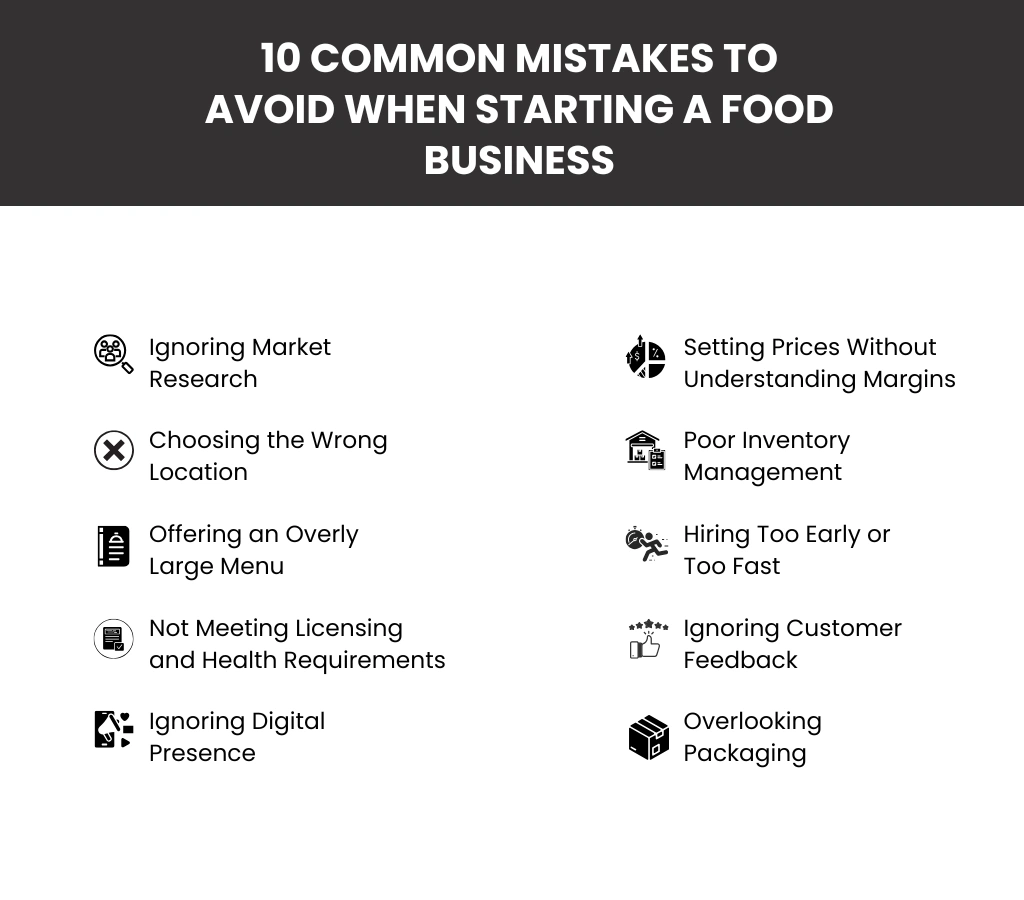
1. Ignoring Market Research
Many new owners launch based on personal preference instead of customer demand. Without understanding what your local audience wants, even great food can struggle. Research trends, competitors, and gaps before investing.
2. Choosing the Wrong Location
A poor location can kill your business faster than a bad menu. High rent, limited foot traffic, or being too far from your target audience can drain profits. Always analyze nearby businesses, customer flow, and accessibility.
3. Offering an Overly Large Menu
New entrepreneurs often try to please everyone with a huge menu. This increases food waste, slows operations, and complicates training. Start with a focused menu that highlights your strengths and ensures consistent quality.
4. Not Meeting Licensing and Health Requirements
Canada has strict regulations for food safety, kitchen operations, and hygiene. Missing permits or failing inspections can delay opening or lead to shutdowns. Stay compliant and understand local health guidelines from the start.
5. Ignoring Digital Presence
In today’s market, having no online presence is a huge disadvantage. Customers rely on Google Maps, Instagram, and delivery apps to discover new places. Weak digital marketing can limit visibility and reduce sales.
6. Setting Prices Without Understanding Margins
Many businesses price based on competitors instead of actual costs. Without calculating ingredient, labour, and packaging expenses, you risk selling at low margins or even a loss. Price smart to protect profitability.
7. Poor Inventory Management
Inconsistent tracking leads to food waste, shortages, and unnecessary spending. Effective inventory management helps maintain freshness, control costs, and ensure smooth operations.
8. Hiring Too Early or Too Fast
Overstaffing increases payroll costs, while hiring inexperienced employees leads to operational mistakes. Begin with a small, dependable team, and expand gradually as demand and customer traffic increase.
9. Ignoring Customer Feedback
Your customers are your best source of improvement. Many businesses fail by ignoring reviews, complaints, or suggestions. Use feedback to refine your menu, service, and overall experience.
10. Overlooking Packaging
Poor packaging can harm both the quality of your product and your overall brand perception. Customers often associate the quality of food with its packaging. If the packaging is unattractive or non-functional, it can create a negative impression.
FAQs
1. Which food franchise is most profitable in Canada?
Tim Hortons is often cited as the most profitable food franchise in Canada, known for its extensive coffee and quick-service offerings. McDonald’s also ranks high due to its widespread presence and strong brand recognition.
2. What type of food business makes the most money?
The types of food businesses that make the most money include:
- Fast food restaurants
- Casual dining chains
- Food trucks
- Catering services
- Meal kit delivery services
3. What is the cheapest food business to start?
Home-based food businesses like baking, making preserved goods, and selling packaged snacks are cost-effective options.
Supercharge your deliveries with Enatega.
Register NowConclusion
Canada’s food industry is full of opportunities, from cloud kitchens and meal kits to artisanal bakeries and plant-based restaurants. The key to profitability isn’t just the type of food you serve; it’s understanding your market, keeping costs low, and delivering what customers truly want.
You aim to launch a trendy food truck in Alberta, a healthy meal prep service in Ontario, or a specialty bakery in Quebec. The most successful food businesses are those that combine quality, convenience, and innovation.
With the right strategy, passion, and dedication, your food business in Canada can not only grow but also become a standout success in a growing market.
If you want to take your food business digital, partner with a development company like Enatega. Our experts will help you create a custom app designed specifically for your needs.
Book a free demo today and start building your app with us!
About the author

Hudaibia Khalid is a senior content writer with several years of experience in creating clear and easy-to-understand content. Over the years, she has worked closely with startups, restaurants, and entrepreneurs, helping them simplify complex digital and technical topics into actionable insights.
Her expertise lies in writing about on-demand platforms, food delivery solutions, and business growth strategies in a way that is accessible even to non-technical readers. With her experience in the industry, she focuses on guiding businesses step by step, from understanding ideas to turning them into fully working solutions.
SHARE






 IOS
IOS Android
 Web
Web