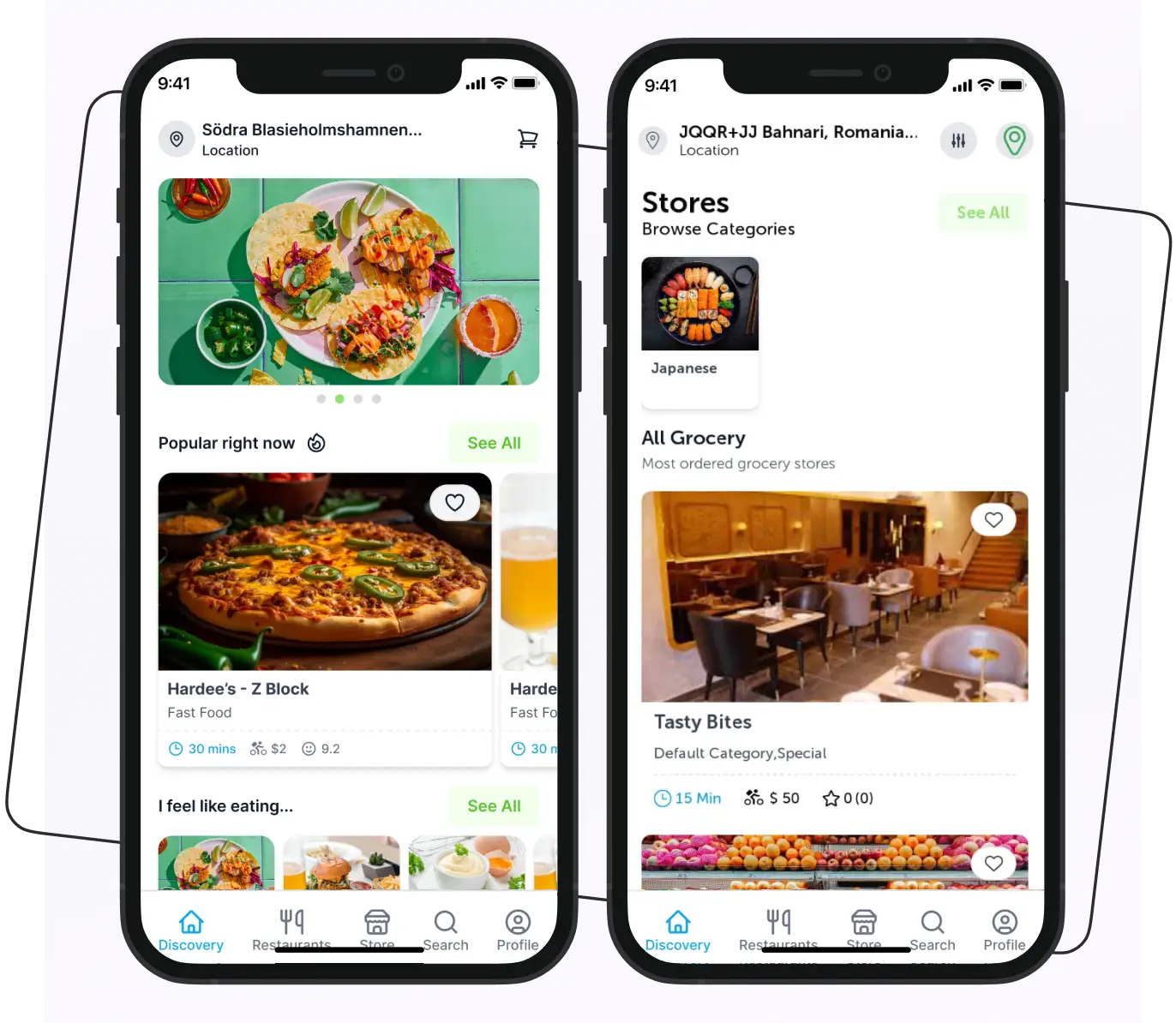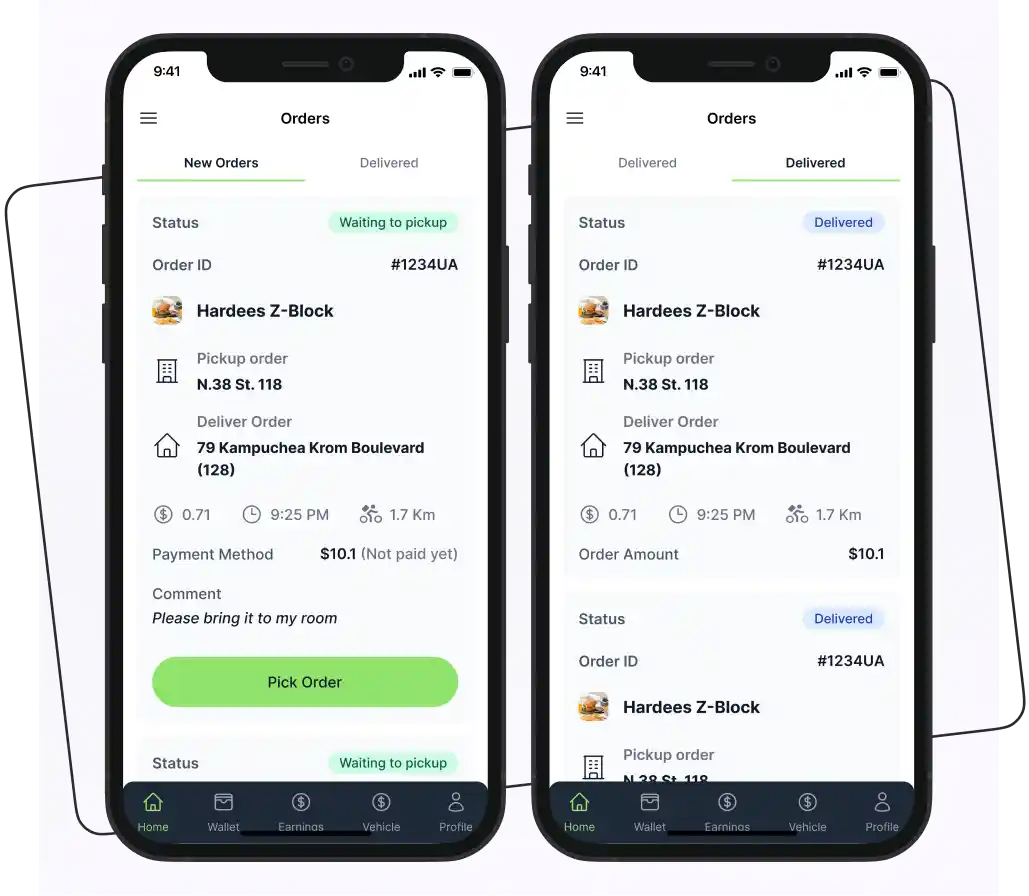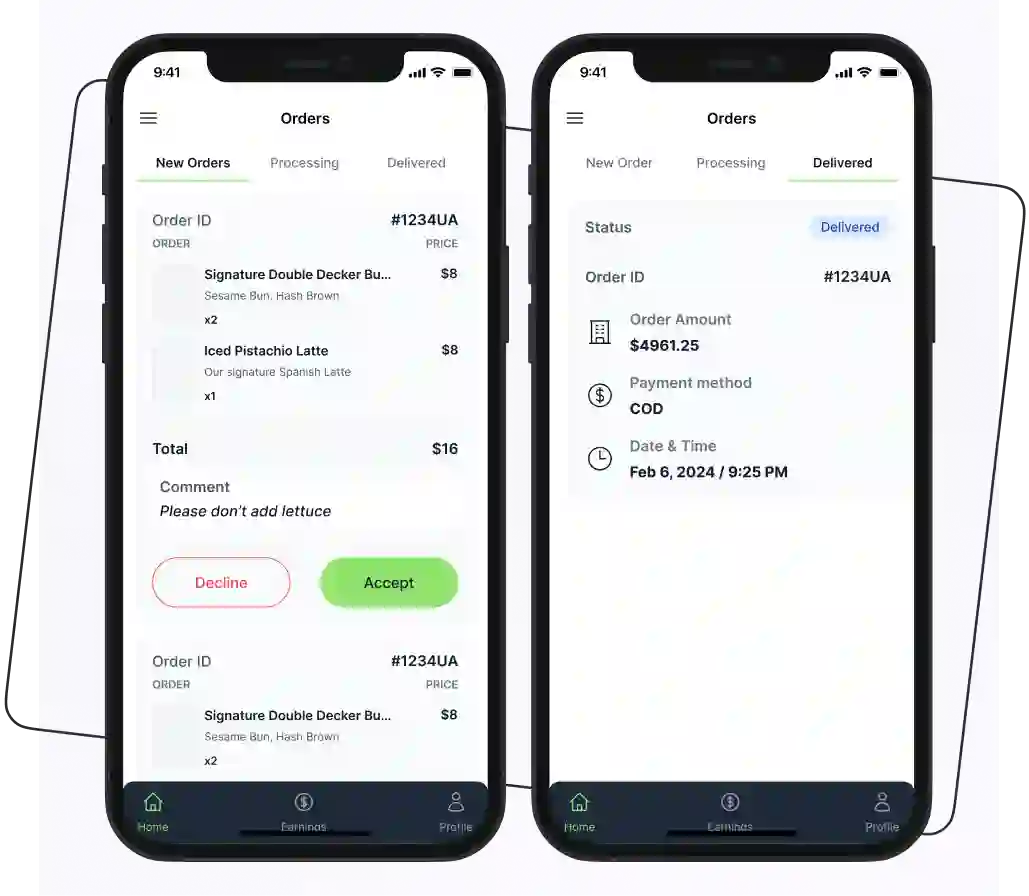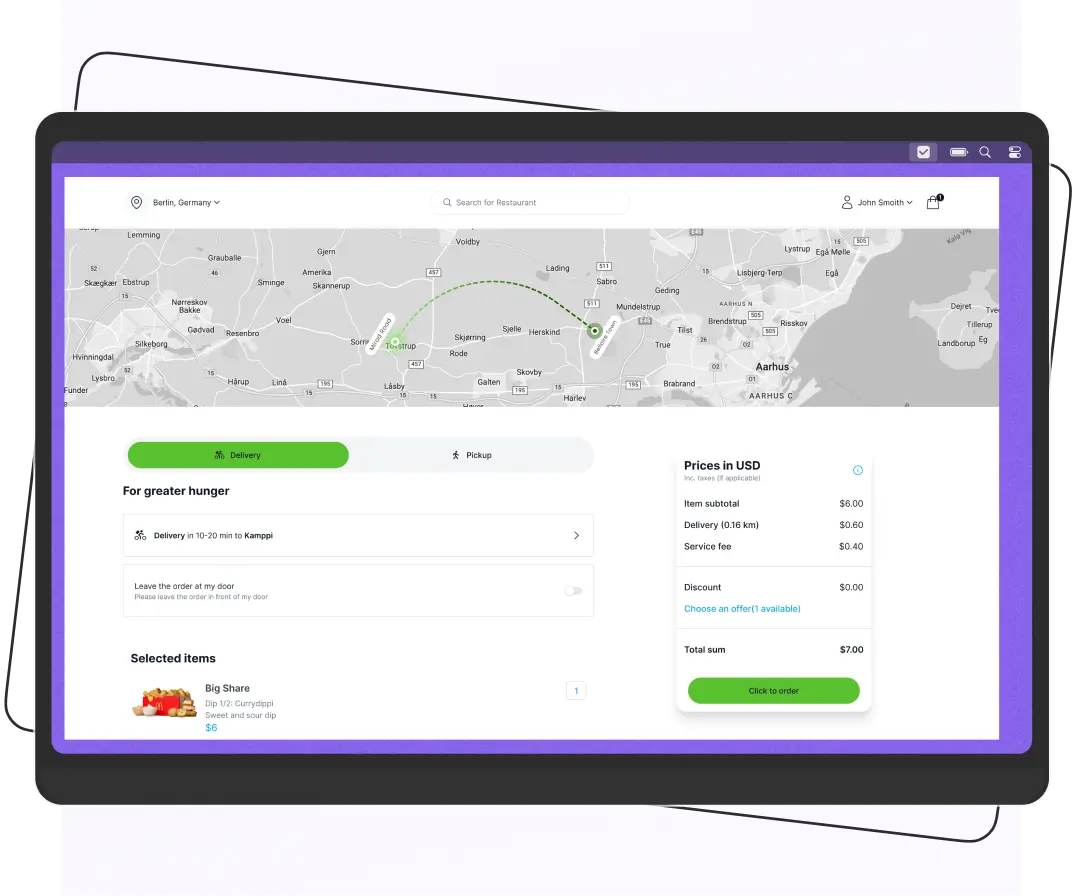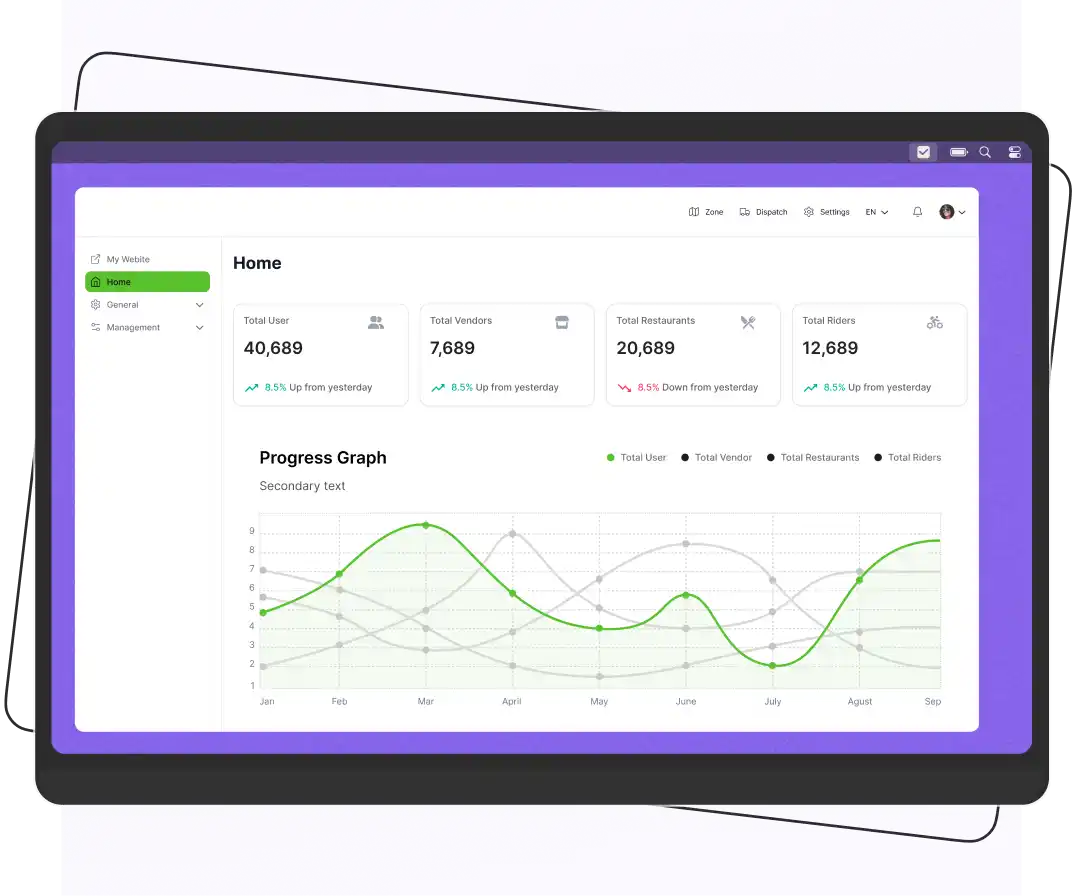



A Careem clone is a ready-to-launch, white-label mobile application that replicates the multi-service “super app” model of the popular Middle Eastern platform Careem. The clone scripts allow entrepreneurs to quickly and cost-effectively launch on-demand businesses without coding from scratch.
Every minute you wait, someone else is launching the next big ride-hailing app.
The on-demand economy isn’t slowing down; it’s growing. Customers want rides at their fingertips, easy payments, and a great app experience. And the businesses delivering that? They’re capturing a share of a $100B+ market that’s only getting bigger.
But you don’t need to build everything from the ground up to compete. With the Careem clone script, you get a launch-ready platform. c
So, let’s explore the Careem clone app, its features for your food delivery app development, the cost to build, and more.
What is Careem?
Careem started in 2012 in Dubai as a simple ride-hailing service but has since transformed into one of the region’s leading super apps. By 2025, it will have grown to over 50 million registered users across the Middle East, Pakistan, Egypt, Jordan, and other markets.
It is expanding far beyond transportation into food delivery, grocery services, digital payments through Careem Pay, parcel delivery, and even bus bookings.
Its rapid growth and dominance led to its $3.1 billion acquisition by Uber in 2019, the largest tech deal in the region’s history.
Supercharge your deliveries with Enatega.
Register NowWhat is a Careem Clone App?
A Careem clone app is a ready-made or custom-built ride-hailing and multi-service platform modeled on Careem’s proven super app framework. Instead of building everything from scratch, businesses can use a Careem clone to launch their own platform quickly.
It includes a passenger app, a driver (captain) app, and an admin dashboard that saves time, reduces costs, and cuts development effort.
According to GrandView Research, the global ride-hailing services market is expected to reach USD 55.07 billion in 2026.
Why 2026 is the Right Time to Launch a Careem Clone?
Now is a great time to start a Careem clone app business, especially in regions like MENA and South Asia. The market is growing fast, and user demand is higher than ever.
Here are some reasons that show why this is the right time.
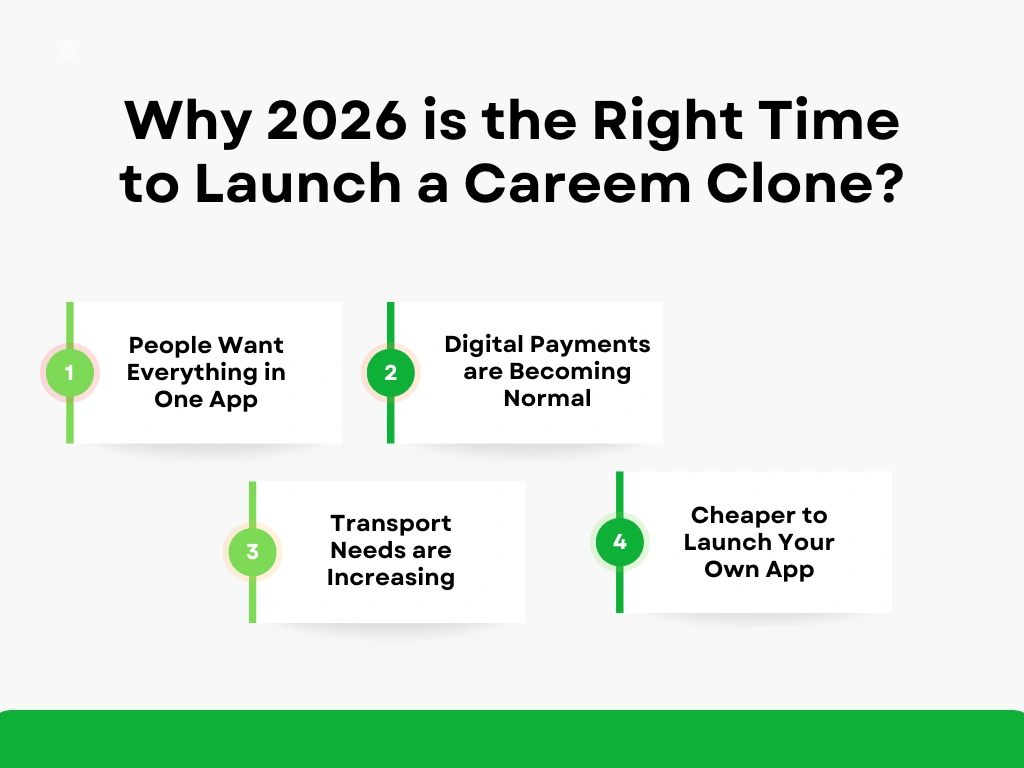
People Want Everything in One App
Today’s users prefer convenience over complexity. Instead of downloading multiple apps for transport, food delivery, payments, and logistics, they want a single platform that handles everything in one place.
This shift in behavior is the main reason super apps like Careem became so successful. However, demand is still growing, and many local markets are not fully served yet.
This creates a strong opportunity for new businesses to launch their own Careem-like app and capture users who are still looking for better solutions.
Digital Payments are Becoming Normal
Cashless transactions are no longer optional; they are becoming the default in many countries. With the rapid rise of mobile wallets, debit/credit cards, and in-app payment systems, users are now more comfortable paying digitally than ever before.
In regions like the UAE, Saudi Arabia, and Pakistan, this shift is especially strong and continues to grow every year. For ride-hailing businesses, this is important because it ensures faster transactions and better trust between customers and drivers.
Transport Needs are Increasing
Urban populations in countries like Pakistan, Egypt, Saudi Arabia, and other developing regions are increasing rapidly. As cities expand, more people rely on daily transportation for work, education, and personal travel.
This growing urban lifestyle creates constant demand for affordable and reliable ride services. At the same time, traffic congestion and limited public transport options make ride-hailing apps even more valuable.
Cheaper to Launch Your Own App
In the past, building a ride-hailing platform like Careem required huge investment, long development cycles, and large technical teams. Today, that barrier has significantly reduced due to ready-made Careem clone scripts.
These solutions allow entrepreneurs to launch a fully functional app in a short time without building everything from scratch. This not only reduces development costs but also helps businesses test their idea quickly and enter the market faster.
Must-Have Features for a Careem Clone App
A successful Careem clone software is not just a single application; it is a complete system built around three core components:
- The passenger app
- The driver (captain) app
- Admin panel
Passenger App Features
| Features | Description |
| Real-Time GPS Tracking | Passengers can track their ride in real time with live location updates and a clear route view on an interactive map. This builds trust and improves transparency throughout the journey. |
| Multi-Payment Options | A modern ride-hailing app must support multiple payment methods, including cash, debit/credit cards, digital wallets, and regional payment gateways. Integration with Apple Pay and Google Pay further improves convenience and conversion rates. |
| Ratings and Reviews System | A two-way rating system allows both passengers and drivers to rate each other after every trip. This helps maintain service quality and platform trust. |
| Multiple Ride Categories | Users should be able to choose from different ride types such as economy, business, carpool, scheduled rides, or women-only options, depending on their needs and budget. |
| Push Notifications | Real-time notifications keep users updated about booking confirmations, driver arrival, trip status, and payment receipts. |
| Safety Features | Safety is a top priority. Features like an SOS button, live trip sharing with trusted contacts, and emergency alerts help passengers feel secure during every ride. |
Driver (Captain) App Features
| Feature | Description |
| Earnings Dashboard | Drivers can easily track their daily, weekly, and monthly earnings, with clear separation of cash and digital payments for better financial transparency. |
| Smart Navigation System | Integrated navigation tools like Google Maps provide optimized routes for faster trip completion. |
| Ride Accept/Decline Control | Drivers receive ride requests with passenger details, distance, and fare estimates, allowing them to accept or decline with a single tap. |
| Document Management System | Drivers can upload and manage essential documents such as licenses, vehicle registration, and insurance directly within the app for quick verification. |
Admin Panel Features
| Feature | Description |
| Real-Time Trip Monitoring | The admin can track all ongoing rides in real time, including driver location, trip status, estimated arrival time, and ride progress. |
| User and Driver Management | Admin has full control over passenger and driver accounts, including approvals, verification, suspensions, and profile updates. |
| Fare and Commission Control | The system allows admins to define and manage fare structures. This flexibility helps optimize profitability while staying competitive in the market. |
| Surge Pricing Management | Admin can automatically or manually adjust ride fares during high-demand periods such as rush hours, holidays, or special events. |
| Promo Code System | The admin can create and manage discount codes, referral bonuses, and promotional campaigns to attract new users and retain existing customers. |
| Analytics and Reports | Detailed dashboards provide insights. These reports help in making data-driven business decisions and improving overall platform performance. |
| Dispute Resolution | Admin can manage and resolve conflicts between drivers and passengers, such as fare disputes, trip complaints, or service issues. |
| Zone Management | The platform allows admins to define specific service areas or zones where rides are available. |
Revenue Model – How Does a Careem Clone Make Money?
Careem’s revenue system is powerful because it doesn’t depend on just one source of income. Instead, it earns from multiple streams, making the business more stable and scalable.
The good part is that this same model can be replicated when building your own Careem clone app from day one.
Below are some revenue stream models.
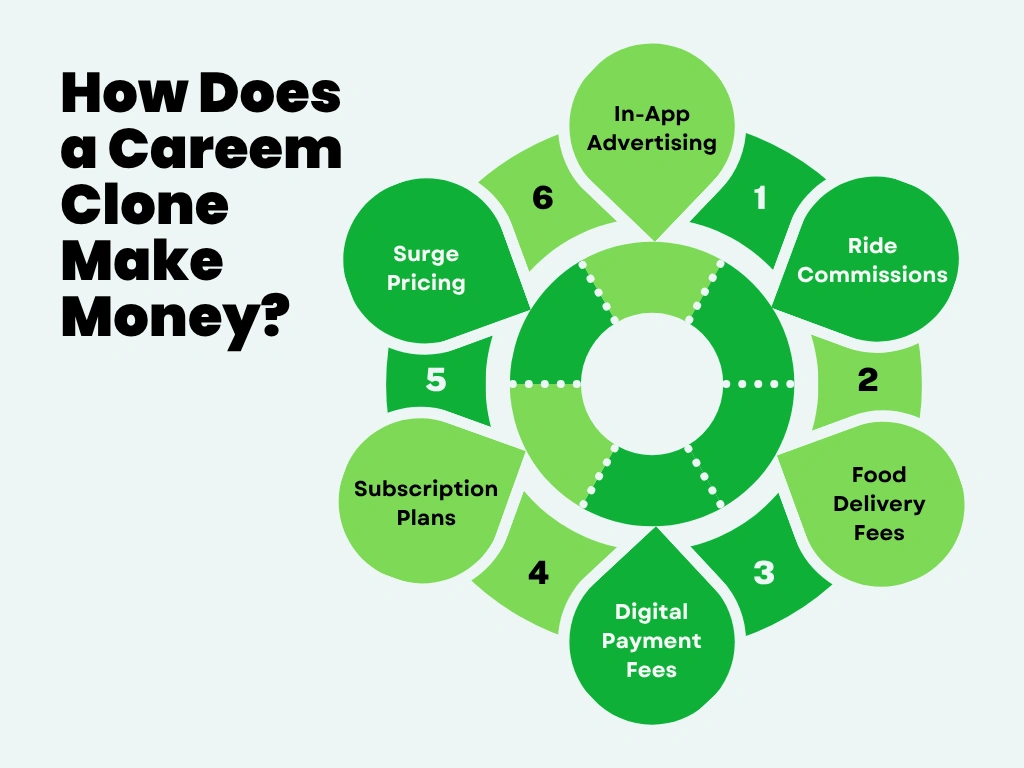
Ride Commissions
The primary revenue source comes from charging drivers a commission on every completed ride, usually around 20%. Every time a passenger books a ride, the platform takes a small percentage from the fare.
Moreover, ride bookings happen daily, and in high volume, this becomes the most consistent and predictable income stream for the business.
Food Delivery Fees
Beyond ride-hailing, platforms can expand into food delivery by partnering with restaurants. Revenue is generated through restaurant listing fees, delivery charges paid by customers, and commissions on each order.
Over time, this can be expanded further into grocery delivery and pharmacy services, increasing the platform’s overall reach.
Digital Payment Fees
With integrated wallet systems like Careem Pay, platforms can earn small fees from digital transactions. This includes wallet top-ups, peer-to-peer transfers, and bill payments.
As more users shift toward cashless payments, this revenue stream becomes increasingly valuable.
Subscription Plans
This revenue method creates a steady, recurring income. Subscription models like Careem+ offer users monthly memberships that include benefits such as:
- Discounted rides
- Free delivery offers
- Priority customer support
Surge Pricing
During peak hours, holidays, bad weather, or high-demand situations, ride prices automatically increase. This dynamic pricing model not only balances supply and demand but also generates higher revenue during busy periods.
In-App Advertising
Once the platform has a strong user base, it can monetize attention through advertising. Local businesses and brands can pay for banner ads, sponsored listings, and featured placements within the app. This turns the platform into a high-value marketing channel.
How to Build a Careem Clone App – Step-by-Step Process
Below are some steps to help you build the Careem app clone.
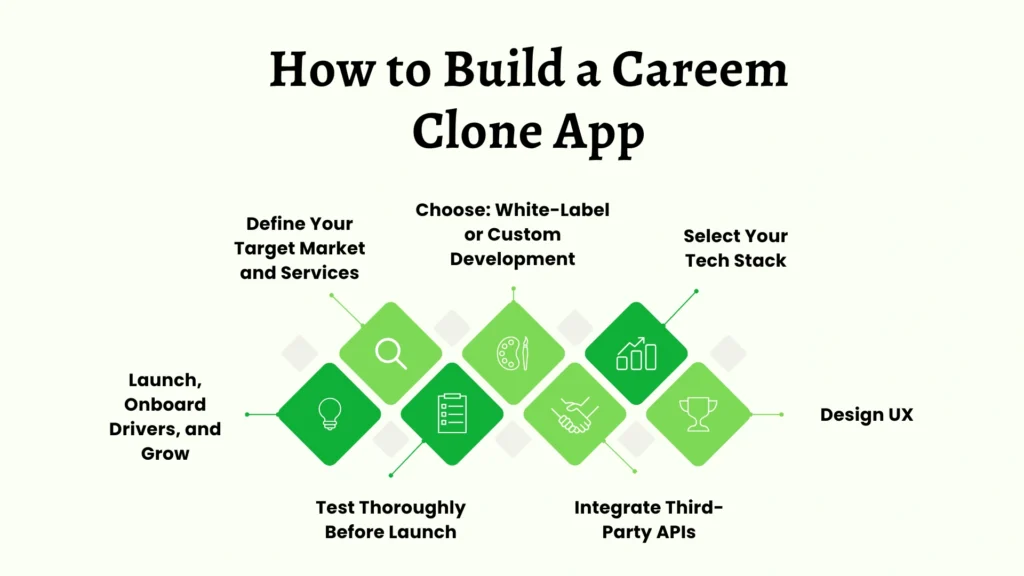
1. Define Your Target Market and Services
Start by clearly deciding where you want to launch your app, whether it’s a single city or a wider region. Then define what services you will offer in the beginning, such as ride-hailing only or a combination of rides and food delivery.
It’s always better to start with a simple MVP (Minimum Viable Product) because it reduces development cost and helps you test real market demand before scaling.
2. Choose: White-Label or Custom Development
Next, decide how you want to build your platform. A white-label Careem clone script is the fastest option, allowing you to launch within 2-4 weeks at a lower cost.
On the other hand, custom development takes longer, around 4-9 months. but gives you full control.
3. Select Your Tech Stack
Choosing the right technology stack is necessary. Most modern ride-hailing apps use React Native or Flutter for cross-platform mobile development.
For the backend, Node.js or Python are popular choices. You’ll also need a reliable database, mapping APIs for navigation, and secure payment gateways based on your target region to ensure smooth operations.
4. Design UX
User experience should match the habits and preferences of your target audience. For regions like MENA and South Asia, this means supporting Arabic (RTL layout), Urdu, and other local languages.
It’s also important to include both cash and digital payment options, as many users still rely on cash.
5. Integrate Third-Party APIs
To make your app fully functional, you’ll need to integrate essential third-party services. These include
- Google Maps for navigation
- Twilio for SMS and OTP verification
- Stripe or regional gateways for payments
- Firebase for push notifications
- Tools like Mixpanel or Amplitude for analytics and user behavior tracking
6. Test Thoroughly Before Launch
Before going live, testing is essential. This includes unit testing, integration testing, and a closed beta launch with real drivers and passengers.
You should also test real-world scenarios such as weak internet connections, GPS inaccuracies, payment failures, and peak-hour load to ensure your app performs reliably under all conditions.
7. Launch, Onboard Drivers, and Grow
Once everything is ready, focus on launching in one city and aggressively onboarding drivers. Early supply is important for success.
Offer incentives like bonuses, referral rewards, and promo codes to attract both drivers and riders. At the same time, use local marketing channels, social media campaigns, and partnerships to build strong initial traction and grow your user base quickly.
Recommended Tech Stack for Your Careem Clone
Mobile Apps (iOS & Android)
| Technology | Purpose |
| React Native | Cross-platform mobile app development for faster launch |
| Flutter | High-performance UI with native-like experience |
| Swift | Native iOS application development |
| Kotlin | Native Android application development |
Backend and API
| Technology | Purpose |
| Node.js | Scalable backend for real-time ride-hailing systems |
| Python (Django / FastAPI) | Secure and robust backend frameworks |
| GraphQL | Efficient and flexible data fetching |
| REST APIs | Standard communication between the frontend and the backend |
| WebSockets | Real-time communication for ride tracking and updates |
Database and Storage
| Technology | Purpose |
| PostgreSQL | Structured relational database for core platform data |
| MongoDB | Flexible NoSQL database for dynamic data handling |
| Redis | High-speed caching for real-time performance |
| AWS S3 | Secure storage for images, documents, and media files |
Cloud and Infrastructure
| Technology | Purpose |
| AWS | Primary cloud hosting and scalable infrastructure |
| Google Cloud | Alternative cloud hosting and services |
| Docker | Containerization for consistent deployment |
| Kubernetes | Container orchestration and scaling |
Maps, Payments & Notifications
| Technology | Purpose |
| Google Maps API | Navigation and live tracking |
| Stripe | Global payment processing |
| Twilio | SMS and OTP verification |
| Firebase | Push notifications and real-time messaging |
Careem Clone App Development Cost
The cost of building a Careem clone app depends on your development approach, feature complexity, and the location of your development team.
The table below shows the estimated cost of comparing white-label solutions vs custom development.
| Component | White-Label | Custom Build | Complexity |
| Passenger App (iOS + Android) | Included | $12,000 – $40,000 | Medium |
| Driver / Captain App | Included | $10,000 – $30,000 | Medium |
| Admin Dashboard | Included | $8,000 – $20,000 | Low–Medium |
| Backend / APIs | Included | $15,000 – $50,000 | High |
| UI/UX Design | $500 – $2,000 (branding) | $5,000 – $15,000 | Medium |
| QA & Testing | Minimal | $5,000 – $15,000 | Medium |
| Third-Party Integrations | $1,000 – $3,000/yr | $3,000 – $10,000 | Medium |
| Total Estimate | $10,000 – $25,000 | $60,000 – $200,000 | — |
Ongoing Costs
In addition to development, there are recurring operational expenses that should be considered before launching.
These include:
- Server hosting
- Cloud infrastructure
- API subscriptions (maps, SMS, payments)
- Maintenance
- Customer support.
On average, these costs account for around 15%–20% of the initial development cost per year, depending on scale and usage.
Tips to Make Your Careem Clone Succeed
Here are some tips to help you make your Careem app clone succeed.
1. Start with One City, One Service
Careem didn’t become a super app overnight; it started small with ride-hailing in Dubai. The same strategy applies today.
Instead of launching multiple services in multiple cities at once, focus on one strong market and one core service first.
2. Prioritize Driver Supply Before Demand
One of the biggest reasons ride-hailing startups fail is launching without enough drivers. If passengers open the app and don’t find available rides, they won’t return. That’s why driver onboarding must come first.
Build strong incentives, such as bonuses, guaranteed earnings, or referral rewards, to attract early drivers.
3. Make Safety a Core Feature, Not an Add-On
Safety is one of the most important factors in ride-hailing adoption, especially for families and female passengers. When users feel safe, they are more likely to trust and repeatedly use your platform, which directly impacts growth and retention.
4. Use Surge Pricing from Day One
Dynamic pricing is essential for balancing supply and demand in real time. During peak hours or high-demand events, surge pricing helps ensure that rides are still available while also increasing driver earnings.
FAQs
A Careem clone is made for markets like MENA and South Asia. It supports features like Arabic language, cash payments, and local wallets. It is also built as a super app, so it can include food delivery, payments, and more. Uber clones are usually more general and focused on Western markets.
Yes. White-label Careem clone apps are ready-made, so you don’t need great technical skills. You mainly handle branding and business setup. But you may still need technical help for updates and support later.
A white-label app can be launched in 2-4 weeks. A custom-built app takes around 4-9 months because everything is built from scratch.
Not always. You can include multiple services in one super app, just like Careem. But some businesses start with ride-hailing first and add other services later when they grow.
Supercharge your deliveries with Enatega.
Register NowConclusion
The ride-hailing market is still growing fast, especially in South Asia, the Middle East, Europe, and Africa. There is still a big opportunity for new businesses to enter and succeed.
A Careem clone gives you a ready starting point. It helps you launch your own ride-hailing platform without building everything from scratch. You can start small and grow step by step.
But success doesn’t depend only on the app; it depends on how well you understand your users. Things like local language, payment methods, safety, and daily travel needs matter a lot.
In the end, the opportunity is big, but the winners will be the ones who start smart and grow slowly in the right way.
For businesses looking to move faster, you can also consult Enatega for a ready ride-sharing solution like Careem. Enatega has already built advanced platforms such as the Lumi super app.
So, why wait? Register now.
About the author

Hudaibia Khalid is a senior content writer with several years of experience in creating clear and easy-to-understand content. Over the years, she has worked closely with startups, restaurants, and entrepreneurs, helping them simplify complex digital and technical topics into actionable insights.
Her expertise lies in writing about on-demand platforms, food delivery solutions, and business growth strategies in a way that is accessible even to non-technical readers. With her experience in the industry, she focuses on guiding businesses step by step, from understanding ideas to turning them into fully working solutions.
SHARE






 IOS
IOS Android
 Web
Web