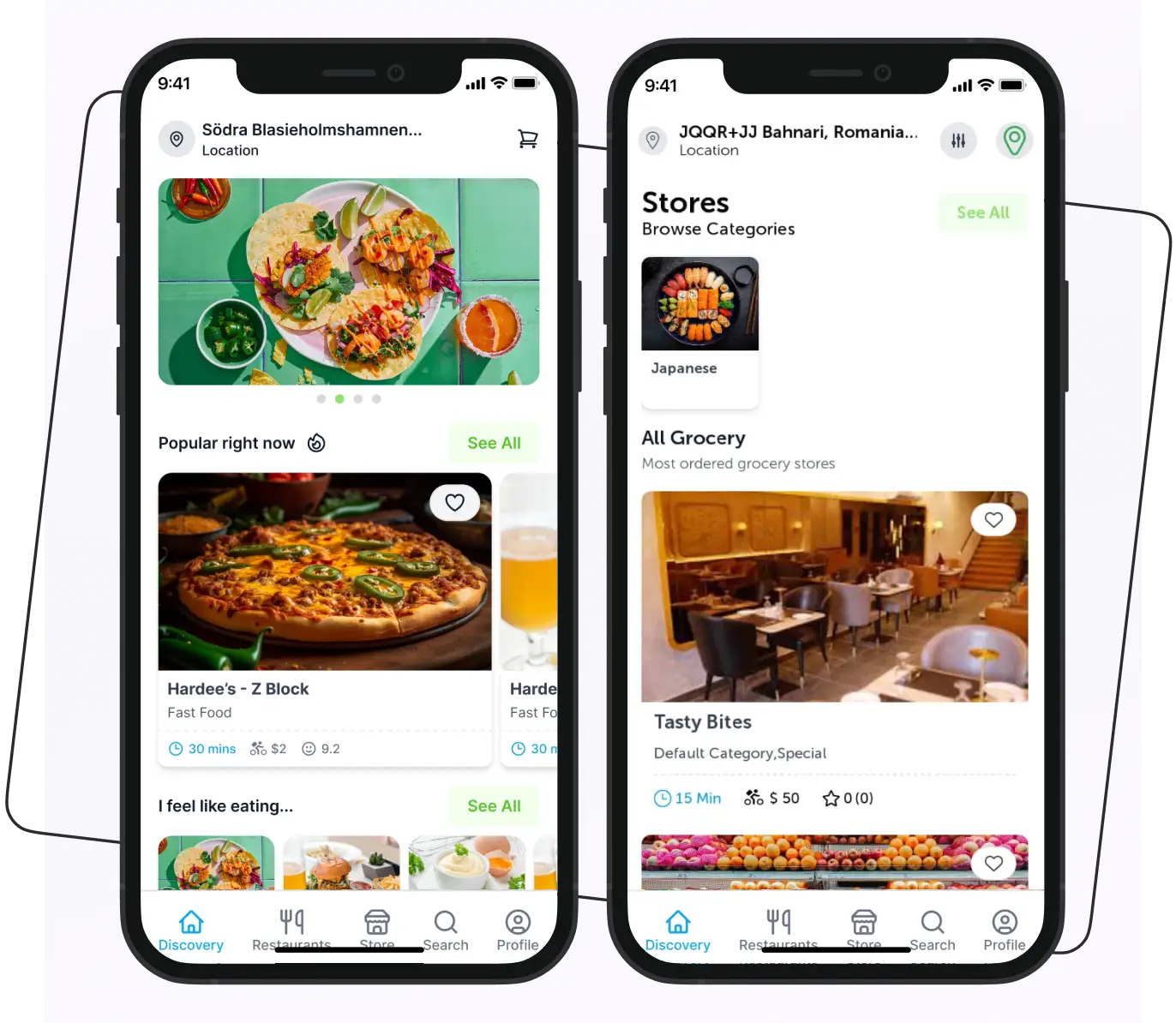
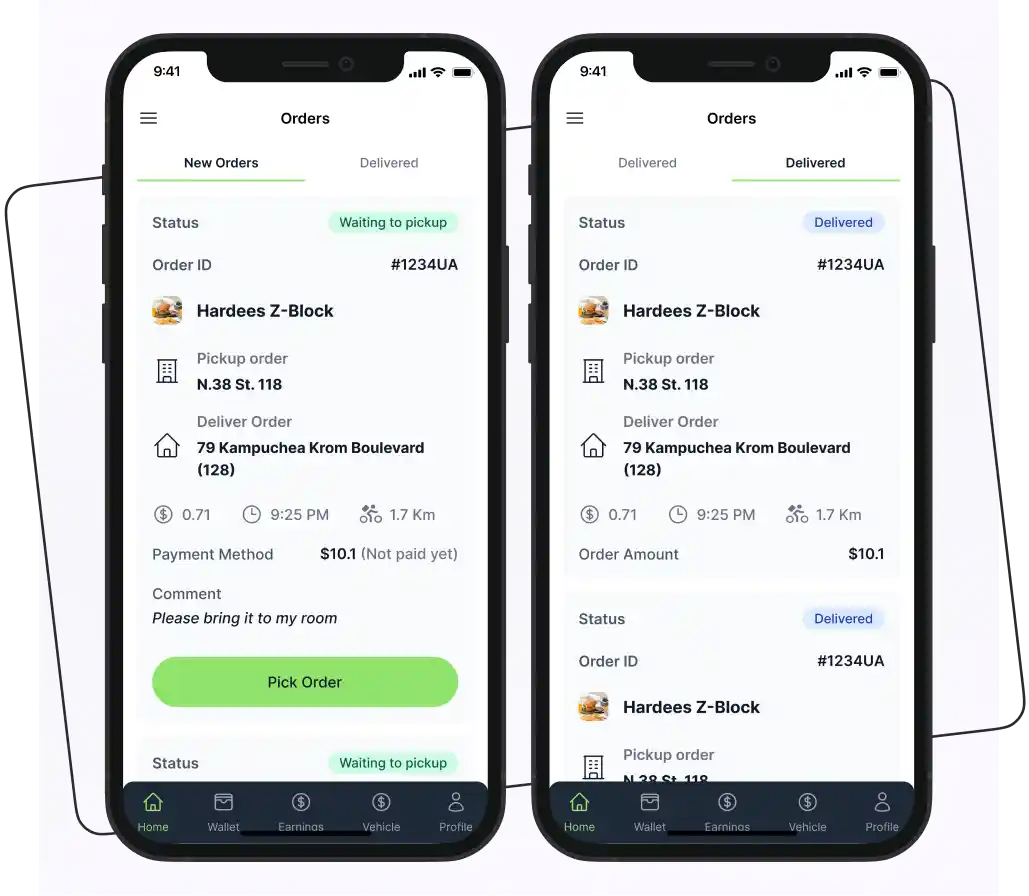
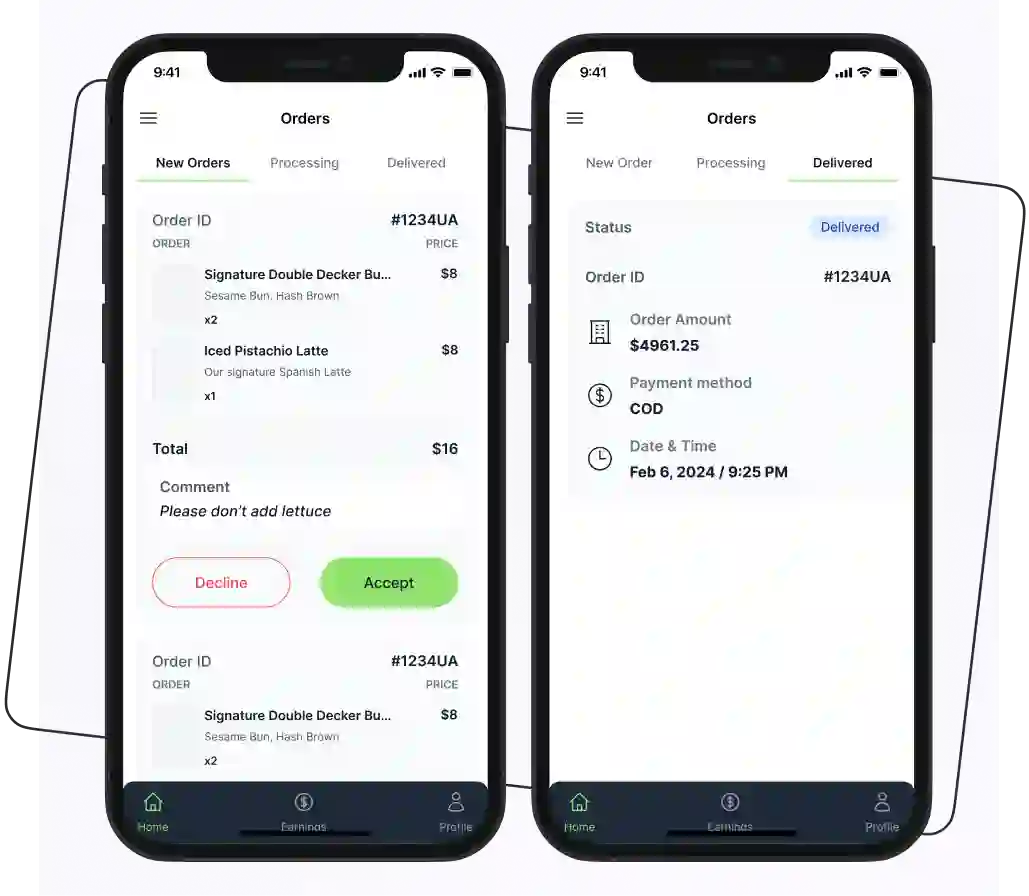
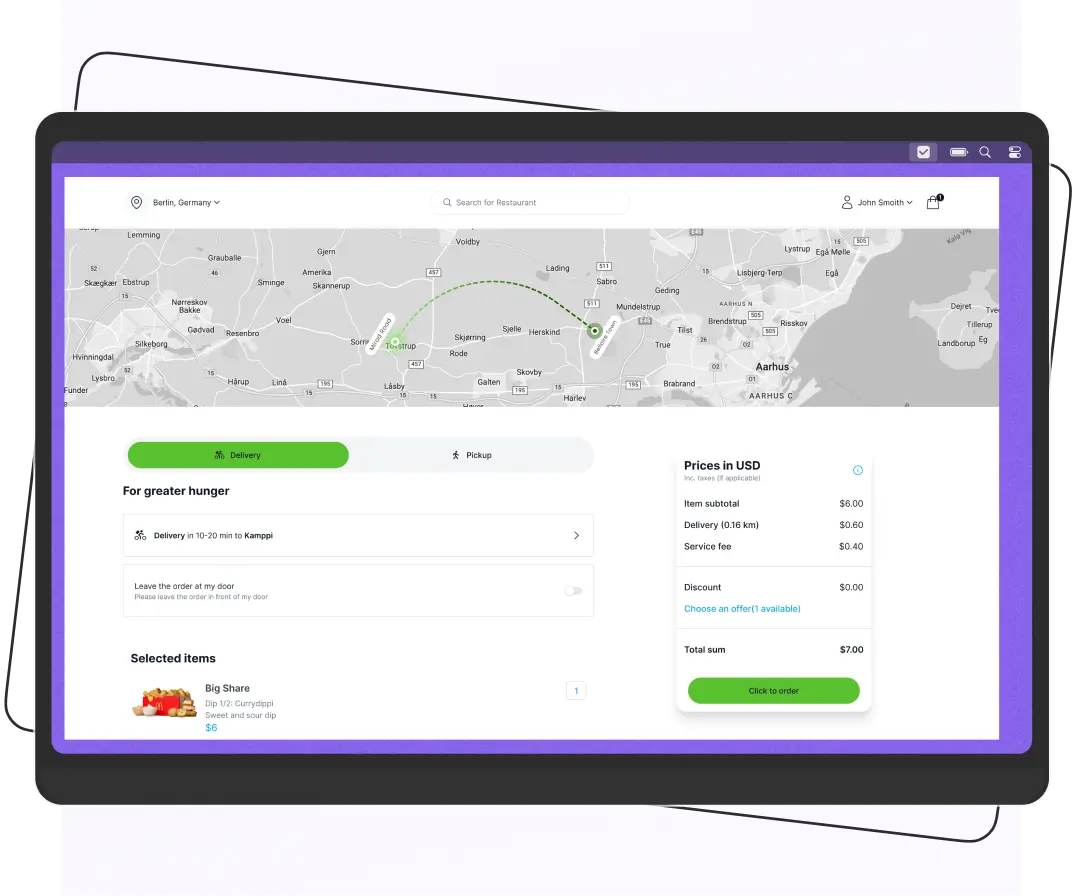
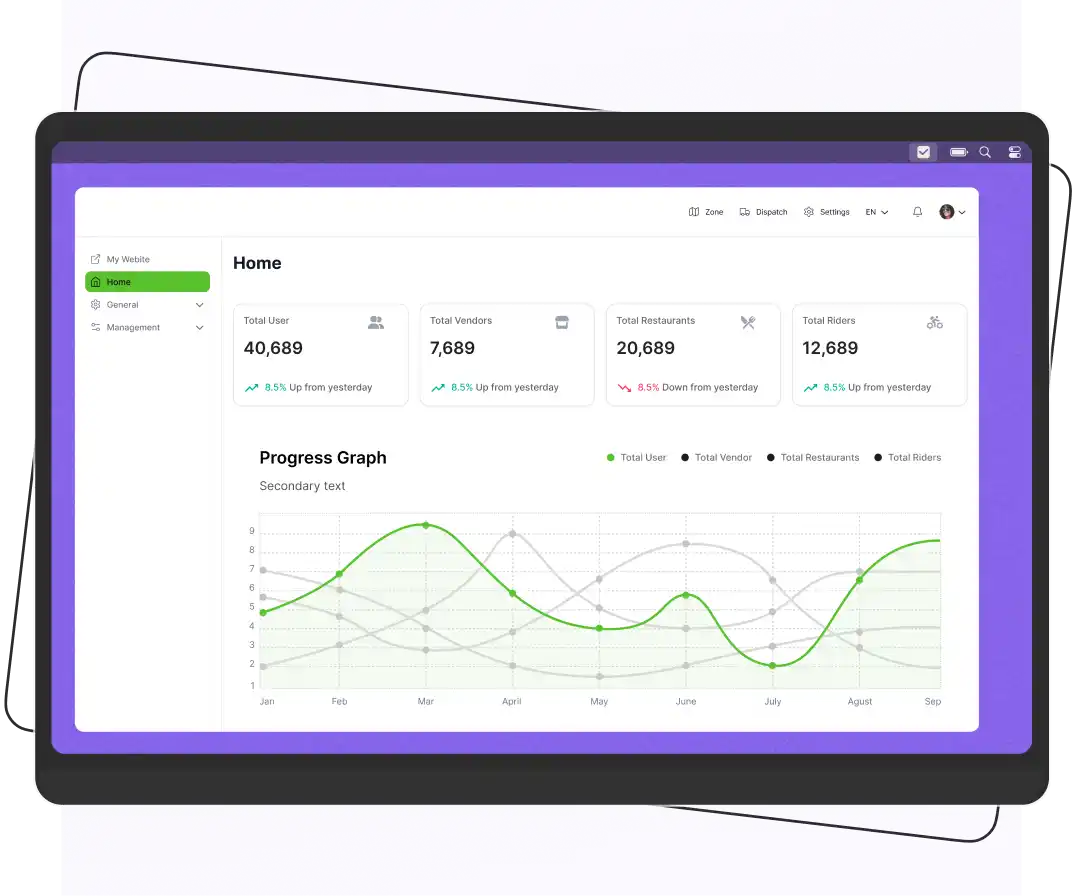
Get Backend API for Online Food Delivery Management System Android Studio
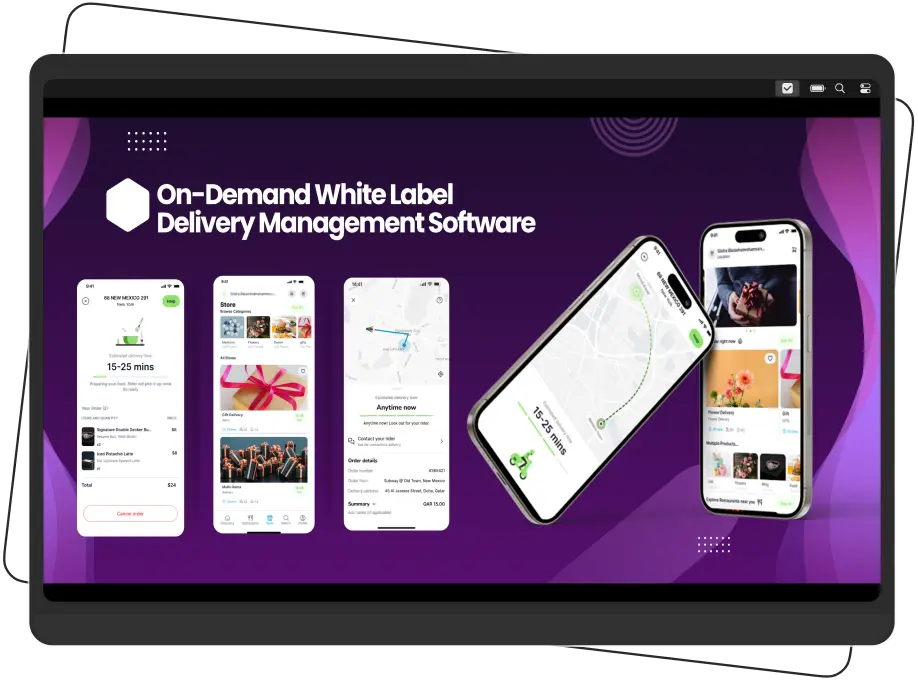
Download and customize the online food delivery management system android studio frontend instantly. The backend API is licensed separately—connect with our team to activate it. Guides and demos are available.



Frequently Asked Questions
To build an efficient food delivery management app, follow these steps: Choose the Tech Stack: Use Node.js or PHP for backend, React Native or Flutter for cross-platform mobile apps, and MySQL/PostgreSQL for the database. Design a User-Friendly UI: Ensure easy navigation for customers, delivery personnel, and restaurant managers. Implement Core Features: Menu browsing, order placement, real-time tracking, payment integration, and notifications. Enable Admin Controls: Manage restaurants, orders, users, and analytics from a central dashboard. Integrate Real-Time Tracking: Use GPS and WebSockets for live delivery updates. Ensure Security: Encrypt data, use secure payment gateways, and implement authentication with role-based access. Test and Optimize: Perform usability, performance, and load testing to ensure smooth operation.
Key features that make an online food delivery system stand out include: Real-Time Order Tracking: Customers can see the live status and location of their delivery. Multiple Payment Options: Credit/debit cards, digital wallets, and cash on delivery. Restaurant and Menu Management: Easy updates to menus, pricing, and availability. Push Notifications: Instant updates for order confirmation, preparation, and delivery. Ratings and Reviews: Customers can provide feedback on food and delivery service. Scheduled Orders: Allows users to place orders for a future date and time. Promotions and Loyalty Programs: Offers discounts, deals, and rewards to retain customers.
Using a pre-built source code is faster and more cost-effective, allowing you to launch quickly with tested features. Developing from scratch offers full customization and control but requires more time, effort, and higher costs.
Yes, the system can manage multiple restaurants in one app. Each restaurant has its own dashboard to update menus, pricing, and orders, while customers can browse and order from different restaurants within the same platform.
Common challenges when developing a food delivery management system include: Real-Time Tracking: Ensuring accurate live location updates for drivers and orders. Scalability: Handling high traffic during peak hours without slowing down. Payment Integration: Supporting multiple secure payment methods and preventing fraud. Order Management: Coordinating multiple restaurants, menus, and delivery schedules. User Experience: Designing an intuitive interface for customers, restaurants, and delivery personnel. Notifications and Alerts: Sending timely updates without overloading users. Data Security: Protecting sensitive customer and payment information.




 IOS
IOS Android
 Web
Web