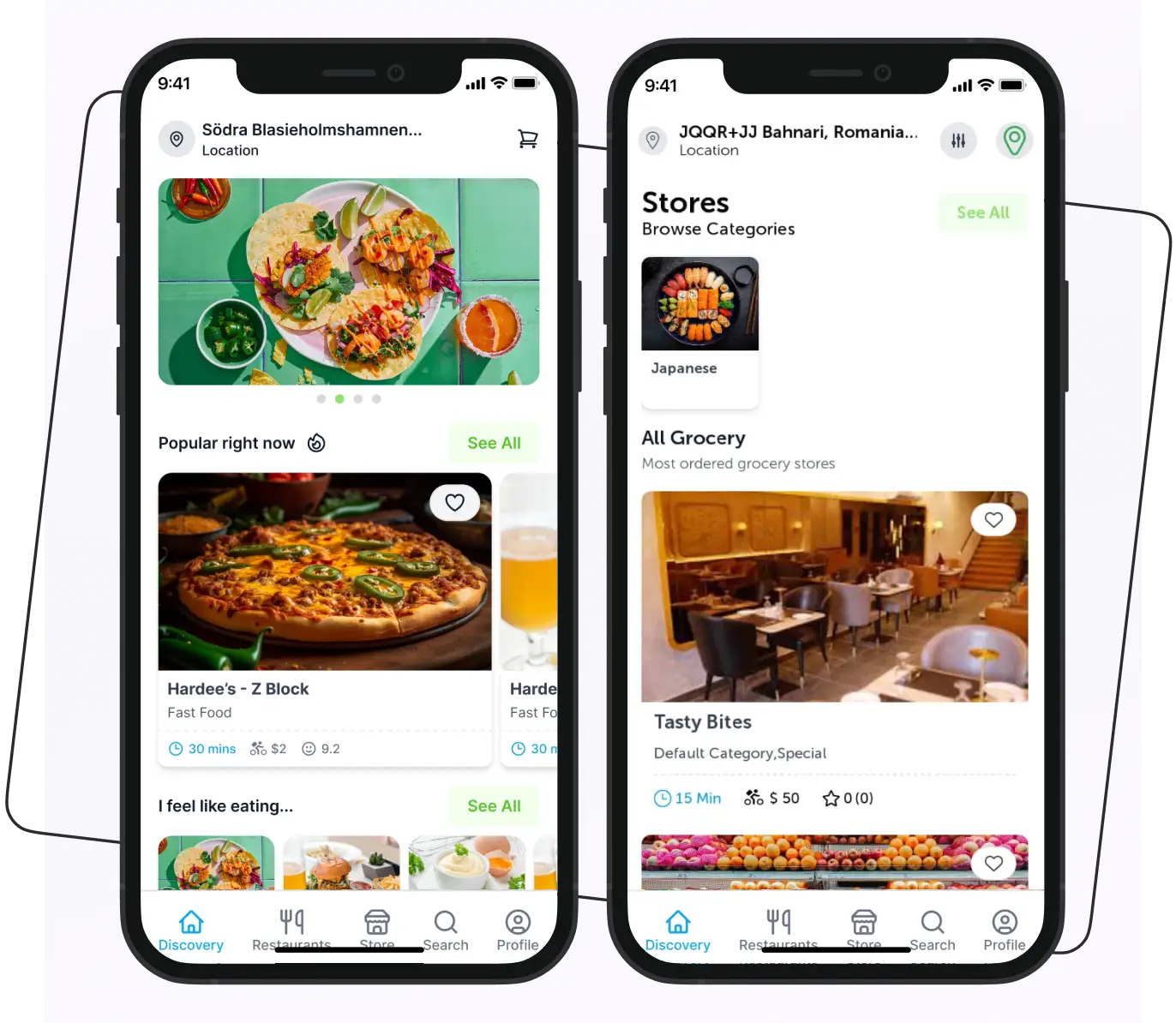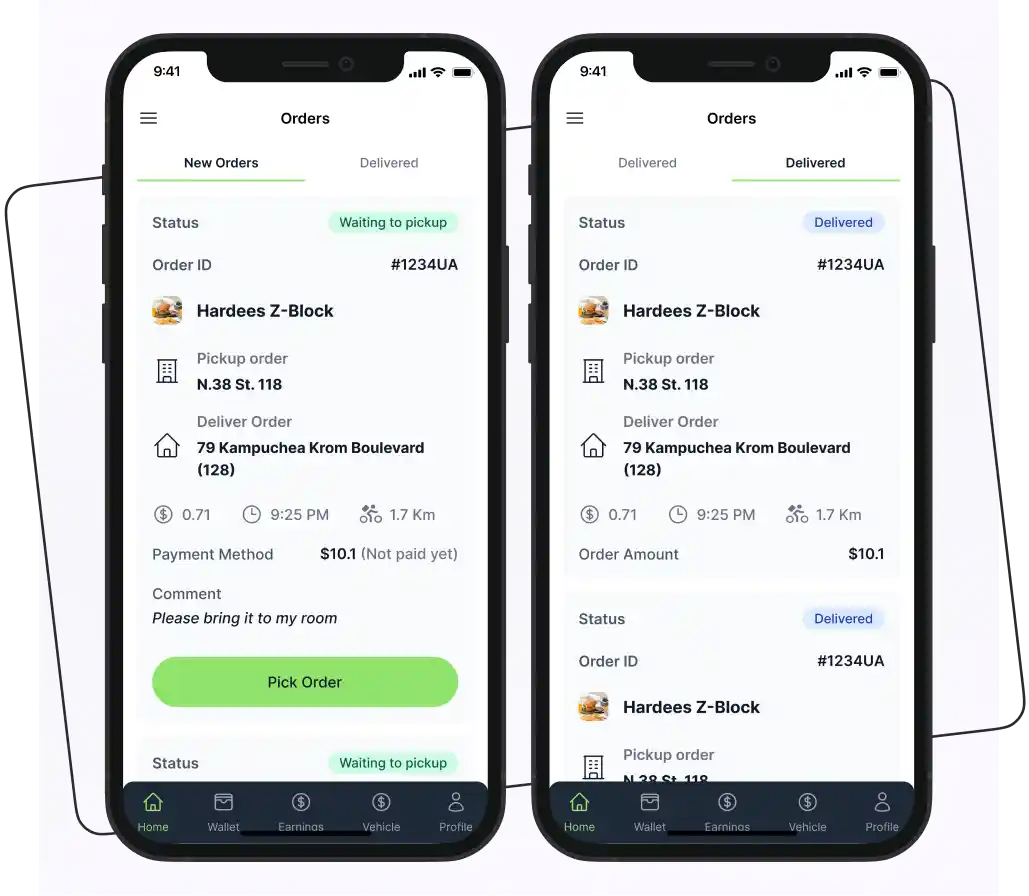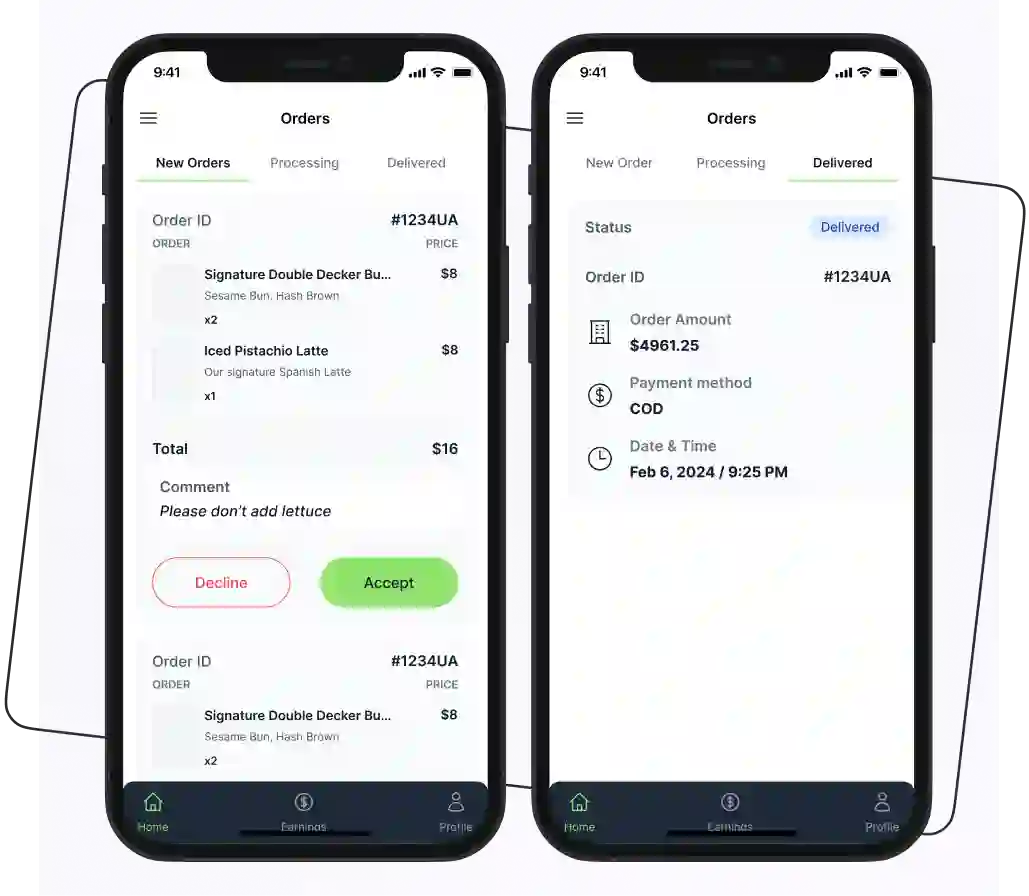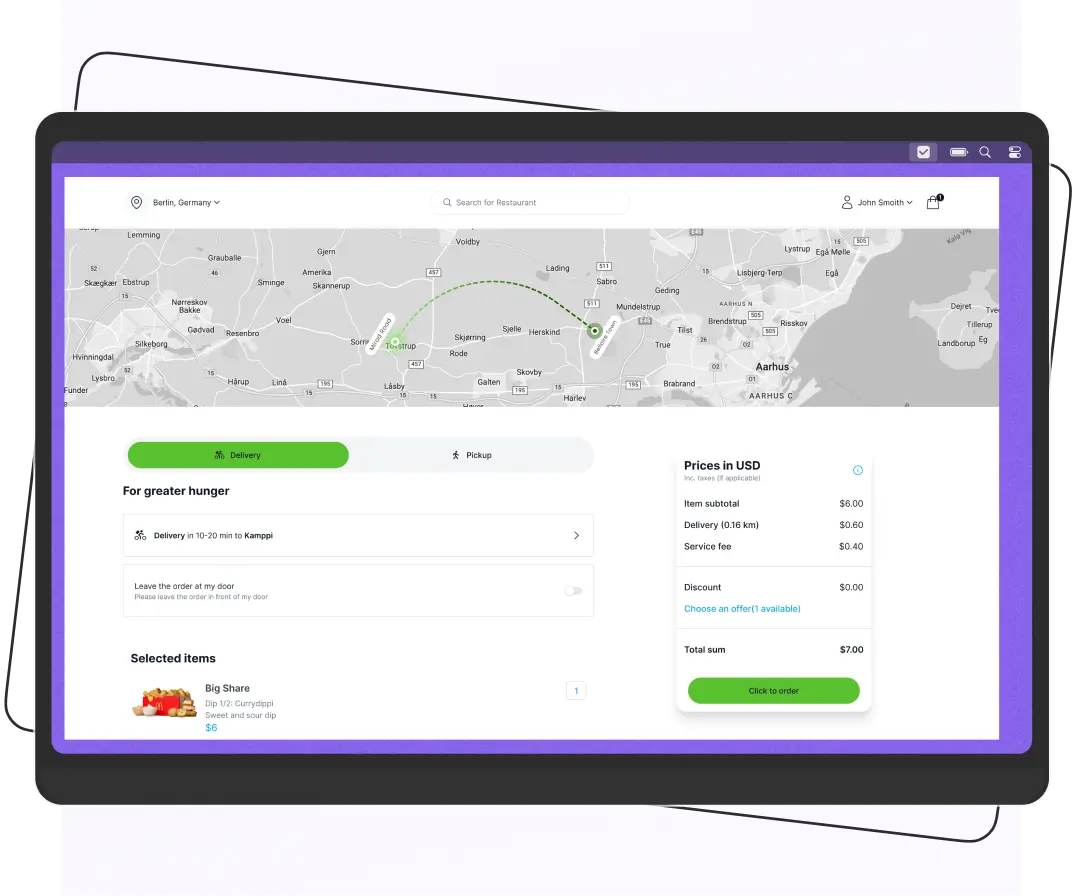



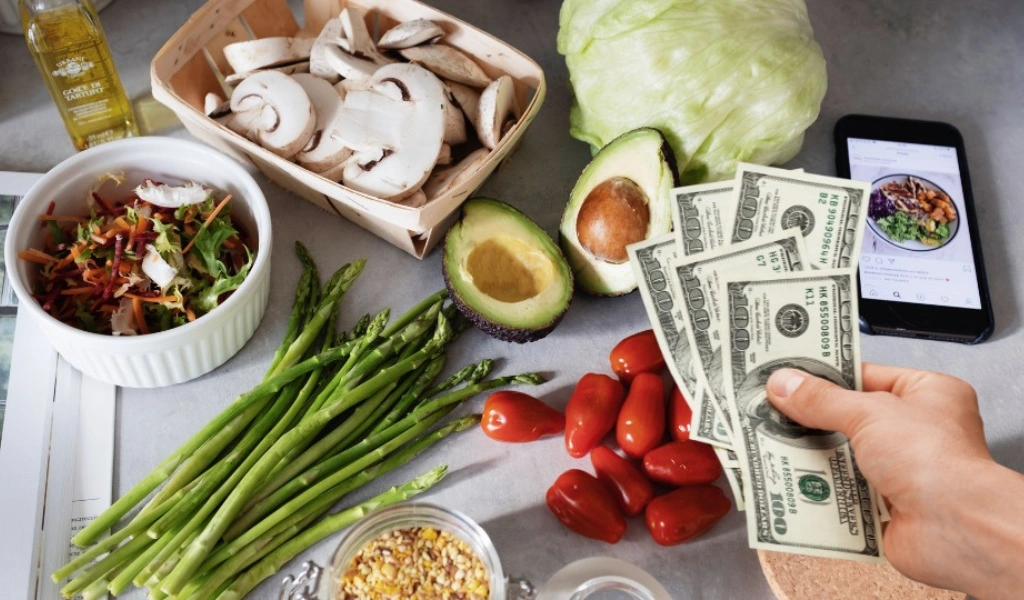
Every time you tap “Place Order” on a food delivery app, a complex money machine quietly springs into action. Behind that $100 burger combo is a web of commissions, service fees, algorithms, and partnerships that determine who gets paid, and how much.
Customers see convenience, and restaurants see new orders, food delivery apps see something else entirely: multiple revenue streams working together to keep the platform alive and profitable.
But how do food delivery apps make money?
Is it just about charging restaurants high commissions, or is there more happening behind them? From delivery and service fees to advertising, subscriptions, and data-driven strategies, today’s food delivery platforms rely on far more than a single income source.
In this blog, we’ll explore the real business models that help food delivery apps, explain where the money comes from, and uncover why some platforms struggle to stay profitable while others scale successfully.
So, if you’re a restaurant owner, startup founder, or someone planning to build a food delivery app, understanding these monetization strategies helps you make smarter decisions.
Supercharge your deliveries with Enatega.
Register NowFood Delivery App Revenue Streams
Do food delivery apps make a profit?
Food delivery apps don’t rely on just one income source. Instead, they combine multiple revenue streams to earn money from restaurants, customers, and businesses using the platform.
Below are some revenue streams that illustrate how food delivery apps generate revenue.
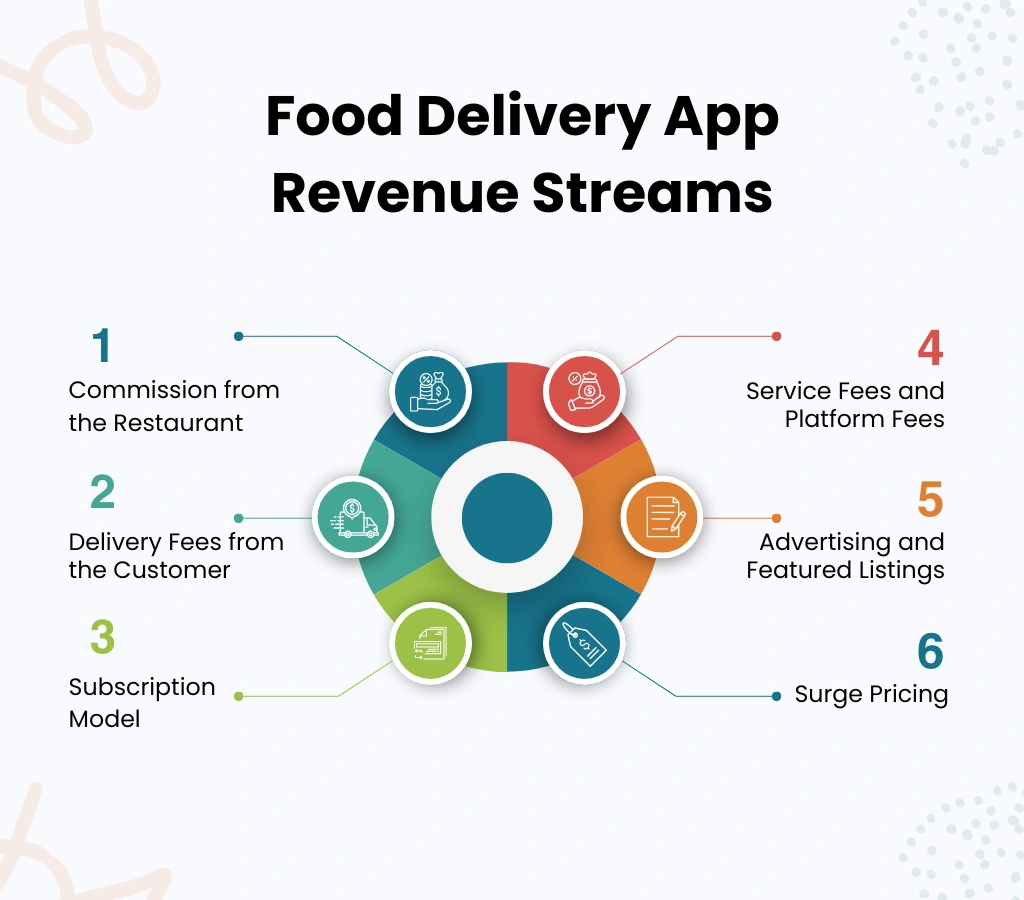
1. Commission from the Restaurant
This is the main source of income for most food delivery apps. Each time a restaurant receives an order through the platform, the app earns a percentage of the order value as commission, making it the most consistent source of income for food delivery businesses.
Example
- Order value: $30
- Commission charged by the app: 25%
- App earns: $7.50
- Restaurant receives: $22.50 (before food and operational costs)
Why do Apps Charge Commission?
- Listing the restaurant on the app
- Providing marketing exposure
- Managing orders and payments
- Offering delivery logistics and support
| Pros | Cons |
| Provides a steady revenue stream for food delivery apps | Reduces restaurant profit margins, especially for small businesses |
| Apps earn on every successful order, directly linking revenue to order volume | High commission rates (15%–30%) can be financially stressful for restaurants |
| Low entry barrier for restaurants with no upfront or subscription fees | Restaurants often increase menu prices to cover commission costs |
| Performance-based model, apps earn only when restaurants earn | Over-reliance on order volume increases marketing and discount costs |
2. Delivery Fees from the Customer
Delivery fees are charged directly to customers for bringing food from the restaurant to their doorstep. The delivery fee may depend on:
- The distance between the restaurant and the customer
- Order size
- Time of day (peak hours cost more)
Example
- Delivery fee shown at checkout: $3.99
- App keeps a portion
- The remaining amount goes to the delivery partner
Why Do Delivery Fees Matter?
Delivery fees help apps:
- Cover driver payments
- Offset logistics and operational costs
- Improve profitability on each order
| Pros | Cons |
| Helps cover delivery and logistics costs, such as driver payouts and fuel | Increases the overall cost of ordering for customers |
| Reduces financial burden on restaurants by shifting delivery costs to users | High delivery fees may discourage customers from placing orders |
| Scales with distance, demand, and order size for better cost control | Customers may abandon carts when fees feel too high or unclear |
| Enables dynamic pricing during peak hours to balance supply and demand | Surge pricing may feel unfair during busy times |
3. Subscription Model
Many food delivery apps offer monthly or yearly subscription plans that provide extra benefits to frequent users.
How Does it Work?
Customers pay a fixed subscription fee to access perks such as:
- Free delivery on eligible orders
- Reduced service fees compared to non-subscribers
- Exclusive discounts or special promotions
This food delivery business model not only encourages users to order more often but also provides the platform with predictable, recurring revenue.
Example
- Subscription cost: $9.99 per month
- The customer places 10 orders per month
- Saves on delivery fees, while the app earns predictable monthly revenue
Why are Subscriptions Important?
- Generate recurring income
- Increase customer loyalty
- Encourage users to order more often
| Pros | Cons |
| Generates predictable, recurring revenue for food delivery apps | Users may hesitate to pay up front if they order infrequently |
| Increases customer loyalty and repeat orders | Requires continuous value (free delivery, discounts) to retain subscribers |
| Encourages higher-order frequency among subscribers | Non-subscribers may feel disadvantaged by higher fees |
| Helps reduce reliance on one-time delivery fees | Subscription benefits can be costly for apps if not balanced properly |
4. Service Fees and Platform Fees
In this food delivery app revenue model, service fees are small additional charges applied to each order for using the app. These fees cover:
- App maintenance
- Customer support
- Payment processing
- Technology upgrades
Example
- Order value: $25
- Service fee: $1.50
- Clearly shown at checkout
Why Do Apps Use Service Fees?
Even if delivery is free or discounted, service fees ensure the platform still earns money from every transaction.
| Pros | Cons |
| Provide a consistent revenue stream on every order | Increase the total checkout cost for customers |
| Help cover app maintenance, technology, and customer support costs | Often perceived as “hidden fees” if not clearly explained |
| Ensure the platform earns even when delivery fees are discounted or free | Can lead to cart abandonment due to higher final prices |
| Less dependent on restaurant commissions alone | May frustrate users if fees feel too high for the value received |
| Improve financial stability during low-demand periods | Risk of damaging trust if the fee structure lacks transparency |
5. Advertising and Featured Listings
Food delivery apps also generate revenue by offering promotional opportunities to restaurants. For a fee, restaurants can:
- Appear at the top of search results, increasing their chances of being chosen
- Be featured on the app’s home screen, gaining prime visibility to users
- Run promotional banners or special discounts, attracting more orders and increasing brand awareness
This advertising model allows apps to earn high-margin revenue while helping restaurants stand out in a competitive market.
Example
- The restaurant pays $200 per month
- Appears in “Featured Restaurants”
- Gets more visibility and orders
- App earns high-margin advertising revenue
Why is Advertising Profitable?
- No delivery or logistics cost involved
- High return on investment for apps
- Helps restaurants compete for attention
| Pros | Cons |
| Provides a high-margin revenue stream for apps with minimal operational cost | Smaller restaurants may struggle to compete with larger advertisers |
| Helps restaurants target specific customers or locations | Over-reliance on advertising revenue can shift focus away from user experience |
| Encourages restaurants to invest in marketing within the platform | Non-paying restaurants may see fewer orders, affecting fairness |
6. Surge Pricing
Surge pricing is applied during high-demand periods, such as weekends, lunch hours, or periods of bad weather. When the number of orders exceeds the available delivery capacity:
- Delivery fees rise to balance demand and supply
- Service fees may increase to cover higher operational costs
- Drivers receive additional incentives to encourage timely deliveries and ensure service quality
Example
- Normal delivery fee: $3
- Surge hour delivery fee: $6
- Extra amount helps:
- Attract more drivers
- Balance demand
- Increase platform revenue
Why Does Surge Pricing Exist?
- Ensures orders are delivered on time
- Maintains service quality during peak hours
- Helps apps manage supply and demand efficiently
| Pros | Cons |
| Helps balance demand and supply during peak hours | Higher fees can frustrate customers and reduce order volume |
| Encourages more drivers to work during busy periods | May create a perception of unfair pricing |
| Increases revenue for the platform without extra marketing | Customers may seek alternatives or cancel orders due to high costs |
| Allows platforms to cover additional operational costs during peak demand | Complex pricing may confuse users if not clearly communicated |
Challenges in Food Delivery App Profitability
Food delivery apps have become a growing industry, but achieving consistent profitability remains a challenge.
Here are the key hurdles these platforms face.
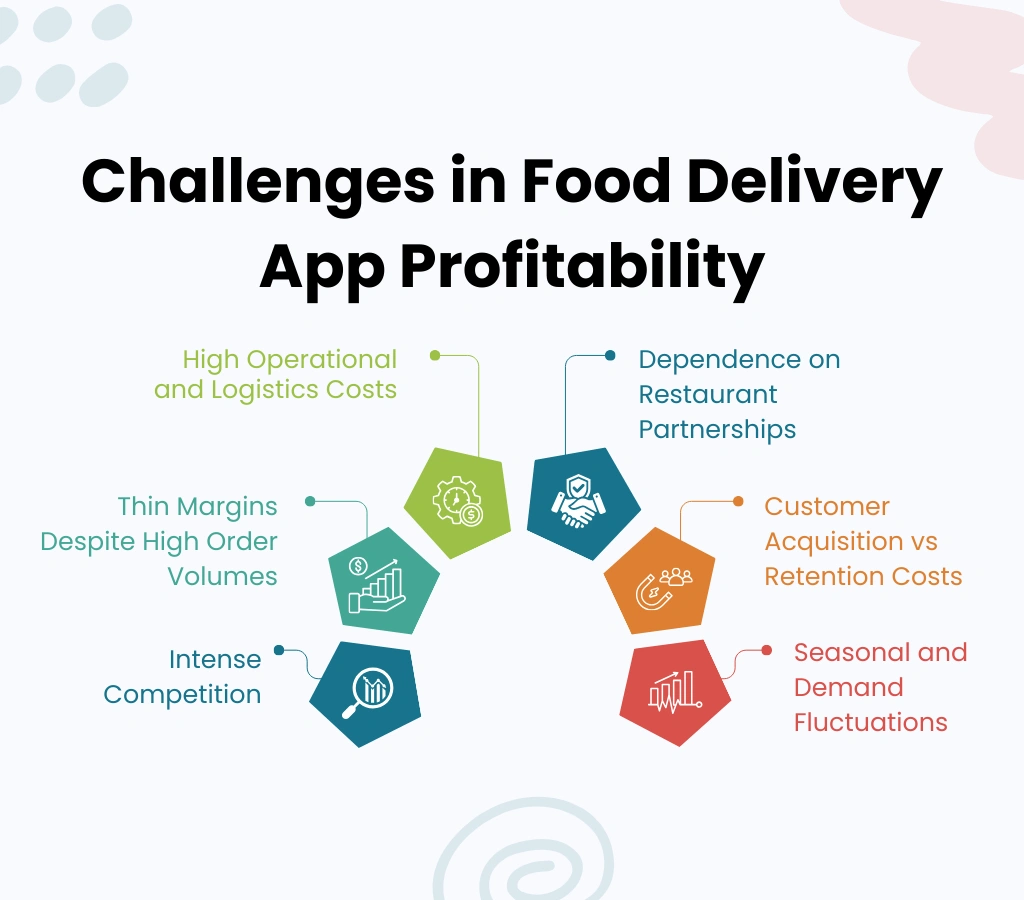
High Operational and Logistics Costs
- Paying delivery drivers, managing fuel, and handling order logistics add significant expenses.
- Maintaining fast, reliable delivery requires ongoing investment in technology and infrastructure.
Thin Margins Despite High Order Volumes
- Commissions and fees often cover only part of the costs.
- Discounts, promotions, and subscription benefits can further reduce profit per order.
Intense Competition
- Multiple platforms compete for the same customers and restaurants.
- Apps often rely on heavy marketing spend and promotions to retain users, eating into profits.
Dependence on Restaurant Partnerships
- High commission fees may strain relationships with restaurants.
- Losing partner restaurants can reduce available options, affecting customer retention.
Customer Acquisition vs Retention Costs
- Acquiring new users requires expensive marketing campaigns and incentives.
- Retaining users long-term demands continuous innovation, rewards, and loyalty programs.
Seasonal and Demand Fluctuations
- Revenue can fluctuate based on time of day, week, or season.
- During low-demand periods, apps still incur fixed costs like platform maintenance and driver support.
FAQs
1. What are the risks of food delivery?
Below are the risks of food delivery.
- Food safety issues
- Customer security
- Delivery worker safety
2. What is the most profitable food delivery app?
DoorDash is generally considered the most profitable food delivery service, leading in U.S. market share and annual revenue, while the profitability of apps can vary by region. Uber Eats also reports strong financial performance globally, but DoorDash has a higher market dominance in the U.S.
Supercharge your deliveries with Enatega.
Register NowConclusion
There isn’t a single revenue model that guarantees maximum profit for every food delivery app. Most successful platforms rely on a combination of revenue streams to maximize income and balance operational costs.
If you are planning to start a food business or launch your own food delivery app, it’s necessary to identify the revenue model that aligns with your goals and target audience.
For businesses looking to build a commission-free or fully customized food delivery app, Enatega offers expert guidance and tailored solutions.
Book a free demo today and get support from professionals.
About the author

Hudaibia Khalid is the creative force behind the blog—a maestro of words and ideas. Her distinctive style not only imparts wisdom but also leaves an indelible mark, transforming each post into a captivating journey through her unique perspective on the world.
SHARE










 IOS
IOS Android
 Web
Web