Get Backend API for Online Food Ordering System Project Sql
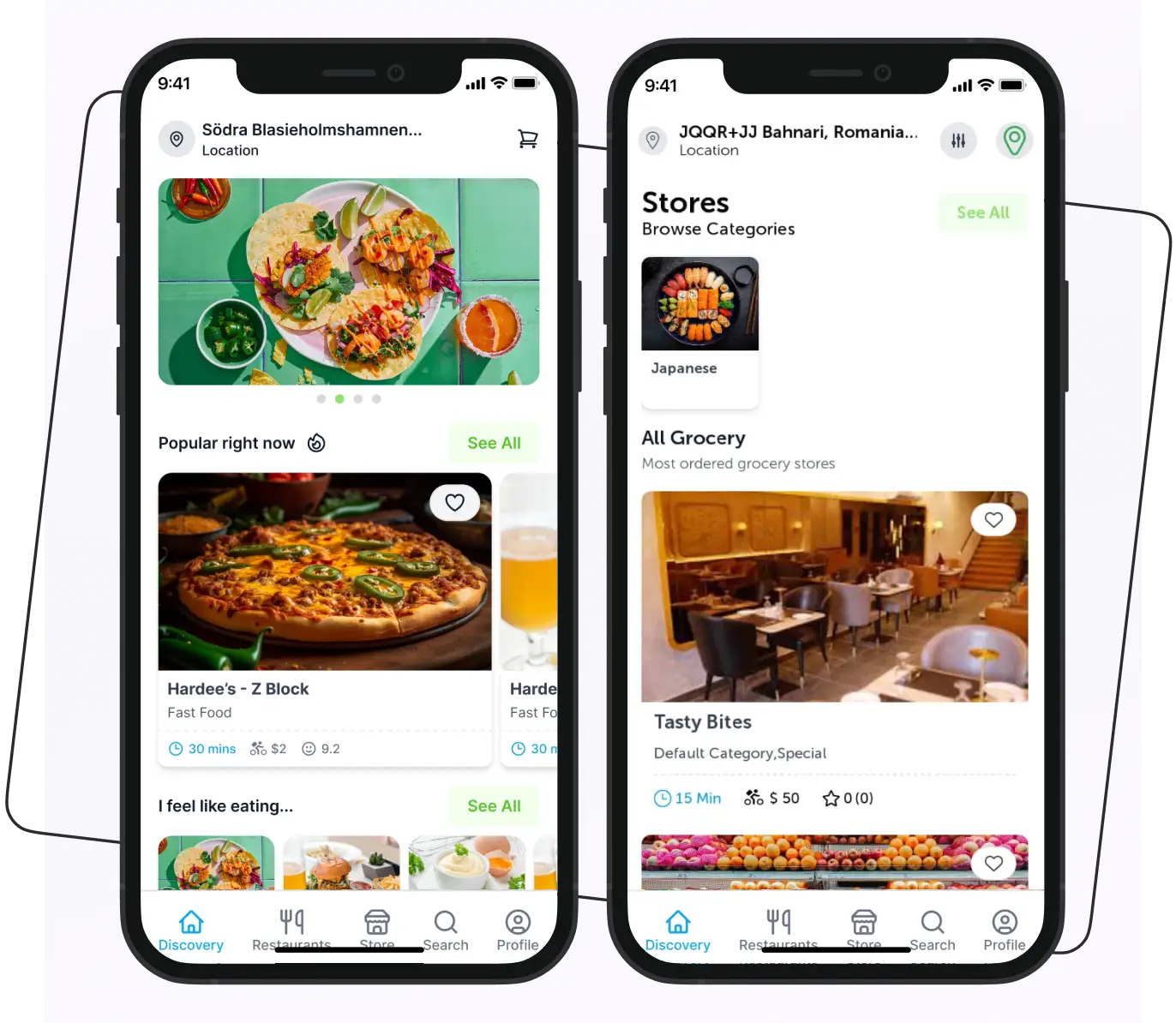
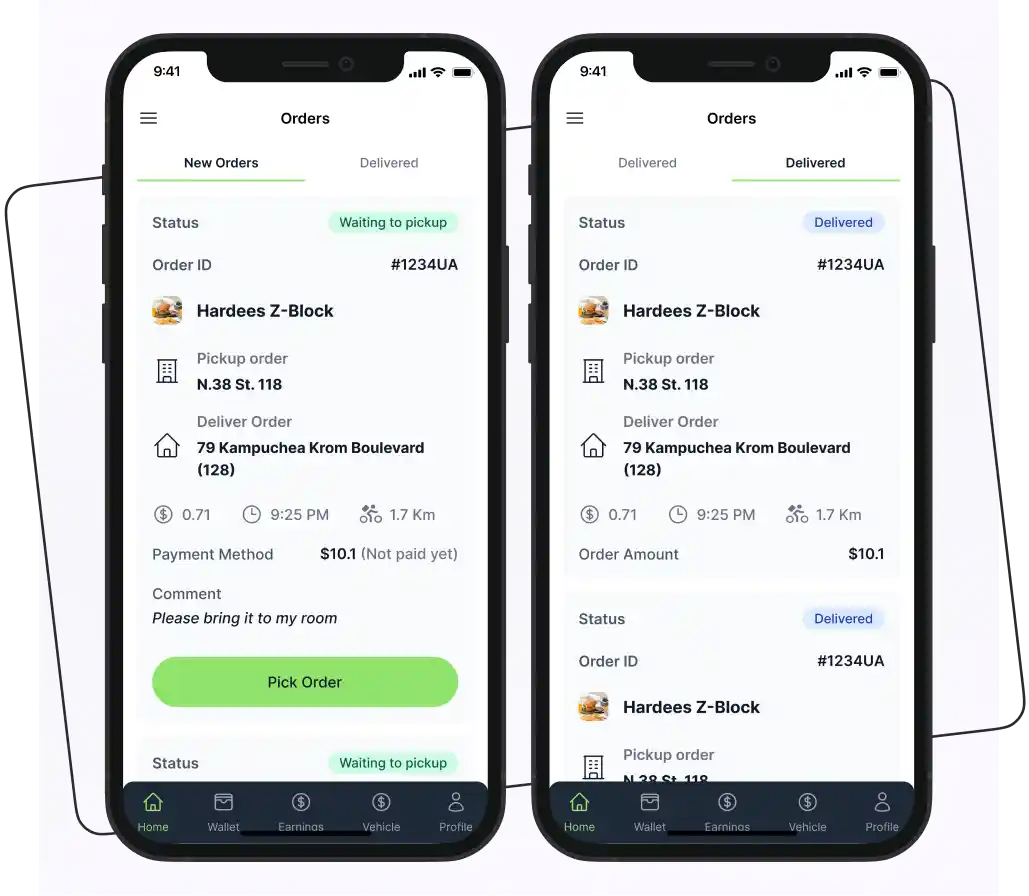
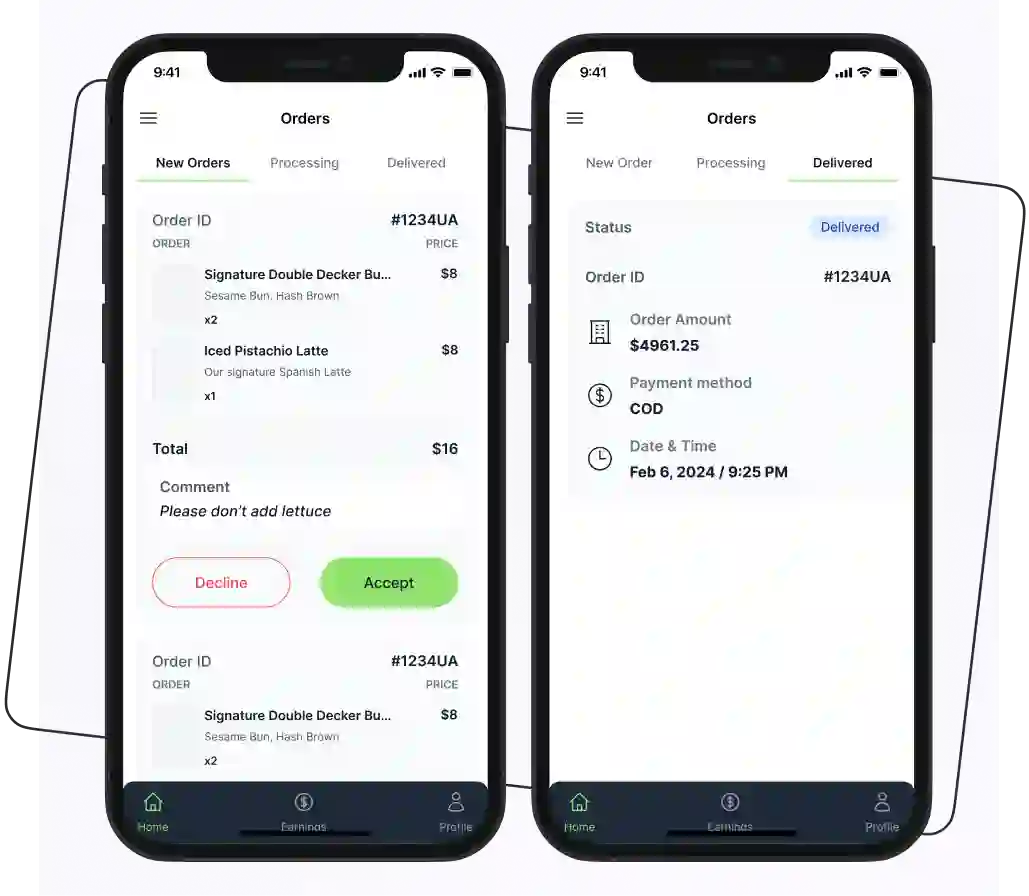
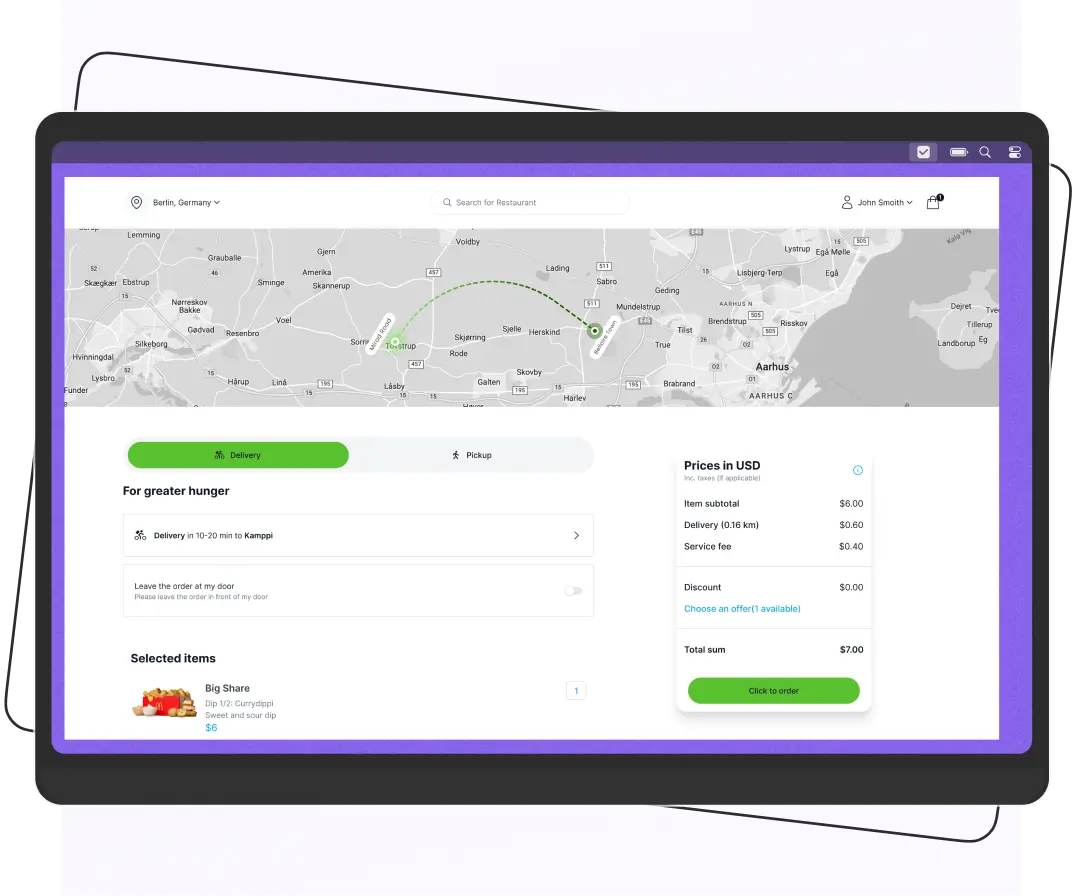
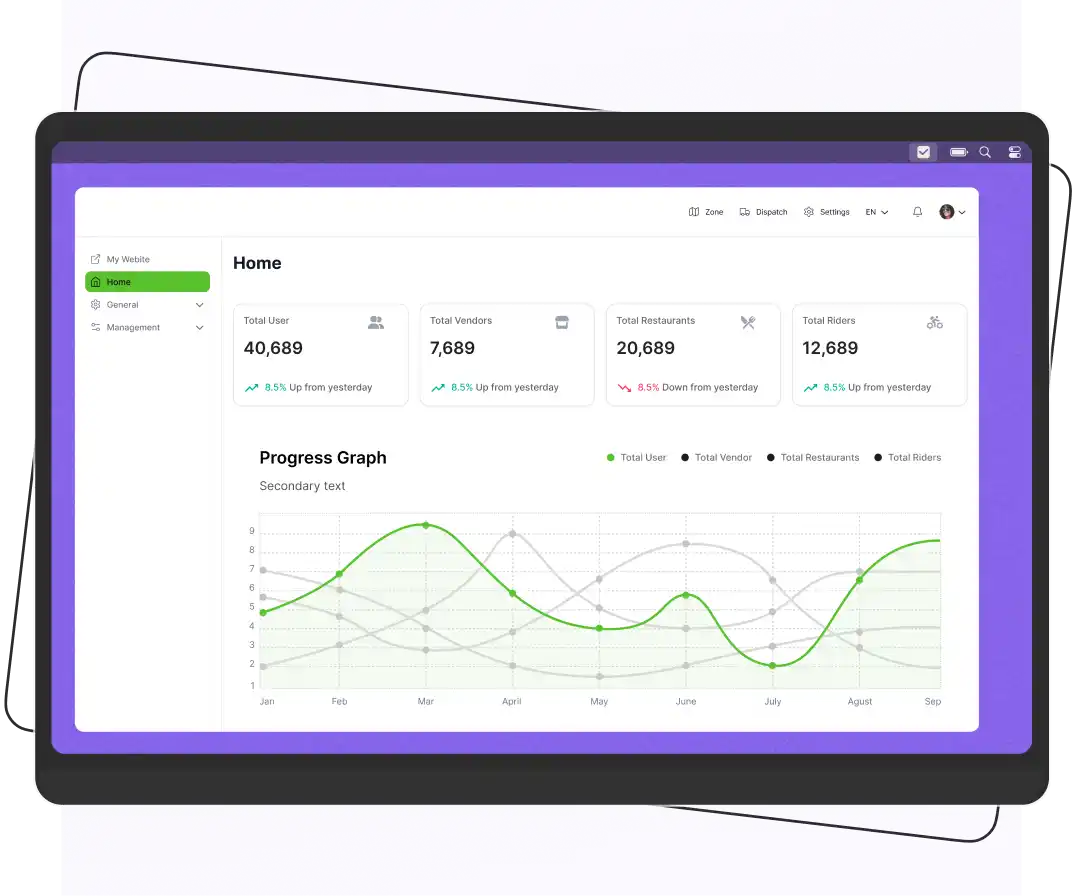
Explore the online food ordering system project sql frontend without restrictions. The backend API is licensed separately—get in touch with our team to enable it. Resources and demos are accessible.



Frequently Asked Questions
An online food ordering system project is a software application or platform that allows users to browse menus, place orders, and arrange for food delivery or pickup from restaurants via the internet.
SQL (Structured Query Language) is used in developing online food ordering projects for several reasons: Data Management: SQL is highly effective for managing structured data, allowing for efficient storage, retrieval, and manipulation of information such as user accounts, orders, menus, and inventory. ACID Compliance: SQL databases ensure ACID (Atomicity, Consistency, Isolation, Durability) properties, which are crucial for maintaining data integrity during transactions, especially in order processing. Complex Queries: SQL allows for complex queries to extract specific data, such as generating reports on sales trends, customer preferences, and order histories. Relationships: SQL databases support relationships between tables (e.g., customers, orders, and restaurants), enabling organized data management and efficient queries. Scalability: Many SQL databases can handle large volumes of data and grow with the application, making them suitable for expanding food ordering systems. Security Features: SQL databases come with robust security features, including user roles and permissions, to protect sensitive data like payment information and personal details.
The main SQL tables required for a food ordering system include: Users Table: Stores user information such as user ID, name, email, password, and contact details. Restaurants Table: Contains restaurant details, including restaurant ID, name, location, operating hours, and contact information. Menus Table: Lists menu items with item ID, restaurant ID (foreign key), name, description, price, and availability status. Orders Table: Records order details such as order ID, user ID (foreign key), restaurant ID (foreign key), total amount, order status, and timestamps. Order Items Table: Links individual items to orders, including order item ID, order ID (foreign key), menu item ID (foreign key), quantity, and price. Payments Table: Tracks payment information, including payment ID, order ID (foreign key), payment method, amount, status, and timestamps. Reviews Table: Stores customer feedback with review ID, user ID (foreign key), restaurant ID (foreign key), rating, comments, and timestamps.
In an SQL-based food ordering project, data flow works as follows: User Interaction: The user interacts with the front-end application (web or mobile) to search for restaurants, view menus, and place orders. Request to Backend: When a user performs an action (e.g., placing an order), the front end sends a request to the backend server, often using RESTful APIs. Querying the Database: The backend processes the request and constructs SQL queries to interact with the database. This may involve: Retrieving restaurant and menu information. Inserting new orders and order items. Updating order statuses. Data Retrieval: The backend executes SQL queries against the relevant tables (e.g., Users, Restaurants, Orders, Menus) to fetch or manipulate data. Response to Frontend: After processing the queries, the backend returns the results (e.g., order confirmation, menu details) to the front end in JSON format. User Notification: The front end updates the user interface based on the response, providing real-time feedback (e.g., order confirmation, status updates). Real-Time Updates: If implemented, real-time features (e.g., WebSockets) can be used to notify users of order status changes or updates from the restaurant. Payment Processing: If a payment is required, the backend handles payment processing, updates the Payments table, and confirms the transaction.
In an SQL food ordering system, the following types of data are stored: User Data: Information about customers, including user ID, name, email, password (hashed), phone number, and address. Restaurant Data: Details about restaurants, such as restaurant ID, name, location, contact information, cuisine type, and operating hours. Menu Data: Information about menu items, including item ID, restaurant ID (foreign key), name, description, price, category, and availability status. Order Data: Records for each order placed, including order ID, user ID (foreign key), restaurant ID (foreign key), total amount, order status, and timestamps for order creation and updates. Order Items Data: Details of individual items within an order, including order item ID, order ID (foreign key), menu item ID (foreign key), quantity, and price. Payment Data: Information related to transactions, such as payment ID, order ID (foreign key), payment method, amount paid, payment status, and timestamps. Review Data: Customer feedback and ratings for restaurants, including review ID, user ID (foreign key), restaurant ID (foreign key), rating, comments, and timestamps. Promotions and Discounts: Data on any promotional offers, including promotion ID, description, start and end dates, and applicable conditions.




 IOS
IOS Android
 Web
Web