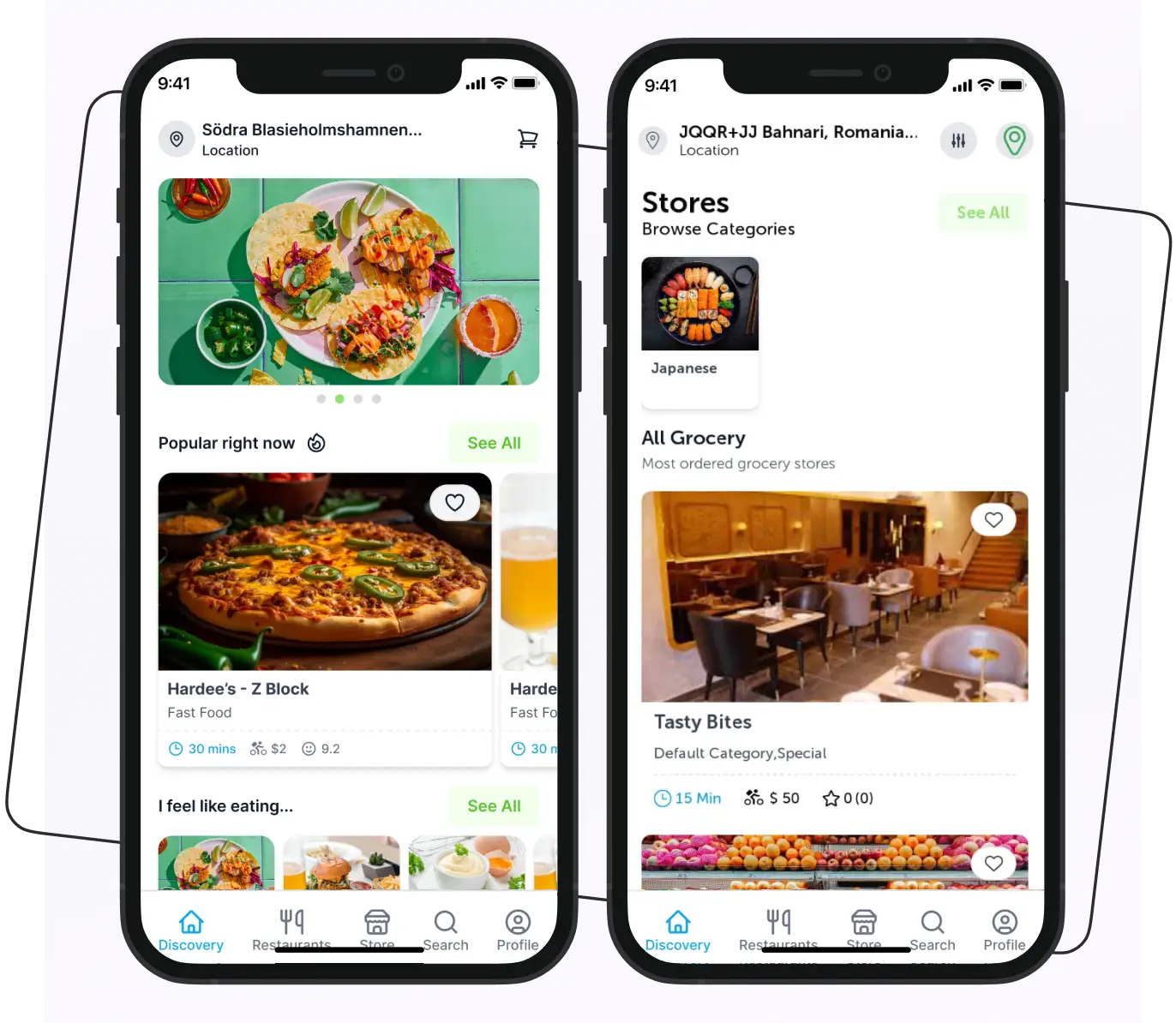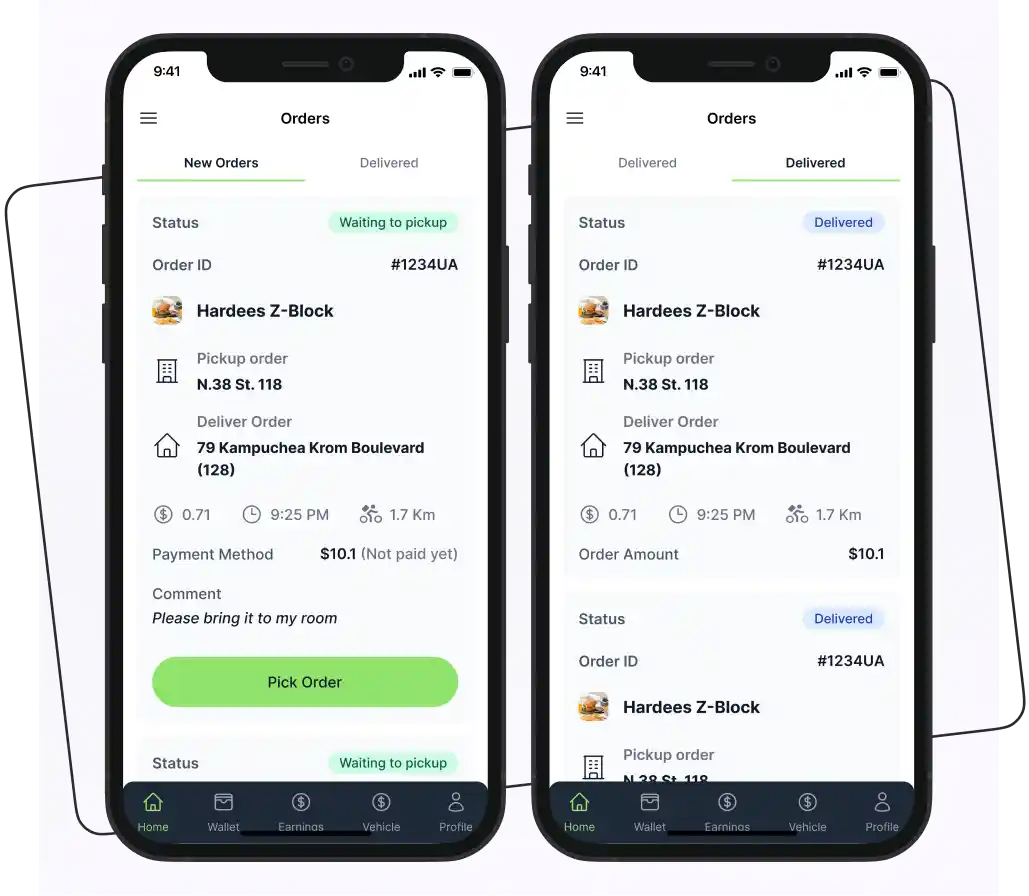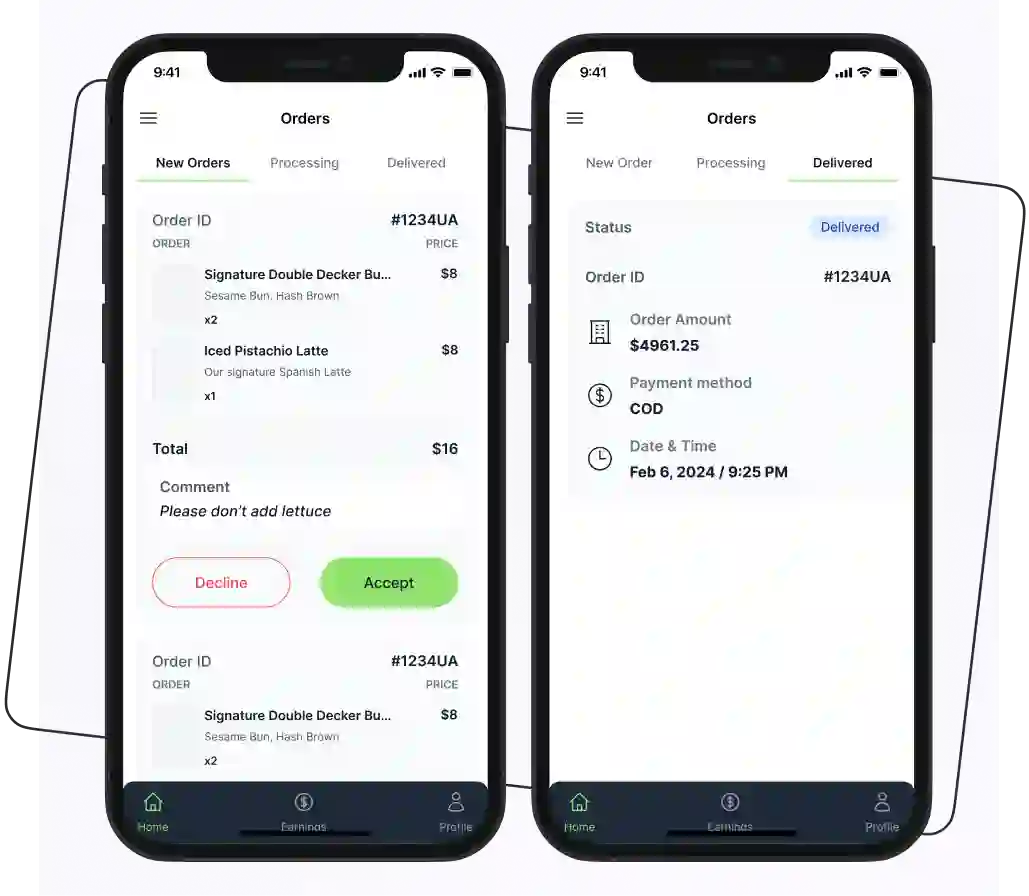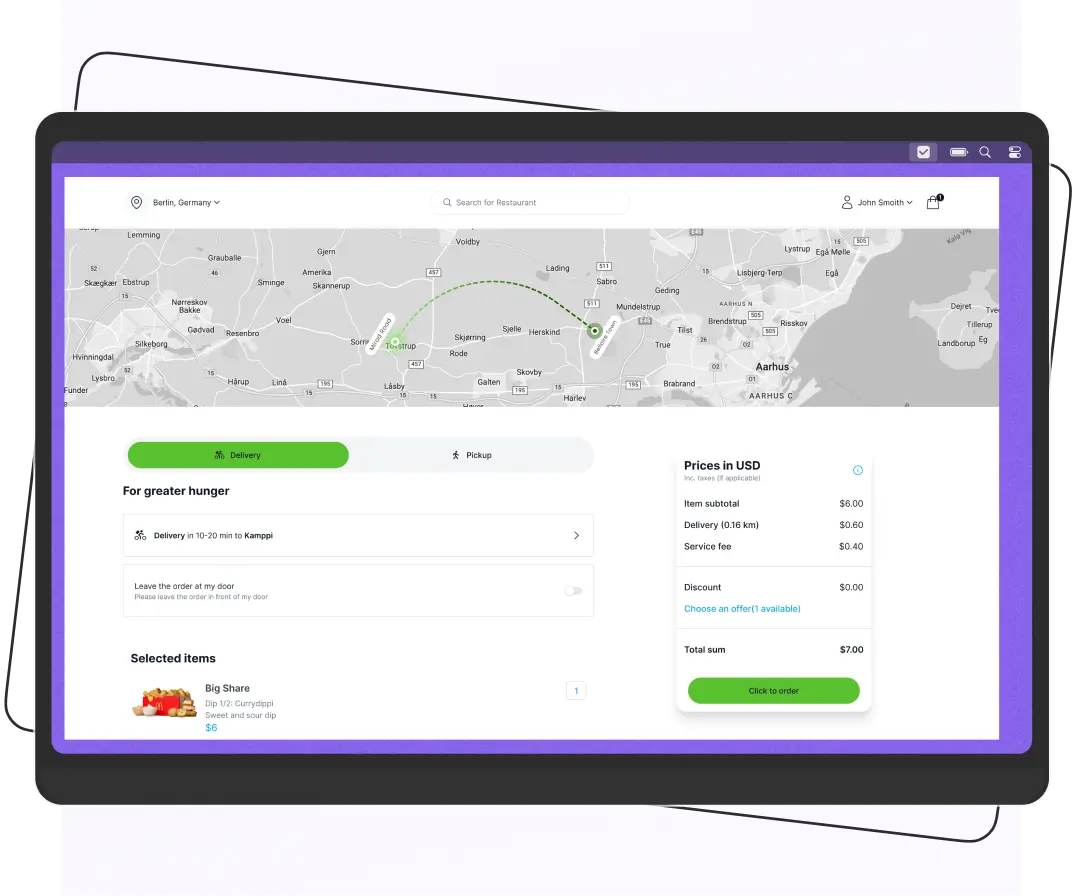
Get Backend API for Online Food Ordering Web App Using Mern Stack
Experiment with the online food ordering web app using mern stack frontend code at no cost. For production-ready backend API, book a meeting with our sales team. Setup guides and examples are shared publicly.



Frequently Asked Questions
To make a food ordering app mobile-responsive and fast, consider the following strategies: Mobile Responsiveness Responsive Design: Use a flexible layout with CSS media queries to adjust the app's appearance based on screen size and orientation. Fluid Grids: Implement fluid grids that scale elements proportionally rather than fixed-width, ensuring a consistent look across devices. Adaptive Images: Use responsive images that adjust to different screen sizes, optimizing loading times and improving user experience. Touch-Friendly Elements: Design buttons and interactive elements that are easy to tap on mobile screens, with adequate spacing to avoid accidental clicks. Mobile Navigation: Simplify navigation with collapsible menus or tab bars, allowing users to access features easily on smaller screens. Performance Optimization Minimize HTTP Requests: Reduce the number of requests by combining files (CSS and JavaScript) and using sprite images. Lazy Loading: Implement lazy loading for images and resources, loading them only when they enter the viewport, which speeds up initial load times. Code Splitting: Use techniques like code splitting to load only the necessary code for the current view, reducing the initial load time. Caching: Leverage browser caching and service workers for offline capabilities, allowing the app to load faster on subsequent visits. Optimize Assets: Compress images and minify CSS and JavaScript files to reduce file sizes and improve loading speeds. Use a Content Delivery Network (CDN): Distribute static assets through a CDN to reduce latency and improve load times for users in different geographical locations.
A MERN food ordering web app can be made user-friendly through the following features: Intuitive User Interface: A clean, organized layout that makes navigation easy for users to browse menus and place orders. Search and Filter Options: Allowing users to quickly find specific dishes or restaurants based on various criteria, such as cuisine type, ratings, or price. Real-Time Order Tracking: Providing live updates on order status and delivery through notifications and a tracking interface. User Accounts and Profiles: Enabling users to create accounts to manage their preferences, view order history, and save favorite restaurants. Responsive Design: Ensuring the app is mobile-friendly and works seamlessly across different devices and screen sizes. Multiple Payment Options: Offering various payment methods (credit/debit cards, digital wallets) for a convenient checkout experience. Ratings and Reviews: Allowing users to leave feedback on restaurants and dishes, helping others make informed choices. Promotions and Discounts: Highlighting special offers or discounts to encourage user engagement and repeat orders. In-App Notifications: Sending alerts for order confirmations, status updates, and promotional offers to keep users informed. Accessibility Features: Implementing features like keyboard navigation and screen reader compatibility to ensure the app is usable by everyone.
Several payment gateways can be integrated into a MERN food ordering app, including: Stripe: A popular choice for online payments, offering robust APIs for handling transactions, subscriptions, and various payment methods. PayPal: Provides a widely recognized payment solution, allowing users to pay with their PayPal accounts or credit/debit cards. Braintree: A service from PayPal that supports various payment methods, including credit cards, PayPal, and mobile wallets, with a focus on mobile-friendly solutions. Mollie: A European payment gateway that offers a range of payment methods and easy integration for online businesses.
Using the MERN stack for food ordering apps offers several performance benefits: Single Language: JavaScript is used throughout the stack (frontend and backend), simplifying development and reducing context switching for developers. Real-Time Data Handling: With Node.js, the server can handle multiple connections simultaneously through its non-blocking I/O model, enabling real-time order updates and notifications. Efficient Data Management: MongoDB's document-based structure allows for flexible and fast data retrieval, which is ideal for handling dynamic content like menus and orders. Responsive User Interfaces: React's virtual DOM optimizes rendering, ensuring that UI updates are smooth and fast, enhancing user experience. Modular Architecture: The component-based design in React promotes reusability and maintainability, allowing for quicker updates and feature additions without affecting overall performance. Scalability: Both Node.js and MongoDB are designed to scale easily, accommodating increased traffic and data loads as the app grows. High Performance: The combination of Node.js and Express.js provides a lightweight and fast server environment, minimizing response times and improving overall application speed.
Developing a food ordering system using the MERN stack can present several challenges: Complex State Management: Managing the state in a React application can become complex, especially as the app grows. Choosing the right state management solution (like Redux or Context API) is crucial. Real-Time Features: Implementing real-time functionalities (like order tracking and notifications) can be challenging and may require additional libraries (e.g., Socket.IO), adding complexity to the backend. Database Schema Design: Designing an efficient MongoDB schema that accommodates the dynamic nature of food orders, menus, and user interactions can be difficult. API Development: Creating and maintaining a robust RESTful API or GraphQL endpoint requires careful planning and implementation to ensure security, scalability, and performance. Payment Integration: Handling payment gateways securely and ensuring compliance with regulations (like PCI-DSS) can be complex and time-consuming. User Authentication and Security: Implementing secure user authentication (e.g., JWT, OAuth) while protecting sensitive data requires careful consideration and implementation. Deployment and Hosting: Choosing the right hosting solution for a MERN stack application and managing deployment (including CI/CD pipelines) can pose challenges, especially for scaling. Testing and Debugging: Ensuring thorough testing (unit, integration, and end-to-end) across the entire stack can be challenging due to the asynchronous nature of Node.js and the complexity of the React components.




 IOS
IOS Android
 Web
Web