Get Backend API for Uber Eat Clone Script
Customize the uber eat clone script frontend as you need. The backend API comes with a license—schedule a discussion with our team to gain access. Demos and documentation are ready.


Frequently Asked Questions
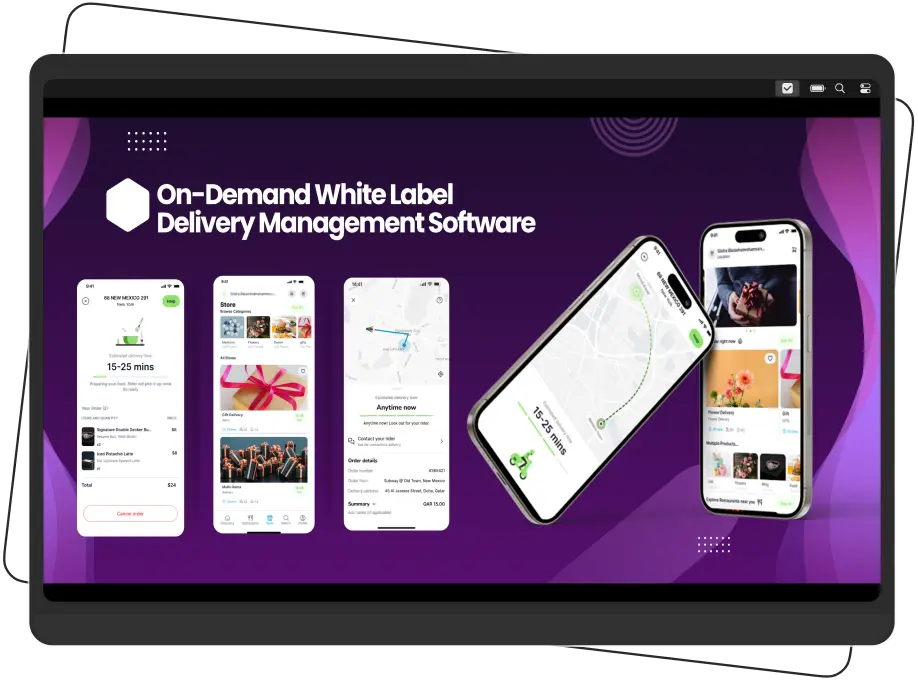
An UberEats clone is a ready-made food delivery app solution that replicates the core features and functionality of UberEats. It allows businesses or startups to quickly launch their own food delivery platform without building everything from scratch.
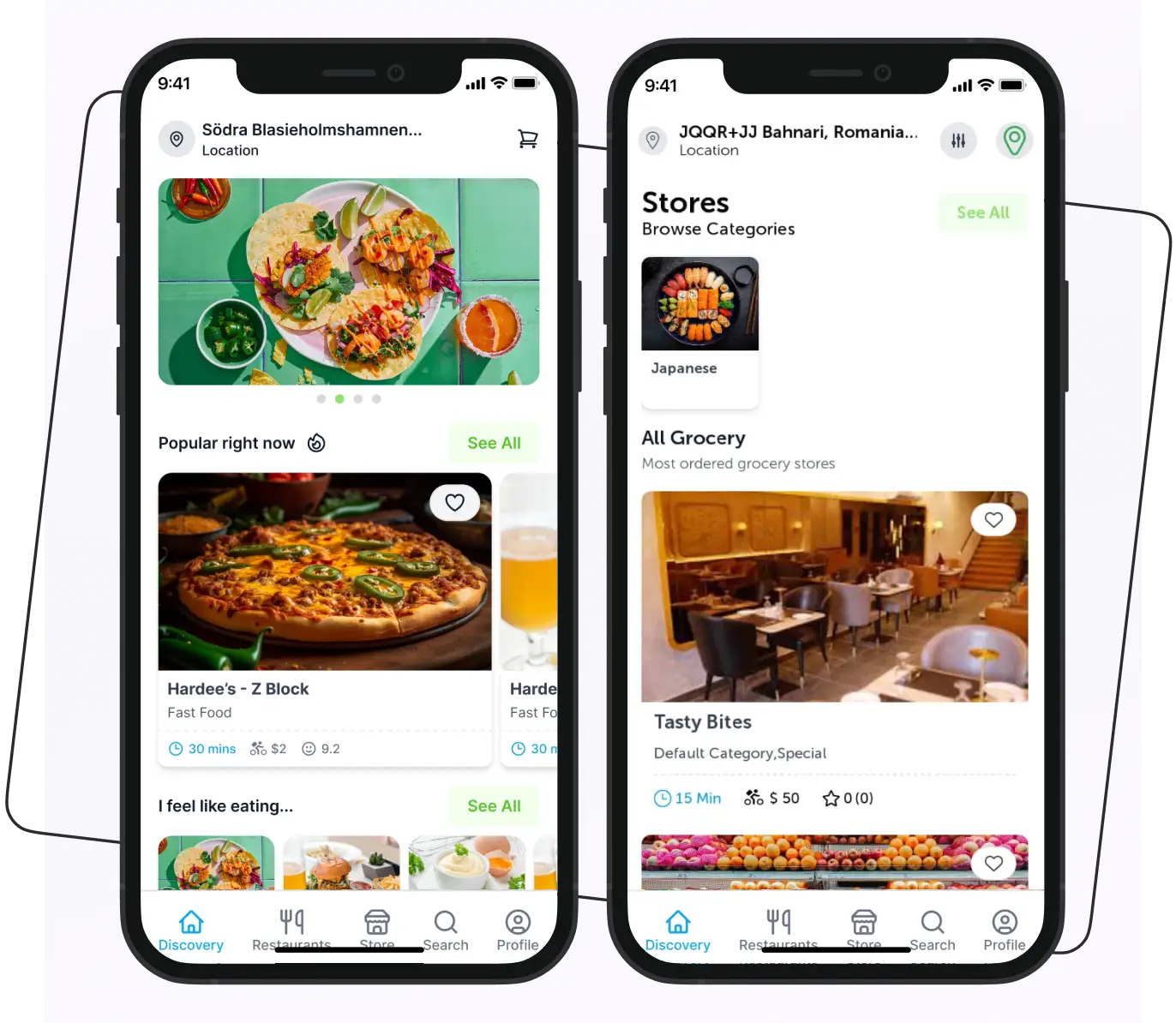
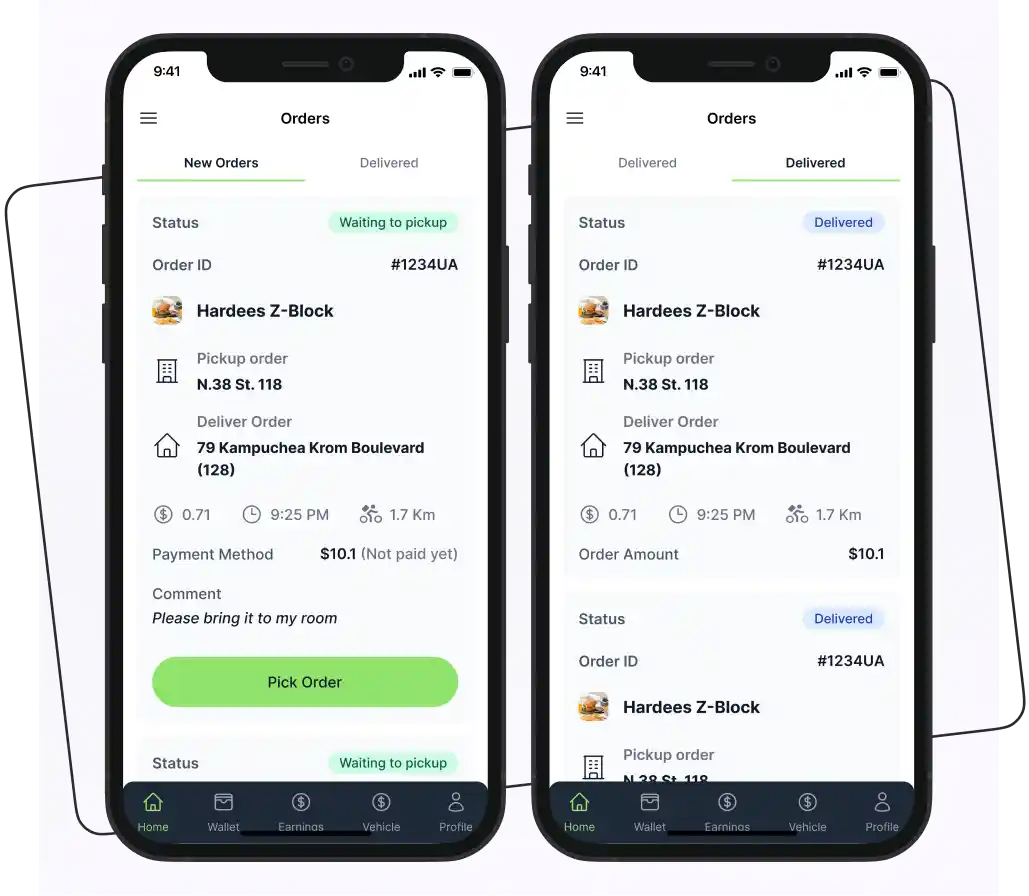
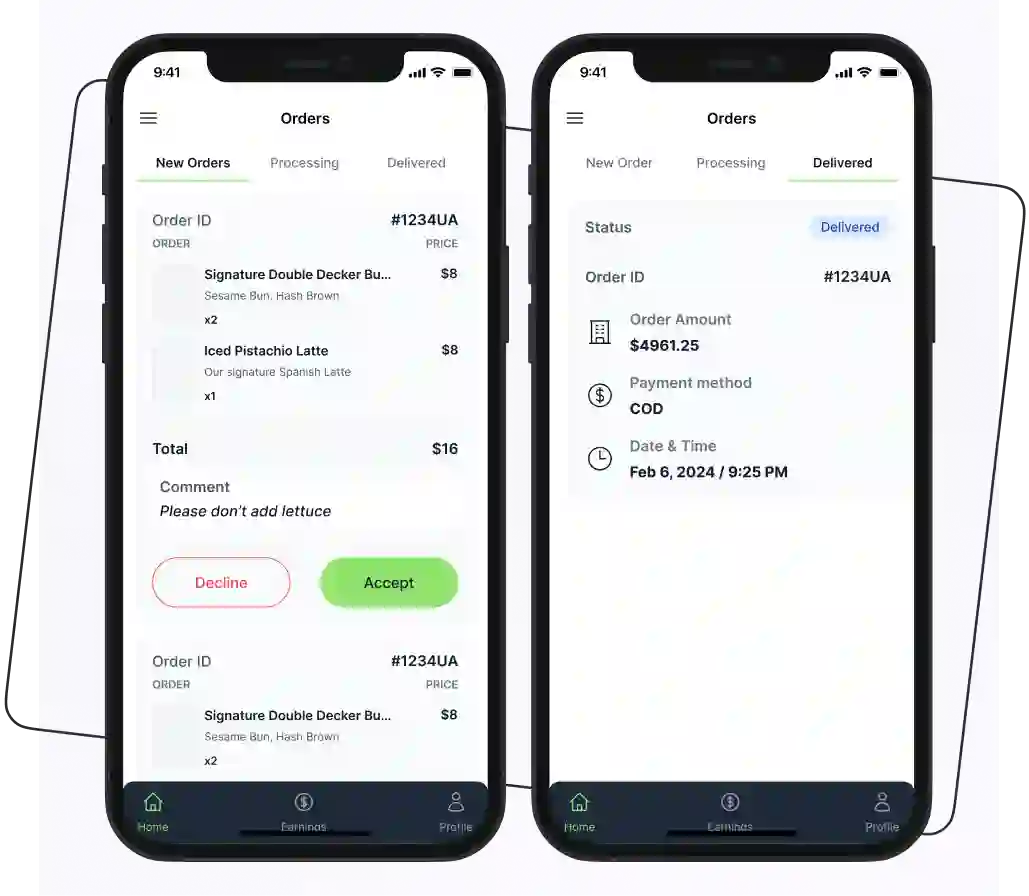
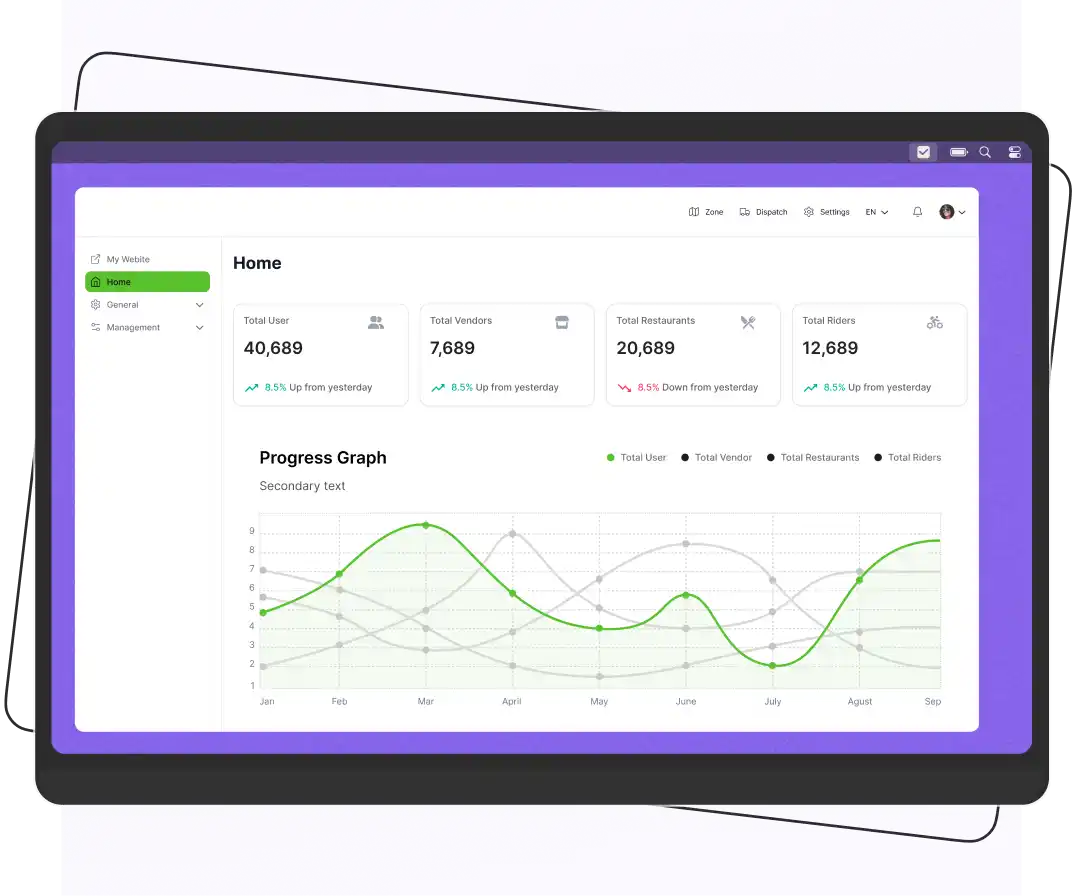
Here’s how it works step by step: 1. User Side (Customer App): The user downloads the app and registers or logs in. They can browse restaurants, view menus, check ratings, and add items to the cart. After selecting items, they place an order and make payment via card, wallet, or COD. The user can track the order in real time and get delivery updates. 2. Restaurant Side (Merchant Panel): The restaurant receives the order notification. They can accept or reject the order based on availability. Once accepted, they prepare the food and mark it ready for pickup. 3. Delivery Partner Side (Driver App): Nearby delivery drivers get a pickup request. The first available driver accepts the request and goes to the restaurant. After picking up the order, they deliver it to the customer’s location using GPS navigation. 4. Admin Panel: The admin manages the entire system, users, restaurants, drivers, commissions, and payments. Provides analytics, performance reports, and order tracking for operational efficiency.
The cost to build an app similar to UberEats varies widely, depending on features, platforms, tech stack and region. Here are some typical ranges: A basic version (single platform, core features) might cost around US $15,000-$30,000. A mid-level version (iOS + Android, standard features, moderate customization) may cost US $30,000-$60,000+. A high-complexity solution (multi-platform, advanced features, large scale, heavy customization) can cost US $80,000-$150,000+ or even higher.
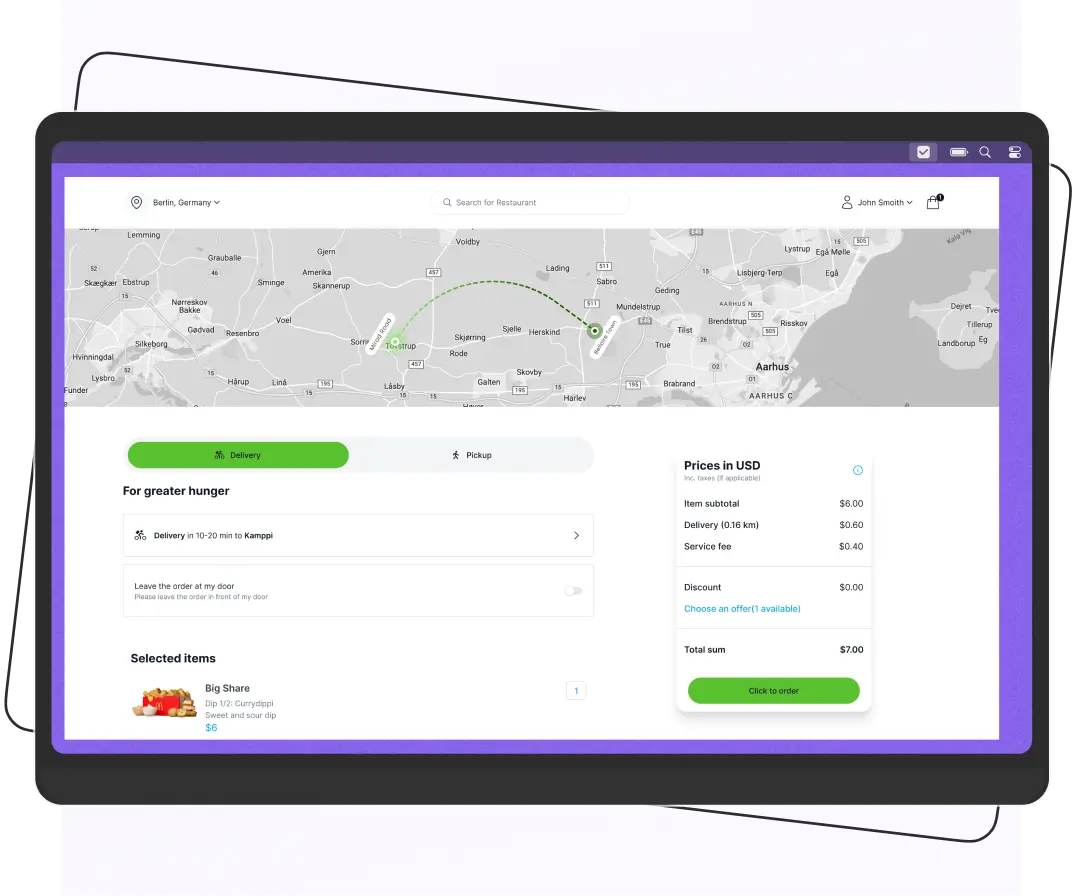
Yes, most UberEats clone apps include both web and mobile versions to provide a complete, multi-platform experience for all stakeholders (customers, restaurants, riders, and admins).
Building an UberEats clone instead of creating an app from scratch offers several major advantages in terms of cost, time, and scalability, especially for startups or food delivery businesses aiming to launch quickly. Here’s why it’s a smarter choice. 1. Faster Time to Market Developing a food delivery app from scratch can take 6–12 months. A ready-made UberEats clone reduces this to 2–4 weeks, allowing you to launch faster and start generating revenue sooner. 2. Cost-Effective Solution Building from scratch requires a large team (developers, designers, testers) and high development costs. A clone app can cut costs by up to 70% since the core features are pre-built. 3. Proven and Tested Architecture UberEats clones are based on tested frameworks that already handle real-world challenges like order management, real-time tracking, and payment integration, saving you from technical guesswork. 4. Full Customization You can easily customize the clone with your own branding, features, and unique selling points, such as loyalty programs, regional cuisines, or delivery options, without starting from zero. 5. Cross-Platform Availability Most clone solutions already come with iOS, Android, and Web versions, ensuring broad customer reach from day one. 6. Easy Integration with APIs Clone apps are built with modern tech stacks like MERN or Flutter, making it simple to integrate third-party APIs (Stripe, Google Maps, Twilio, etc.). 7. Lower Technical Risk Since the product is already stable and market-tested, you face fewer bugs, downtime, or scalability issues compared to a freshly built app.




 IOS
IOS Android
 Web
Web