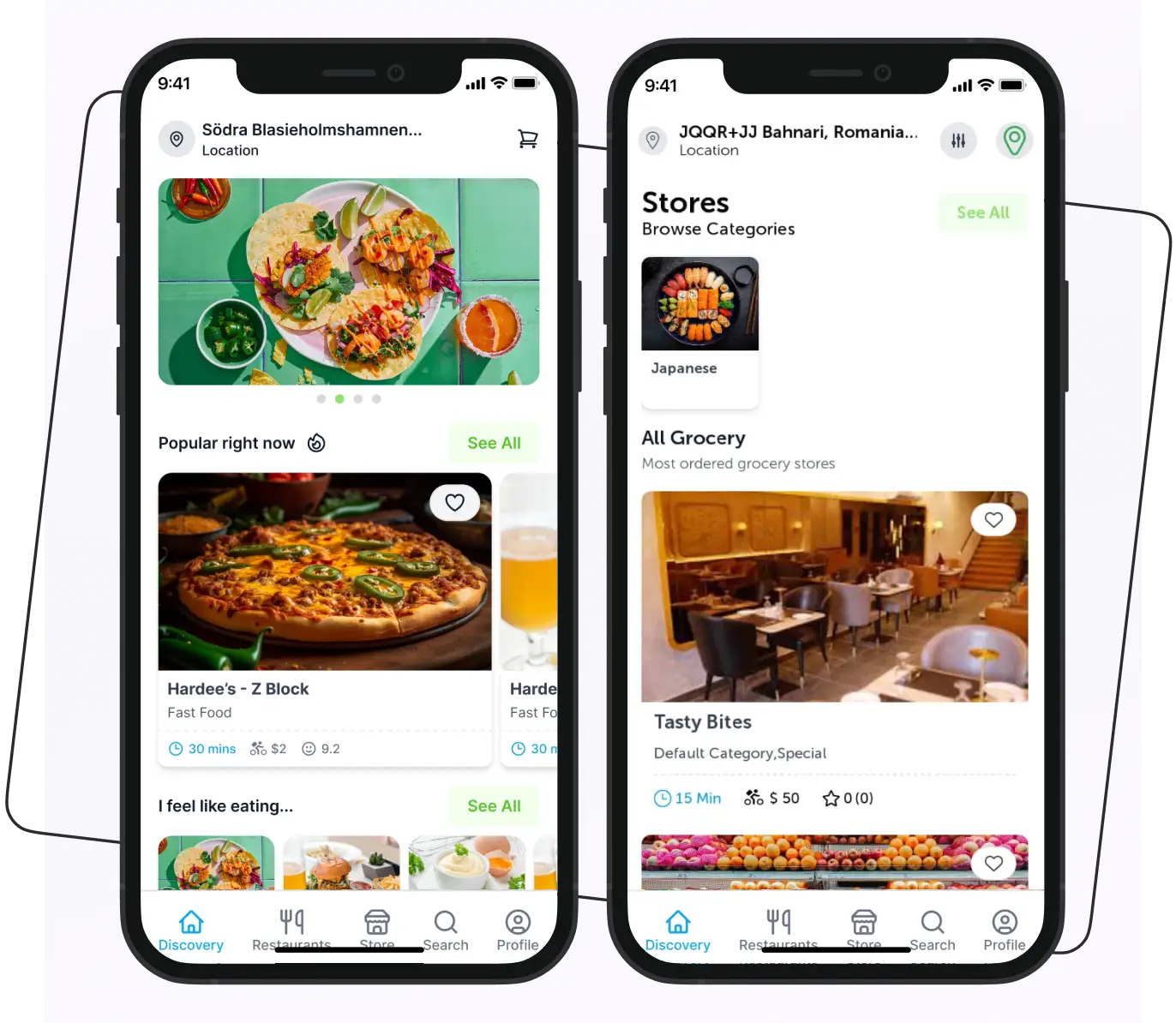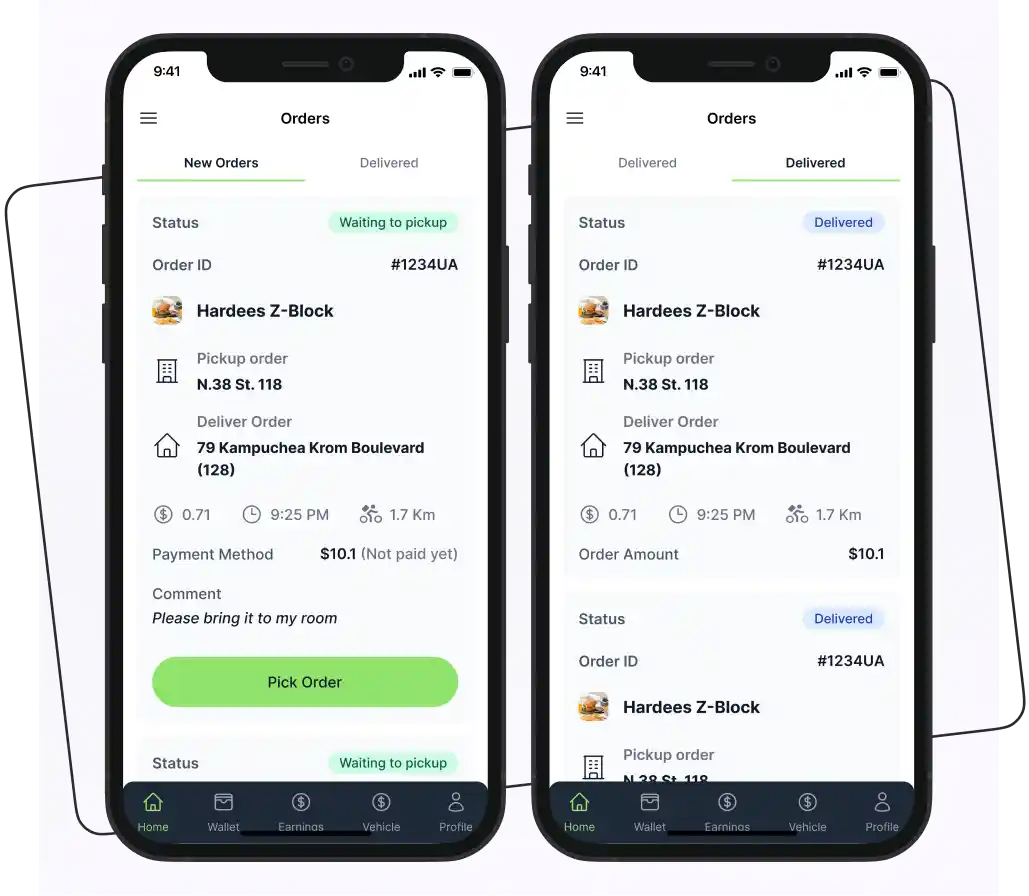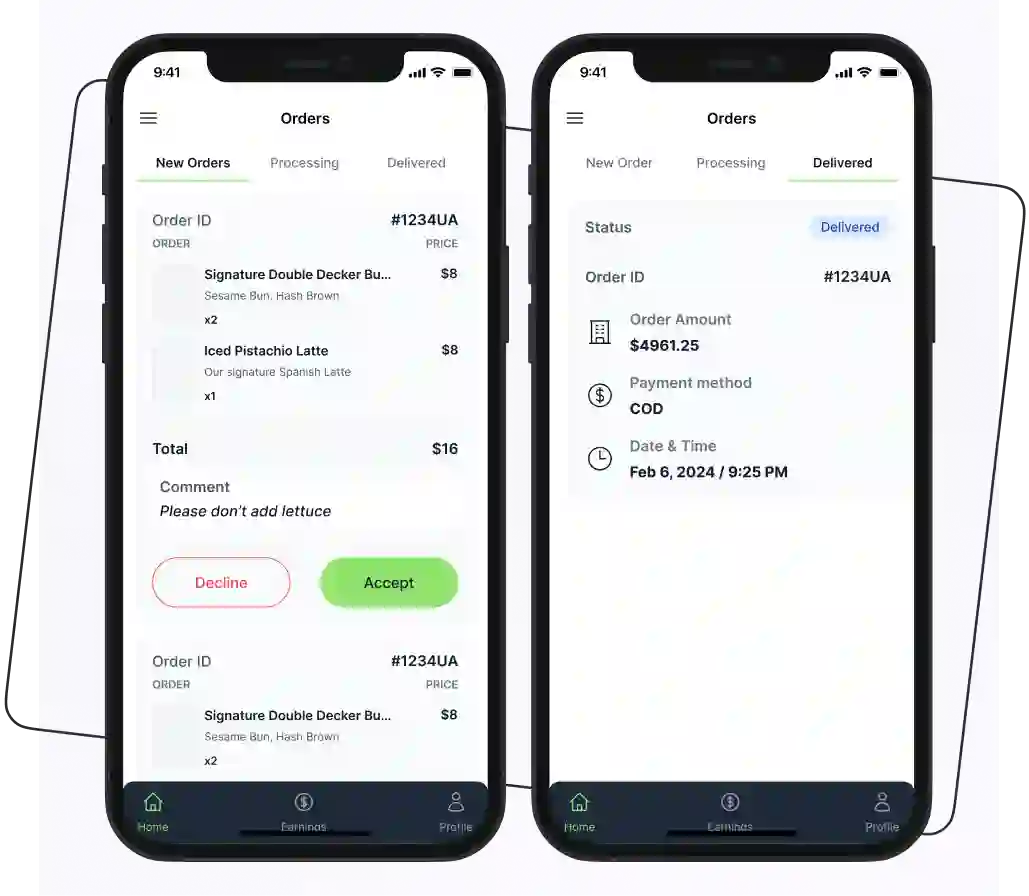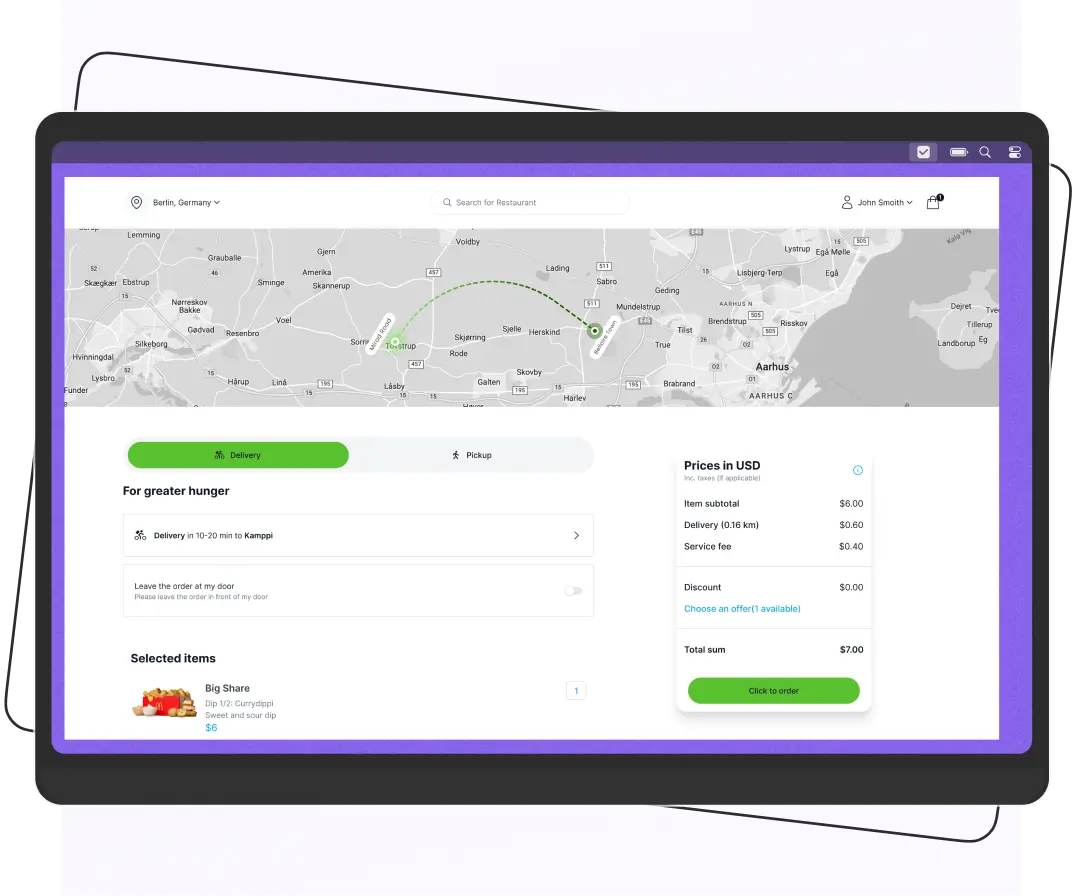
Get Backend API for Medicine Delivery App Android Studio
The medicine delivery app android studio frontend is open-source and easy to adapt. Unlock backend API functionality by arranging a call with our team. Access documentation and case studies online.



Frequently Asked Questions
A medicine delivery app is a digital platform that allows users to order prescription and over-the-counter medications and have them delivered directly to their homes.
Key features of medicine delivery app include: User Registration: Secure sign-up and login options for users to create accounts. Prescription Management: Ability to upload or enter prescriptions for medications, ensuring users receive the correct products. Medication Catalog: A searchable database of available medications, including details such as dosage, usage instructions, and prices. Order Tracking: Real-time updates on the status of orders, from processing to delivery. Payment Options: Multiple secure payment methods, including credit cards, digital wallets, and insurance integration. Pharmacist Consultation: Options for live chat or messaging with licensed pharmacists for inquiries and advice. Reminders and Notifications: Alerts for medication refills or reminders to take medications on time. Health Resources: Access to articles and information on health, wellness, and medication management.
Building a medicine delivery app involves several key steps: 1. Market Research Analyze existing apps and identify gaps or opportunities in the market. Understand user needs, preferences, and regulatory requirements. 2. Define Features User Side: User registration, prescription upload, medication catalog, order placement, payment processing, and order tracking. Pharmacy Side: Inventory management, order processing, and prescription verification. Admin Panel: User management, analytics, and order management. 3. Choose Technology Stack Frontend: React Native or Flutter for cross-platform mobile app development. Backend: Node.js with Express.js or Django for server-side development. Database: MongoDB or PostgreSQL for data storage. Payment Gateway: Stripe or PayPal for secure transactions. 4. Design UI/UX Create intuitive wireframes and prototypes focusing on user-friendly navigation. Ensure the design is compliant with health regulations and accessible. 5. Development Set up the backend server and database. Develop the frontend and backend components. Implement features such as prescription management, payment integration, and notifications. 6. Testing Conduct thorough testing for functionality, security, and usability. Use both manual and automated testing methods to identify and fix issues. 7. Compliance and Regulations Ensure the app complies with healthcare regulations, such as HIPAA in the U.S. or similar laws in other regions. 8. Deployment Choose a cloud service (e.g., AWS, Heroku) for hosting. Deploy the app to app stores (Google Play, Apple App Store) for user access. 9. Marketing and Launch Create a marketing strategy to promote your app. Use social media, SEO, and ads to attract users. 10. Maintenance and Updates Regularly update the app based on user feedback and new features. Monitor performance and address any issues promptly.
To order prescription medicines on a medicine delivery app, follow these general steps: Download and Install the App: Get the app from the Google Play Store or Apple App Store and install it on your device. Create an Account: Sign up by providing your details, such as name, email, and phone number. Some apps may require verification. Upload Prescription: If required, upload a clear photo or scan of your prescription. Ensure all details are readable. Search for Medicines: Use the app’s search function to find the prescribed medication. You can also browse categories if needed. Add to Cart: Select the medication and enter the required quantity. Add it to your cart. Review Your Order: Go to your cart to review the items, ensuring everything is correct. Choose Payment Method: Select a payment option (credit/debit card, digital wallet, etc.) and enter the necessary details. Provide Delivery Address: Enter your delivery address where you want the medicines to be sent. Place Your Order: Confirm your order by tapping on the relevant button. You may receive a confirmation notification. Track Your Order: Use the app’s tracking feature to monitor the status of your delivery in real-time. Receive Your Order: Once delivered, ensure to check the medicines and follow any provided instructions.
Saving your medical details in a medicine delivery app can be safe, but it largely depends on several factors: Data Security Measures: Check if the app uses strong encryption to protect your data both in transit and at rest. Regulatory Compliance: Ensure the app complies with relevant health regulations, such as HIPAA in the U.S. or GDPR in Europe, which govern the handling of personal health information. Privacy Policy: Review the app's privacy policy to understand how your data will be used, stored, and shared. User Control: Look for features that allow you to control your data, such as the ability to delete your information or revoke access. Reputation of the App: Use apps from reputable companies with good reviews and a track record of safeguarding user data. Two-Factor Authentication: Opt for apps that offer two-factor authentication for an extra layer of security during login.




 IOS
IOS Android
 Web
Web