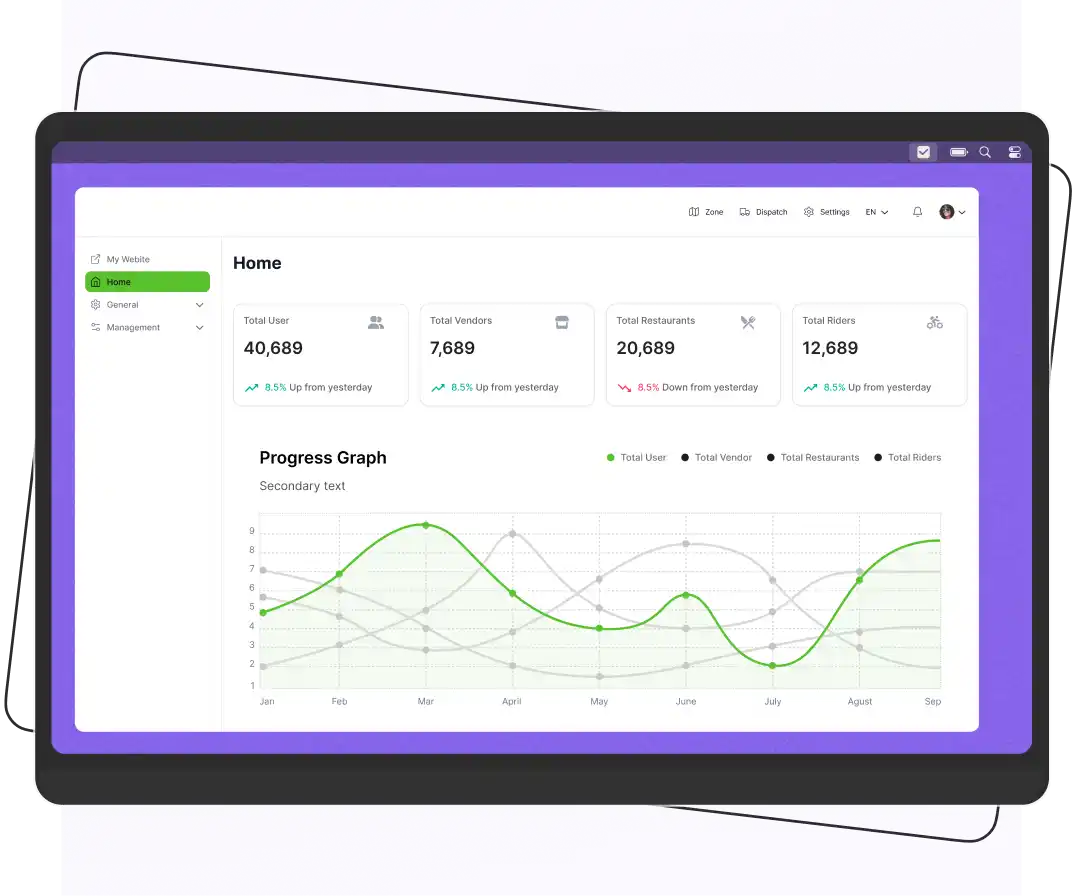
Get Backend API for Food Ordering App Project With Source Code
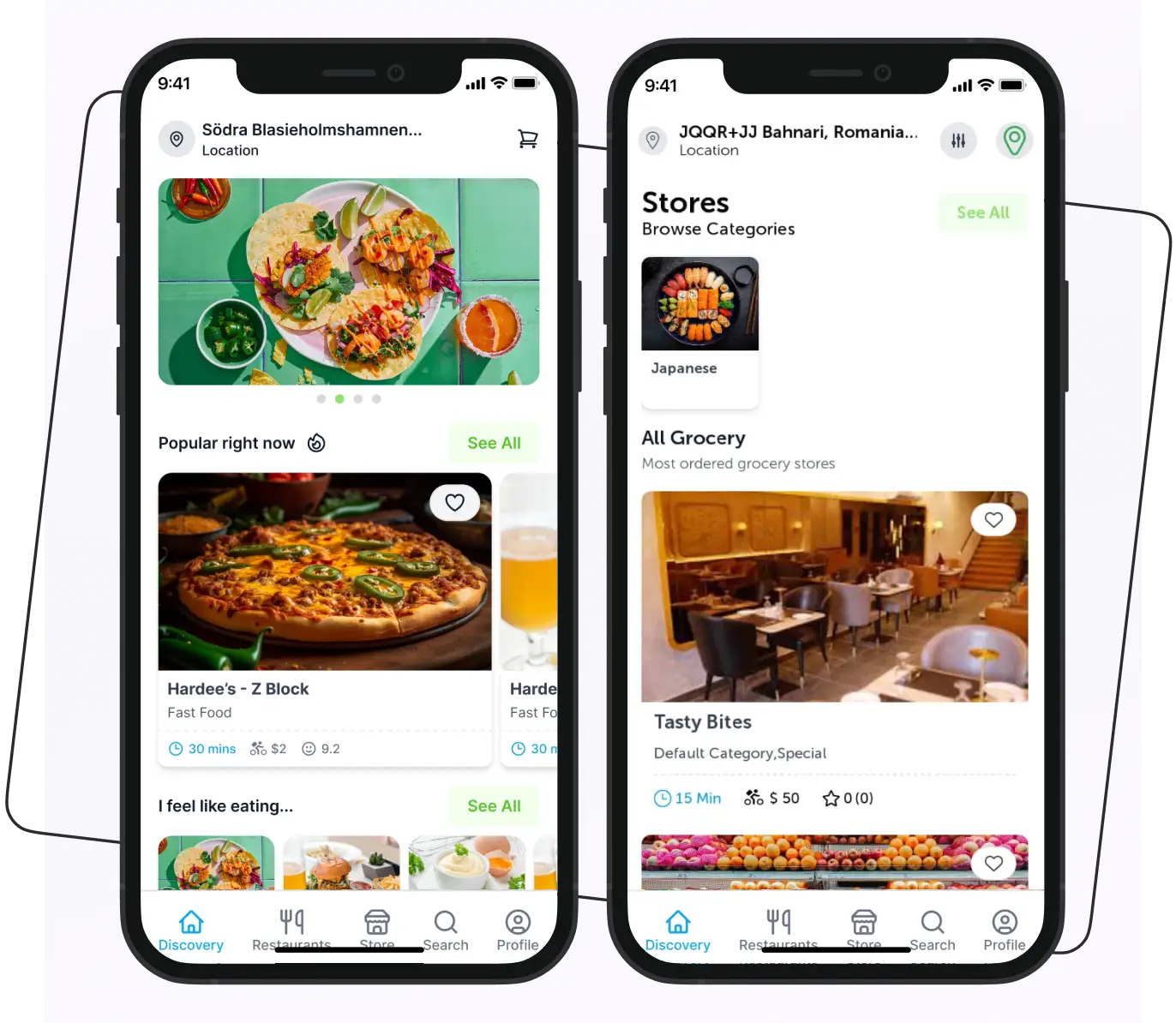
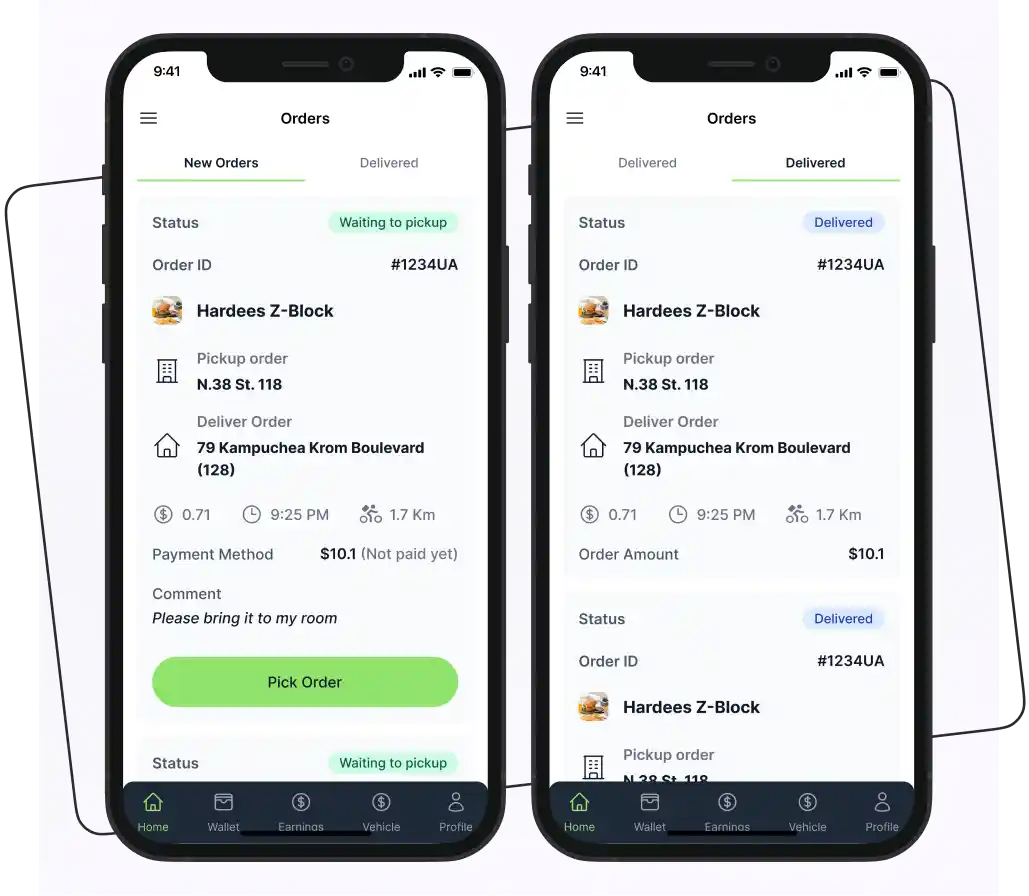
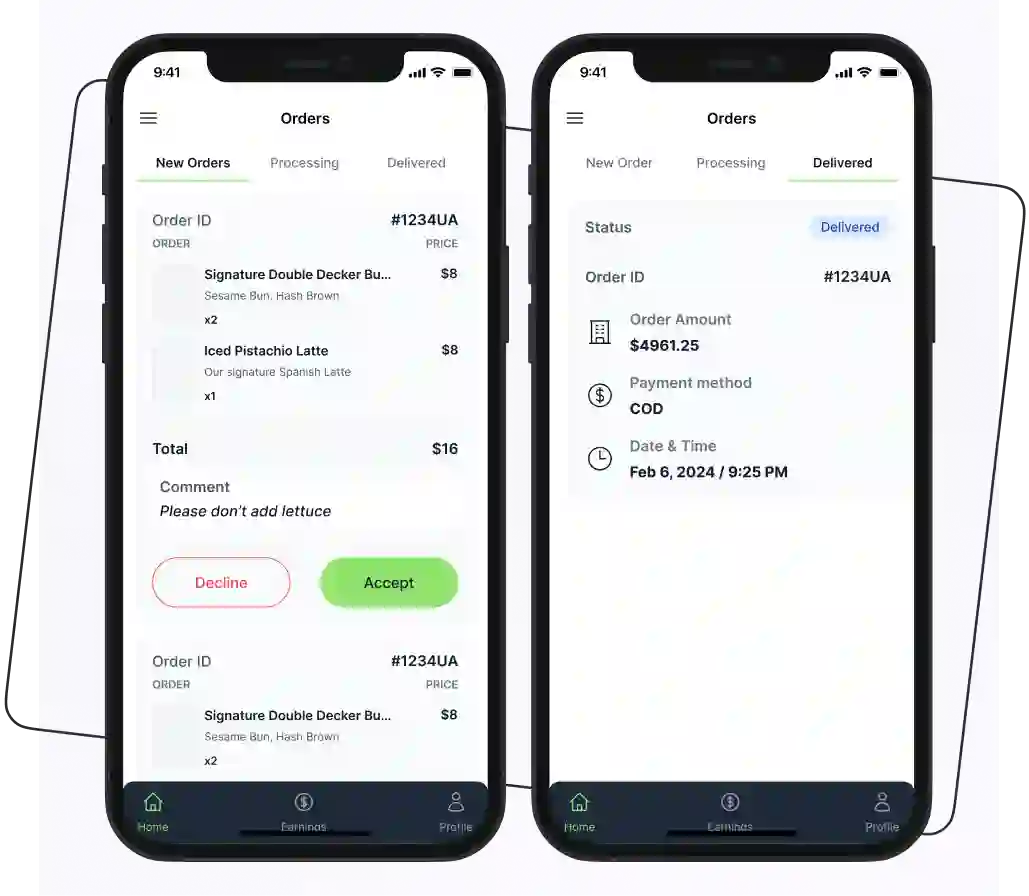
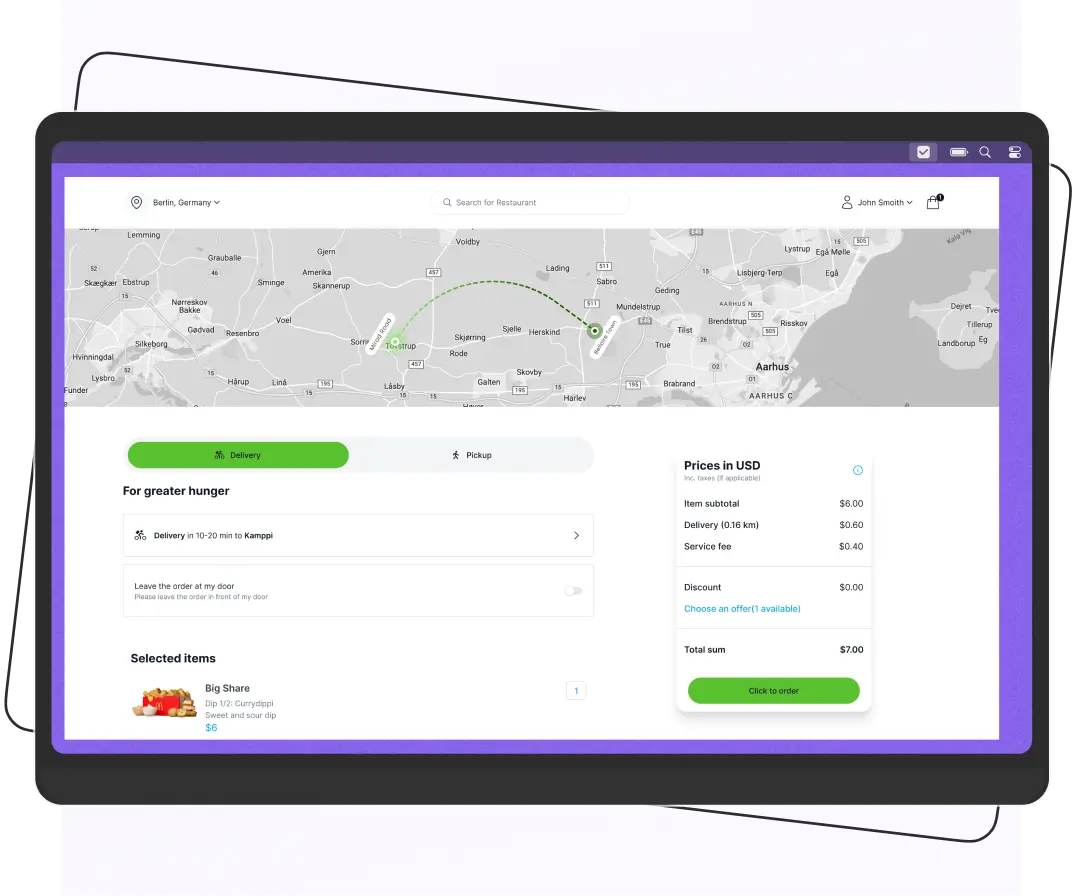
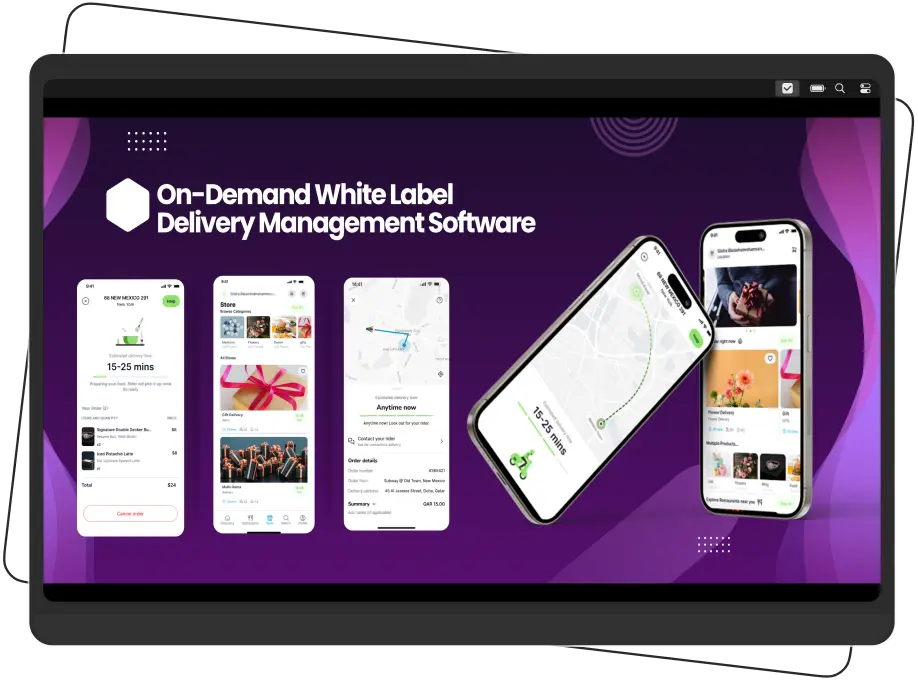
Explore the food ordering app project with source code frontend without restrictions. The backend API is licensed separately—get in touch with our team to enable it. Resources and demos are accessible.



Frequently Asked Questions
Building a food ordering app from scratch involves several key steps. Here are steps: 1. Plan Your Project Define features (user registration, menu display, cart, payment integration). Sketch the user interface and outline user journeys. 2. Set Up the Development Environment Choose a tech stack (e.g., React Native for the front end, Node.js for the back end). Install necessary tools (Node.js, code editor, database). 3. Create the Backend Set up a server using Express.js. Design the database schema (tables for users, restaurants, menu items, and orders) in a database like MongoDB or MySQL. Implement RESTful APIs for CRUD operations. 4. Develop the Frontend Initialize a React Native project. Create screens for home, menu, cart, and checkout. Use navigation libraries (like React Navigation) for easy transitions. 5. Connect Frontend to Backend Use Axios or Fetch API to connect the frontend to your backend APIs for fetching data and posting orders. 6. Implement Payment Processing Integrate a payment gateway (like Stripe or PayPal) for secure transactions. 7. Testing Thoroughly test the app for functionality, usability, and performance. Gather feedback for improvements. 8. Deployment Deploy the backend on a server (like Heroku or AWS). Build and publish the mobile app on the Google Play Store and Apple App Store.
The best programming languages for a food ordering app project depend on the specific requirements and architecture of the app. Here are some popular choices: 1. JavaScript (React Native) Use Case: Frontend development for mobile apps. Pros: Cross-platform capabilities, fast development, and a large ecosystem. 2. Swift Use Case: Native iOS app development. Pros: Optimized performance and access to the latest iOS features. 3. Kotlin Use Case: Native Android app development. Pros: Modern syntax, full compatibility with Java, and enhanced performance. 4. Node.js (JavaScript) Use Case: Backend development. Pros: Asynchronous processing, scalability, and a vast number of libraries. 5. Python Use Case: Backend development. Pros: Easy to learn, strong community support, and excellent for rapid prototyping.
Here are the key features to consider for a food ordering app project: 1. User Authentication Sign up and login options via email, phone, or social media accounts. 2. Restaurant Listings Display a list of nearby restaurants with filters and search functionality. 3. Menu Display Detailed menus with images, descriptions, prices, and customization options for food items. 4. Cart Management Add, remove, and modify items in the cart with real-time updates. 5. Order Tracking Real-time tracking of orders, showing status updates from preparation to delivery. 6. Payment Integration Secure payment processing options (credit/debit cards, wallets, etc.) with multi-currency support. 7. User Reviews and Ratings Allow users to rate and review restaurants and menu items to enhance trust and quality. 8. Push Notifications Send notifications for order status updates, promotions, and new restaurant listings. 9. Loyalty Programs and Discounts Implement rewards or discounts for frequent users to encourage repeat business. 10. Admin Dashboard A backend interface for restaurant owners to manage menus, orders, and track performance analytics.




 IOS
IOS Android
 Web
Web