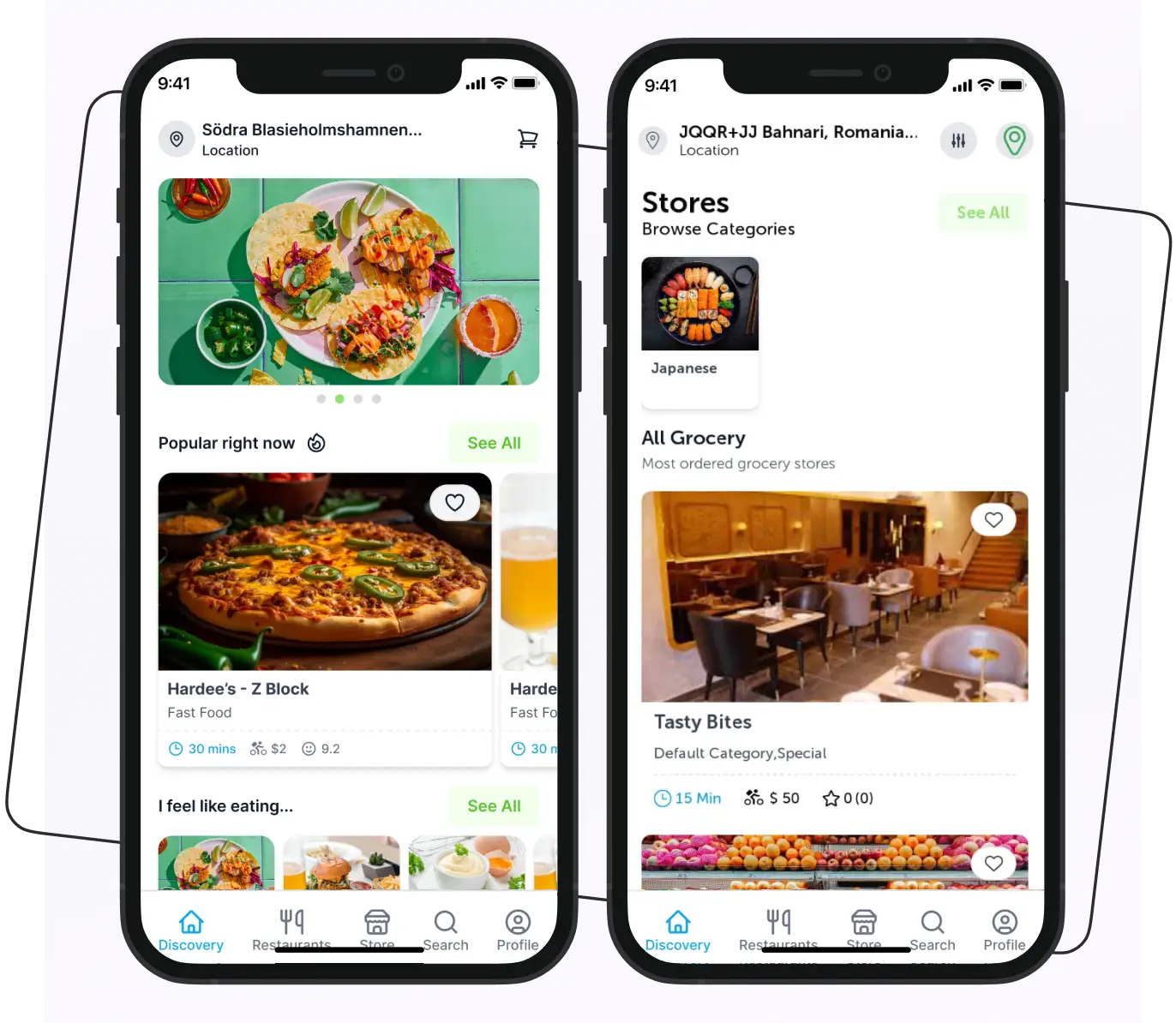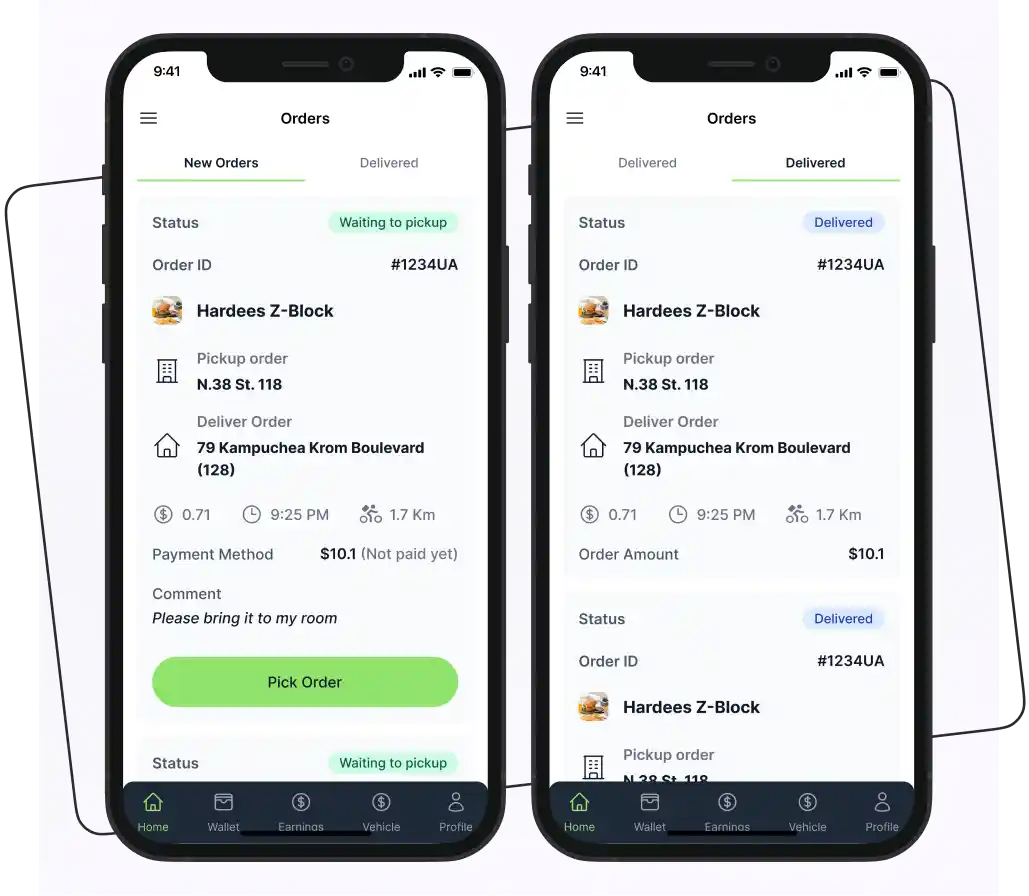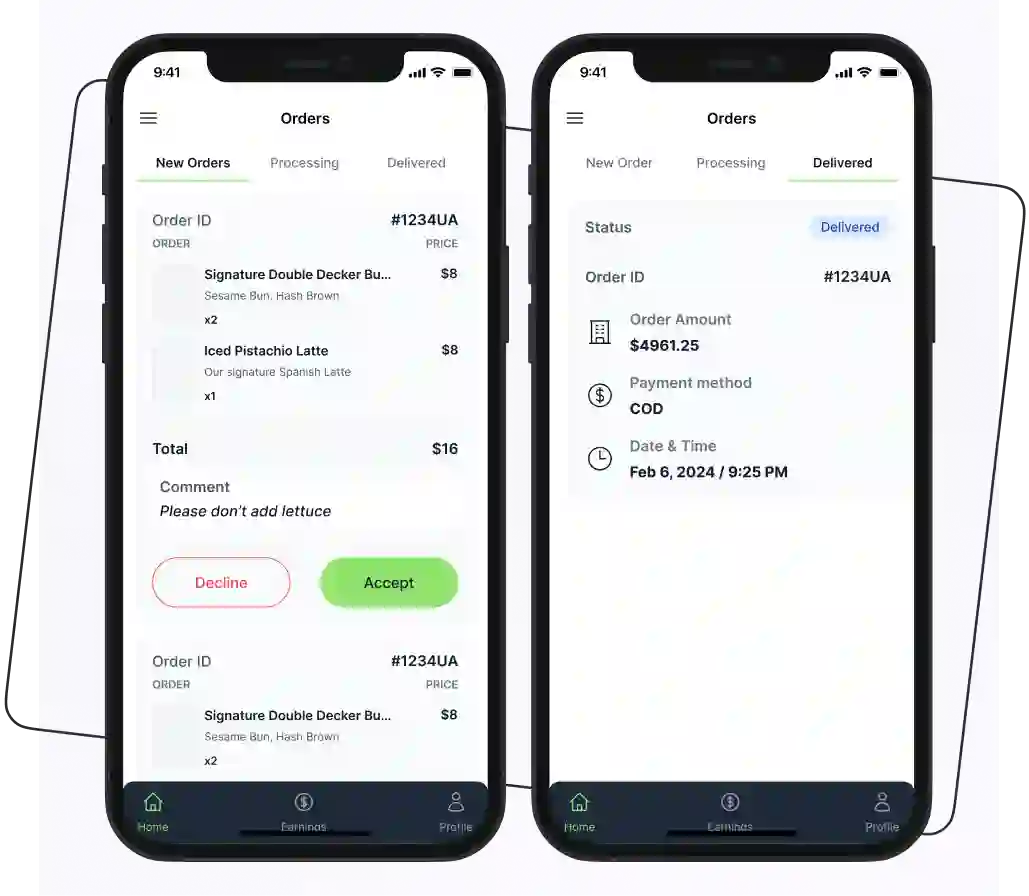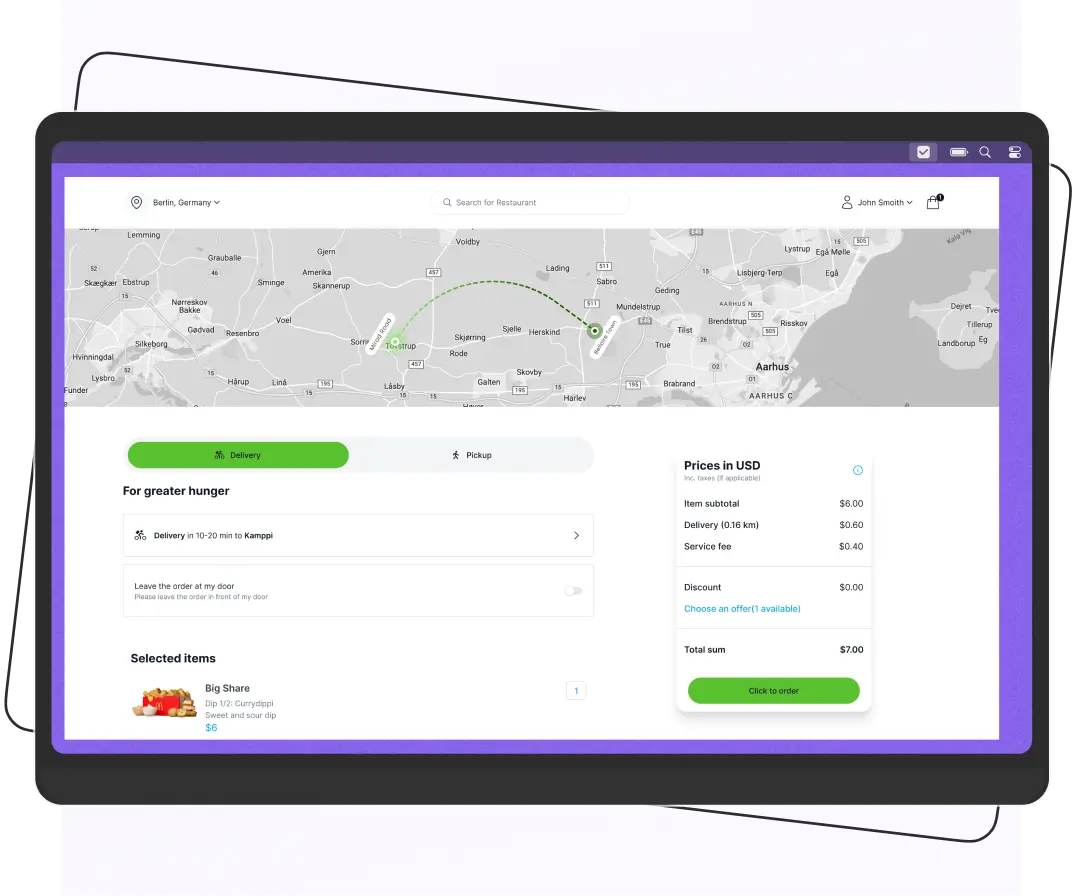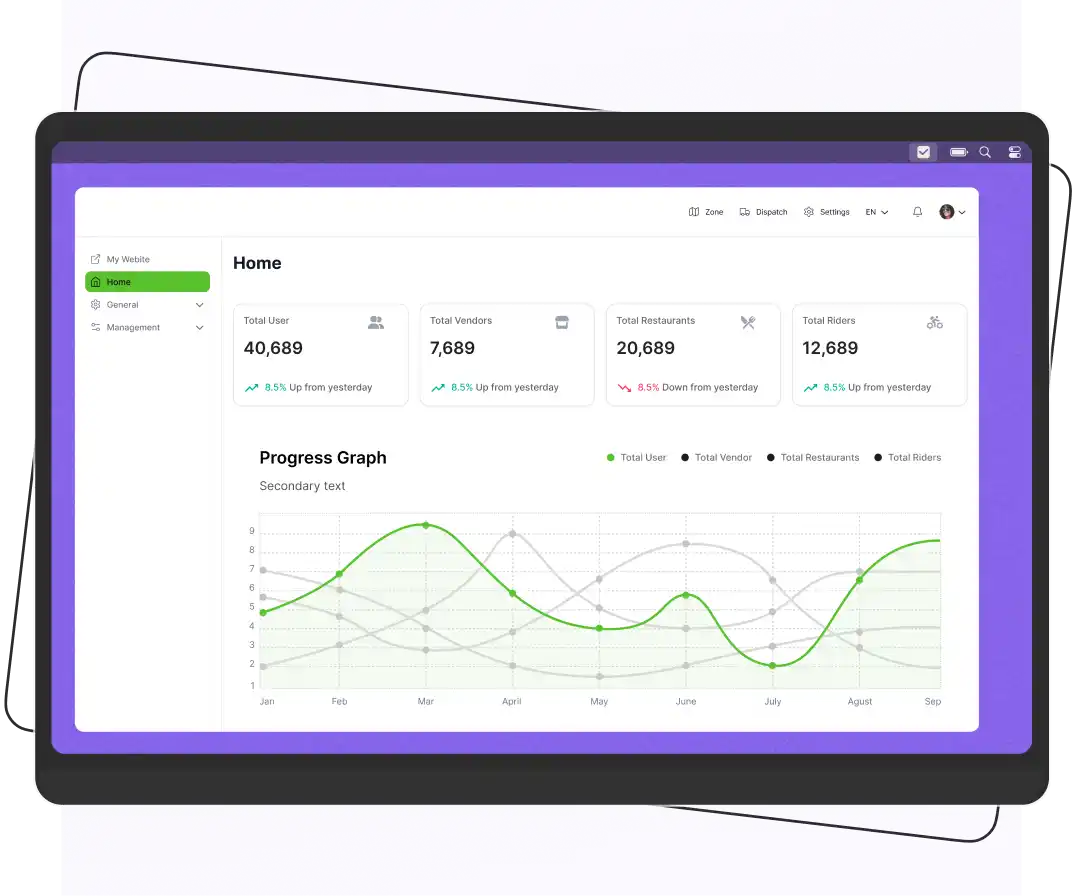
Get Backend API for Online Ordering And Delivery System Using Mern Stack
Start with the online ordering and delivery system using mern stack frontend, which is free and open-source. To unlock the backend API, schedule a call with our sales team. Documentation and real-world examples are provided.



Frequently Asked Questions
An online ordering and delivery system is a digital platform that allows customers to place orders for food or products online and have them delivered to their location. It connects customers, businesses, and delivery agents through a single interface, managing everything from order placement and payment to real-time tracking and delivery completion.
To build an online ordering and delivery system, follow these steps: Define requirements: List features like menus, cart, payments, delivery tracking, and admin dashboards. Choose technology stack: Common choices: Frontend: React.js, Angular, or Vue.js Backend: Node.js with Express, Laravel (PHP), or Django (Python) Database: MongoDB, MySQL, or PostgreSQL Mobile apps: React Native or Flutter Design UI/UX: Create user-friendly interfaces for customers, restaurants, and delivery partners. Develop backend APIs: Handle user authentication, order management, payment processing, and real-time updates. Integrate third-party services: Payment gateways (Stripe, PayPal) and maps/navigation (Google Maps API). Implement real-time features: Use WebSockets or Firebase for live order tracking. Test the system: Perform functional, performance, and security testing. Deploy and maintain: Host on cloud servers (AWS, GCP, DigitalOcean) and regularly update features and security.
Choosing the MERN stack (MongoDB, Express.js, React, Node.js) for online food delivery apps is ideal because it offers full-stack JavaScript development, enabling faster and more efficient coding. It provides high performance, scalability, real-time updates, and a component-based architecture for React, making it easier to build interactive, responsive, and maintainable food delivery applications.




 IOS
IOS Android
 Web
Web