Get Backend API for Food Ordering System Android Studio
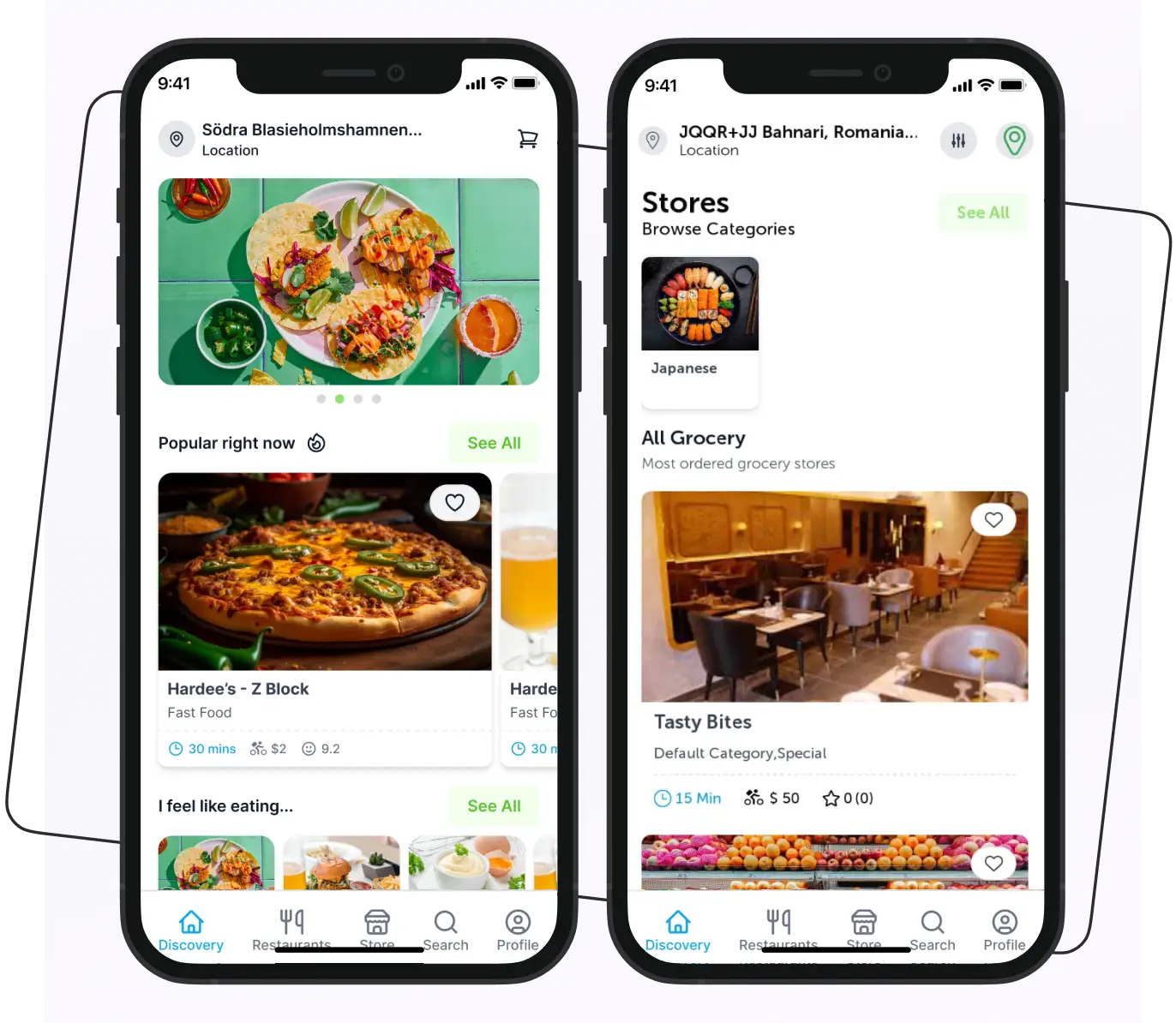
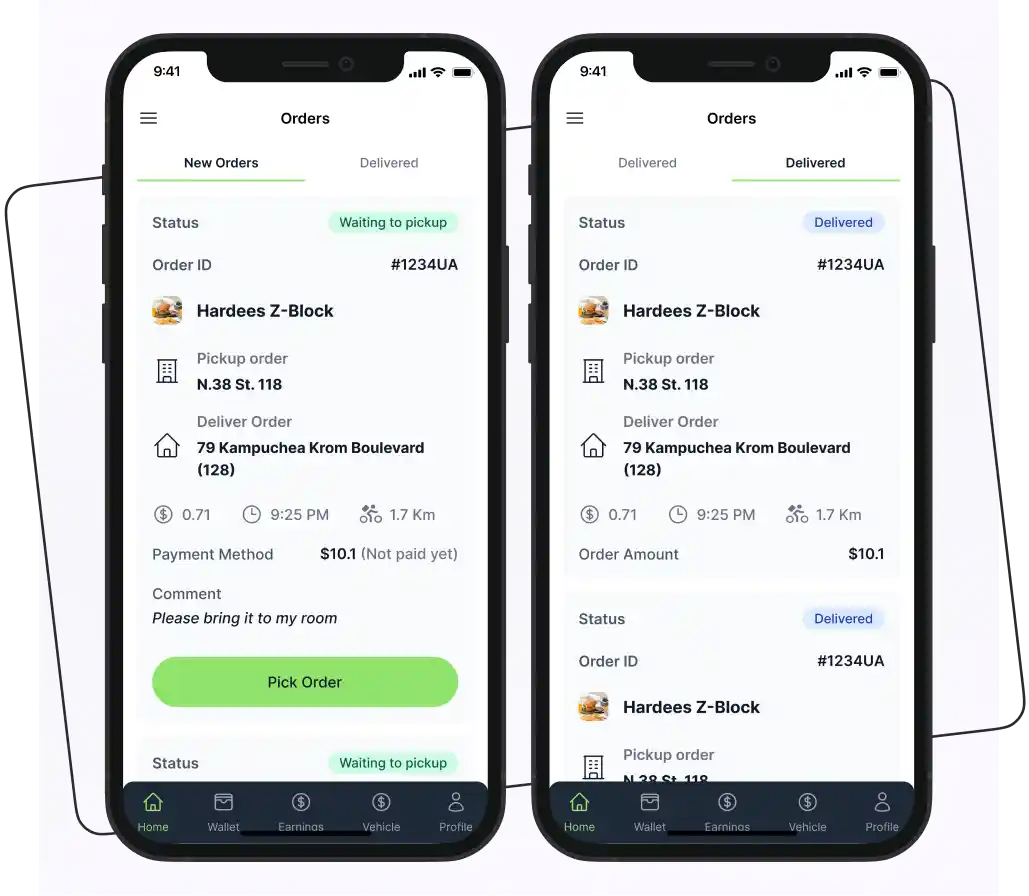
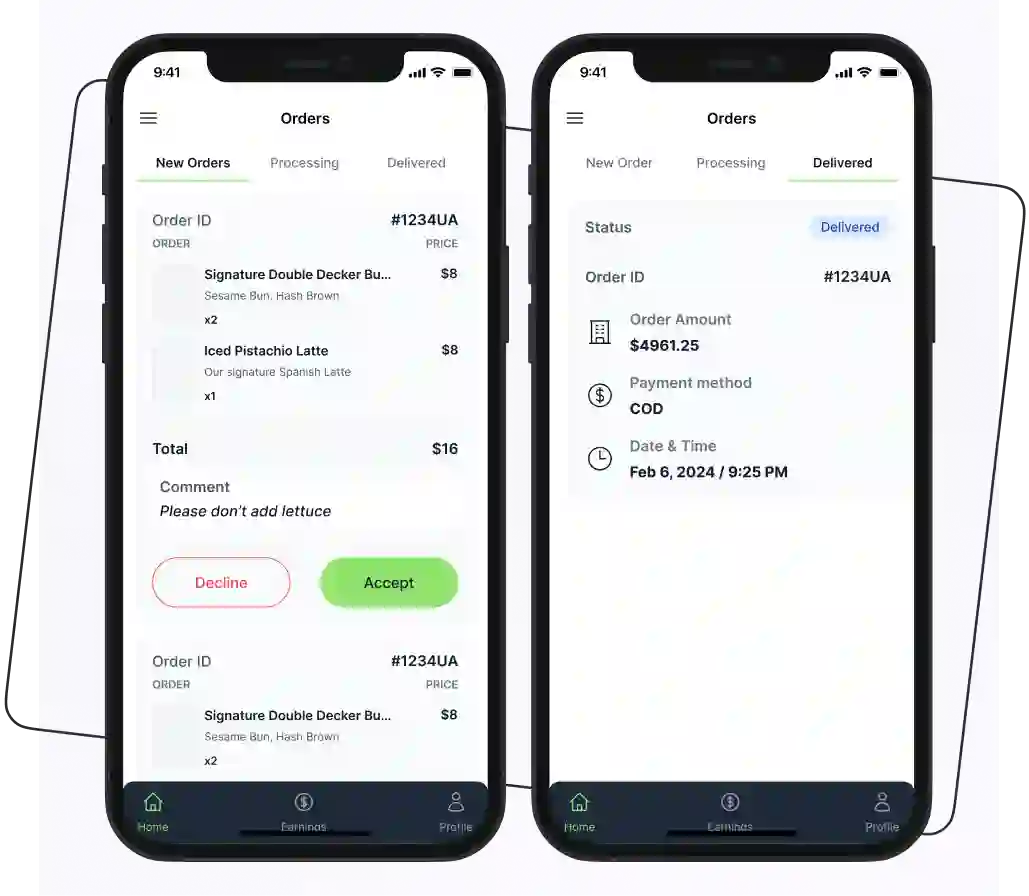
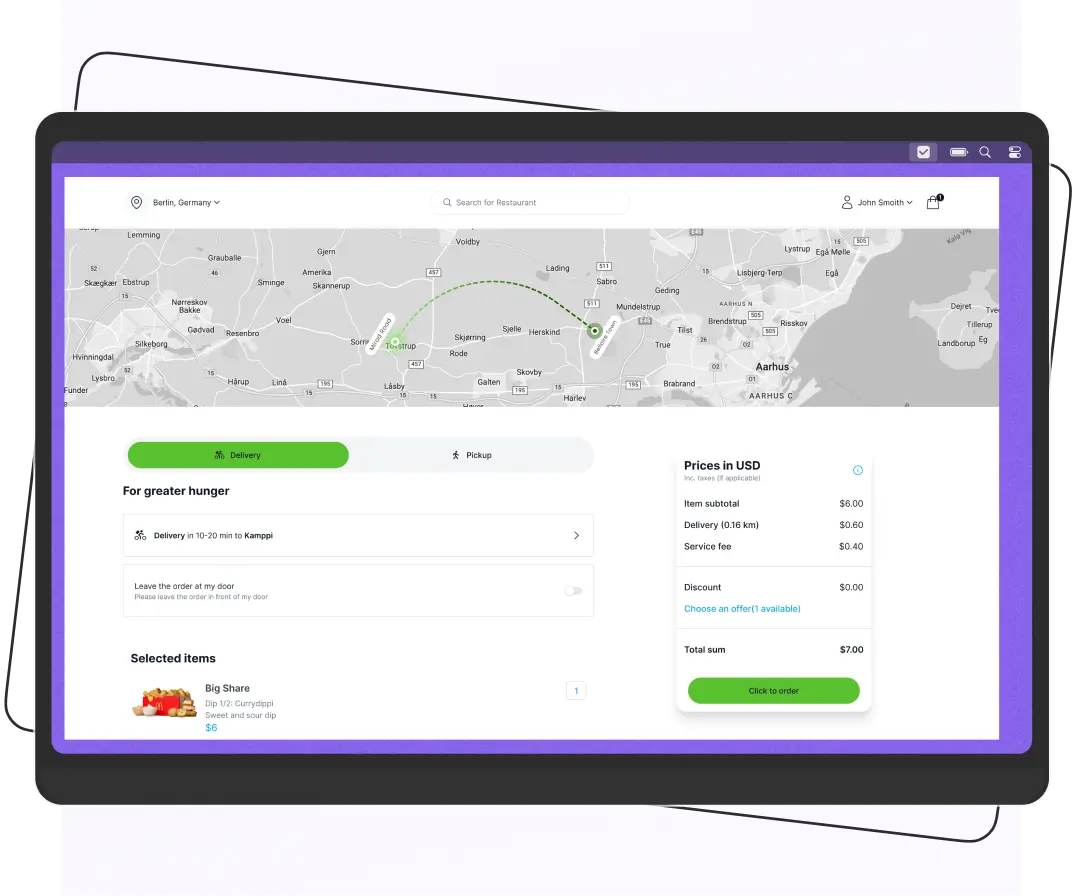
Build faster using the food ordering system android studio open-source frontend. To integrate the backend API, reach out to our sales team. Case studies and technical documentation are available.



Frequently Asked Questions
The core features of a food ordering system built in Android Studio include: User Registration/Login: Secure authentication for customers and restaurant staff. Menu Management: Display and update food items, prices, and descriptions. Order Placement: Easy selection and customization of menu items with a streamlined checkout process. Payment Integration: Support for various payment methods (credit/debit cards, digital wallets). Order Tracking: Real-time updates on order status from placement to delivery. User Profiles: Allow customers to save preferences, addresses, and payment methods. Push Notifications: Alerts for order confirmations, status updates, and promotions. Admin Dashboard: For restaurant management to handle orders, inventory, and customer feedback.
Android Studio is ideal for building a food ordering system due to its: Comprehensive Development Environment: It offers tools for coding, debugging, and testing Android applications. Rich UI Design: Intuitive drag-and-drop features and XML layouts enable the creation of user-friendly interfaces. Integration with APIs: Easy integration with various APIs for payment processing, maps, and notifications. Strong Community Support: A large community provides extensive resources, libraries, and plugins to enhance functionality. Performance Optimization: Built-in tools help optimize app performance and ensure a smooth user experience.
In an Android Studio food ordering system, the primary programming languages used are: Java: Traditionally the main language for Android development, offering extensive libraries and frameworks. Kotlin: Now the preferred language for Android development, known for its conciseness and modern features. XML: Used for designing user interfaces and layouts within the app. SQL: For database management, especially if using SQLite for local data storage.
Developing a food ordering system using Android Studio offers several advantages: Cross-Platform Compatibility: With Android's extensive market share, the app can reach a wide audience across various devices. User-Friendly Interface: Android Studio provides tools for creating intuitive and responsive user interfaces, enhancing user experience. Rich Libraries and APIs: Access to a vast array of libraries and APIs for functionalities like payment processing, geolocation, and notifications. Community Support: A large and active developer community offers resources, tutorials, and forums for troubleshooting and best practices. Testing and Debugging Tools: Integrated tools for testing and debugging help ensure the app is robust and performs well under various conditions. Regular Updates: Continuous updates from Google keep the platform modern and secure, incorporating the latest features and enhancements.




 IOS
IOS Android
 Web
Web