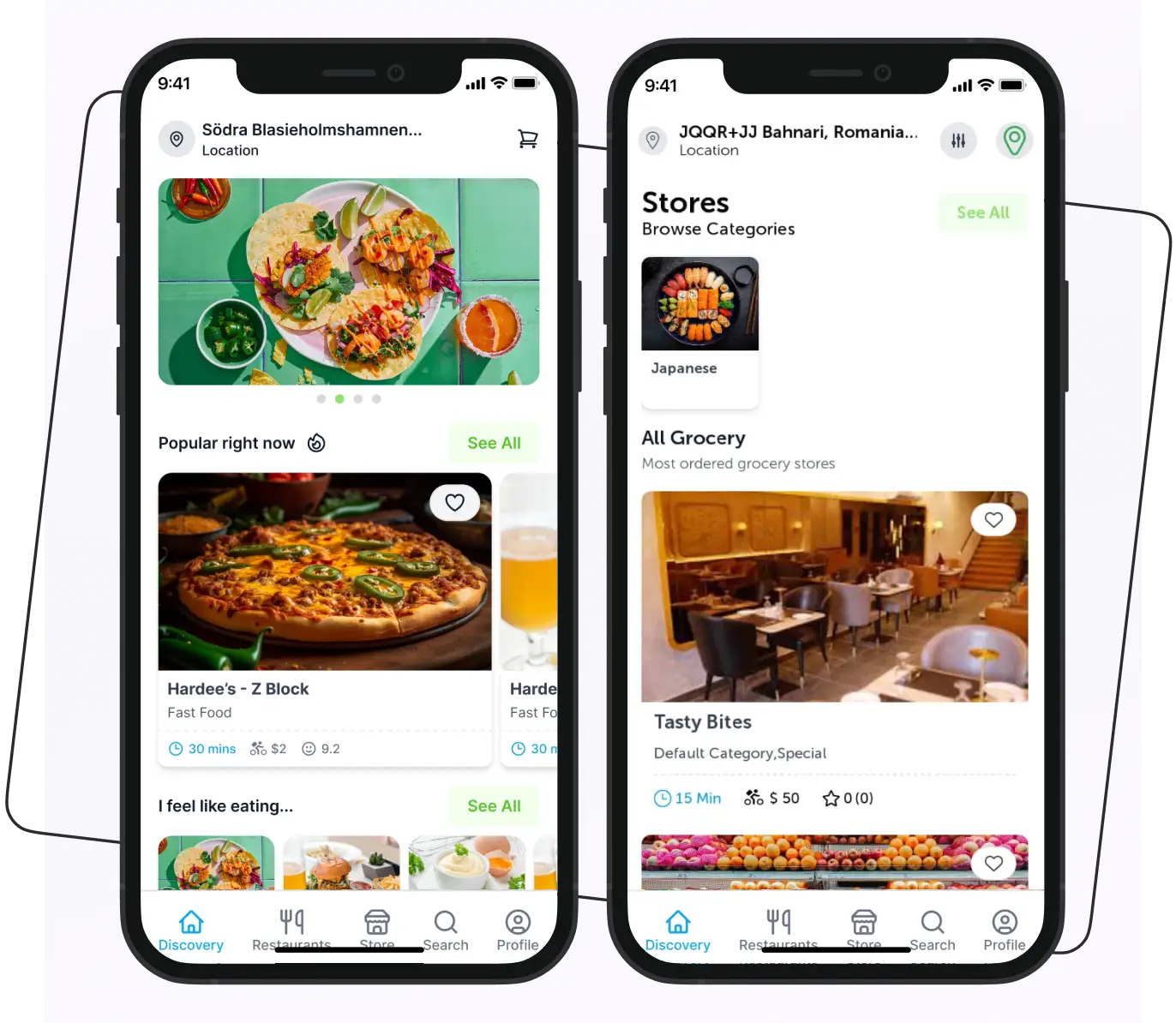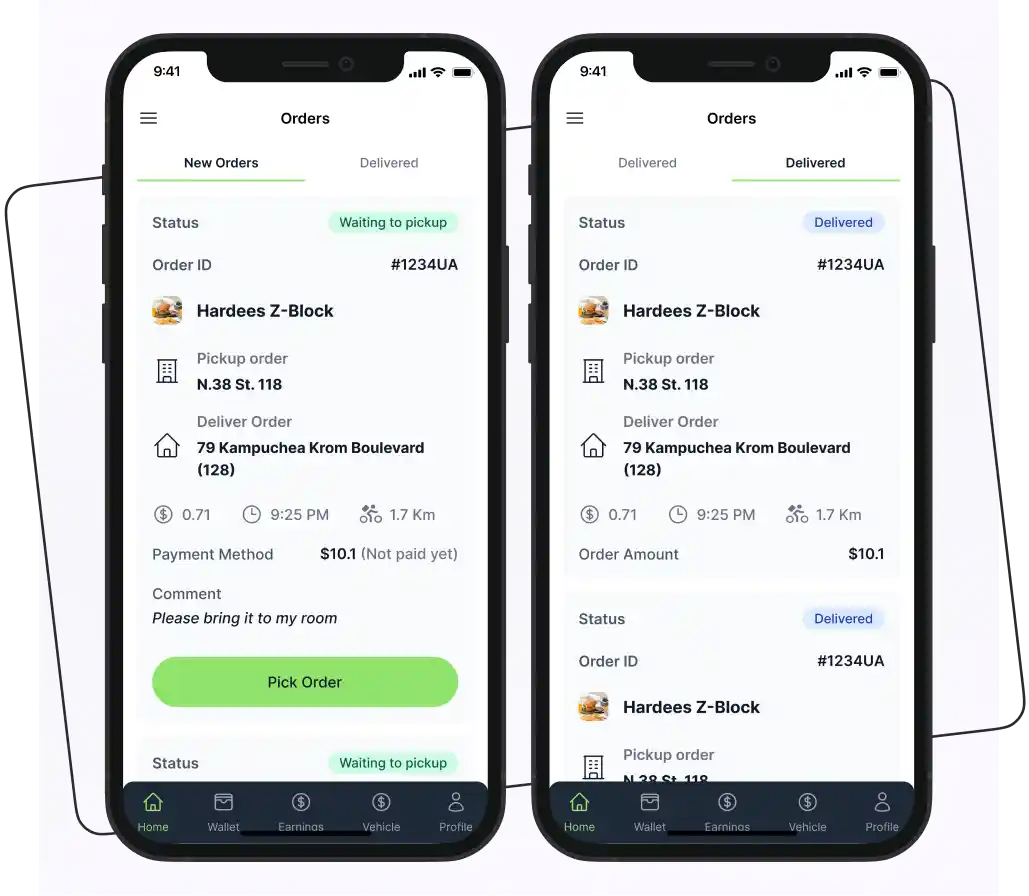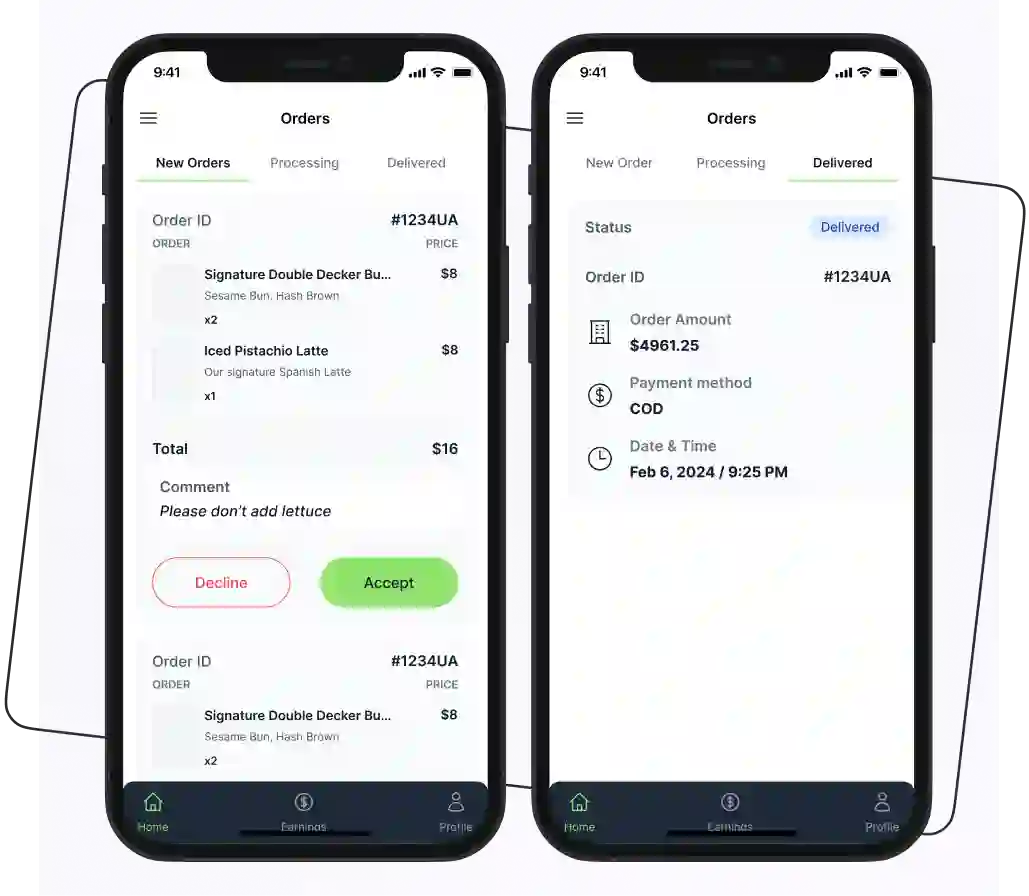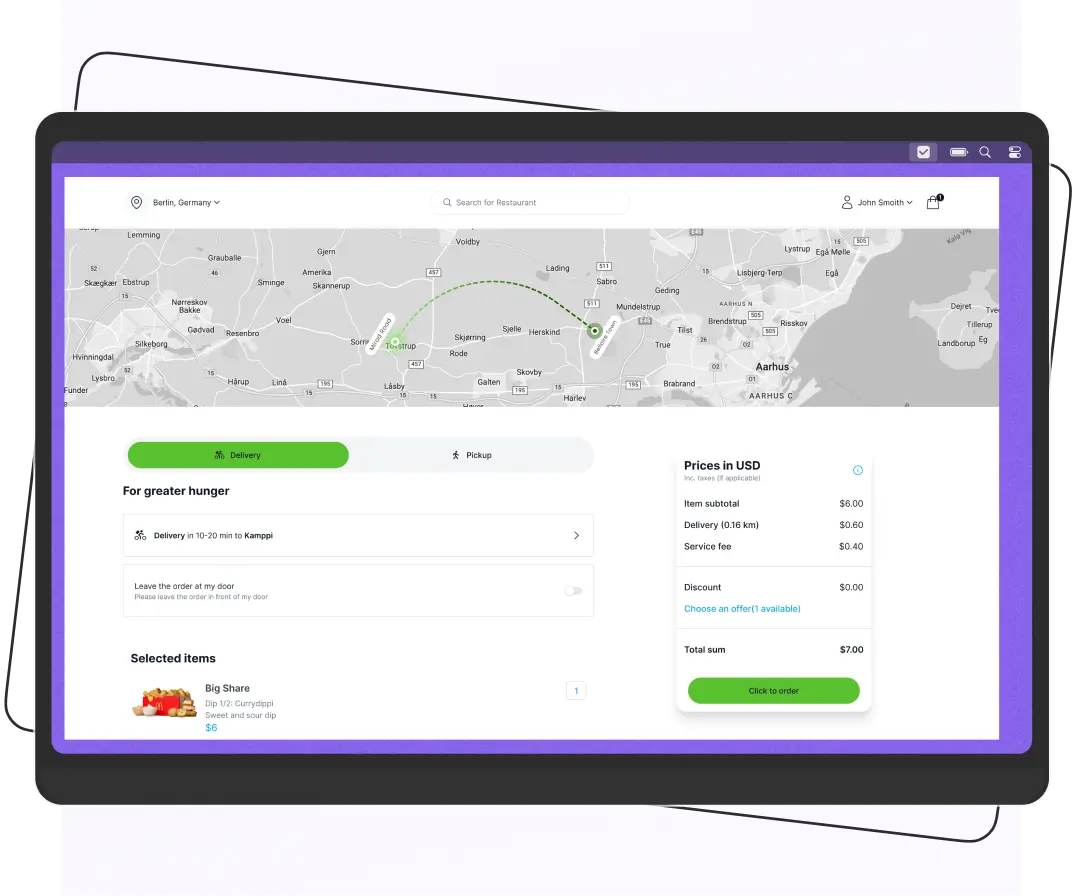
Get Backend API for Restaurant Delivery Apps
Customize the restaurant delivery apps frontend as you need. The backend API comes with a license—schedule a discussion with our team to gain access. Demos and documentation are ready.



Frequently Asked Questions
Restaurant delivery apps are mobile applications that allow users to order food from local restaurants for delivery. They feature menu browsing, order placement, secure payment processing, real-time tracking, and user reviews, enhancing the convenience of dining at home.
Restaurant delivery apps are popular today for several reasons: Convenience: They allow users to order food from the comfort of their homes or workplaces without needing to visit a restaurant. Variety: Users can access a wide range of cuisines and restaurant options, often in one platform. Time-Saving: Delivery apps save time by eliminating the need for meal preparation and travel. Real-Time Tracking: Customers appreciate the ability to track their orders in real-time, enhancing the overall experience. Promotions and Discounts: Many apps offer special deals and discounts, attracting users looking for cost-effective dining options.
The most used restaurant delivery app worldwide is Uber Eats. It operates in numerous countries and cities, offering a wide variety of restaurant options and a user-friendly interface. Other popular apps include DoorDash, Grubhub, and Deliveroo, but Uber Eats remains a leader in the global market due to its extensive reach and partnerships with many restaurants.
The cost to build a restaurant delivery app can range from $20,000 to $250,000 depending on factors like features, platform, design, and location. A basic app may cost around $20,000 to $50,000, while more complex apps with advanced features can exceed $100,000.
Restaurant delivery apps make money through several methods: Delivery Fees: Users pay a fee for delivery services, which varies based on distance and order size. Commission from Restaurants: Restaurants pay a commission (15-30%) on each order placed through the app, providing a significant revenue source.




 IOS
IOS Android
 Web
Web