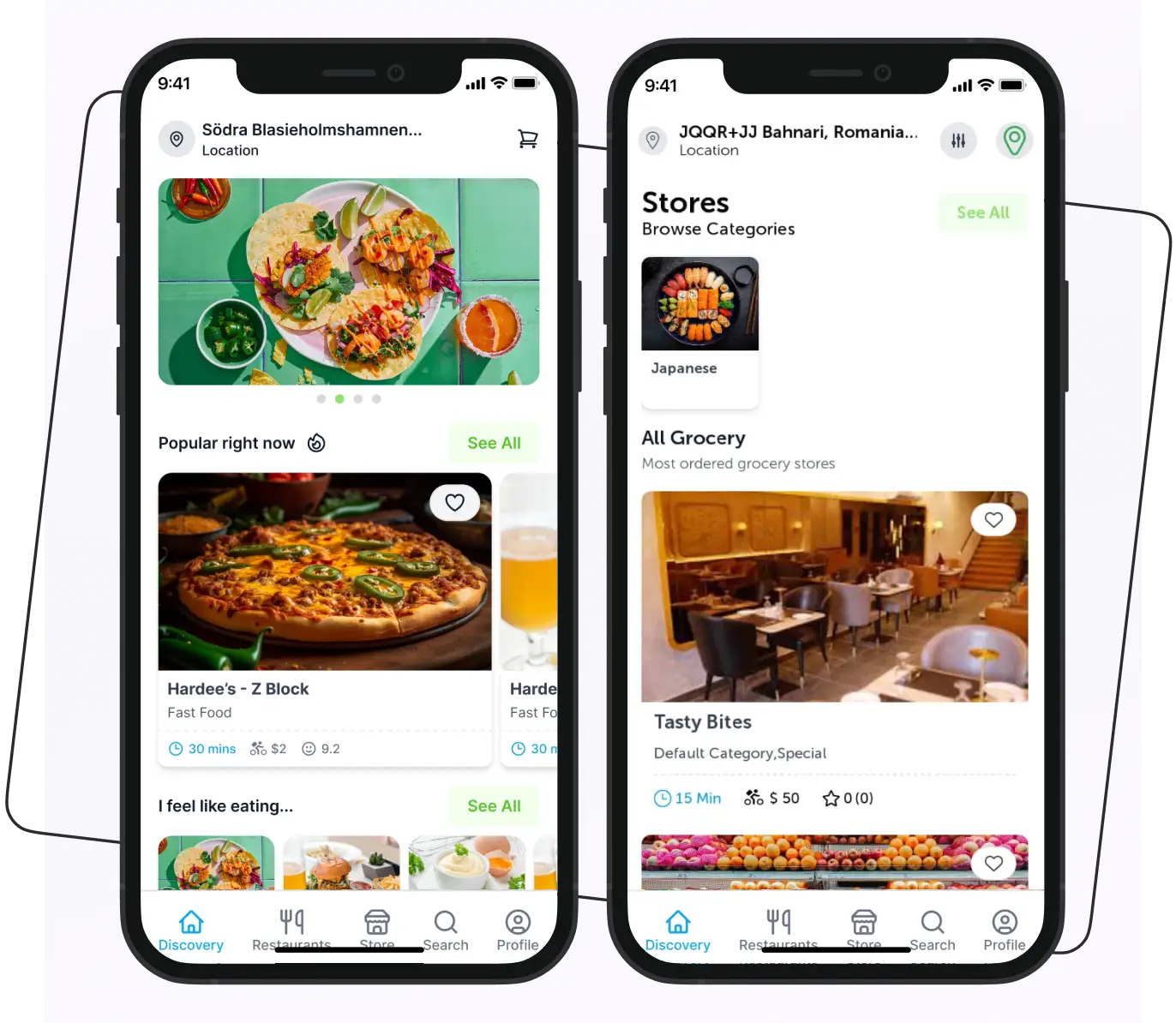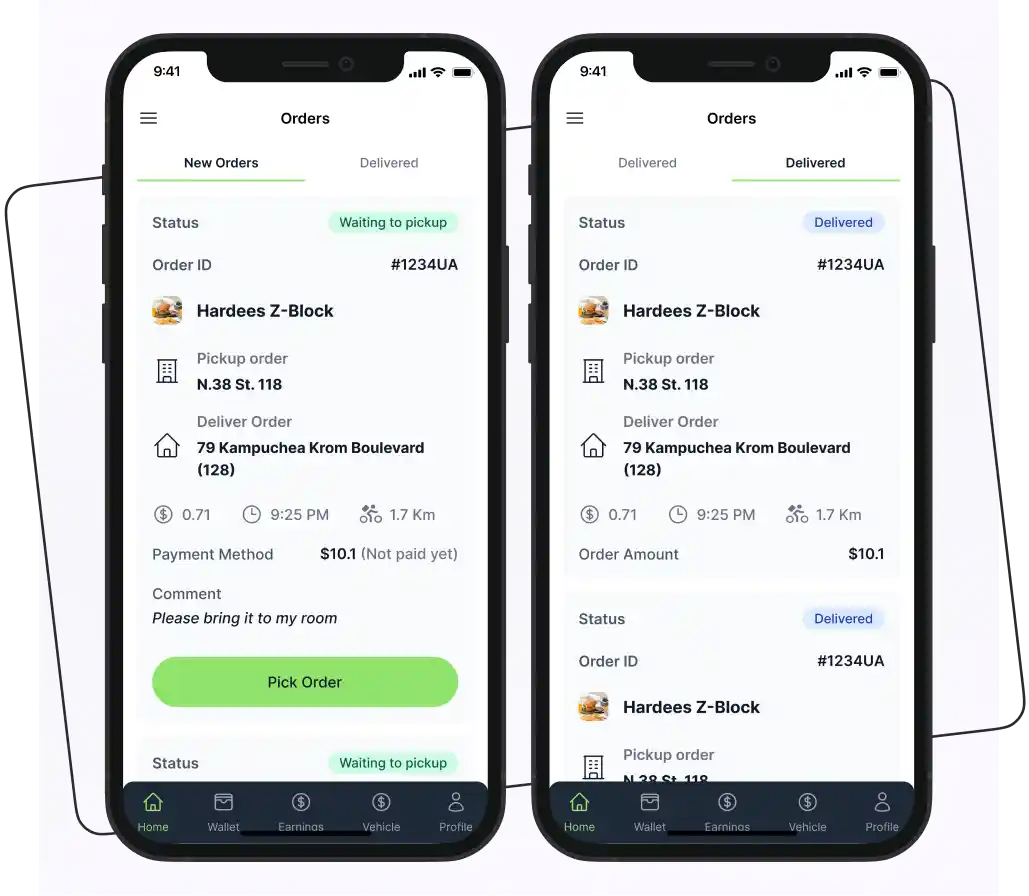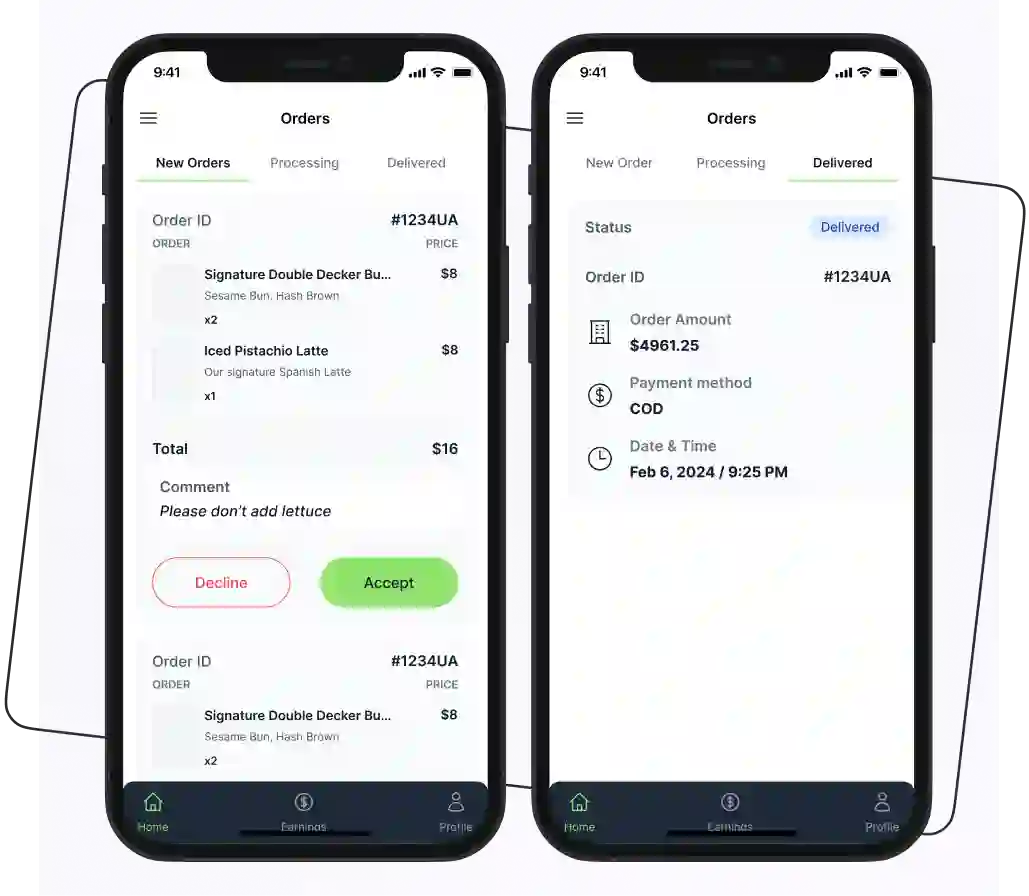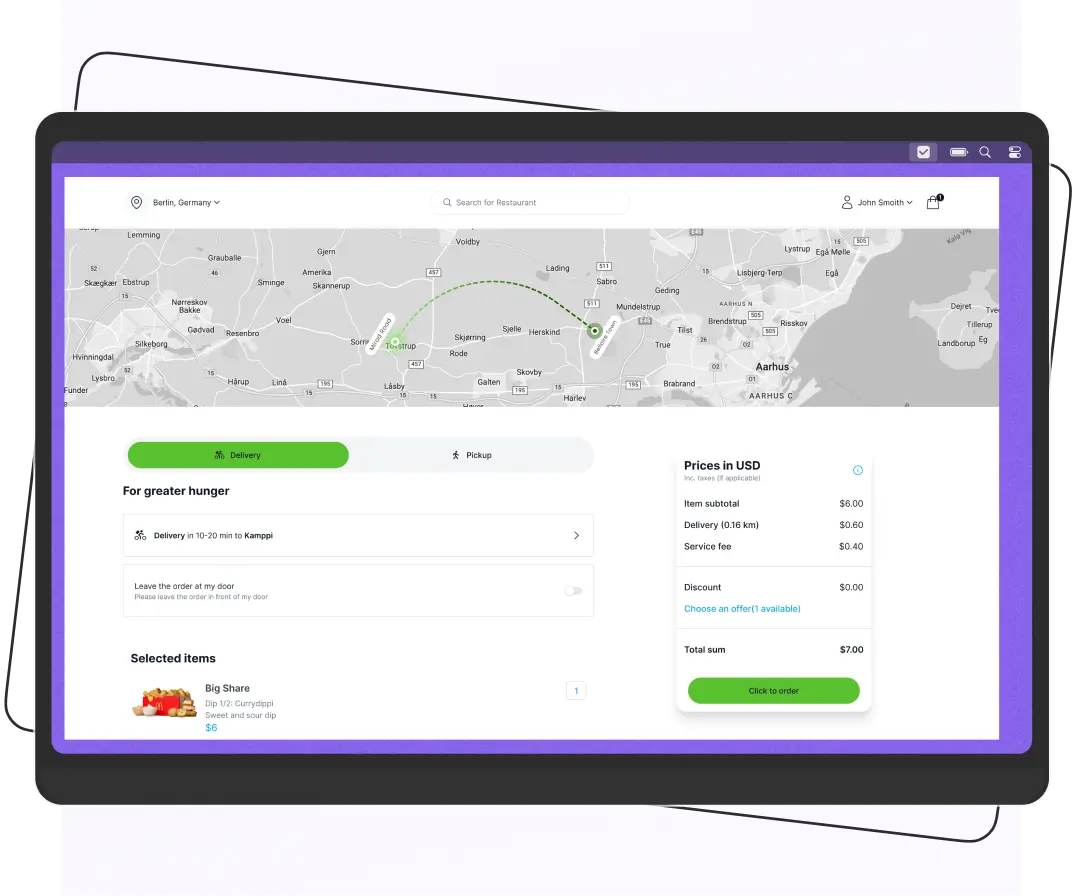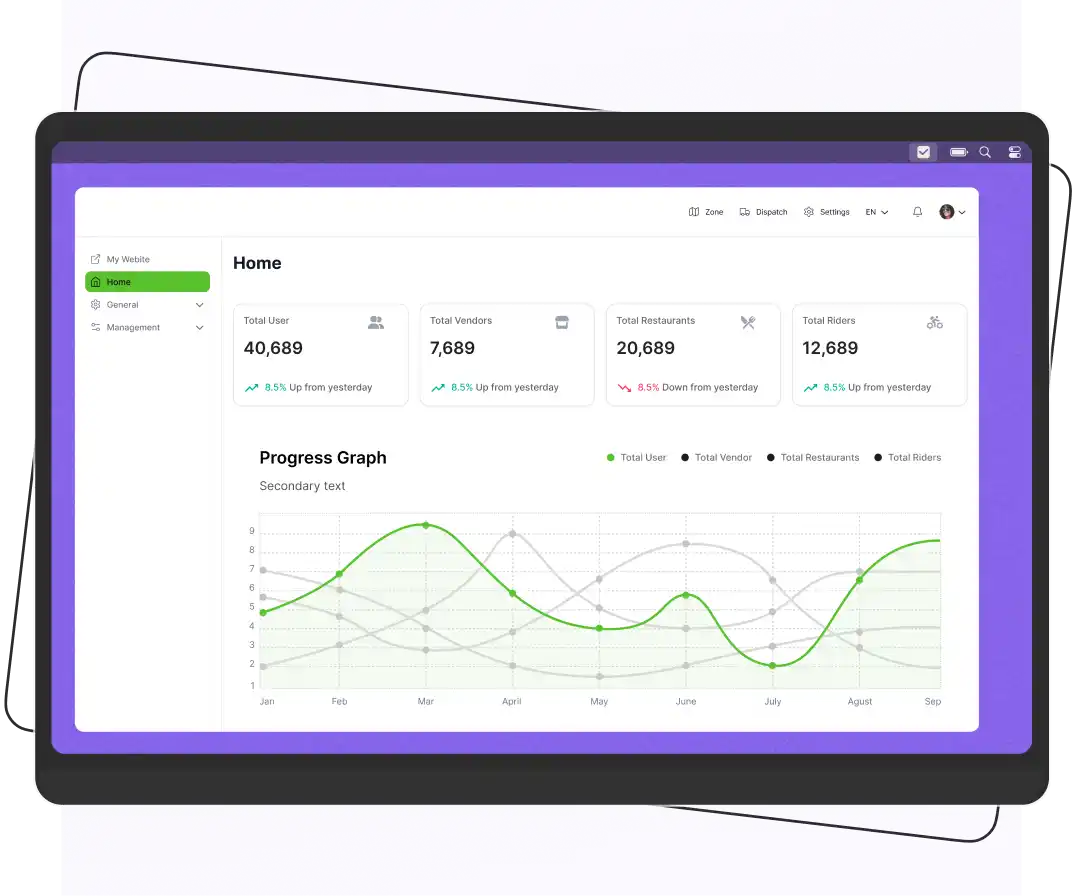
Get Backend API for Restaurant Online Food Ordering Platform Using Mern Stack
The restaurant online food ordering platform using mern stack frontend source is open for developers. Access the backend API with a paid license by contacting our sales team. Explore case studies and demos anytime.



Frequently Asked Questions
Choosing the MERN stack (MongoDB, Express.js, React, Node.js) to build a restaurant food ordering system offers several advantages: Full-Stack JavaScript: Developers can use JavaScript across the entire stack, simplifying the development process and enabling better collaboration. Scalability: MongoDB's NoSQL database allows for flexible data storage and easy scaling as the application grows. Responsive User Interface: React enables the creation of dynamic and responsive user interfaces, enhancing user experience. Fast Development: Node.js and Express.js facilitate quick server-side coding, streamlining development timelines. Real-Time Data: The MERN stack supports real-time updates, crucial for features like order tracking and notifications.
Yes, small restaurants can effectively use a MERN-based system for local delivery. Here are some reasons why it’s a suitable choice: Cost-Effective: Building a custom MERN-based system can be more affordable than off-the-shelf solutions, especially for smaller operations. Customization: Restaurants can tailor the system to meet their specific needs, including menu management, order processing, and delivery options. Scalability: As the restaurant grows, the MERN stack allows for easy scaling to accommodate more orders and features. Real-Time Functionality: The system can provide real-time updates for order tracking, enhancing customer satisfaction. User-Friendly Interface: React enables the creation of an intuitive user interface, making it easy for customers to place orders. Support for Local Marketing: The system can integrate features for promotions and loyalty programs to attract local customers.




 IOS
IOS Android
 Web
Web