

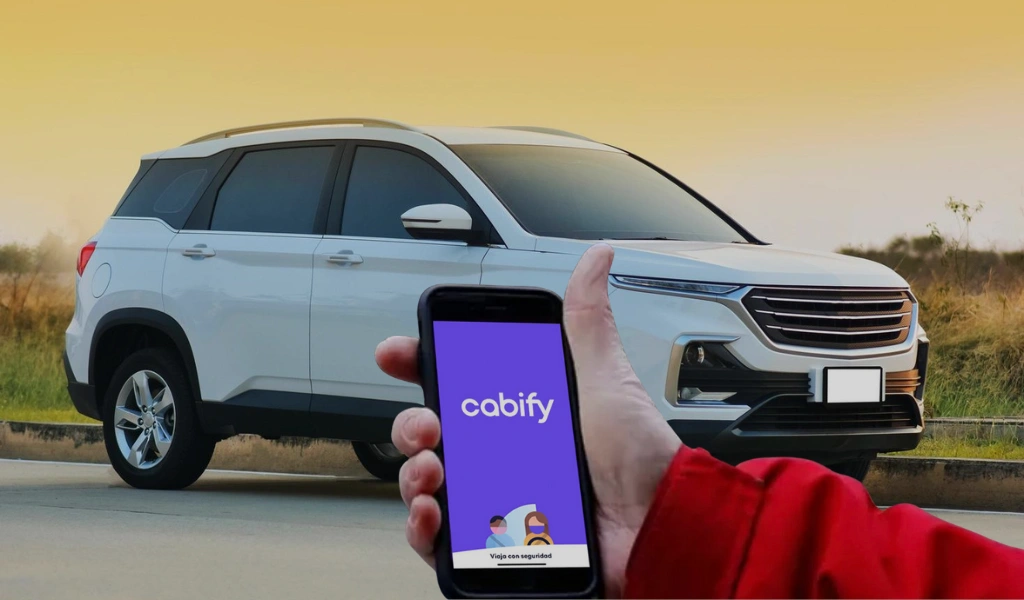
Every great business idea starts with a simple insight: people want to move smarter, faster, and more comfortably. Cabify tapped into that need and transformed everyday travel across major cities.
Today, its success has inspired a new wave of entrepreneurs who want to build the next big ride-hailing platform.
But here’s the real opportunity:
You don’t need to spend years developing complex technology to compete with giants like Cabify.
A Cabify clone provides a ready-to-launch foundation packed with modern ride-hailing features, scalable architecture, and room for unlimited customization. Instead of starting from zero, you start from “almost there.”
It is a quick and smart way for startups, taxi companies, or investors to confidently enter the modern ride-hailing market.
In this blog, we’ll explore what makes Cabify’s model so powerful and how you can build your own successful ride-hailing app inspired by it.
Supercharge your deliveries with Enatega.
Register NowWhat is a Cabify Clone?
A Cabify clone is a ready-made ride-hailing app solution that functions similarly to Cabify. It includes all the essential features you need: ride booking, real-time tracking, driver management, and secure payment processing.
Instead of building an app from scratch, a clone gives you a fast, affordable, and customizable way to launch your own taxi or ride-hailing business.
Use Cases of a Cabify Clone
A Cabify clone can be used for many types of transportation businesses, including:
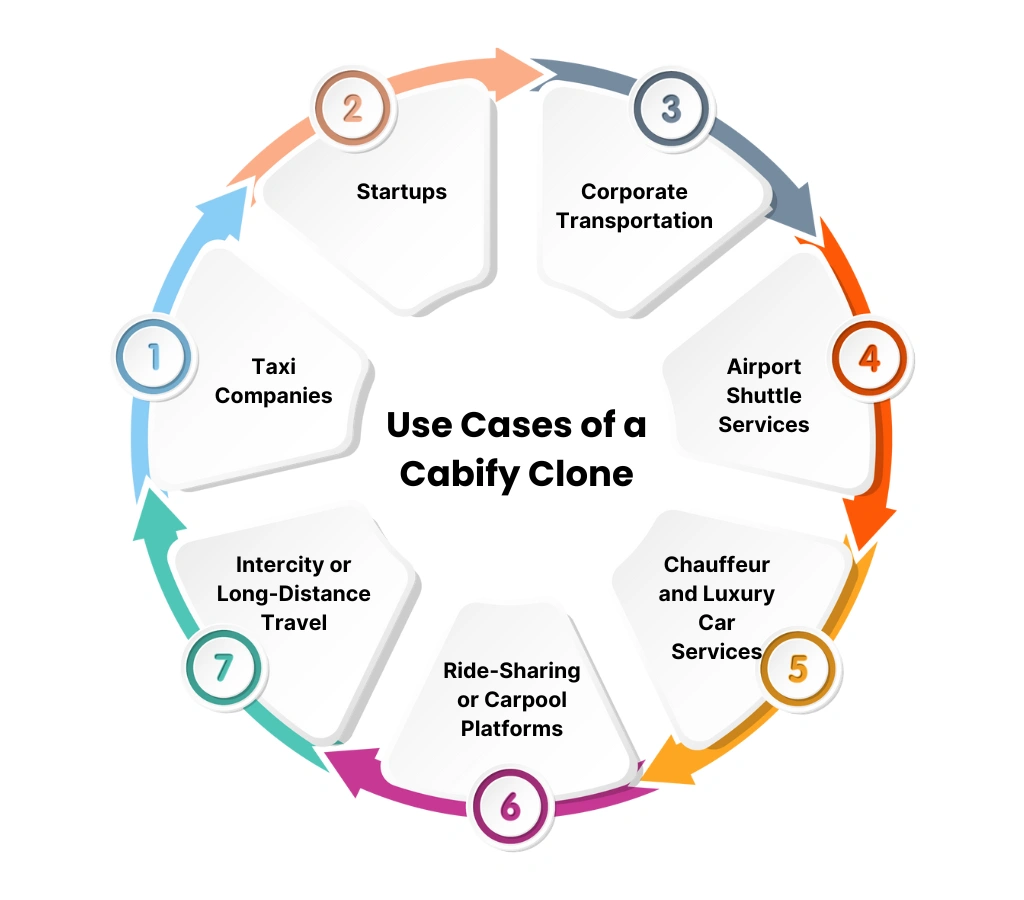
- Taxi Companies
To upgrade traditional taxi services with online booking, tracking, and digital payments.
- Startups
For launching a new ride-hailing platform quickly and at a lower cost.
- Corporate Transportation
Companies can manage employee travel with scheduled rides and centralized billing.
- Airport Shuttle Services
For offering on-demand or pre-booked airport pick-up and drop-off.
- Chauffeur and Luxury Car Services
To provide premium, private rides with real-time tracking and easy booking.
- Ride-Sharing or Carpool Platforms
For businesses that want to support shared rides to reduce costs and traffic.
- Intercity or Long-Distance Travel
To manage pre-planned or on-demand city-to-city trips.
How the Cabify Clone App Works?
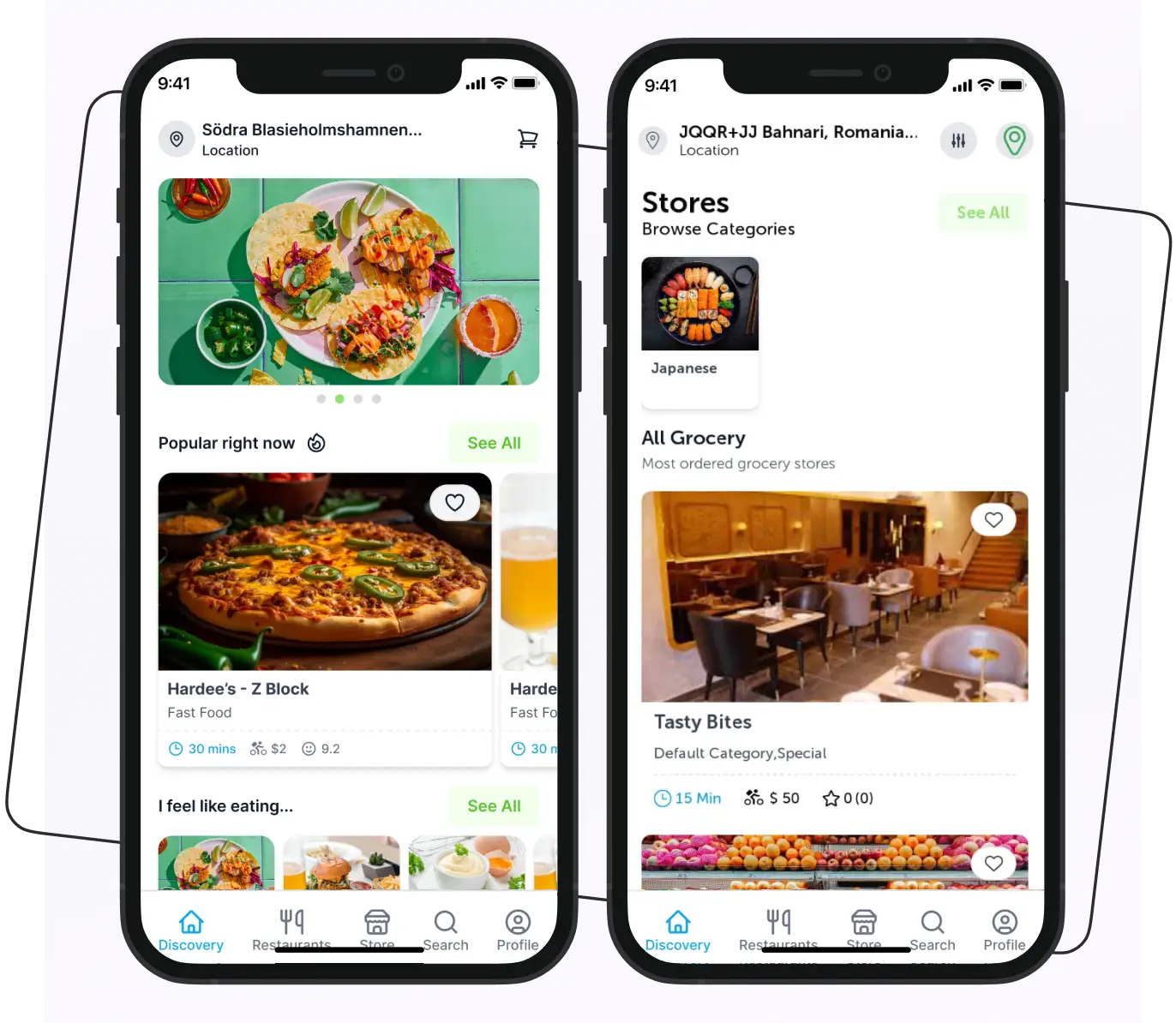
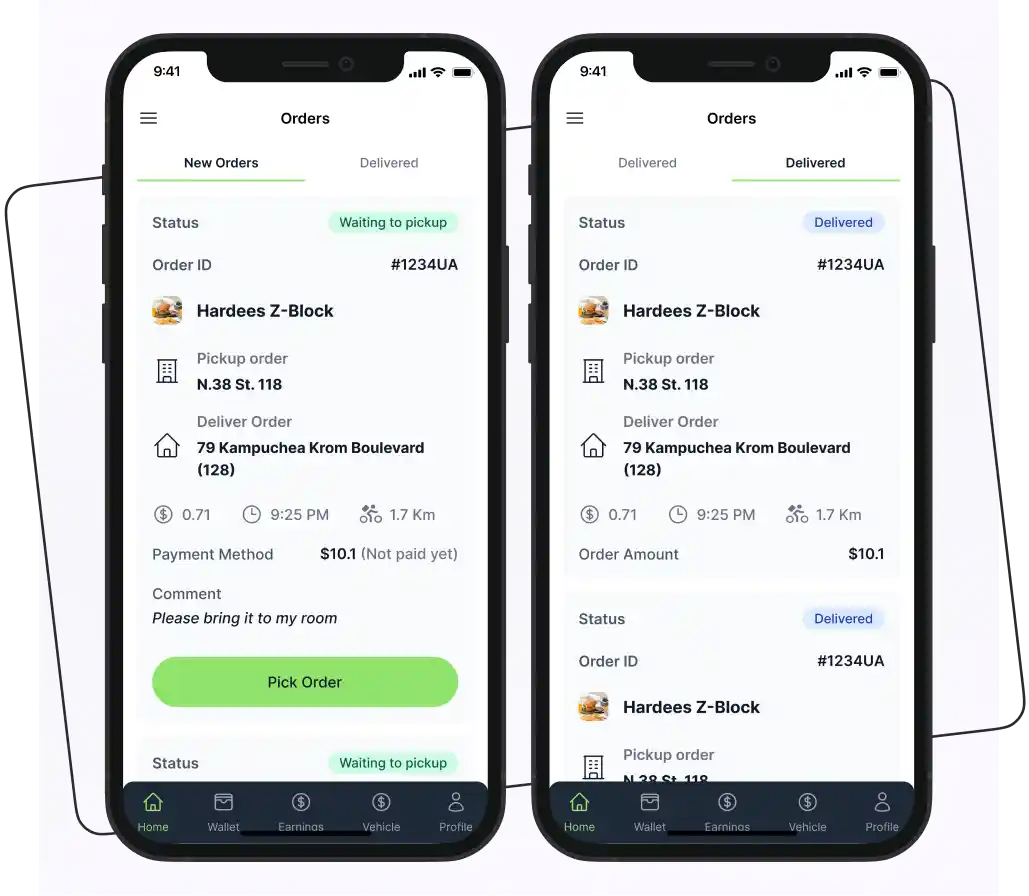
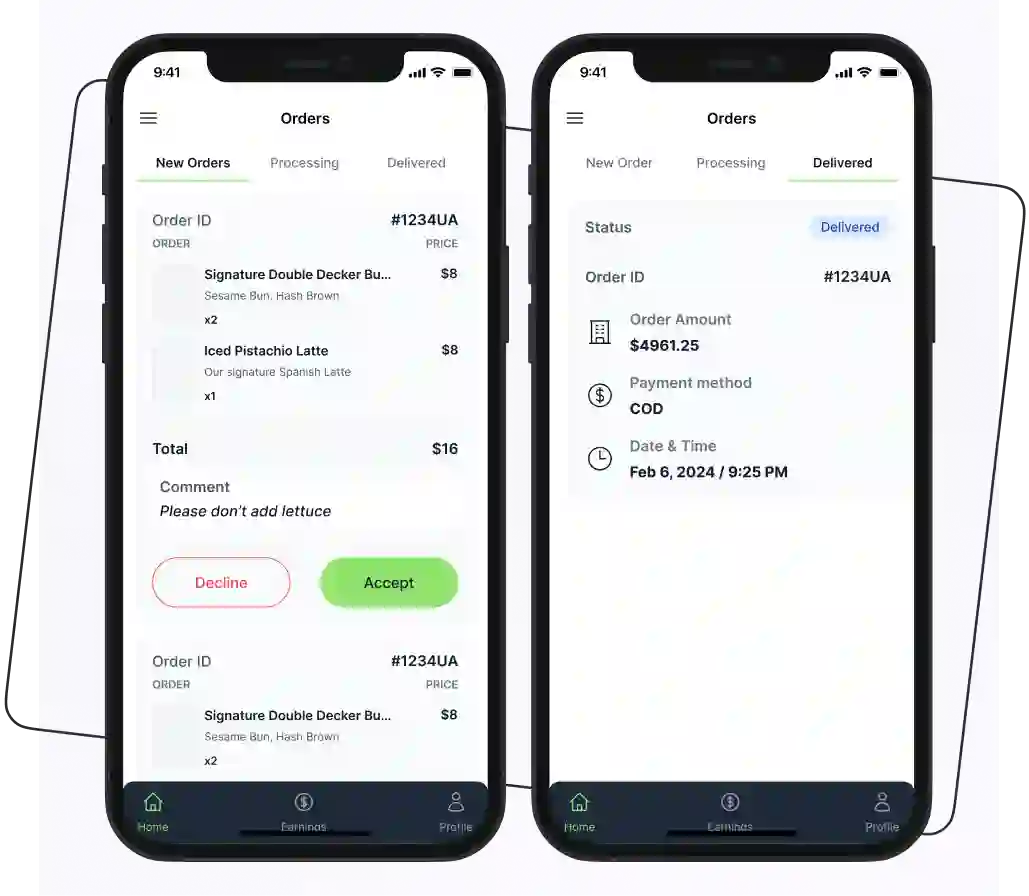
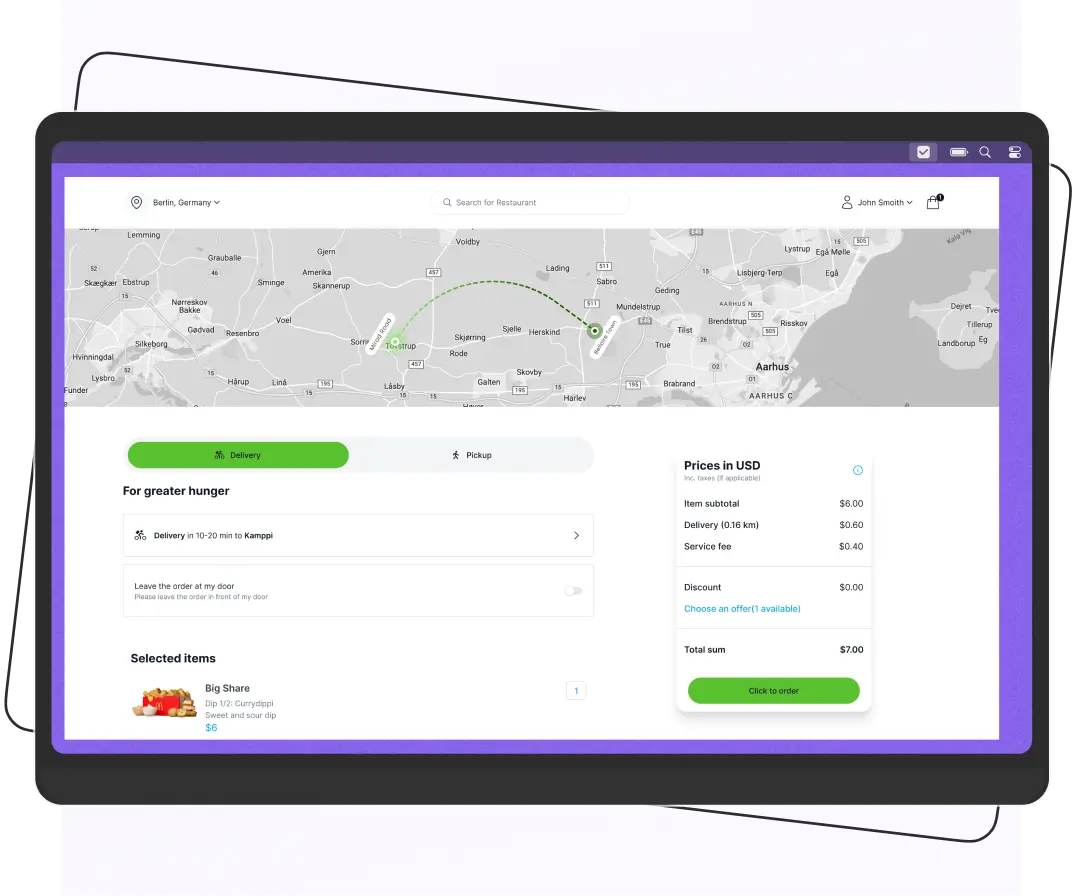
A Cabify app clone connects passengers and drivers through three main components: the passenger app, the driver app, and the admin panel.
Below is the process of how it works.
Passenger App
- Booking: Passengers register, enter pickup and drop-off locations, choose a vehicle type, and get a fare estimate.
- Matching: The app instantly connects them with the nearest available driver.
- Tracking: Passengers can track the driver’s real-time location.
- Payment and Rating: Payments are made in-app through multiple methods, and passengers can rate drivers after the ride.
Driver App
- Registration: Drivers sign up, submit documents, and complete verification.
- Ride Requests: Drivers receive notifications for ride requests and can accept or decline.
- Navigation: The built-in GPS guides the driver to the passenger and then to the destination.
- Completion and Earnings: Drivers confirm trip completion and track earnings in the app.
Admin Panel
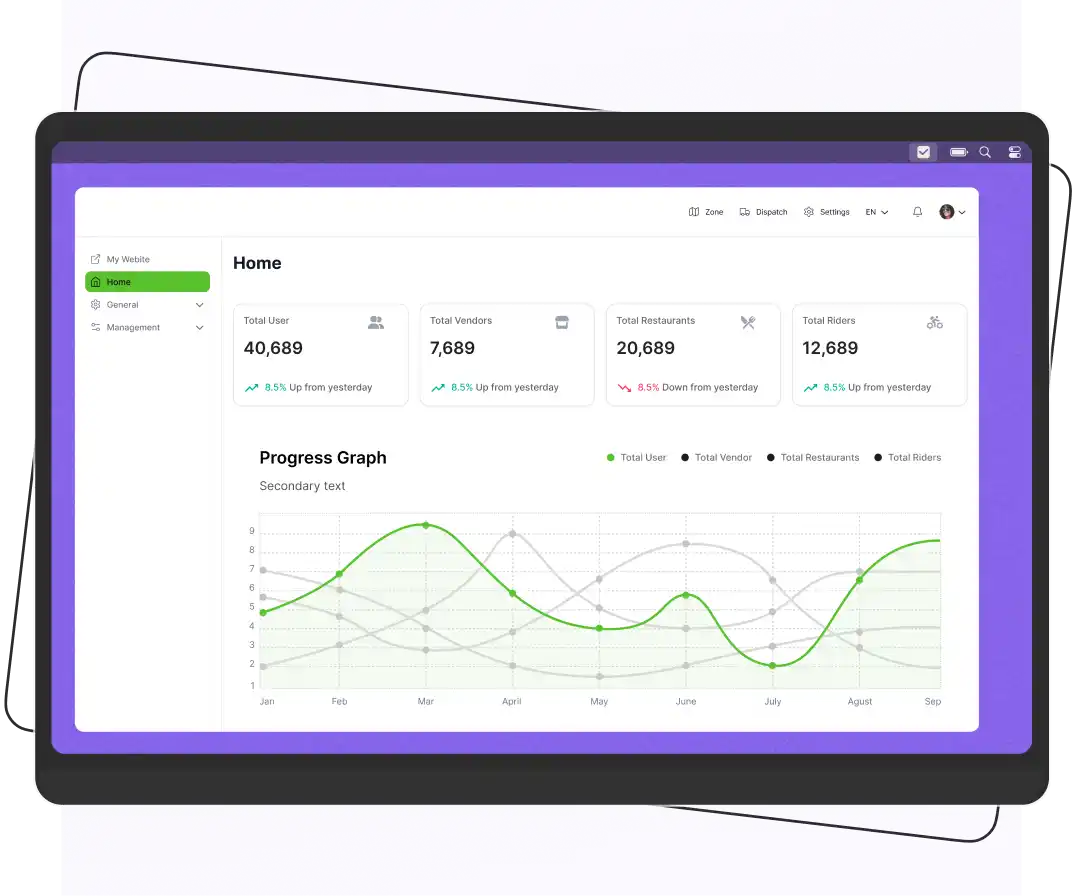
- Platform Management: Admins oversee the entire platform through a dashboard.
- User and Driver Verification: Admins manage and verify drivers and passengers for safety.
- Settings and Reports: Admins configure fares, add vehicle categories, manage promotions, and monitor performance.
Cabify vs. Cabify Clone: What’s the Difference?
Look at the table below and understand the main differences between Cabify and the Cabify clone app.
| Feature/Aspect | Cabify | Cabify Clone |
| Ownership | Owned and operated by the Cabify company | Fully owned by you or your business |
| Development | Built from scratch with proprietary technology | Ready-made script or customizable solution |
| Cost | High development and operational costs | Lower cost, faster to launch |
| Customization | Limited to the company’s roadmap | Fully customizable to add features or branding |
| Time to Launch | Long development cycle | Can launch quickly (weeks or months) |
| Control | Managed by Cabify | Full control over fares, drivers, and users |
| Scalability | Depends on company resources | Scalable based on your business needs |
| Target Users | Global users | Local or niche markets you choose |
| Revenue | Goes to Cabify | Entirely goes to your business |
How to Build an App Like Cabify?
Building an app like Cabify requires careful planning, the right technology, and a focus on user experience.
Here’s a step-by-step process to help you build a taxi booking app like Cabify.

1. Conduct Market Research
The first step in building an app like Cabify is thorough market research. You need to understand your target audience who will use your app, whether they are daily commuters, corporate clients, or travelers.
Studying competitors such as Cabify, Uber, and local taxi services helps you identify their strengths, weaknesses, and the pain points of their users.
Conducting market research allows you to spot opportunities to offer better features, pricing, or services that differentiate your app. Additionally, it’s important to consider local transportation laws, driver licensing, and insurance requirements to ensure your app operates legally and safely.
2. Define Cabify Clone App Features
Defining the features of your ride-hailing app is important to meet the needs of passengers, drivers, and administrators.
Below is a list of features that your app must contain.
| Passenger App | Driver App | Admin Panel |
| User-friendly registration | Easy registration with document verification | User and driver management |
| Ride booking | Ride request notifications | Fare management |
| Real-time tracking | Earnings tracking | Real-time notifications |
| Fare calculation | Trips history | Ratings and feedback management |
| In-app payments | Rating and feedback | |
| Rating systems | Driver availability | |
| Ride cancellation | ||
| Notifications |
Moreover, you can also add advanced features like:
- AI-based ride matching
- Carpooling options
- Multi-city support
- Re-booking
- Customizable preferences
3. Choose a Technology Stack
Selecting the right technology stack ensures your app performs efficiently and can scale as your business grows. Choosing a great technology stack forms the backbone of a successful ride-hailing app.
Frontend: For the frontend, frameworks like React Native or Flutter allow you to develop cross-platform apps quickly.
Backend: On the backend, Node.js, Laravel, or Django handle server-side operations and APIs.
Database: Databases such as MongoDB or PostgreSQL store and manage your data efficiently. Real-time communication tools like Socket.io or Firebase handle live tracking and notifications.
4. Design UI/UX
User interface (UI) and user experience (UX) design are key to making your app intuitive and easy to use. The passenger app should allow users to book rides in just a few taps, while the driver app must clearly display notifications, navigation routes, and earnings.
The admin panel should offer a simple and organized dashboard to manage the entire platform.
Consistent branding, including colors, fonts, and logos, creates a professional image and builds recognition. Wireframes and prototypes are useful tools to validate app flow and usability before starting the actual development process, saving time and avoiding costly redesigns.
5. Start Cabify Clone App Development
Development involves building the three main components of the Cabify clone: the passenger app, driver app, and admin panel.
During this stage, APIs for maps, payments, push notifications, and messaging are integrated. The core logic, including ride matching, fare calculation, booking flow, and payment processing, is implemented.
Security is also a main part of development, with encryption for sensitive data and secure authentication protocols for users and drivers.
Following an agile development approach allows you to build, test, and iterate in phases, ensuring a stable and feature-rich app.
6. Testing and Quality Assurance
Once the app is developed, thorough testing and quality assurance are essential. It ensures the final product is functional, stable, and user-friendly.
Before launching the app, make sure the app meets quality standards and user expectations across different devices and operating systems.
7. Launch and Marketing
After testing, it’s time to launch your app on platforms like the Google Play Store and Apple App Store. Marketing plays an important role in attracting users, so promoting your app through social media, SEO, paid ads, and influencer collaborations is essential.
Moreover, offering referral programs, discounts, or loyalty rewards can encourage early adoption and increase user engagement. A well-planned launch combined with strong marketing can make your app stand out in the competitive ride-hailing market.
8. Post-Launch Maintenance
Building the app is just the beginning; post-launch maintenance ensures long-term success. Regular updates fix bugs, introduce new features, and improve app performance.
Customer support is vital for both riders and drivers to resolve issues quickly. As your user base grows, scaling infrastructure is necessary to handle more trips, vehicles, and cities efficiently.
Continuous monitoring, feedback collection, and updates help your taxi booking app remain competitive and appealing to users over time.
How Much Does It Cost to Build a Cabify Clone?
The cost of building a ride-hailing app like Cabify can range from $40,000 to $250,000 or more, depending on your requirements. This wide range exists because several factors influence the final price, including:
- App Features: Basic features cost less, while advanced features like AI ride matching, carpooling, and subscriptions increase the cost.
- Platform Choice: Developing for iOS, Android, or both affects pricing. Cross-platform solutions can help reduce costs.
- Development Approach: Using a pre-built Cabify Clone is more affordable than building a fully custom app from scratch.
- Development Team and Location: Rates vary depending on whether you hire freelancers, an agency, or an in-house team, and also vary by country.
- Technology Stack: The tools and frameworks you choose for the app impact development time and cost.
Look at the table below and understand the estimated cost for a taxi booking app like Cabify.
| Feature/Development Stage | Estimated Cost (USD) |
| Basic Rider and Driver Features | $40,000 – $60,000 |
| Admin Panel and Analytics | $10,000 – $25,000 |
| Advanced Features (AI, Subscriptions, etc.) | $20,000 – $50,000+ |
| UI/UX Design | $5,000 – $15,000 |
| Testing and QA | $5,000 – $15,000 |
| Deployment and Launch | $2,000 – $5,000 |
| Total Estimated Cost | $40,000 – $250,000+ |
FAQs
1. What is the ride-hailing app clone?
A ride-hailing app clone is a pre-built, customizable software solution that replicates the core features of a popular service like Cabify, Uber, or Lyft.
2. What is the estimated timeline to build an app like Cabify?
Building an app like Cabify can take 3 to 6 months for a basic Minimum Viable Product (MVP) and 9 to 18 months for a full-featured, complex application.
The final timeline depends on the app’s complexity, the number of features, and the development approach chosen.
3. How long does it take to launch the Cabify clone app?
The Cabify app clone can be deployed within 10-16 weeks, but it depends on your customization requirements.
Supercharge your deliveries with Enatega.
Register NowConclusion
Building a successful taxi booking app like Cabify is no longer a distant dream; it’s a practical, high-growth opportunity for entrepreneurs, startups, and established transport companies.
With the right technology, you can launch a platform that delivers smooth rides.
Enatega makes this journey easier with its Cabify clone script. It is designed for fast deployment and scalable performance. Our ready-to-launch solution gives you the competitive edge you need.
Take the first step toward building a profitable mobility business.
Book a free demo today and get a complete taxi booking app tailored to your goals.
About the author

Hudaibia Khalid is a senior content writer with several years of experience in creating clear and easy-to-understand content. Over the years, she has worked closely with startups, restaurants, and entrepreneurs, helping them simplify complex digital and technical topics into actionable insights.
Her expertise lies in writing about on-demand platforms, food delivery solutions, and business growth strategies in a way that is accessible even to non-technical readers. With her experience in the industry, she focuses on guiding businesses step by step, from understanding ideas to turning them into fully working solutions.
SHARE






 IOS
IOS Android
 Web
Web