

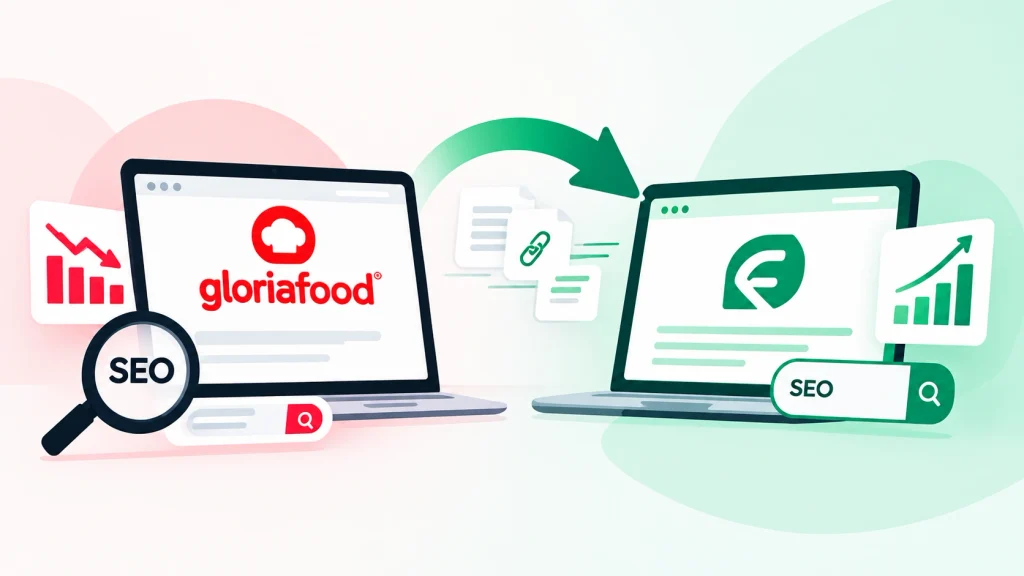
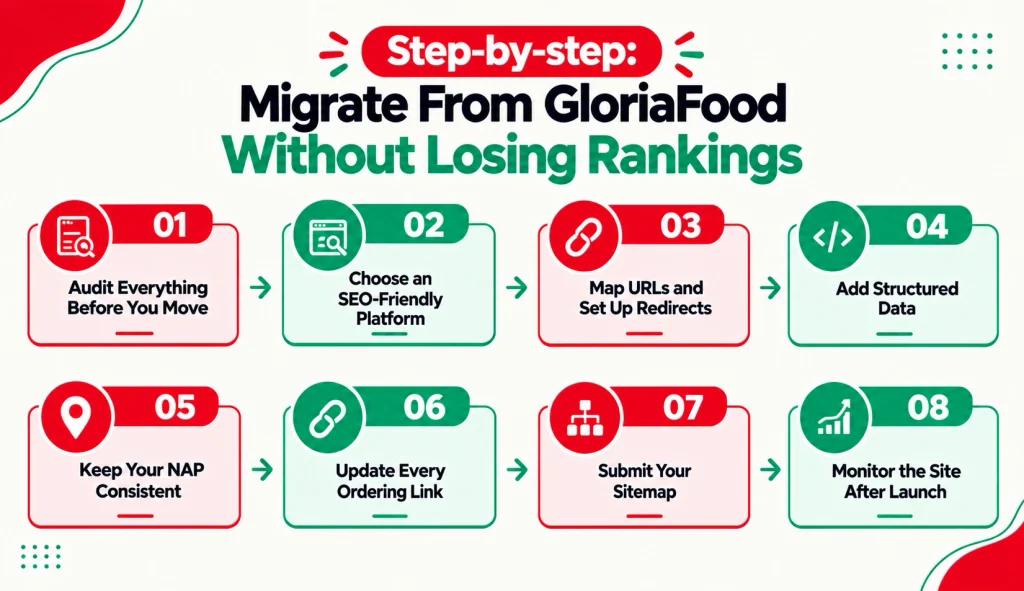
To migrate from GloriaFood without losing SEO:
- Audit your current rankings
- Google Search Console data, indexed pages, backlinks, and Google Business Profile
- Choose an SEO-friendly platform
- Map old URLs to new ones and set up 301 redirects
- Add structured data
- Keep your NAP consistent
- Update every GloriaFood ordering link
- Submit your new sitemap
- Monitor the site after launch
Don’t let a GloriaFood migration wipe out the SEO you’ve spent years building. Moving your menu and orders is only half the job. You also need to protect your URLs, rankings, backlinks, and local search presence.
With GloriaFood being retired, restaurants have a deadline to move. And the biggest mistake is waiting until the last minute, then launching a new ordering site with broken URLs, missing redirects, and lost content.
Plan the migration around SEO from day one. We show you how to move from GloriaFood without losing valuable search traffic and what to check before, during, and after the switch.
Supercharge your deliveries with Enatega.
Register NowWhy a GloriaFood Migration Can Put Your SEO at Risk
Migrating from GloriaFood can affect your SEO if important URLs, content, backlinks, or ordering links are lost. To protect your rankings, audit your current pages, map old URLs to new ones, set up relevant 301 redirects, update business listings, and monitor Google Search Console after the migration.
Switching platforms is easy. Keeping your Google rankings? That’s the tricky part.
Depending on how you used GloriaFood, your menu pages, ordering URLs, and even your website may be tied to its platform. When you move, those SEO assets can disappear or break if you don’t plan.
Here is where things can go wrong.
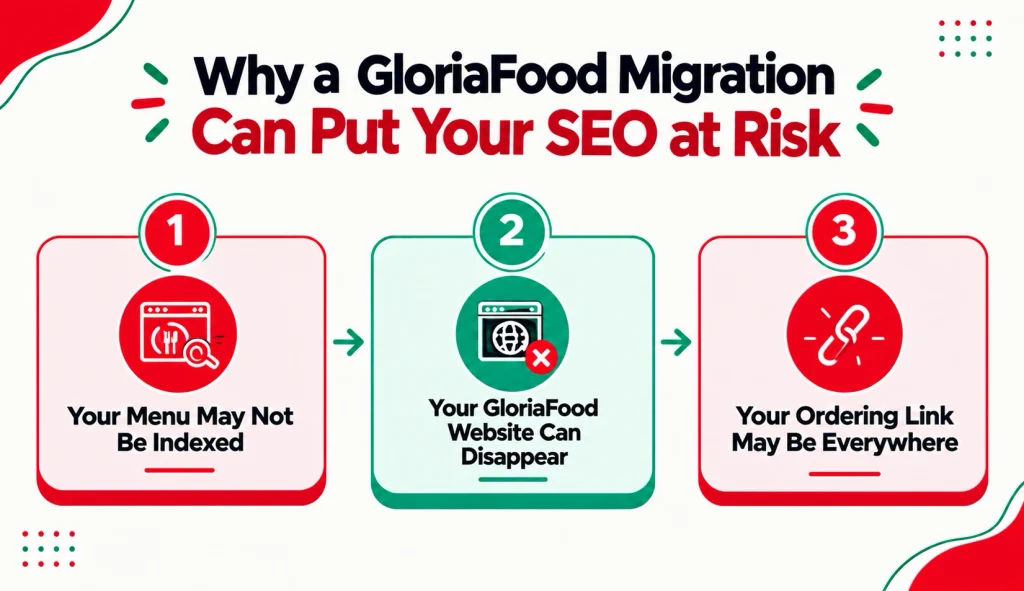
1. Your Menu May Not Be Indexed
If your menu only appeared inside the GloriaFood ordering widget, Google may never have indexed it as standalone pages. So customers could see your menu, but search engines may not have seen all of it.
2. Your GloriaFood Website Can Disappear
If you use GloriaFood’s hosted website, its URLs, content, and any SEO value they built are tied to that platform. When the service ends, you’ll need to recreate those pages on your new website and properly redirect the old URLs where possible.
3. Your Ordering Link May Be Everywhere
Your GloriaFood ordering URL could be sitting on your Google Business Profile, social media, directories, emails, QR codes, and other websites. If it stops working, customers can land on a dead end, and you can lose valuable traffic.
Step-by-step: Migrate From GloriaFood Without Losing Rankings
Below are the steps to move away from GloriaFood without letting your hard-earned SEO go with it.
1. Audit Everything Before You Move
Don’t pick a new platform first. Find out what you already have to protect.
Before changing a single URL, create a snapshot of your current SEO performance. This gives you something to compare against after the migration.
- Check your current rankings
Search for your restaurant name, “[restaurant] menu,” “[restaurant] order online,” and relevant dish or local searches.
- Export Google Search Console data
Save your top queries, top-performing pages, clicks, impressions, and indexed URLs. This becomes your SEO baseline.
- Check what Google has indexed
Search site:yourdomain.com to find pages currently appearing in Google’s index.
- Review your backlinks
Look for websites linking to your GloriaFood ordering pages or subdomains. Local news sites, food blogs, directories, and business listings may be sending traffic your way.
- Record your Google Business Profile details
Note your current reviews, ratings, website URL, menu link, phone number, address, and other business information.
Think of this as your SEO safety net. If something drops after the migration, you’ll know what changed and where to look first.
2. Choose an SEO-Friendly Platform
Your new platform shouldn’t just make ordering easy for customers; it should make your menu visible to Google, too.
Look for a platform that gives you real, crawlable URLs for your menu, categories, and dishes instead of hiding everything inside an iframe or JavaScript-only widget.
Pages such as /menu, /order, or individual dish pages give search engines something they can crawl, index, and rank.
Before choosing a GloriaFood alternative, ask one simple question:
“Can Google crawl and index my menu pages as HTML, or are they loaded inside a widget or iframe?”
If the answer isn’t clear, ask for a live example or technical documentation before you migrate.
3. Map URLs and Set Up Redirects
Before you switch, make a simple spreadsheet that matches every important old URL to its new equivalent. Think homepage, menu, ordering pages, location pages, and any other pages bringing in traffic.
Then:
- Set up 301 redirects
Redirect each old URL to its most relevant new page, not everything to the homepage. For example, an old /menu URL should point to the new menu page.
- Redirect GloriaFood subdomains
If you use a GloriaFood-hosted subdomain such as order.yourrestaurant.com, make sure it points visitors and search engines to the correct new ordering page.
- Add canonical tags
Make sure each new page clearly tells Google which URL is the primary version, particularly if your new platform creates duplicate or parameter-based URLs.
4. Add Structured Data
Give Google more context about your restaurant with structured data (Schema.org markup) on your new pages.
Consider adding:
- Restaurant schema: Name, address, phone, cuisine, price range, and opening hours.
- Menu and MenuItem schema: Dish names, descriptions, and prices.
- FAQPage schema: If you have a useful FAQ section covering hours, delivery areas, allergens, or ordering.
Structured data won’t replace good content or redirects, but it can help search engines better understand your restaurant, menu, and business information.
5. Keep Your NAP Consistent
Keep your restaurant’s name, address, and phone number (NAP) consistent across every platform. A migration is a good time to check these details, but not to change them unnecessarily.
- Update your Google Business Profile: Change the ordering/website link as soon as the new platform goes live.
- Update other listings: Check Yelp, TripAdvisor, Facebook, Apple Maps, and relevant local directories.
- Keep your details unchanged: Avoid changing your business name, address format, or phone number during the migration unless there’s a genuine business change.
6. Update Every Ordering Link
Your GloriaFood link probably lives in more places than you realize. One forgotten link can still send customers to a dead page.
Check and update:
- Your website: Header, footer, homepage, menu pages, and any embedded widgets.
- Google Business Profile: Replace the old ordering link as soon as you launch.
- Social profiles: Instagram, Facebook, TikTok, and pinned posts.
- QR codes: Check table cards, flyers, window signs, and printed menus. Reprint any that point to GloriaFood.
- Emails: Update email signatures, newsletters, and automated messages.
- External websites: Contact local directories, food blogs, and press sites linking to your old ordering URL and ask them to update the link.
7. Submit Your Sitemap
Once the new site is live, give search engines a clear path to your new pages.
- Submit your XML sitemap: Add the new sitemap to Google Search Console and Bing Webmaster Tools.
- Request indexing: Use Google’s URL Inspection tool to request indexing for your most important pages, such as your homepage, menu, and ordering page.
- Changing domains: Use Google’s Change of Address tool to notify Google about the move.
8. Monitor the Site After Launch
Don’t launch and walk away. The first few days are when small SEO issues can turn into bigger problems.
- Keep the old setup available briefly: If possible, maintain the GloriaFood pages in a limited/read-only state until the new ordering system goes live and redirects are tested.
- Check Google Search Console daily: Monitor indexing, clicks, impressions, and any crawl or page errors.
- Test your redirects: Open important old URLs and make sure they lead to the correct new pages.
- Check the customer journey: Make sure customers can find the menu, place an order, and complete checkout without hitting broken pages.
Get Your New Pages Ready for AI Search
Your SEO migration shouldn’t stop at Google’s traditional search results. As more people ask AI tools about restaurant hours, delivery areas, and ordering options, your new website needs to make that information easy to understand and find.
You need to focus on:
- Answer questions directly
Put clear, useful answers under headings such as “What are your opening hours?” or “Do you deliver to [area]?” Avoid burying the answer in a promotional copy.
- Add useful FAQs
Cover real customer questions about delivery areas, minimum orders, opening hours, and payments. You can use appropriate structured data where it meets Google’s guidelines.
- Check your robots.txt
Make sure your website isn’t unintentionally blocking search-engine or AI crawlers you want to allow. Review each platform’s current crawler and data-use policies rather than assuming every AI bot should be allowed.
- Write restaurant-specific content
Don’t rely entirely on generic descriptions supplied by your ordering platform. Add original details about your menu, locations, services, and ordering options.
- Keep your business information consistent
Your restaurant name, address, phone number, hours, and other details should match across your website, Google Business Profile, directories, and review platforms.
How Long Does GloriaFood Migration Take?
The platform switch can take a day. A careful SEO migration takes longer.
If you’re only moving your menu and getting online ordering working again, the technical setup may be completed quickly. But if you want to protect your rankings, backlinks, URLs, and local SEO, give yourself enough time to plan, test, and monitor the move.
For most restaurants, 4-8 weeks is enough time to plan and complete the migration properly.
| Phase | Time | What Happens |
| Audit and prep | Week 1 | Export data, review rankings and backlinks, and map important URLs |
| Build and test | Weeks 2-3 | Rebuild the menu, configure ordering, test integrations, and prepare redirects |
| Soft launch | Week 4 | Test the new platform and ordering experience before full cutover |
| Final checks | Weeks 5-6 | Fix issues, update links, test redirects, and prepare customer communications |
| Cutover | Week 7 | Switch fully to the new platform and update your key listings |
| Monitor & clean up | Week 8+ | Track rankings, indexing, traffic, broken links, and missed redirects |
What Can Make the Migration Take Longer?
- Multiple restaurant locations
- Large menus with hundreds of items
- POS and payment integrations
- Complex delivery zones
- New website or domain development
- Printed QR codes and marketing materials that need updating
What Can Speed It Up?
- Importing menu and business data instead of entering it manually
- Keeping your existing domain
- Using a platform with migration support
- Preparing your URL and redirect map before development starts
- Starting well before GloriaFood’s final service date
The earlier you start, the more time you have to fix SEO issues before they become traffic problems.
What Enatega Offers for GloriaFood Migration
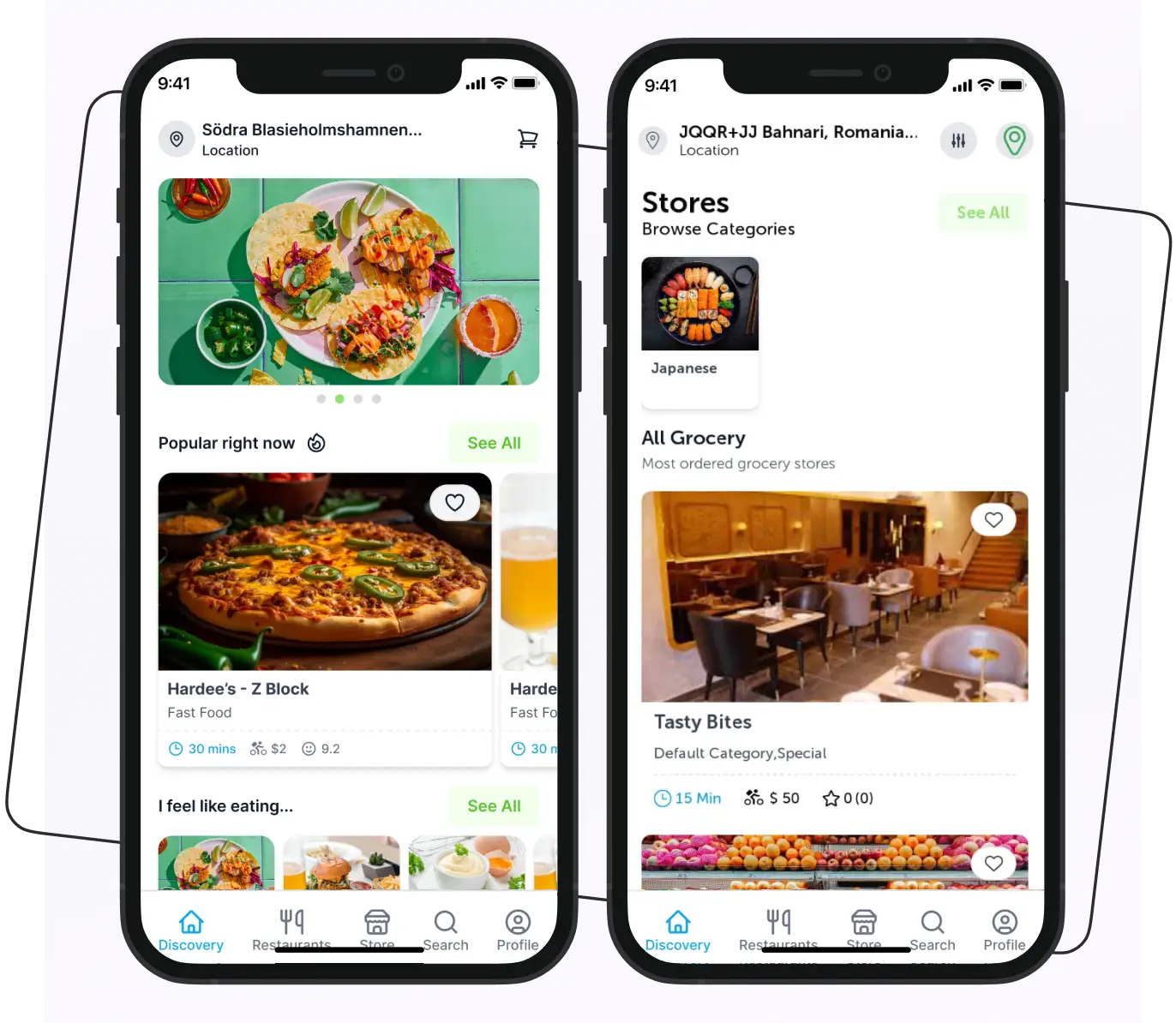
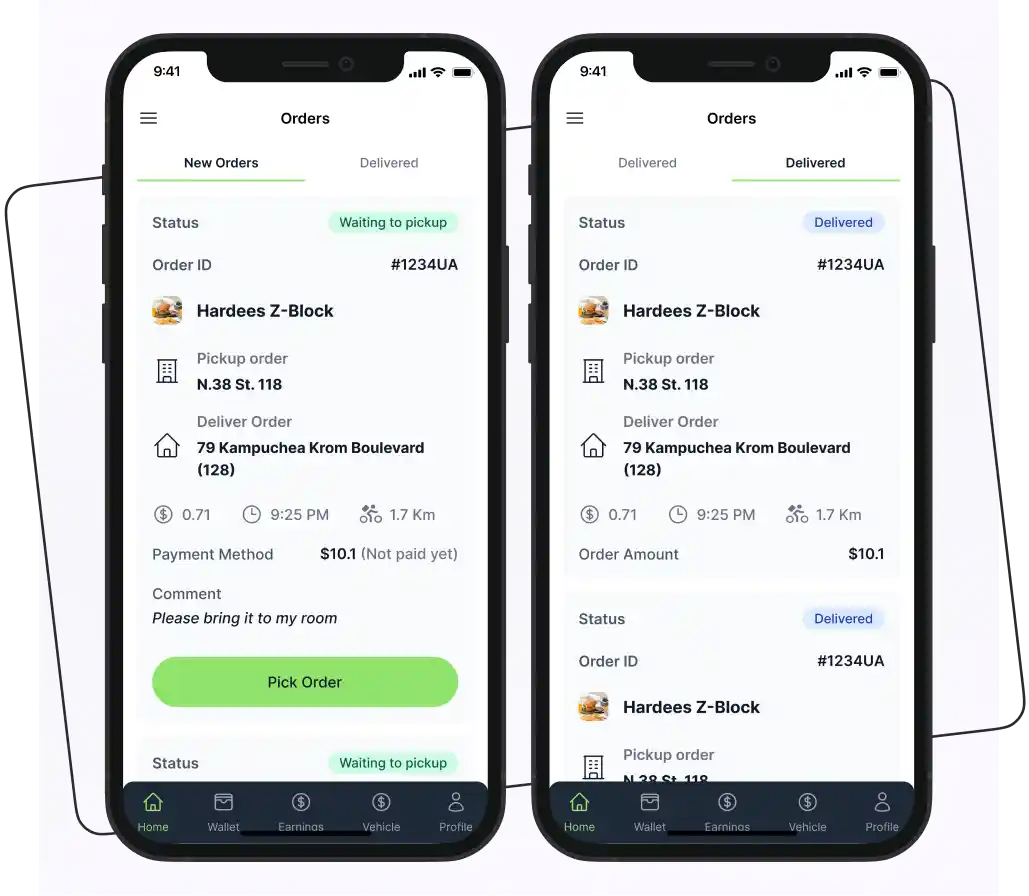
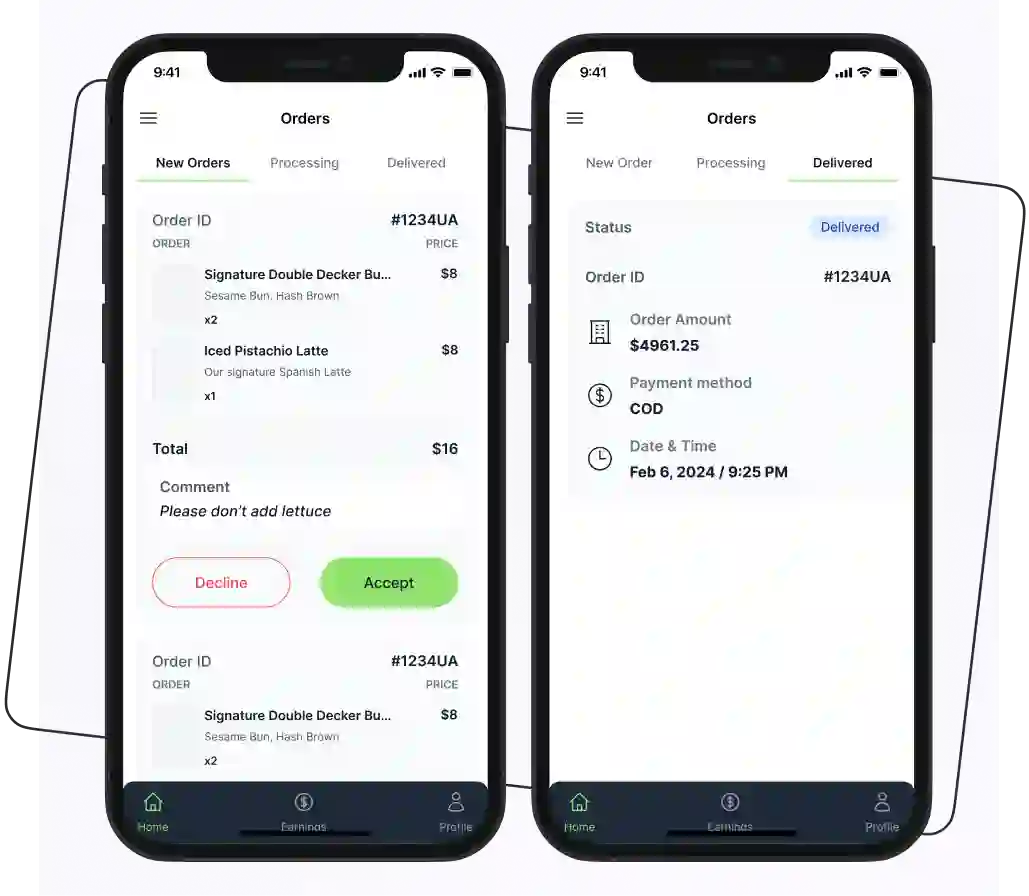
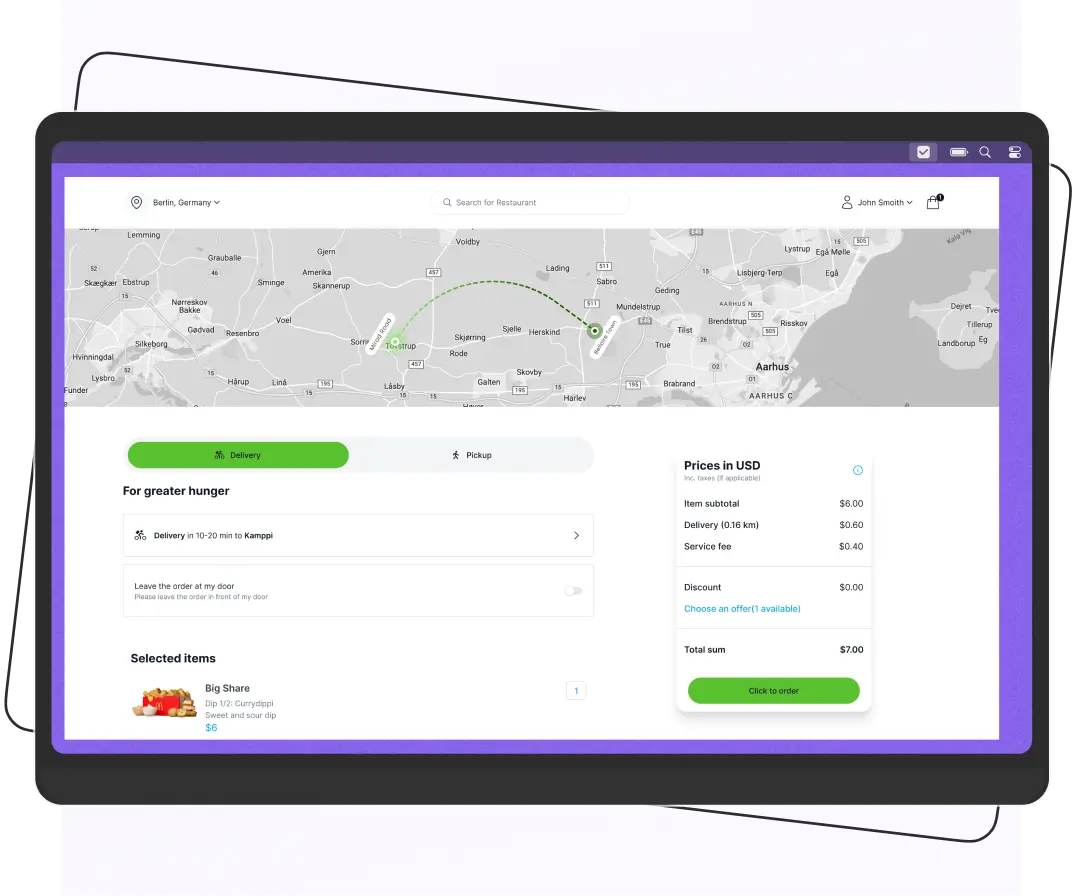
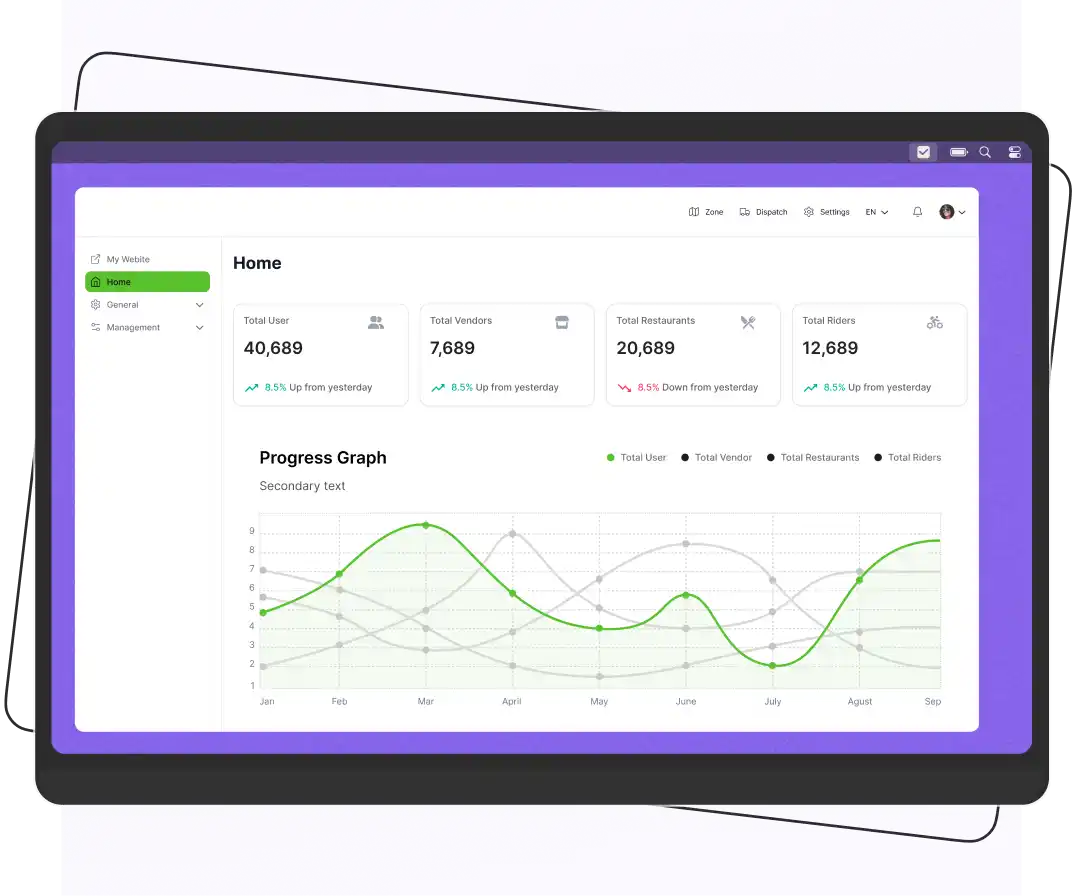
Enatega is an open-source, white-label food delivery platform with apps for customers, restaurant owners, and riders, plus an admin dashboard. It can be self-hosted, giving businesses more control over their platform, branding, and source code.
That control can be especially useful when moving away from a platform like GloriaFood. Instead of simply switching to another closed ordering system, businesses can have more flexibility over how their new platform is managed and customized.
Where Enatega Fits Into the Migration
| Migration Need | How Enatega Fits |
| Menu setup | Manage categories, menu items, pricing, modifiers, and availability from the platform. |
| Ordering workflow | Customer ordering, restaurant management, rider operations, and real-time order tracking support the core delivery workflow. |
| Payments | Supports payment gateway integrations for online checkout. |
| Branding | Customize the ordering experience around your restaurant or delivery brand. |
| Ownership and control | Open-source and self-hosting options give businesses greater control over their platform and source code. |
FAQs
Not necessarily. A well-planned migration can help you protect your rankings. Keep important URLs, set up relevant 301 redirects, and keep your Google Business Profile and business details consistent.
Yes, especially if you’ve shared it publicly. Check your Google Business Profile, social profiles, QR codes, emails, directories, and backlinks for the old URL and redirect or update them wherever possible.
It depends on how you used GloriaFood. If you used its hosted website, you’ll need to move your website content and URLs. If you only added the GloriaFood ordering widget to your own website, your main website can remain live, but the ordering functionality will need to be replaced.
Supercharge your deliveries with Enatega.
Register NowConclusion
Leaving GloriaFood doesn't have to mean starting over.
The safest approach is to treat the move as two migrations happening together: your ordering system and your SEO.
The platform you choose matters too. Look for a solution that gives you control over your branding, data, and website structure, rather than creating another platform dependency.
With the right plan, you can leave GloriaFood behind without leaving your Google rankings behind.
Ready to make the switch? Register with Enatega and explore a delivery platform you can customize and control.
About the author

Hudaibia Khalid is a senior content writer with several years of experience in creating clear and easy-to-understand content. Over the years, she has worked closely with startups, restaurants, and entrepreneurs, helping them simplify complex digital and technical topics into actionable insights.
Her expertise lies in writing about on-demand platforms, food delivery solutions, and business growth strategies in a way that is accessible even to non-technical readers. With her experience in the industry, she focuses on guiding businesses step by step, from understanding ideas to turning them into fully working solutions.
SHARE






 IOS
IOS Android
 Web
Web