Get Backend API for Grubhub Clone Using React Js
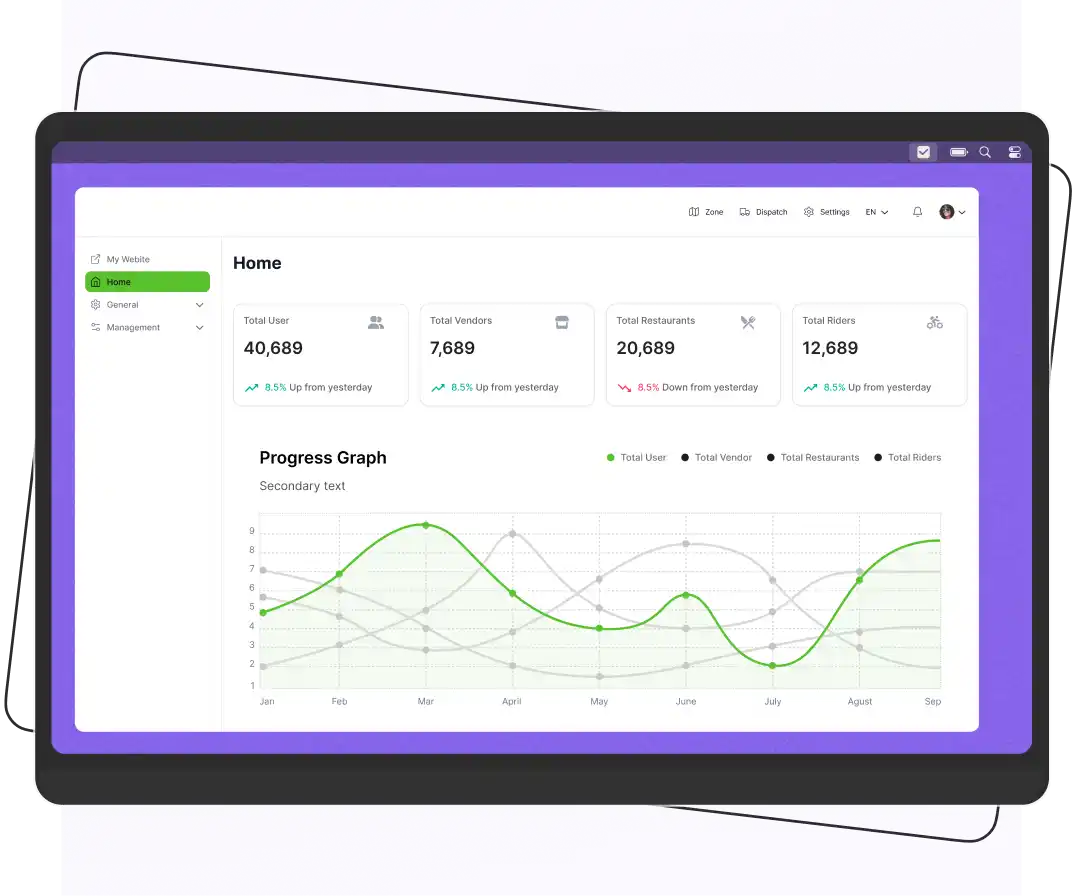
Download and customize the grubhub clone using react js frontend instantly. The backend API is licensed separately—connect with our team to activate it. Guides and demos are available.



Frequently Asked Questions
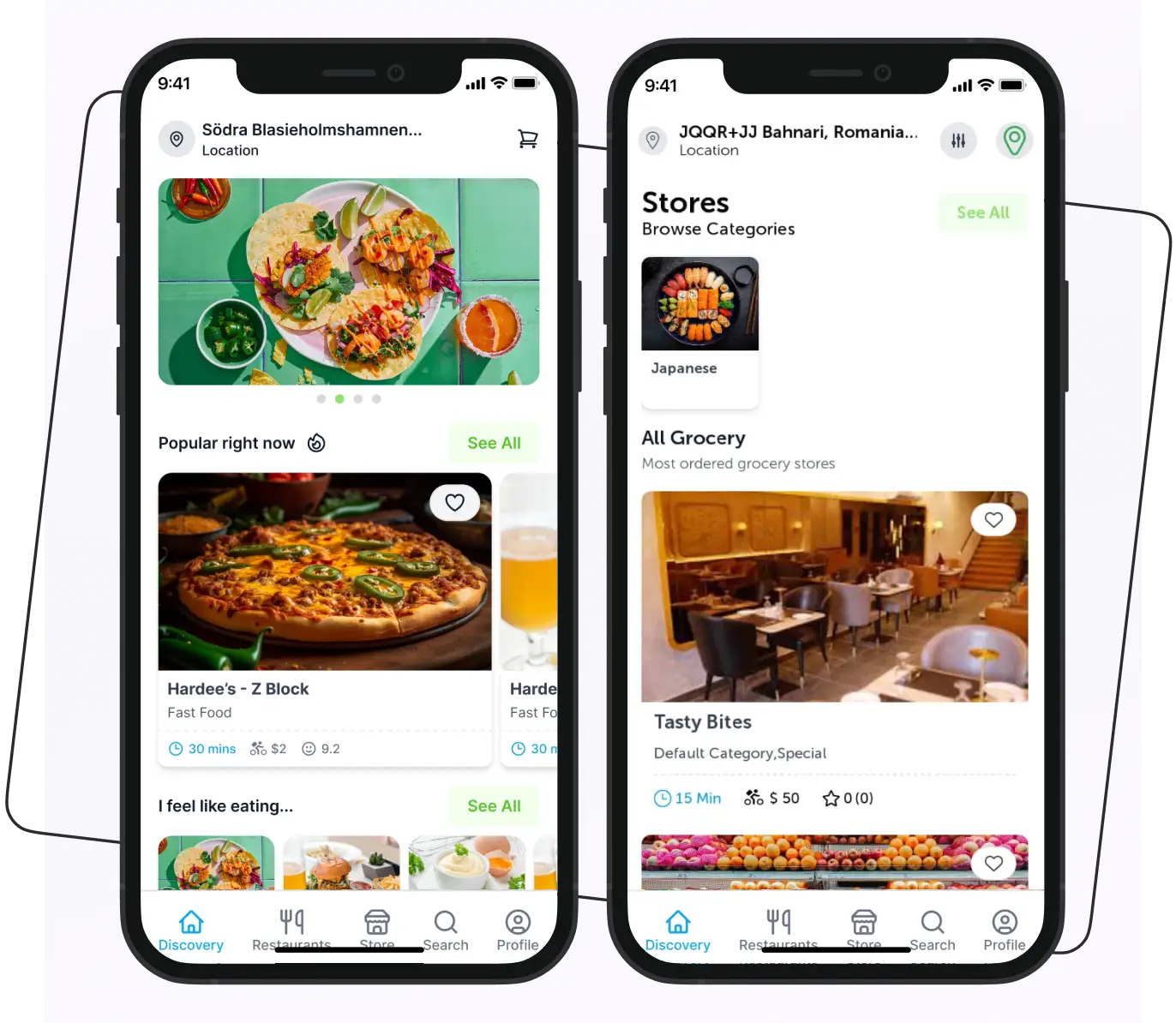
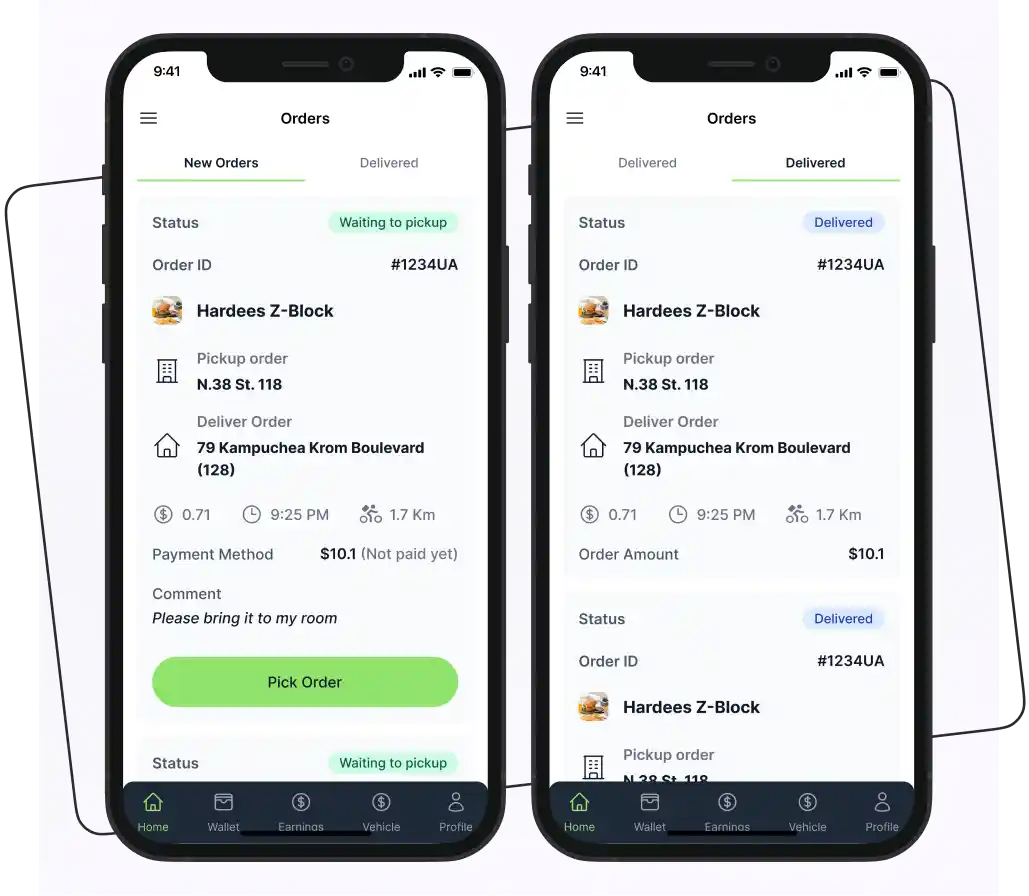
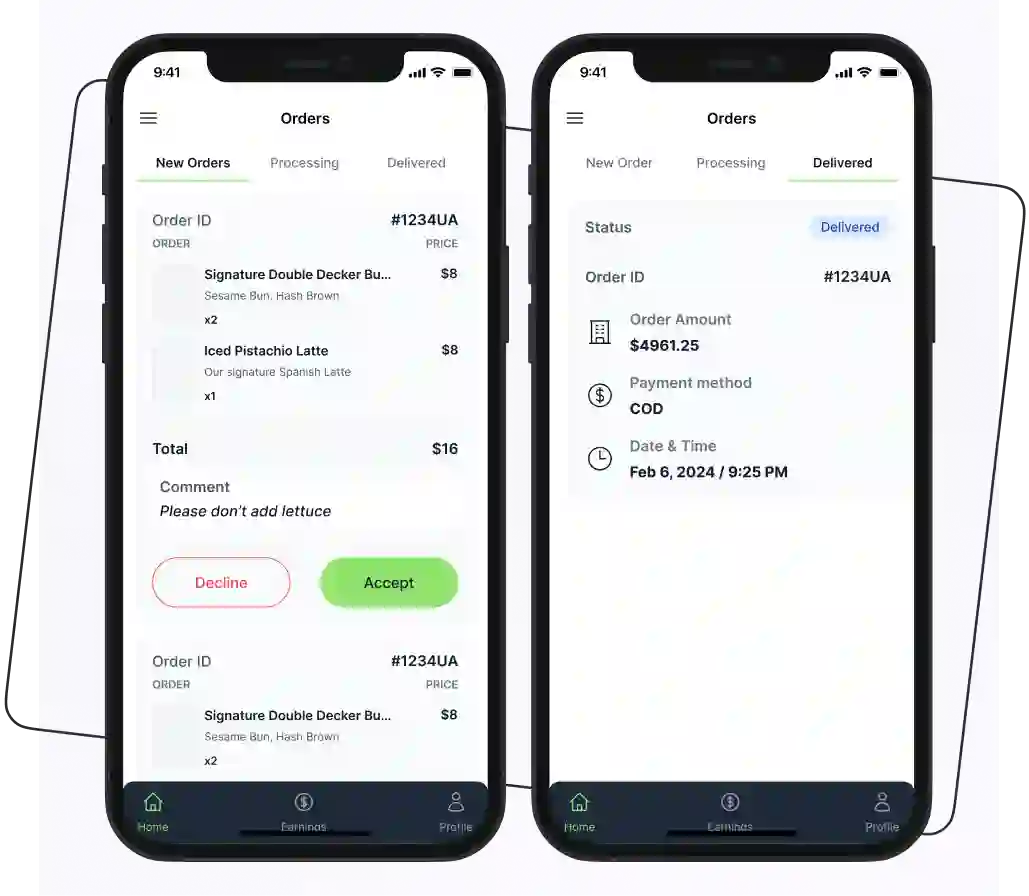
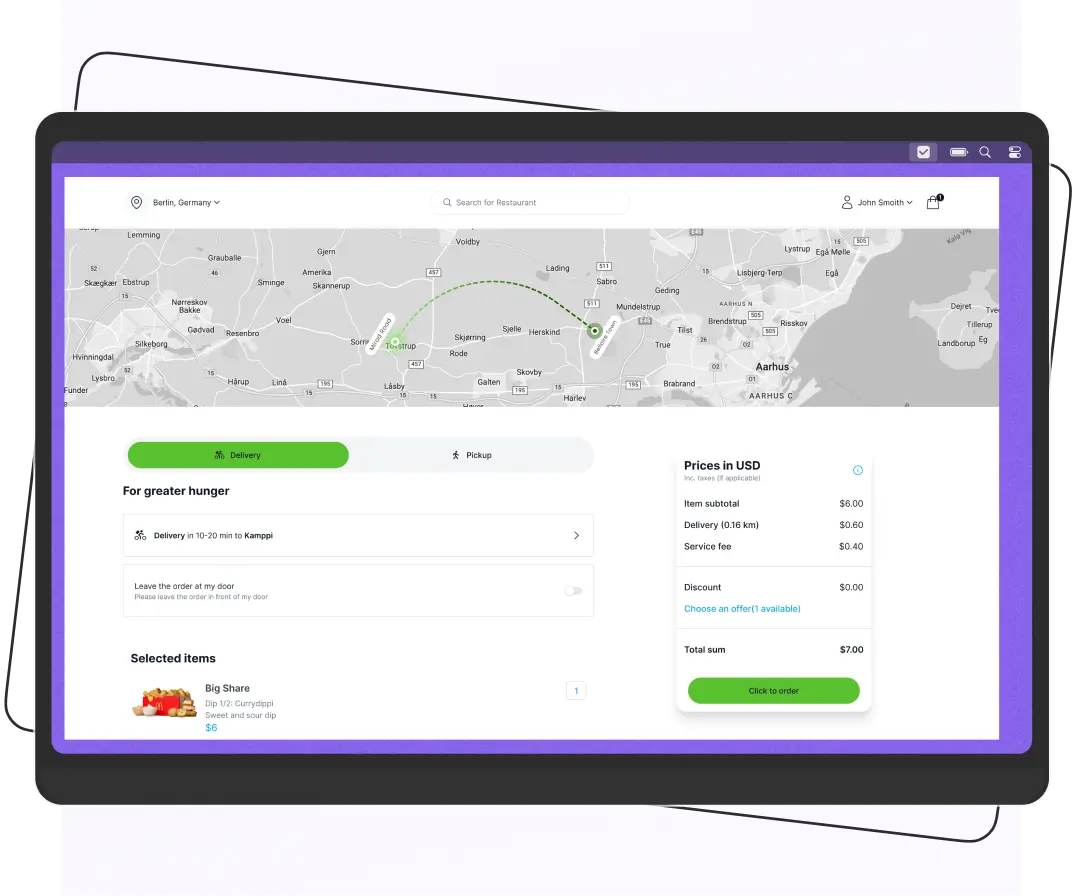
A Grubhub clone app is a pre-built, customizable application that replicates the core features of the Grubhub food delivery platform. It allows users to browse restaurants, place orders, make payments, and track deliveries in real time, while restaurant owners and delivery drivers can manage orders through dedicated dashboards.
Clone apps in React Native are built using the following approach: Requirement Analysis: Identify core features from the original app (e.g., Grubhub) like restaurant listings, ordering, payments, and tracking. Frontend Development: Use React Native to create cross-platform mobile interfaces for customers, delivery drivers, and restaurant owners. Backend Integration: Connect to APIs or backend services (Node.js, Firebase, or PHP) for order processing, user management, and real-time updates. State Management: Implement Redux or Context API to manage app state efficiently. Mapping and Tracking: Integrate Google Maps or Mapbox for live delivery tracking. Payment Integration: Use SDKs like Stripe or PayPal for secure transactions. Testing and Deployment: Test across devices, fix bugs, and deploy to App Store and Google Play.
A clone app is right for your delivery business if you want a fast, cost-effective launch with proven features. It’s ideal for startups looking to enter the market quickly.
Yes, you can use React JS to build both the customer and restaurant dashboards in your Grubhub clone. React JS allows you to create responsive, dynamic, and reusable components, making it easy to manage order tracking, menus, analytics, and user interactions across both dashboards.
A Grubhub clone differs from a traditional food ordering website in several ways: Modern Tech Stack: Uses React JS/React Native for fast, responsive, and dynamic interfaces, unlike older frameworks (PHP, jQuery) which can be slower and less interactive. Real-Time Features: Supports live order tracking, push notifications, and instant updates. Cross-Platform Compatibility: Can run on web and mobile seamlessly, whereas older sites may be desktop-centric. Scalability and Maintainability: Component-based architecture makes adding new features easier. Enhanced UX/UI: Modern design patterns and animations improve user experience compared to static legacy websites.
Common database integrations for a React-based Grubhub clone include: MySQL / MariaDB: Relational database for structured data like users, orders, and menus. PostgreSQL: Advanced relational database with support for complex queries and scalability. MongoDB: NoSQL database for flexible, document-based storage, useful for menus, reviews, and dynamic content. Firebase Realtime Database / Firestore: Cloud-based, real-time database for live order tracking and notifications.
The cost to develop a clone of Grubhub using React JS depends heavily on features, platforms, and development location. Here are rough estimates: For a basic version/MVP (customer + restaurant dashboards, basic order flow, one payment method): US $15 000–$40 000. For a mid‑complexity platform (multi‑vendor support, real‑time tracking, analytics, multiple payments): US $40 000–$90 000. For a full‑feature/enterprise solution (multi‑region, advanced logistics, AI recommendations, extensive dashboards): US $90 000+.




 IOS
IOS Android
 Web
Web