Get Backend API for Food Delivery Clone App Using React Native
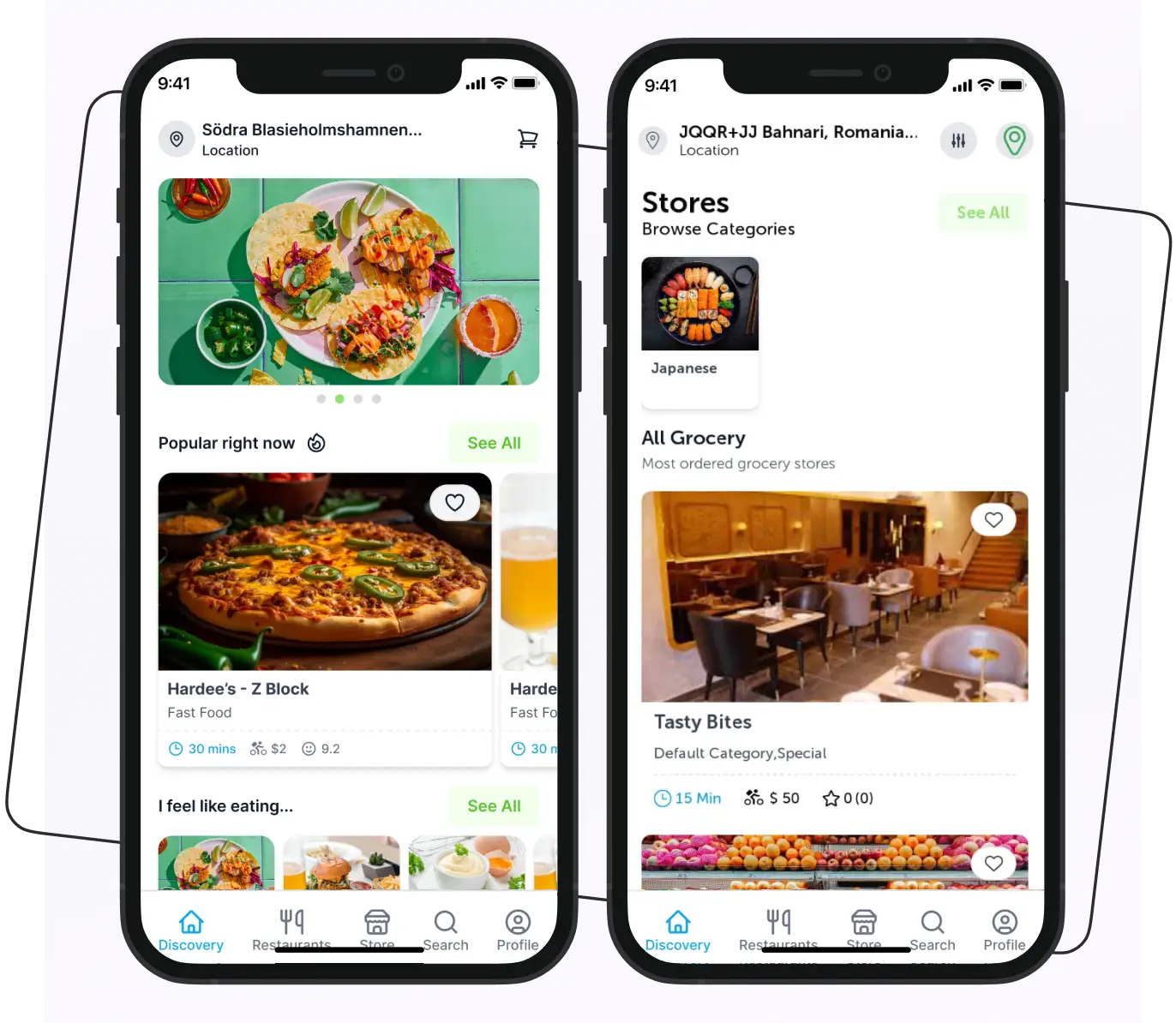
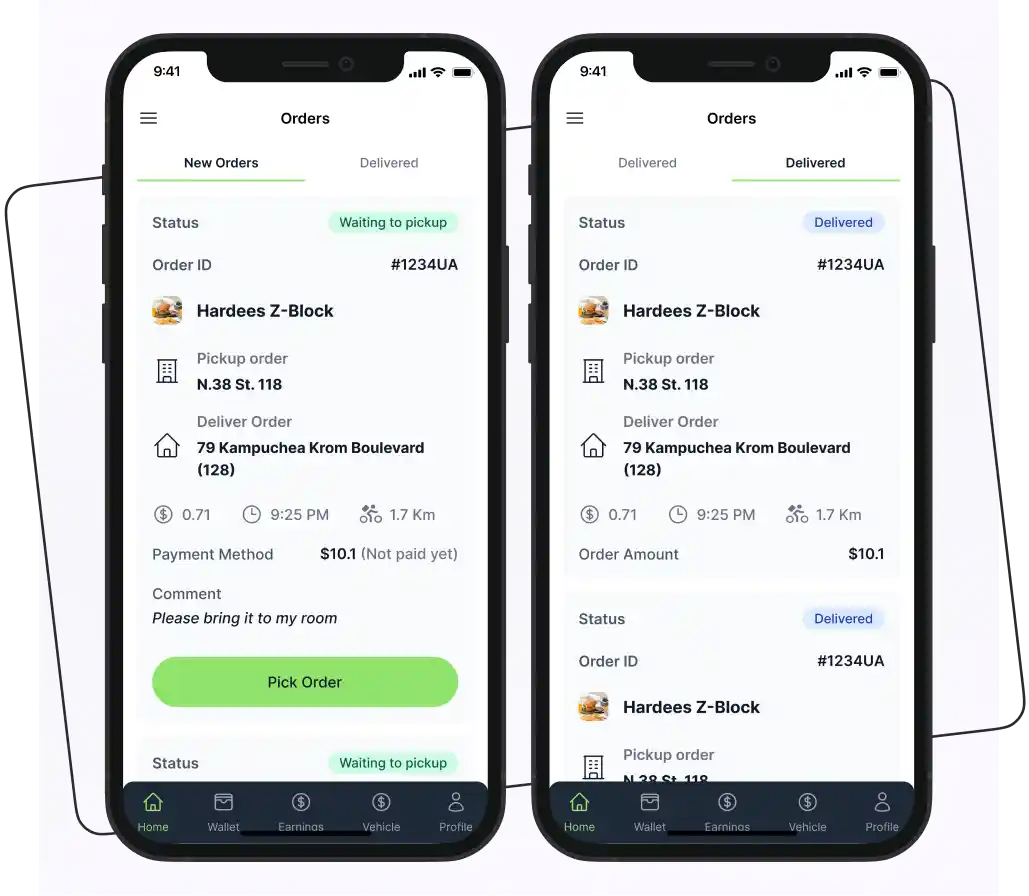
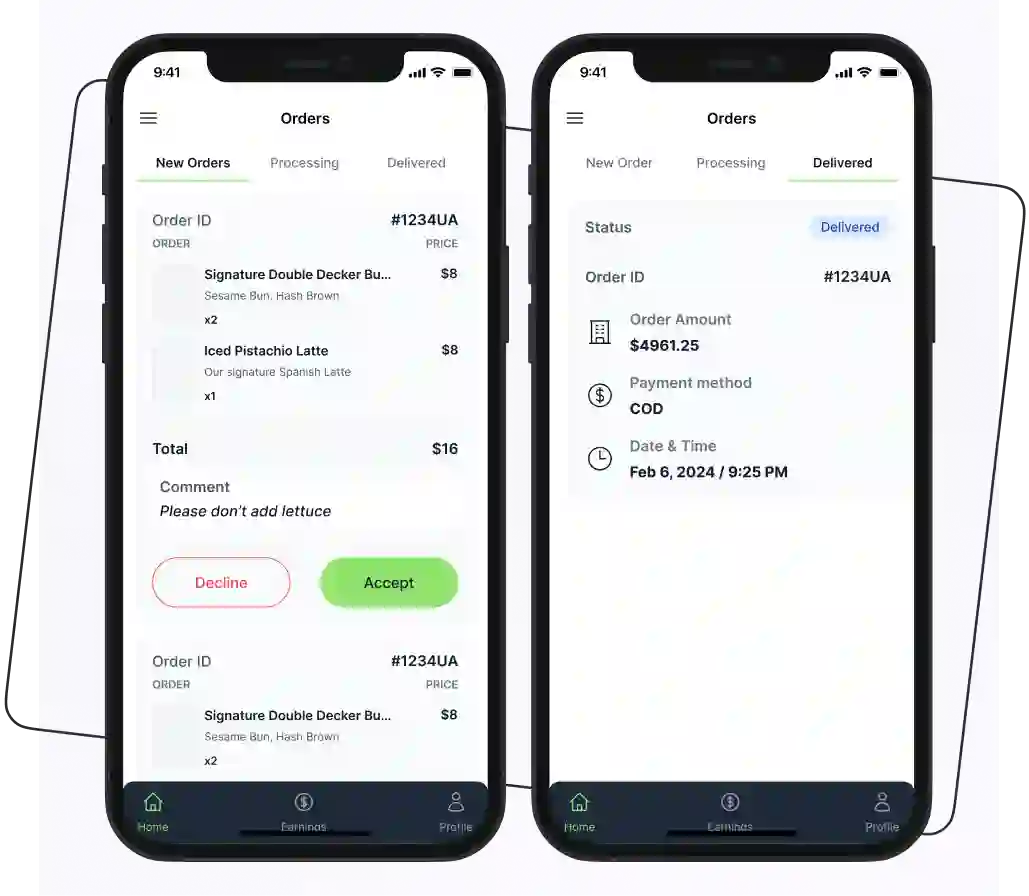
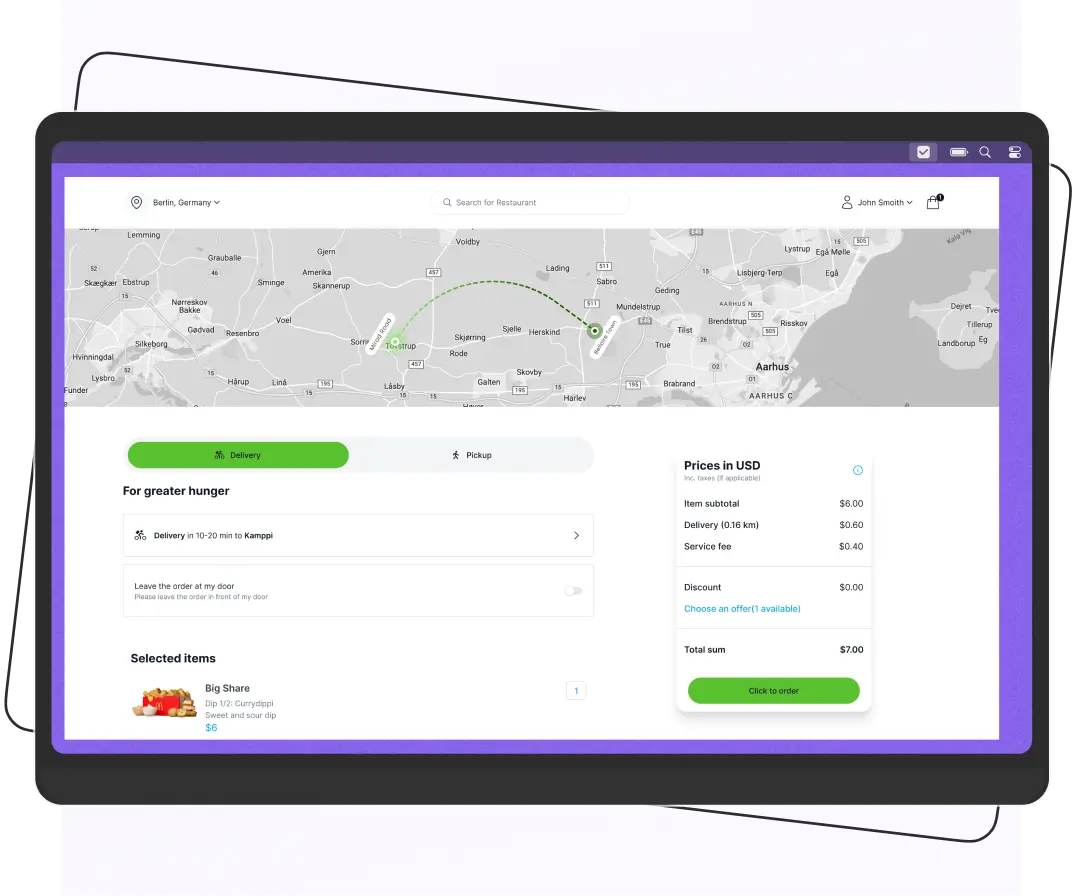
Download and customize the food delivery clone app using react native frontend instantly. The backend API is licensed separately—connect with our team to activate it. Guides and demos are available.



Frequently Asked Questions
The system handles real-time updates for order tracking using WebSocket connections or push notifications to instantly communicate changes in order status, such as preparation, dispatch, and delivery, ensuring customers receive timely updates directly in the app. Additionally, GPS integration allows for live tracking of delivery drivers' locations.
A React Native food delivery clone app can be made user-friendly and efficient through the following features: Intuitive User Interface: A clean, easy-to-navigate design that allows users to quickly browse menus, place orders, and access their profiles. Real-Time Order Tracking: Live updates on order status and GPS tracking of delivery drivers, providing transparency and reassurance to users. Search and Filter Options: Advanced search functionality and filtering options to help users find specific foods or restaurants quickly. Personalized Recommendations: Utilizing user preferences and order history to suggest relevant items, enhancing the shopping experience. Secure Payment Options: Multiple payment methods (credit/debit cards, digital wallets) integrated securely for hassle-free transactions. In-App Notifications: Timely notifications for order confirmations, status updates, and promotions, keeping users informed. Ratings and Reviews: Allowing users to rate and review restaurants and dishes helps build trust and guide other customers. User Profiles: Easy account management where users can save addresses, payment methods, and view order history. Promotional Offers and Discounts: Highlighting special deals and discounts to encourage user engagement and repeat orders. Offline Functionality: Basic features that work without an internet connection, allowing users to browse menus or view past orders.
Yes, a food delivery clone app using React Native can support multi-restaurant functionality. Key aspects include: Vendor Profiles: Each restaurant can have its own profile with unique menus, operating hours, and promotional offers. Centralized Management: A backend system can manage multiple restaurants, handling order processing, inventory, and customer interactions in one dashboard. Dynamic Menu Display: Users can browse and filter menus from various restaurants, allowing for easy comparisons and selections. Order Routing: The system can route orders to the appropriate restaurant based on user selections, ensuring efficient processing. Analytics and Reporting: Each restaurant can access its own analytics, providing insights into sales, customer preferences, and performance metrics. User Accounts: Customers can save their favorite restaurants and orders, enhancing their experience across multiple vendors.
Building a food delivery clone app using React Native offers several key advantages: Cross-Platform Development: Write once and deploy on both iOS and Android, reducing development time and costs. Fast Development Cycle: Hot reloading allows developers to instantly see changes without restarting the app, speeding up the development process. Performance: React Native provides near-native performance due to its use of native components, making the app responsive and smooth. Rich Ecosystem: Access to a wide range of libraries and third-party plugins enhances functionality and reduces the need for custom development. UI Consistency: React Native allows for a consistent user interface across platforms, improving user experience and brand identity. Community Support: A large and active community provides resources, tutorials, and support, making it easier to solve issues and innovate. Easy Integration: Seamless integration with various APIs and third-party services (like payment gateways and mapping) enhances app functionality. Cost-Effectiveness: Reduced need for separate codebases for iOS and Android can lead to significant cost savings in development and maintenance.




 IOS
IOS Android
 Web
Web